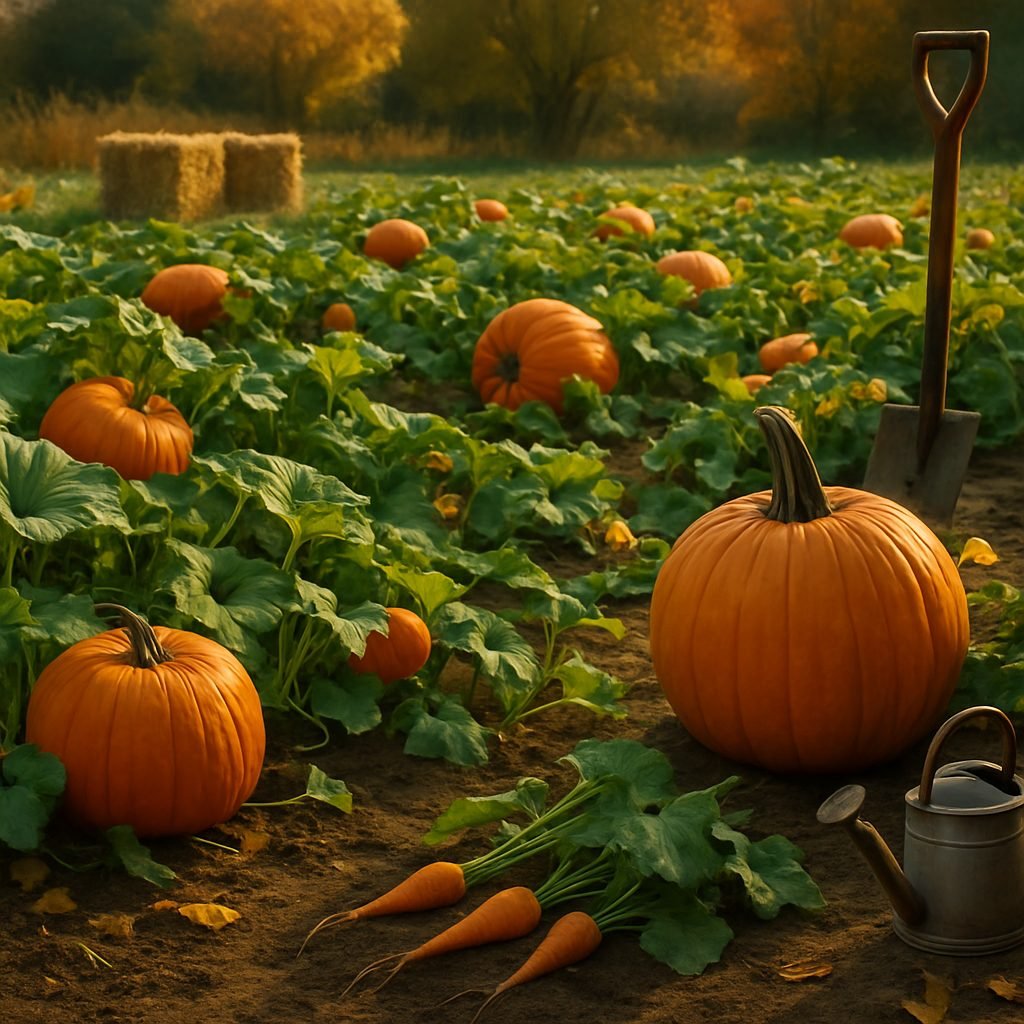
Introduction
A backyard pumpkin patch is more than just a festive addition to your home—it’s a lively symbol of autumn, Halloween, and cherished family traditions. Pumpkins have deep roots in culture and history, from Native American agriculture to their starring role in Halloween’s iconic jack-o’-lanterns. They evoke memories of crisp fall days, hayrides, and shared moments around the kitchen table carving faces or baking pies.
But did you know that with a little planning, you can grow your own pumpkins right in your backyard? Whether you want to create magical moments for your kids, celebrate the harvest season, or simply try your hand at gardening, this guide will walk you through the history of pumpkins, practical tips for growing them, and creative ideas for making your harvest the centerpiece of your fall festivities.
Let’s dig in and transform your outdoor space into your very own pumpkin paradise!
The Fascinating History of Pumpkins
Pumpkins have a rich history dating back over 7,500 years to Central and South America, where Indigenous peoples first cultivated them for their sturdy flesh and versatile seeds. Long before European settlers arrived, Native American communities depended on pumpkins as a staple crop—eating the flesh, roasting seeds for protein, and even drying strips into mats for storage or trade.
Pumpkins thrived in the “Three Sisters” planting technique alongside corn and beans, creating a mutually supportive growing environment. When early American settlers arrived, they quickly adopted pumpkins into their diets, using them in stews, pies, and even early forms of beer when other food sources were scarce.
The pumpkin’s role grew beyond the table over time, cementing its place in American culture. By the 19th century, Irish immigrants brought their tradition of carving turnips to ward off spirits during Samhain. In America, the larger and more pliable pumpkin replaced the turnip, giving birth to today’s iconic jack-o’-lantern. This transformation made pumpkins the creative centerpiece of Halloween celebrations.
Today, seeing pumpkins on porches and tasting pumpkin-flavored seasonal dishes signals that fall has arrived—a tradition rooted in centuries of agricultural innovation and cultural exchange. Whether you’re carving, baking, or simply admiring them, every pumpkin tells a story that connects us to the past and keeps the spirit of autumn alive.
Choosing & Preparing the Right Spot to Grow Pumpkins
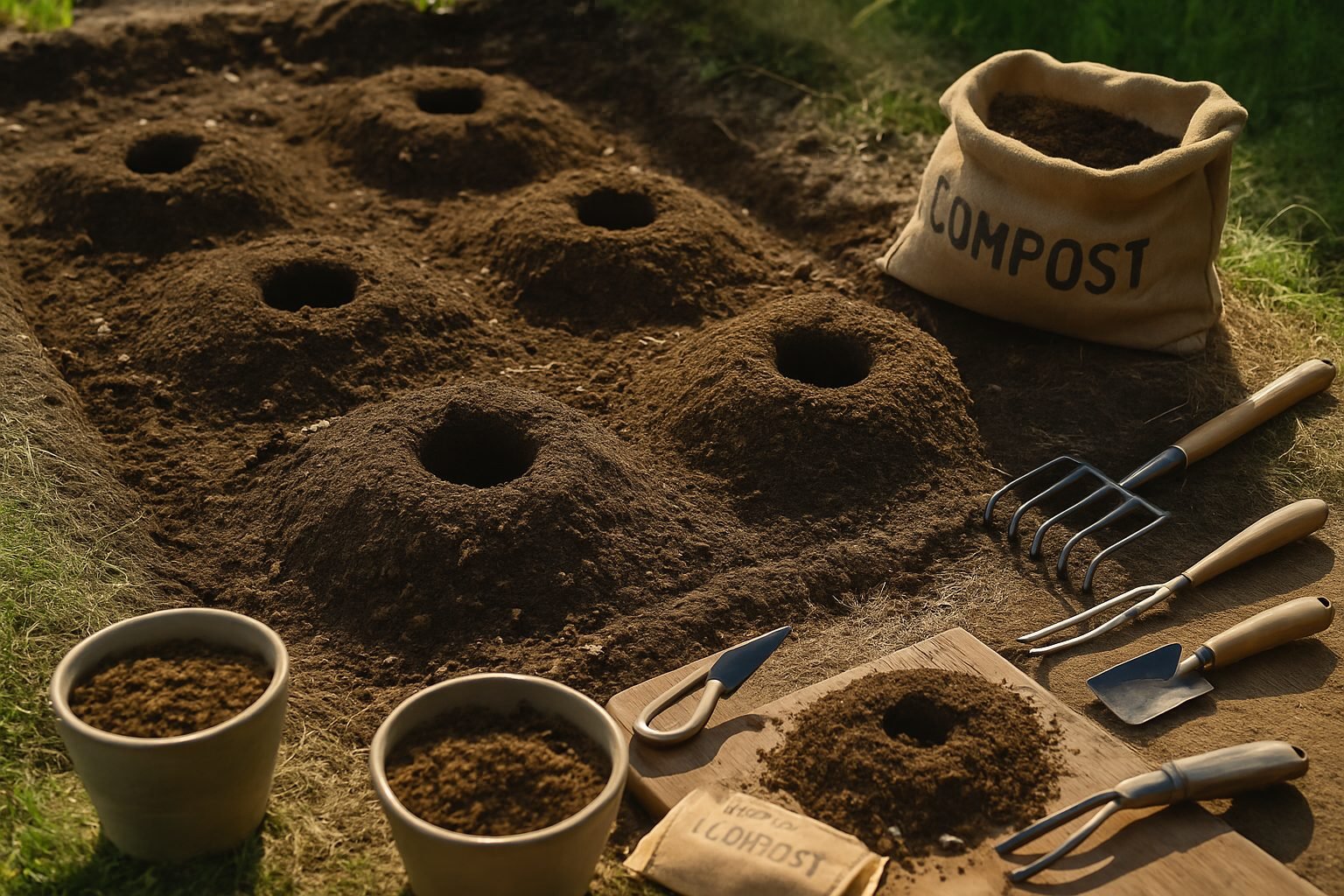
When it comes to growing big, healthy pumpkins, location really is everything. Start by picking a spot in your yard that gets full sunlight for at least six to eight hours a day—pumpkins love the warmth and need plenty of light to thrive. Avoid places where water pools after a rain; soggy roots can spell disaster for pumpkins, so look for areas with good drainage.
The ideal soil is loose, rich, and well-drained; sandy loam is perfect, but you can improve clay-heavy or sandy soils by mixing in plenty of compost or well-rotted manure. Before planting, clear the area of weeds and loosen the soil to a depth of about 12 inches. Then scatter a balanced fertilizer or aged compost across the bed and mix it in to boost nutrient levels.
You can start seeds indoors three to four weeks before your last frost date for a head start on the season—just use peat pots to reduce transplant shock. However, if you have a long growing season, direct sowing outdoors once the soil warms to at least 70°F often works just as well and is less work overall.
Mound the soil into small hills two to three feet apart and plant three to five seeds per hill, thinning to the strongest one or two plants after sprouts appear. To keep diseases at bay, make sure you practice crop rotation; never plant pumpkins (or any squash family plants) in the same spot two years in a row.
Clear debris at the end of the season and rotate beds to reduce pests and soil-borne issues—your pumpkins will thank you with a hearty, productive crop.
Pumpkin Plant Companions and Mixed Cultivation
Companion planting is a smart, natural way to boost your pumpkin patch’s health and productivity by growing compatible plants together. For pumpkins, classic companions include corn and beans, forming the tried-and-true “Three Sisters” method rooted in Indigenous horticultural wisdom.
Corn provides a sturdy stalk for beans to climb, beans add valuable nitrogen to the soil, and pumpkin vines sprawl beneath, shading the ground to lock in moisture and suppress weeds. Marigolds are another great addition—plant them around your pumpkins to naturally repel common pests like beetles and aphids.
On the flip side, avoid growing pumpkins too close to potatoes, as they compete for similar nutrients and can encourage disease transfer. Also, steer clear of planting pumpkins with other sprawling cucurbits (like zucchinis or cucumbers) to prevent overcrowding and mildew.
Garden Layout Tips
A practical mixed crop garden layout could feature pumpkins along the border, with vertical corn and climbing beans arranged in rows behind them. You might also intersperse quick-growing crops like radishes or lettuce between pumpkin hills early in the season; these can be harvested before the pumpkin vines need more room.
Succession Planting for a Productive Garden
To keep your garden productive all season long, practice succession planting—after you harvest early crops, replant those spaces with fast-maturing vegetables or a late-season green manure crop to enrich the soil for next year’s pumpkins. This thoughtful approach to mixed cultivation not only maximizes your harvest but also promotes healthier, more resilient plants.
Pumpkin Growing Season: Care, Challenges & Harvesting
Growing pumpkins can be a rewarding experience, but it requires attentive care throughout the season. Start by watering deeply and consistently, providing about one to two inches per week. Water at the base of the plants to avoid wetting the leaves, which helps prevent fungal diseases.
Apply a thick layer of mulch, such as straw or shredded leaves, to keep the soil moist and discourage weeds. Mulch also creates a barrier between the fruit and soil, reducing the risk of rot.
Pests like squash bugs and cucumber beetles can wreak havoc. Use floating row covers early on, handpick pests, and regularly check under leaves for eggs.
Diseases such as powdery mildew are common, especially in humid conditions. Improve airflow by spacing vines appropriately and remove affected leaves promptly.
Monitor your plants throughout the season for signs of distress:
- Wilting may indicate under-watering or root problems.
- Yellowing leaves could signal nutrient deficiencies or early disease.
When it’s time to harvest, wait until the pumpkin skin is a deep, uniform color and hard enough that your fingernail can’t easily pierce it. Cut the stem, leaving a few inches attached—never pull the pumpkin off the vine, as this can cause rot.
Harvest before the first hard frost, then cure the pumpkins in a dry, warm place for 10 days to toughen their skin.
With these tips, you’ll boost your chances of a healthy, bountiful pumpkin harvest, whether you’re growing a single jack-o’-lantern or a whole patch for pies.
Pumpkin Patches & Family Traditions
Pumpkin patches have long been a beloved feature of autumn, but their rise as must-visit seasonal attractions is relatively recent. Decades ago, farmers began opening their fields to the public, offering a hands-on way for families to choose pumpkins straight from the vine. What started as a simple harvest has grown into a vibrant tradition.
Visiting a pumpkin patch today is much more than picking a pumpkin—it’s an outing filled with activities that bring families closer together. Children scramble onto hayrides, laughing as tractors wind through golden fields. Parents snap festive photos among rows of orange gourds or cheer on little ones as they navigate corn mazes.
Some patches offer face painting, petting zoos, cider tastings, or cozy fire pits for roasting marshmallows, turning a quick stop into hours of wholesome fun. These shared experiences foster lasting memories and spark annual traditions, with many families returning to the same patch year after year.
In small towns and suburbs alike, pumpkin patches also become community gathering spots, hosting fall festivals and supporting local crafts or charities. The simple act of choosing a pumpkin together—lifting, weighing, and comparing—turns into a cherished ritual, signaling the start of sweater weather and the anticipation of Halloween.
In this way, pumpkin patches weave themselves into the fabric of family life, nurturing connections not just with the land, but with each other and the community.
Creative Ideas for Using Pumpkins
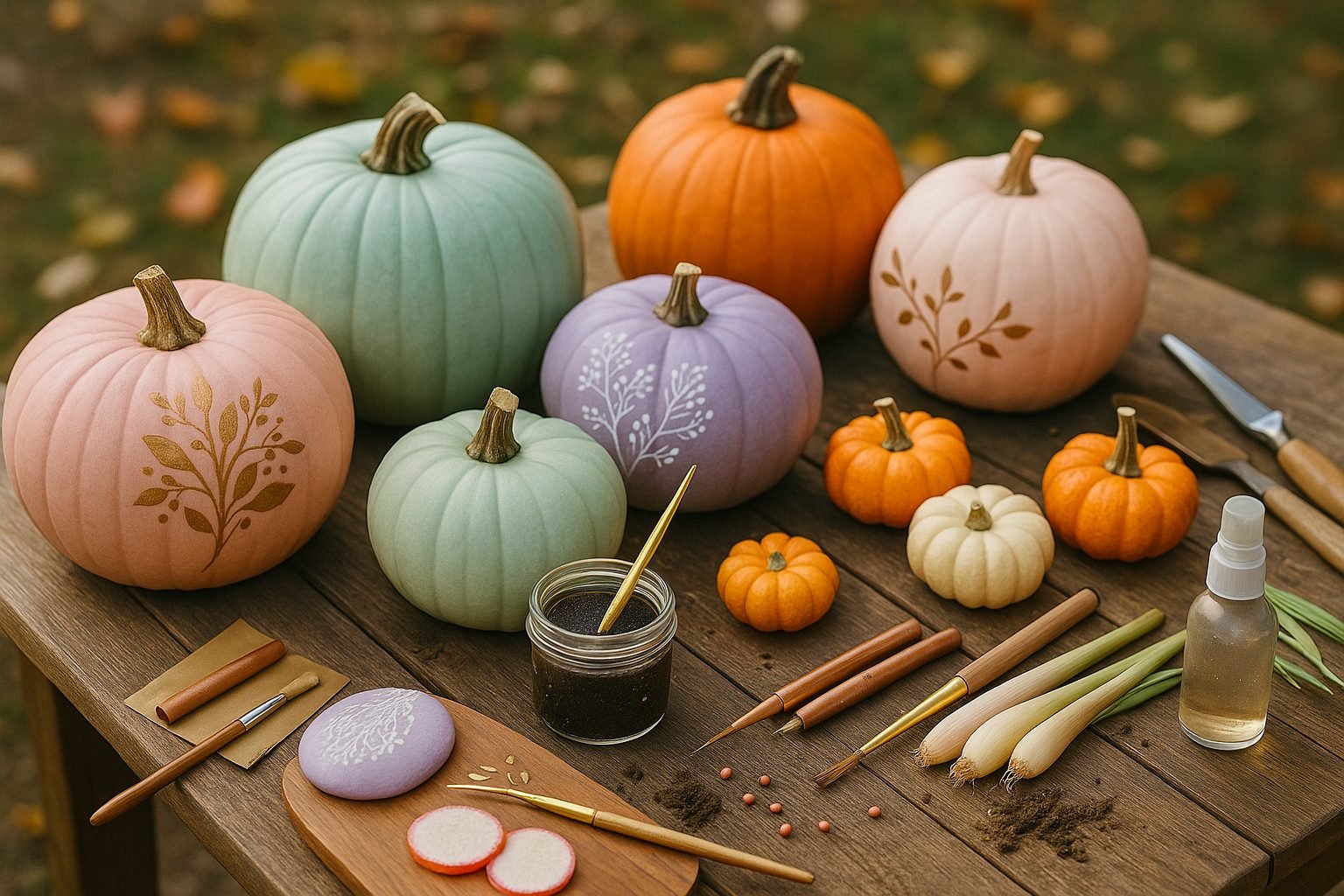
Pumpkins are more versatile than you might think—once you look beyond the classic jack-o’-lantern, the possibilities really open up. For a fresh decorative spin, try a pastel Halloween theme: paint pumpkins in soft shades like blush, mint, or lavender for a modern look that still feels seasonal. Use stencils or metallic pens to add delicate designs or fun faces without the mess of carving.
If you do want to carve, look for larger ornamental varieties like the standard “field pumpkin,” which has thick walls and large, smooth surfaces ideal for intricate patterns or stackable “totem pole” displays. Miniature ornamental pumpkins, like Jack Be Littles, make charming tabletop arrangements or place card holders for autumn gatherings.
When it comes to cooking, it’s crucial to choose the right type: sugar pumpkins or pie pumpkins are bred specifically for their sweet, dense flesh, perfect for soups, breads, and classic pumpkin pie. Try roasting chunks with olive oil, salt, and rosemary for a nutty, savory side dish, or blend cooked pumpkin into pancakes and oatmeal.
Remember, most decorative pumpkins aren’t bred for flavor—those warty, oddly shaped ones might look fun on your porch, but they’re often stringy or bland in recipes. Before cooking, double-check the label or ask at the market to make sure you’re using an edible variety.
This way, your pumpkins can do double duty: looking beautiful before ending up deliciously on your table.
Conclusion & Frequently Asked Questions
Pumpkins bring both charm and usefulness to any season, from their classic role as fall decor to starring in delicious recipes and DIY projects. Whether you love carving jack-o’-lanterns or whipping up creamy pumpkin soup, there’s a way for everyone to enjoy this versatile squash. Don’t be shy—share your favorite pumpkin recipes, carving ideas, or gardening tips in the comments!
Frequently Asked Questions
What is the best way to store pumpkins?
Keep them in a cool, dry place with good air circulation; most pumpkins will last for months this way.
Which pumpkins are best for cooking?
Sugar pumpkins and pie pumpkins are sweeter and less watery than large carving types, making them ideal for purees and baking.
With a little know-how, you’ll find that pumpkins aren’t just seasonal—they’re a creative and practical addition to your kitchen and home all year round.