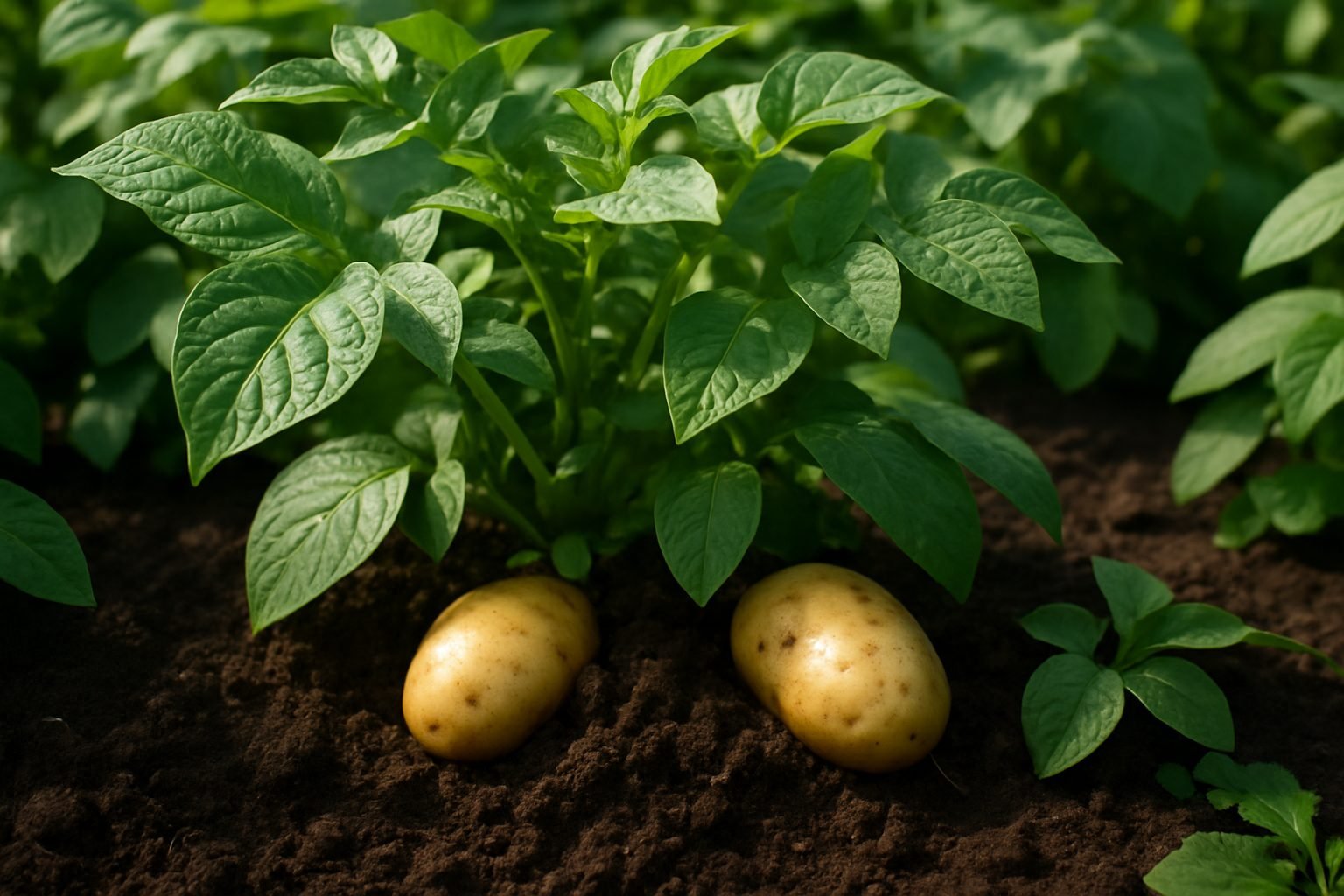
Introduction to Potato Blight
potato blight prevention is a crucial concern for anyone growing potatoes, whether you tend a small garden or manage acres of crops. Potato blight, caused by the water mold Phytophthora infestans, is a devastating plant disease that attacks leaves, stems, and tubers, turning healthy potato plants into a mushy, inedible mess within days.
This notorious disease isn’t just a minor irritation—it holds a infamous place in history. The most infamous outbreak occurred in Ireland during the mid-1840s, leading to the Irish Potato Famine and resulting in the death or emigration of millions.
Despite advances in agriculture, potato blight remains a major challenge, threatening food supplies globally and frustrating home gardeners who wake up to blackened, wilting plants overnight. In today’s climate, with unpredictable weather patterns and increased global movement of plant material, blight can appear suddenly and spread rapidly.
That’s why potato blight prevention isn’t just about spraying chemicals—it’s a holistic approach that includes careful crop rotation, weather monitoring, choosing blight-resistant potato varieties, and quick removal of affected plants. Gardeners need practical prevention strategies to protect their hard work and investment, and even small changes—like watering early in the day or avoiding overhead irrigation—can make a difference.
Whether you’re growing a few potatoes in containers or managing a family farm, staying informed and proactive about blight is essential for healthy, abundant harvests year after year.
Recognizing Potato Blight Symptoms
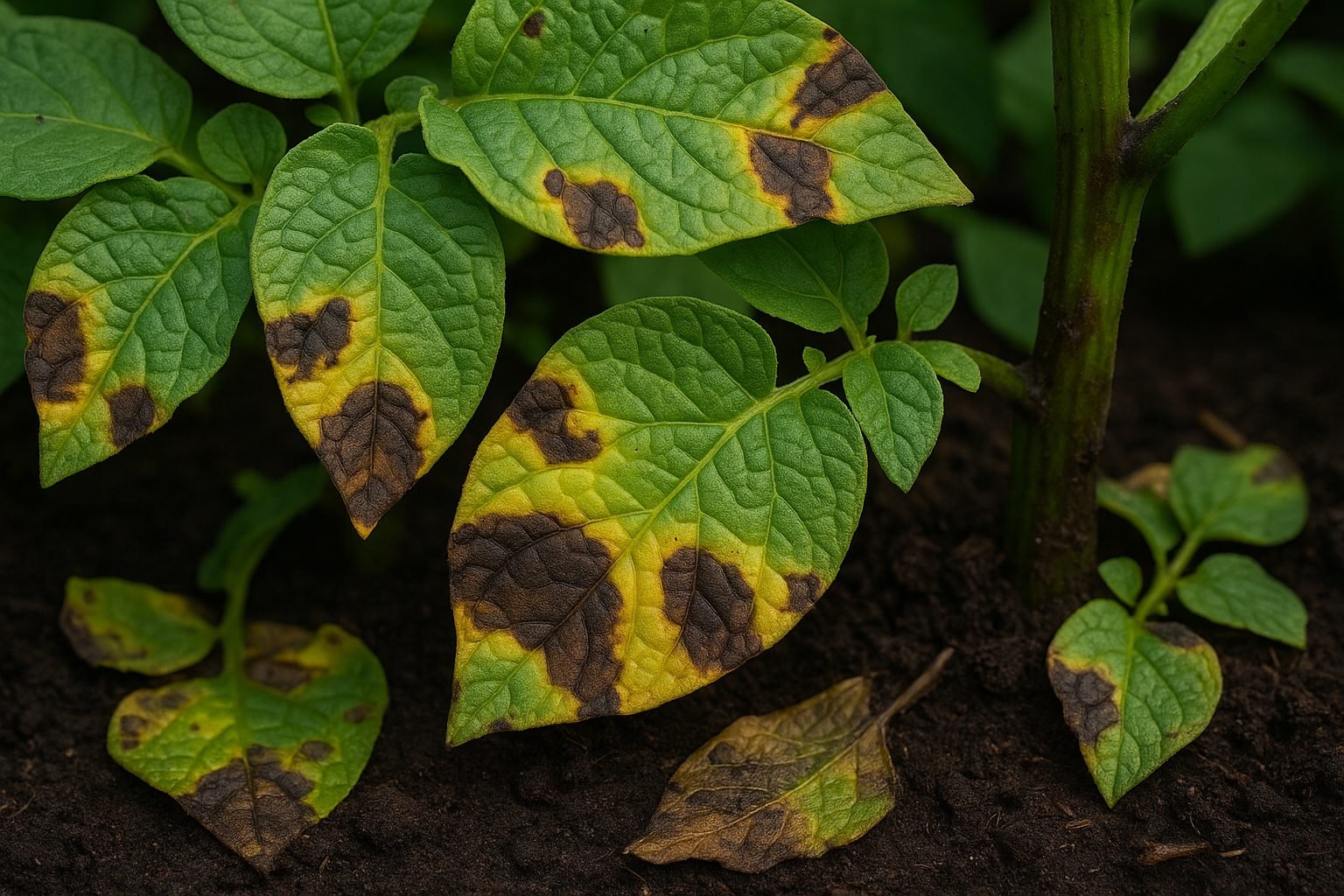
Potato blight usually begins with subtle but distinctive symptoms on the leaves, which serve as your first warning signs in the garden. Look for small, dark brown or olive spots surrounded by a yellow halo, often appearing at the leaf tips or edges and rapidly enlarging during damp weather.
As blight progresses, leaves may become limp, curl, and quickly turn water-soaked before browning and dying—unlike other diseases such as early blight, which causes more circular spots with a concentric ring pattern.
On stems, blight shows up as dark brown, firm lesions that can girdle and kill entire stems, while nearby healthy plants might remain untouched for a short time.
Tubers are also at risk, developing firm, gray or brown patches just below the skin. If you cut them open, you’ll see a reddish-brown, granular rot. Unlike issues like common scab or hollow heart, blight-infected tubers have a moist, rotting texture and often emit a foul odor when the infection goes deeper.
Blight symptoms typically appear after periods of warm, humid weather—usually starting in mid- to late summer when the foliage is dense and rainfall is frequent. The disease can spread quickly; under ideal conditions, a healthy plant can collapse in just a few days.
To stay ahead, check your potato plants at least once a week, especially after rain or heavy dew, for the earliest signs of infection. Prompt removal of diseased foliage and careful crop rotation can help keep this devastating disease at bay and protect your harvest.
Understanding the Disease Cycle and Spread
Potato blight, a notorious disease for potato growers, develops and spreads under specific conditions—most notably cool, wet, and humid weather. It starts when fungal spores—tiny reproductive units—land on leaf surfaces or stems, often carried by wind, rain, or splashing water from the soil. Infected plant debris left in the field or contaminated seed potatoes can harbor the blight pathogen, making crop rotation and proper cleanup after harvest essential.
There are two main types: early blight, caused by Alternaria solani, and late blight, caused by Phytophthora infestans. Early blight often appears as brown, concentric rings on older leaves and progresses slowly, giving farmers time to react. Late blight, on the other hand, is far more aggressive and notorious—responsible for the Irish Potato Famine. It manifests as watery, dark lesions that rapidly consume foliage and tubers, especially when days are cool and nights are damp.
Unlike early blight, late blight can spread explosively, with one infected plant releasing thousands of spores that can travel miles on the wind and devastate entire fields within days. If unmanaged, late blight quickly infects both leaves and potato tubers, making entire crops inedible and hard to salvage.
To reduce the risk, avoid overhead watering, promptly remove infected plants, and rotate crops with non-host species each season. By understanding and monitoring the disease cycle—watching for weather that favors its development—growers can take timely action to protect their harvests from this destructive threat.
Effective Management and Treatment Strategies

Successfully managing and treating plant diseases requires a proactive approach that blends cultural practices with targeted treatments. Start with prevention: crop rotation can disrupt the lifecycle of soil-borne pathogens, so avoid planting the same crops in the same spot year after year. Proper spacing between plants helps improve air circulation, reducing humidity and the risk of fungal outbreaks.
It’s also crucial to regularly scout your plants and promptly remove any that show signs of infection, as this stops diseases from spreading to healthy sections.
For disease control, organic options such as neem oil or copper-based sprays can help, especially for minor outbreaks. Always check if these are approved for your specific crops, and follow application guidelines to avoid phytotoxicity or residue problems.
If chemical fungicides are necessary, choose products labeled for your crop and disease, but be mindful of application limits, pre-harvest intervals, and potential resistance. It’s best to rotate different modes of action to slow down resistance development. Keep in mind that some fungicides may be restricted or banned in certain locations, so always follow local regulations.
The most effective approach is integrating these strategies into an IPM plan: monitor conditions, combine preventative measures with timely interventions, and adapt your strategy based on weather, disease pressure, and plant growth stage. Small changes, like adjusting irrigation schedules to avoid wet leaves or mulching to prevent soil splash, can make a significant difference in disease prevention.
Acting at the first sign of trouble, rather than waiting, helps protect your yield and reduces the need for harsher interventions down the line.
Growing Blight-Resistant Potatoes
Blight-resistant potato varieties have become a game changer for anyone looking to grow healthy spuds without the constant worry of disease ruining your crop. These potatoes are specifically bred to withstand late blight, a devastating fungal disease that can wipe out plants in days, especially in damp or rainy conditions.
For home gardeners, popular options like Sarpo Mira, Cara, and Valor are reliable choices, offering good yields and excellent blight resistance. Commercial growers often turn to Royal or Alouette, which combine resilience with market-friendly quality.
When choosing resistant varieties, consider your local climate, intended use (like boiling or baking), and taste preferences, since flavor can vary. To ensure true disease resistance, always buy certified seed potatoes from trusted suppliers—local garden centers, reputable online stores, or agricultural cooperatives are good sources. Double-check that the label specifically mentions blight resistance, as some varieties resist other pests or viruses instead.
Remember, even resistant types benefit from crop rotation and proper spacing to keep plants healthy. By choosing the right blight-resistant potatoes and sourcing seeds carefully, you can maximize your chances of a robust and trouble-free harvest.
Best Practices for Blight Prevention
Preventing blight in your garden starts with adopting simple, effective habits. Water your plants at the base early in the morning, avoiding overhead watering that can splash fungal spores onto leaves—drip irrigation or soaker hoses work best.
Keep your garden clean by regularly removing fallen leaves, stems, or any plant debris, as these can harbor blight-causing pathogens over winter. Practice good garden hygiene by disinfecting tools after each use and rotating crops each season to reduce disease buildup.
Stay on top of the weather, since blight thrives in warm, humid conditions. Some regions even offer blight warning alerts or apps that help you know when to be extra vigilant.
Make it a habit to inspect your plants at least once a week, checking both sides of leaves for unusual spots or wilting. Early detection is key: if you notice any suspicious signs, promptly remove and dispose of affected foliage to prevent the spread.
With a bit of consistency, these practical steps can make your garden much more resilient to blight.
What To Do If Blight Strikes
If you discover blight in your garden, act quickly to stop it from spreading. First, remove all affected plants, including their roots, being careful not to shake spores onto healthy foliage. Place all diseased debris in sealed bags and dispose of it in the trash—never compost it, as this can reintroduce blight in future seasons.
Clean your gardening tools thoroughly with disinfectant or a bleach solution to prevent carrying blight to new areas. If your potatoes or tomatoes have tubers that appear healthy and blight-free, harvest them promptly and store them separately from any showing signs of infection. Check them often for soft spots or rot.
If blight spreads rapidly or covers a large area, or if you’re unsure how to handle it, contact your local agricultural extension office or a gardening professional. In some regions, outbreaks should be reported to local authorities to help track and contain the disease. Swift, careful action makes a big difference in protecting the rest of your crop.