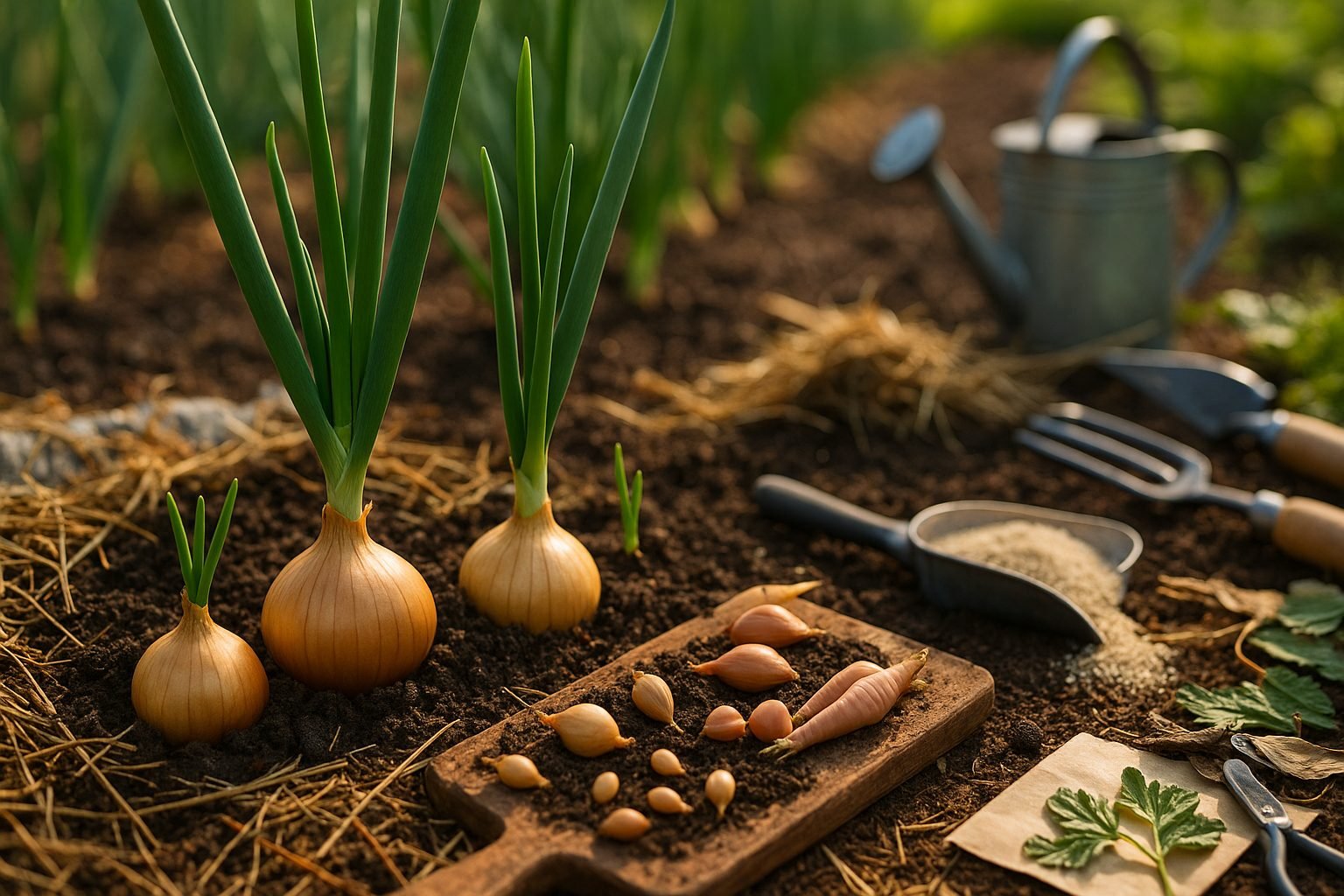
What Is Bolting and Why Do Onions Bolt?
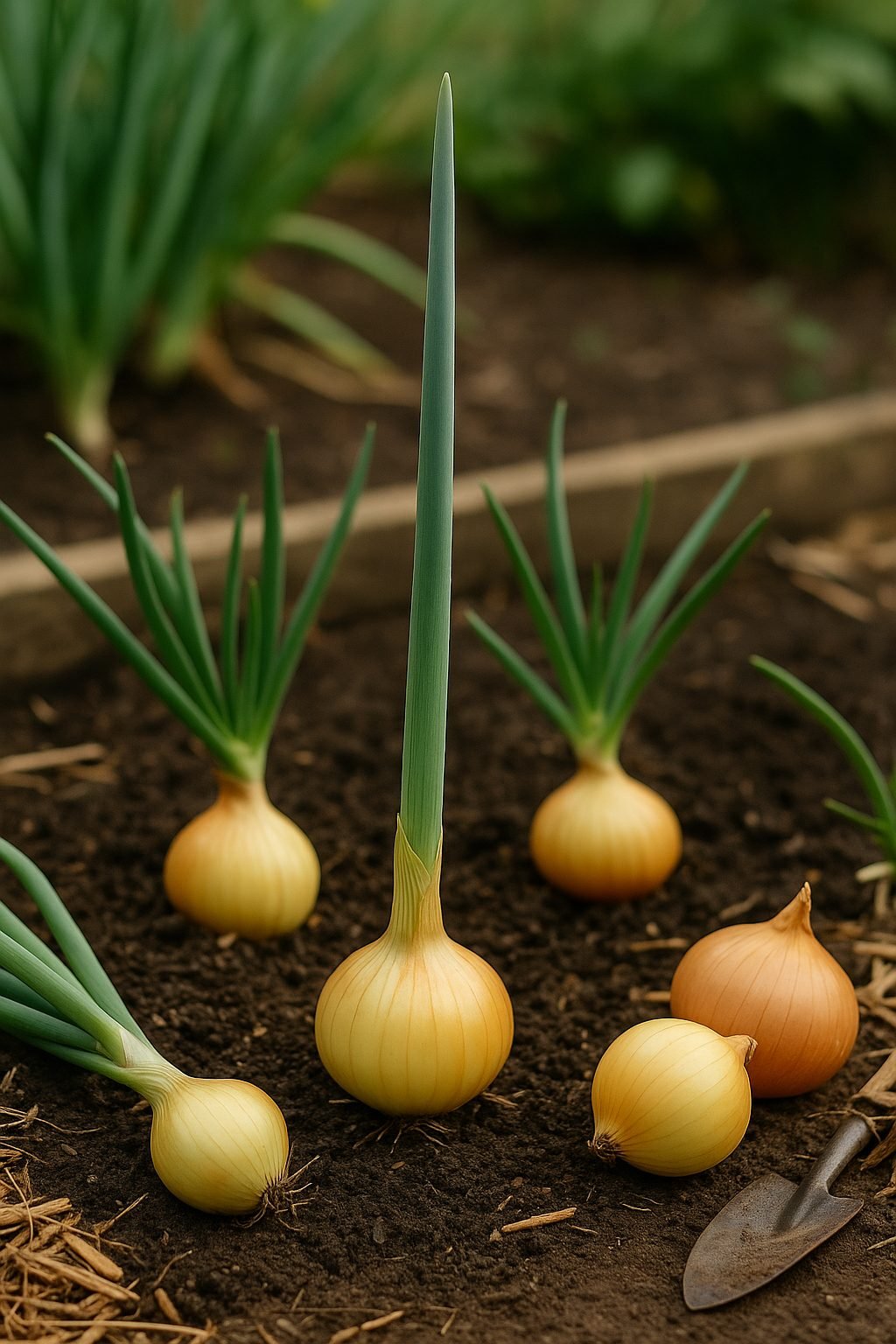
Onions bolting is a common challenge that can catch even experienced gardeners off guard. Bolting refers to the premature development of a flower stalk before the onion bulb has fully matured. While this might seem like a natural part of a plant’s life cycle, for gardeners growing onions for their bulbs, bolting is a major setback. Once an onion bolts, the plant starts diverting its energy toward producing flowers and seeds instead of developing a flavorful, large bulb. This shift not only leads to smaller, less tasty onions but also reduces the overall quality and storage life of your harvest.
Understanding the triggers for onions bolting is key to preventing it. The primary cause is a sudden change or stress in growing conditions, especially temperature swings. Onions are particularly sensitive to cold snaps after they have started growing, which can “trick” them into thinking it’s time to reproduce. Other stressors—such as transplanting at the wrong stage, inconsistent watering, crowded planting, or nutrient imbalances—can also prompt unnecessary flowering. For example, starting onions from sets that are too large or subjecting seedlings to a cold spell often increases the risk of bolting.
When onions bolt, the bulb’s development stalls because the plant’s resources are funneled toward flowering. As a result, gardeners may notice that their onions are smaller, tougher, or have a hollow, pithy center that doesn’t store well. To keep your onions focused on growing strong bulbs, it’s crucial to minimize stress, time planting correctly, and protect young plants from temperature extremes. By understanding and managing these triggers, you can help ensure a healthy, abundant onion harvest.
Key Reasons Onions Bolt (And When It’s Most Likely)
Onions are famously sensitive to their environment, and bolting—that unwanted rush to flower before the bulb fully forms—can ruin a harvest. Temperature swings are a chief culprit: if young onion plants experience a sudden cold snap, especially below 45°F (7°C) for just a few days, they may mistake it for winter and then try to flower when it warms up again.
Day length also plays a major role—onions are classified as short-day, intermediate-day, or long-day varieties, each triggered to bulb up by specific amounts of daylight. Plant a long-day onion in the South, or a short-day one up North, and you’re likely to see early bolting.
Timing matters too; onions started too early in cool weather or stressed by crowding or drought are more at risk. Watch for a sudden, sturdy central stalk shooting up—this is your main sign the plant is bolting, and at this stage, the bulb typically stops developing.
To minimize the risk, consider the following:
- Choose varieties adapted to your climate.
- Plant at the recommended time for your area.
- Avoid transplanting young seedlings during cold spells.
- Provide regular watering and avoid stressful conditions.
How to Prevent Onions from Bolting
Preventing onions from bolting—the premature flowering that stops bulb growth—starts with smart variety selection. Choose bolt-resistant types like ‘Candy’ or ‘Walla Walla’, especially if you live in areas prone to weather swings.
Planting at the right time is crucial; in most climates, onions do best when started in early spring as soon as the soil can be worked. This lets them mature before hot weather arrives, reducing the risk of stress that triggers bolting.
Provide steady, even watering, aiming to keep soil consistently moist but not soggy. Fluctuations in water supply can stress young onions, making them more likely to send up a flower stalk.
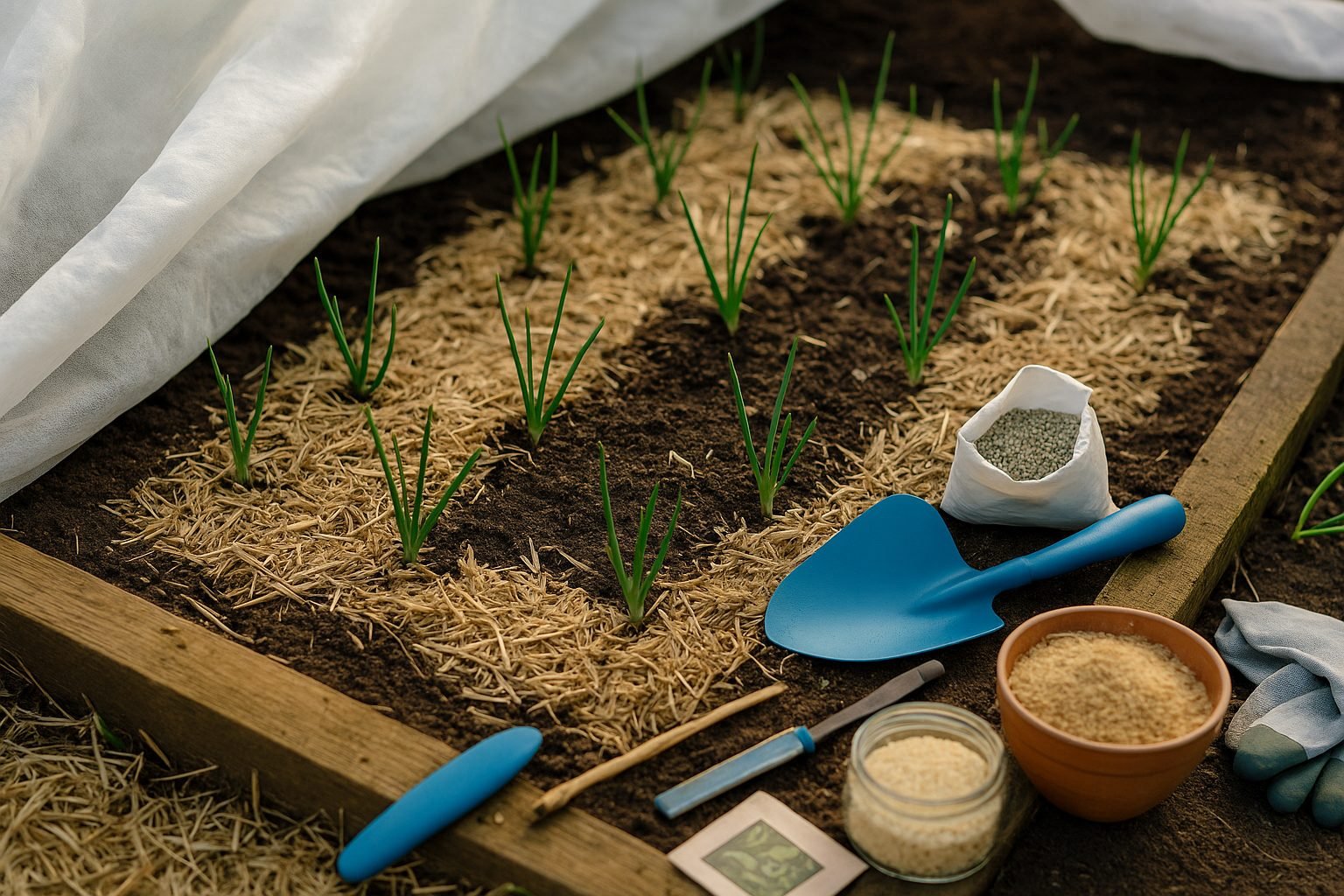
To further protect plants from temperature extremes, use a layer of organic mulch like straw or shredded leaves, which insulates roots against sudden cold snaps or heat waves. In cooler regions or for an extra line of defense, lightweight row covers can shield tender seedlings from chilly nights or surprise frosts.
When young plants reach about three inches tall, thin them so each onion has 4–6 inches of space to grow—crowding stresses seedlings and increases bolting risk. Early feeding with a balanced fertilizer helps support vigorous, healthy development.
Try to keep the growing environment as mild and stable as possible. Drastic temperature shifts, especially periods of cold followed by warmth, are a frequent cause of bolting, so watch weather forecasts and protect plants as needed.
Regularly remove weeds to reduce competition, and check soil moisture often, adjusting your watering schedule for rainy or dry spells. These preventive steps, tailored to your local climate, will help your onions stay focused on producing large, tasty bulbs instead of flowers.
Dealing with Bolted Onions: What to Do Next
When your onions start to bolt—that is, send up thick flower stalks—it signals a shift in their energy from bulb growth to seed production, which can affect both flavor and storage quality. Bolted onions often develop a sharper, sometimes bitter taste and won’t store well because the process makes their flesh softer and more prone to rotting.
If you spot an onion starting to bolt early in the season, one option is to quickly harvest and use it fresh: chop it into salads, salsas, or cooked dishes where a milder flavor isn’t crucial. Alternatively, you can clip off the flower stalk as soon as it appears to slow further bolting, though this rarely restores the bulb to perfect storage quality.
If you’re feeling adventurous, let a few plants fully flower—onion blooms attract bees, and their seeds can be saved for next year’s crop.
When deciding whether to pull or leave bolted onions, consider your plans:
- Pull immediately for fresh use if you need onions now.
- Leave them a bit longer if you want to try collecting seed.
For long-term storage, always prioritize non-bolted bulbs, since those are much more likely to keep through the winter without sprouting or spoiling.
How to Preserve or Use Bolted Onions
When onions bolt—shooting up a central stalk to flower—it can be disappointing, but these plants are still useful. While the bulbs may not store well due to a tendency to soften or sprout, you can use them quickly in soups, stir-fries, or roasted dishes. Just trim away any tough or hollow stalks.
The green flower stems themselves, called “scapes,” can be chopped and added to salads or sautéed for a mild onion flavor.
For longer preservation, you can slice and freeze the usable onion parts or dehydrate chopped onions for later use.
Don’t discard the flowering heads, either. If you let them fully mature and dry, you can collect seeds for next year’s planting. Keep in mind that onion seeds only remain viable for about a year and may not breed true if your onions are hybrids.
By acting quickly, you’ll get the most from your bolted onions and reduce waste.
Best Onion Varieties for Bolt Resistance
Choosing the right onion variety is crucial for minimizing the risk of bolting, especially if you live in an area with unpredictable spring temperatures. Some of the top bolt-resistant varieties include Tough Ball, known for its globular shape and ability to withstand fluctuating weather, and Walla Walla, which thrives in cooler climates and is less likely to bolt early.
Candy onions are a favorite among gardeners in both northern and southern regions due to their adaptability and reliable bolt resistance. For southern states with mild winters, Texas Super Sweet is an excellent choice, while those in northern climates may prefer Red Baron or Copra for their resilience and strong storage capability.
When selecting an onion variety, always match the day-length type (short, intermediate, or long day) to your location:
- Short-day onions suit the South
- Long-day onions are best for the North
- Intermediate types work well in in-between zones
Starting seeds indoors and gradually hardening off young plants before transplanting can also help reduce bolting. Be sure to pay attention to local extension recommendations and talk to nearby gardeners to see which varieties perform best in your region for a bolt-resistant harvest.
Final Tips for Successful Onion Growing
To prevent bolting—the early flowering that can ruin onion bulbs—choose bolt-resistant varieties and plant them at the right time for your region. Avoid sudden temperature swings by using mulch to maintain consistent soil conditions, and make sure your onions never dry out or experience stress, as this can trigger premature flowering.
Regularly check your onions for signs of thick necks or seed stalks so you can remove any bolting plants quickly and focus your energy on the healthy ones. Keep a garden journal to track what works each season, and don’t be afraid to experiment with spacing, watering, and feeding.
Successful onion growing is a learning process, so seek out resources like local extension offices, gardening groups, or online forums for fresh tips. By staying observant and proactive, you’ll give your onions the best chance to thrive—from seed to harvest.