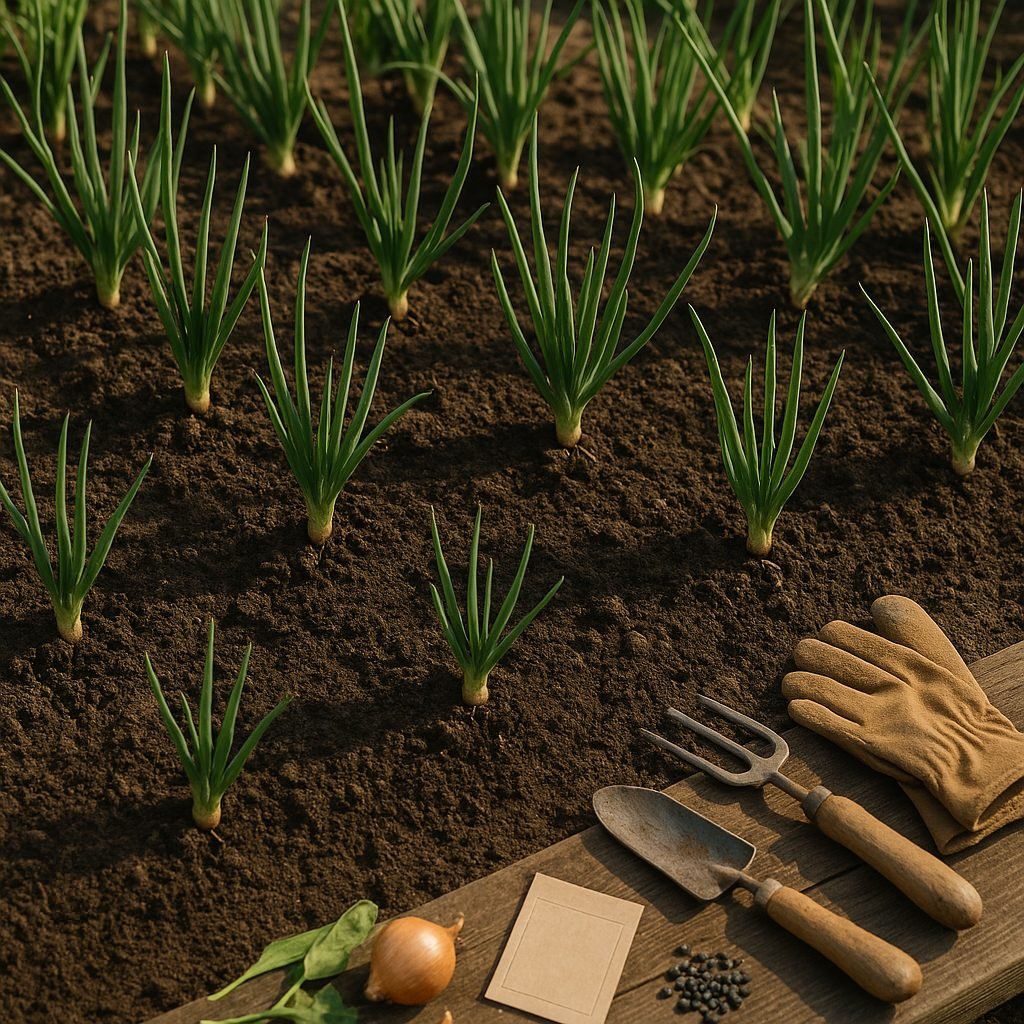
Introduction to Onion Problems
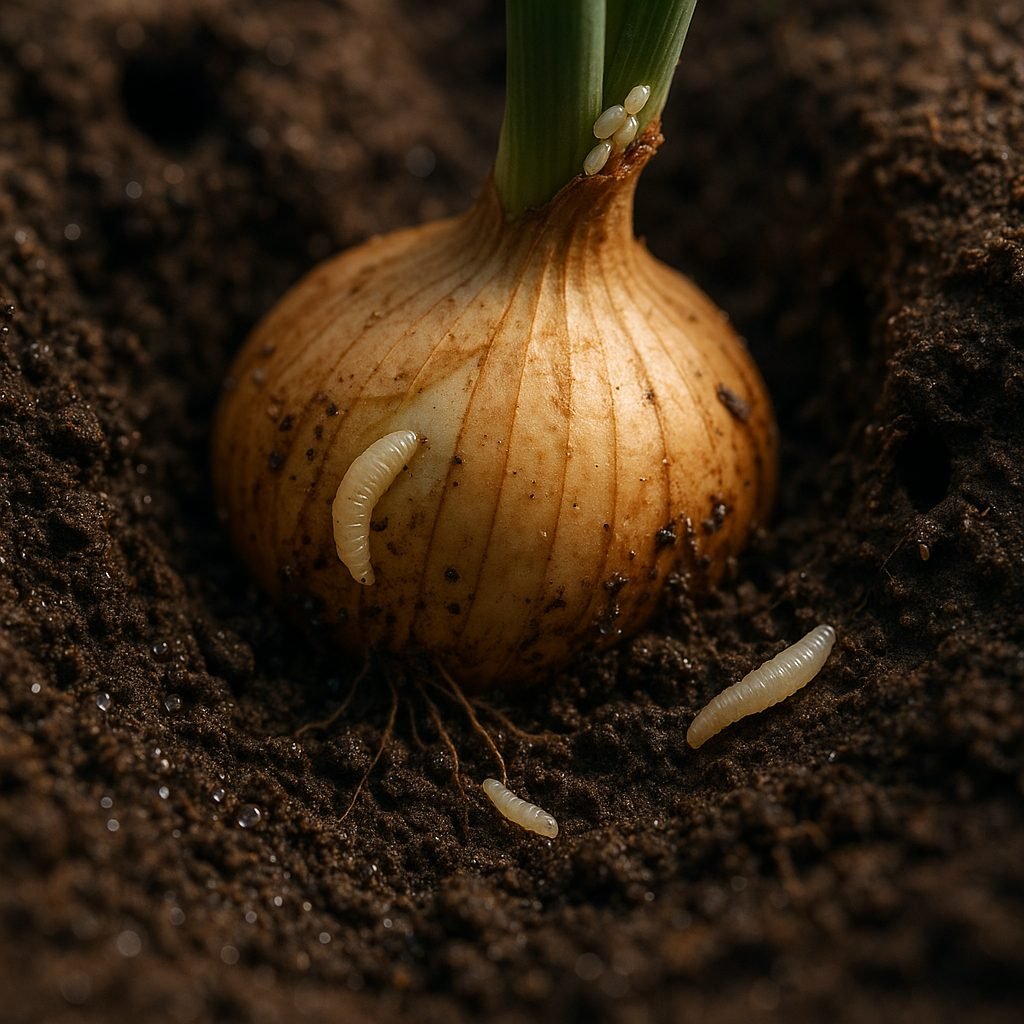
onion pests are a constant concern for both home gardeners and commercial farmers, thanks to the onion’s unique anatomy and the moist, loose soil they thrive in. These growing conditions create the perfect environment for troublemakers like thrips, maggots, and other pests, which can quickly turn a healthy crop into a disappointing harvest.
Onions are especially susceptible because their layers and underground bulbs make ideal hiding spots for insects and breeding grounds for diseases. The result? Stunted growth, distorted bulbs, and sometimes the complete loss of a crop.
Whether you’re growing onions to spice up your salads or to fill market stalls, staying ahead of these threats is crucial for protecting crop yield and quality. In this article, we’ll guide you through identifying the most common onion pests and diseases, share practical prevention strategies, and outline proven management techniques to help you safeguard your harvest.
Identifying Common Onion Pests
Onions can attract a handful of persistent pests, but two of the most troublesome are the onion fly (or onion maggot) and the allium leaf miner.
The onion fly looks like a common housefly but is actually a threat in disguise—its tiny white eggs are often laid at the base of onion plants. Once hatched, the larvae (maggots) burrow into the roots and bulbs, causing plants to wilt and leaves to turn yellow. Check for soft, collapsing bulbs and dig gently around the base to spot small, legless maggots.
With the allium leaf miner, adults are small, dark flies that leave distinctive rows of puncture marks on leaves when they feed and lay eggs. The yellowish-white larvae tunnel inside stems and bulbs, leading to distorted leaves and secondary rot. Eggs can be seen as tiny, elongated specks often tucked near the leaf base, while pupae appear as brown capsules in the soil or plant tissue.
Regularly inspect onion patches for these signs, and if you spot clusters of eggs or larvae, remove and destroy infested plants promptly. To prevent infestations, consider using fine mesh netting or floating row covers to block egg-laying adults, and rotate crops each year to disrupt pest life cycles. Immediate physical barriers and vigilant inspection are key to keeping your onions healthy and pest-free.
Recognizing Major Onion Diseases
Spotting the signs of major onion diseases early can save your crop and reduce headaches later on. Three common culprits to watch out for are White Rot, Neck Rot, and Rust.
White Rot is a fungal disease known for its persistence in the soil. If you notice a white, fluffy growth on onion roots or bulbs, along with yellowing and wilting leaves, there’s a good chance White Rot is at play. This disease thrives in cool, moist soil and spreads mainly through infected plant debris or leftover sclerotia in the ground.
Neck Rot often sneaks in at harvest and becomes a problem in storage, softening the onion neck and sometimes causing a grayish mold inside the bulb. This bacterial or fungal issue usually spreads when onions are harvested wet or if necks aren’t dried properly before storage.
Rust is easy to spot during the growing season with orange, powdery spots forming on leaves. This fungal disease travels quickly on wind-borne spores, spreading rapidly in warm, humid weather and weakening plants by reducing the leaf area needed for photosynthesis.
High moisture and poor air circulation can make fields more vulnerable to all three diseases, and a single infected crop can leave spores or bacteria behind for seasons to come.
Prevention Tips
- Rotate crops to prevent pathogen buildup in the soil.
- Use disease-free sets or seeds.
- Ensure thorough drying before storage.
By understanding the warning signs and creating less-friendly conditions for these pathogens, you can keep onion diseases in check and protect your harvest.
Bolting and Other Physiological Issues
Bolting in onions refers to when plants flower and set seed too early, a process known as premature flowering. This usually happens in response to triggers like long days, sudden temperature shifts, or plant stress such as drought or poor nutrition. Bolting can be a major problem for gardeners because once the plant starts focusing its energy on flowering, the bulb size shrinks and the overall quality drops—making the onions less tasty and harder to store.
To prevent bolting, choose varieties bred for your region’s climate and day length, and plant them at the right time, ideally when temperatures are cool but not freezing. Keeping plants well-watered and fertilized, and avoiding sudden shocks such as transplanting during heatwaves, also helps minimize stress.
Apart from bolting, onions can experience other physiological issues. One common problem is rotting during storage, which often occurs when bulbs are not fully cured or are stored in high humidity, even when there are no pests or diseases present. Proper harvesting and storing onions in a cool, dry place will help you enjoy your onion crop longer.
Prevention Strategies for Onion Diseases and Pests
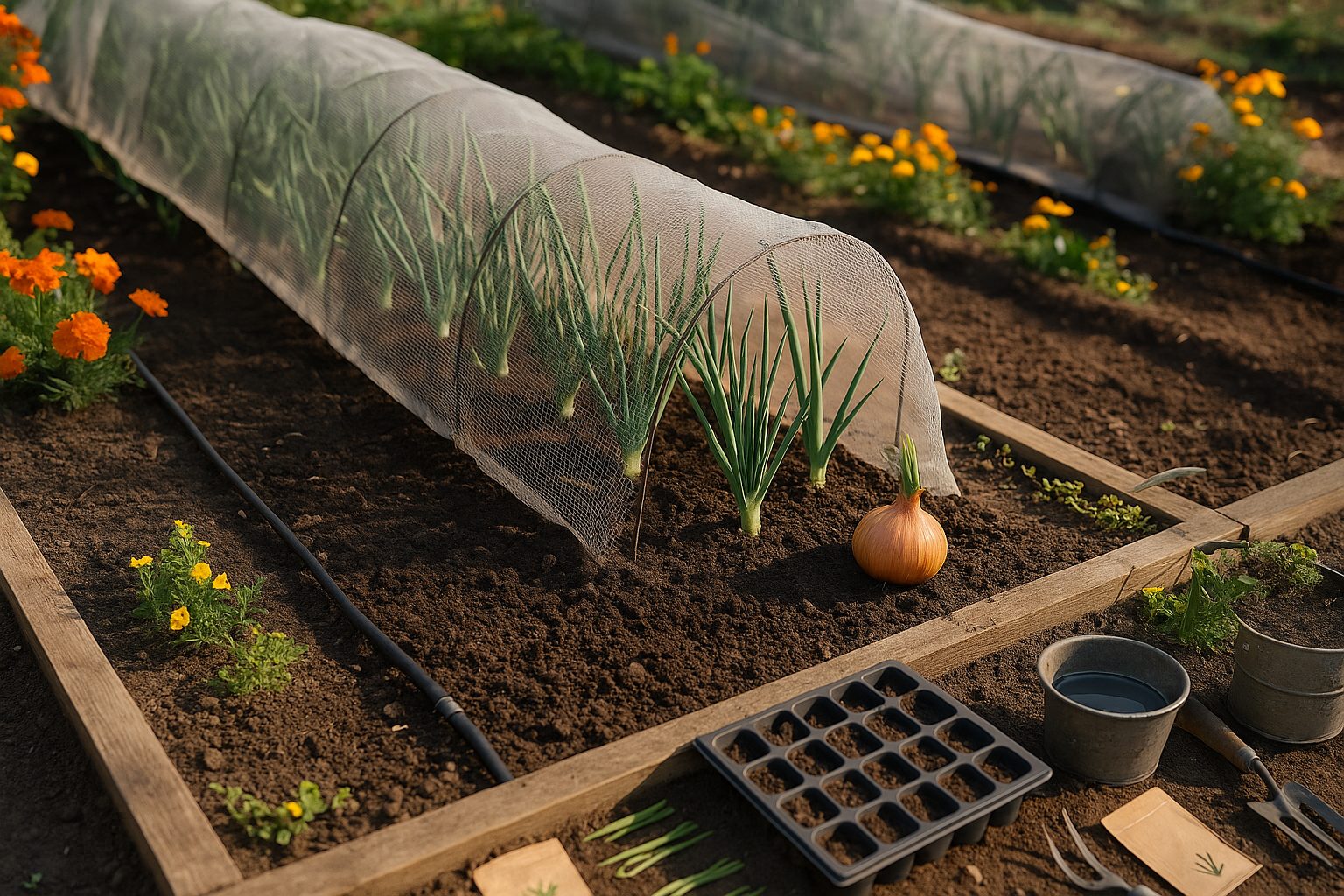
Preventing onion diseases and pests starts with a few simple but essential cultural practices that can make all the difference in your harvest. Begin by rotating your crops—avoid planting onions or related alliums in the same spot for at least two to three years, which helps disrupt pest and disease cycles.
Keep your field or garden beds clean; remove plant debris, as it can harbor pests and pathogens over winter. Proper plant spacing is key: onions need good airflow to reduce excess moisture and prevent fungal diseases, so follow recommended distances for your variety.
Healthy soil is another major defense—enrich your beds with well-rotted compost and check for drainage issues, since waterlogged soil encourages root rot. Select disease-resistant onion varieties whenever possible, as these are specifically bred to withstand common threats like downy mildew or onion maggot.
Also, consider whether to plant seeds or sets based on your location, since sets are typically hardier in short growing seasons or areas prone to disease outbreaks. Watering is best done in the early morning and at the base of the plants, keeping leaves dry to discourage fungal infections; drip irrigation systems are especially helpful.
Promptly remove any plants showing signs of disease—don’t compost them, as pathogens can spread. For young onions, protective netting can shield against insects like onion flies.
If you favor organic methods, try natural repellents such as neem oil or garlic spray, and plant flowers nearby that attract beneficial insects like ladybugs and lacewings, which naturally control aphids and other pests.
With these approaches, you’ll give your onions a healthy, resilient start and reduce the need for chemical treatments throughout the season.
Managing Outbreaks and Storing Onions Safely
When faced with an active pest or disease outbreak in your onion patch, act quickly to stop the spread. Start by removing and safely discarding all visibly affected plants—never compost these, as pathogens or pests may survive and return to your garden.
For soil-borne problems, try soil solarization: clear the area, moisten the soil, and cover it with clear plastic during hot months for 4–6 weeks. This allows the sun’s heat to kill many harmful organisms beneath the surface.
Use traps like sticky cards for thrips or pheromone traps for onion maggots to monitor and reduce pest populations. You can also introduce biological controls such as beneficial nematodes or predatory insects, which target specific pests without harming your crops.
If chemical treatments are necessary, choose products labeled safe for onions and always follow the instructions carefully to protect both your harvest and the environment.
When harvest time approaches, check that onion tops have naturally fallen over, then gently lift bulbs from the soil. Cure onions by laying them out in a dry, well-ventilated area for about two weeks, allowing outer skins to harden.
Once cured, trim the stems and roots, then store bulbs in a cool, dark, airy spot such as mesh bags or slatted crates—never plastic, which traps moisture and speeds up rot. Inspect your stored onions regularly, removing any soft or sprouting bulbs immediately to prevent spoilage from spreading.
With these proactive steps, you’ll protect your onion crop and preserve more for year-round use.
Conclusion & Troubleshooting Quick Guide
Early identification of issues and using integrated prevention strategies are key to healthy, high-yield onion crops. Watch for yellowing or drooping leaves, which may signal onion maggots, and white, fluffy fungus that points to white rot.
Other red flags include stunted growth, often caused by thrips, and soft, watery bulbs indicating root rot. Act quickly by removing affected plants, rotating crops, and keeping beds weed-free.
Regular inspections and practicing good garden hygiene, like cleaning tools and using clean mulch, will safeguard your onions. Staying vigilant helps you spot problems early and keeps your onion patch thriving season after season.