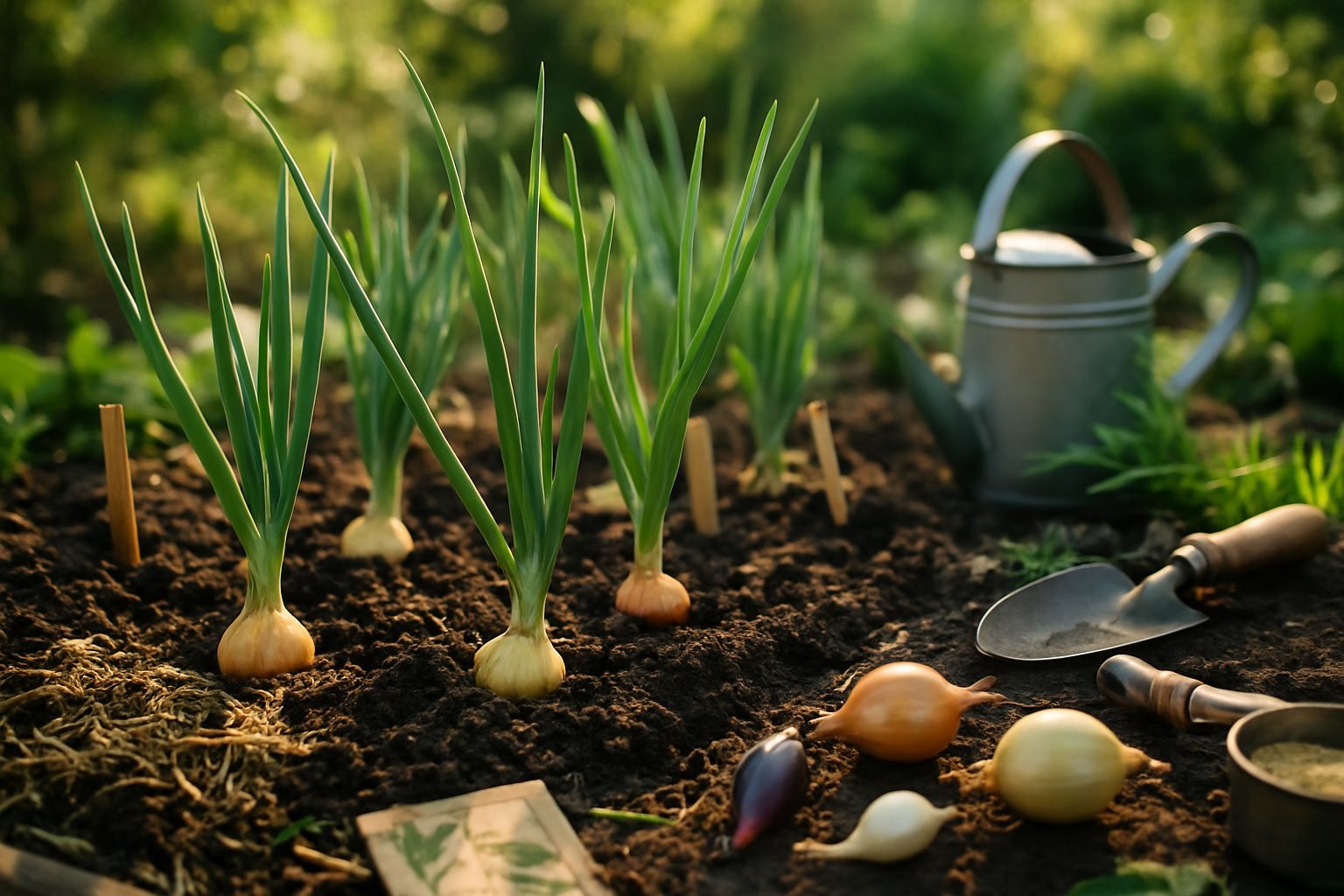
Getting Started with Growing Onions
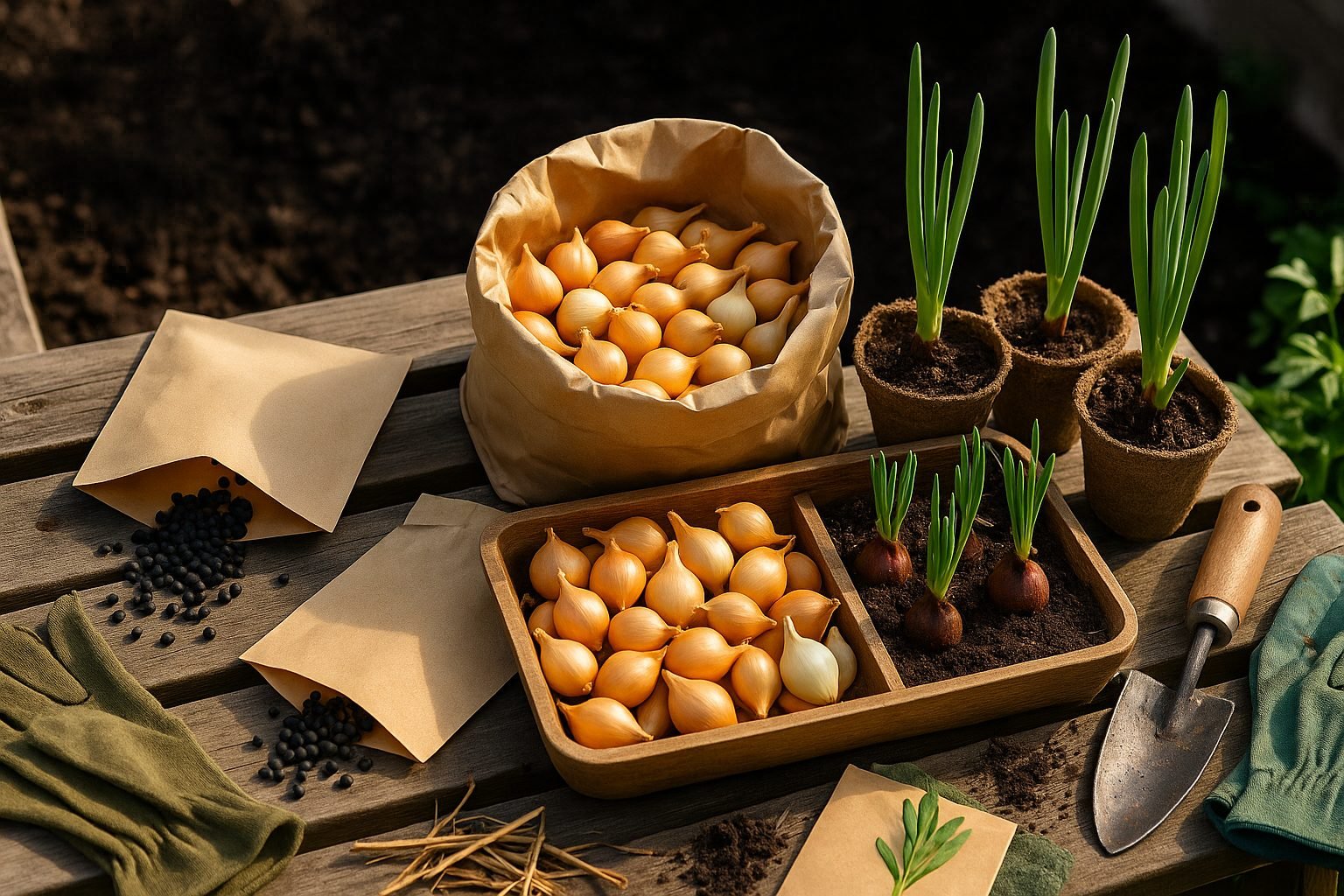
Curious about onion growing time and how to set your garden up for success? Whether you’re dreaming of fresh onions from your own backyard or just want to know how long onions take to grow, understanding your options is the perfect place to start. Onions can be grown from seeds, sets (small dormant bulbs), or transplants, each method offering distinct advantages.
Starting onions from seed provides the widest variety, but they take the longest to mature—sometimes up to 5 months. Onion sets sprout quickly and are great for beginners, as they require less fuss and tend to mature faster, usually within 3 to 4 months. Transplants, young plants from a nursery, offer a middle ground with reliable results and a slightly shorter growing period than seeds. The best choice depends on your region, timing, and gardening experience.
Location and Climate
Location and climate play a big role in onion growing time. Onions thrive in full sunlight and well-draining soil rich in organic matter. Soggy ground can lead to rot, while too little sun means small, underdeveloped bulbs. Choose a garden bed that gets at least 6 hours of sunlight daily and avoid areas where water pools after rain.
The right climate also matters: onions love cool weather during early growth but need warmer conditions to form bulbs, so be mindful of your region’s frost dates.
Onion Growing Timeline
Generally, onion plants follow a typical lifecycle: seed or set germinates in cool weather, sends up green shoots, and eventually forms a bulb as the days lengthen. The total growing season depends on your chosen method, but plan for anywhere from 90 to 150 days from planting to harvest.
With the right method and a bit of planning, you’ll soon enjoy crisp, homegrown onions—perfect for salads, sautés, and everything in between.
Choosing the Right Onion Types and Varieties
Picking the right type of onion for your garden starts with understanding the three main categories: long-day, short-day, and intermediate-day onions. These categories refer to the number of daylight hours onions need to form bulbs.
Long-day onions, like ‘Walla Walla’ or ‘Yellow Sweet Spanish’, require about 14–16 hours of daylight, making them ideal for northern regions with long summer days. Short-day onions such as ‘Texas Early Grano’ and ‘Red Creole’ need just 10–12 hours of daylight, so they thrive in southern states with milder winters and shorter summers. Intermediate-day varieties, like ‘Candy’ and ‘Red Candy Apple’, are great all-rounders for gardeners in central zones where daylight hours fall somewhere in between.
Matching the right onion type to your region is crucial—planting the wrong one often results in small bulbs or even none at all.
When choosing onions, consider your culinary needs too:
- Want a pungent onion for pickling or spicing up dishes? Try bold varieties like ‘Yellow Globe’.
- Prefer mild, sweet onions for salads? Go for ‘Vidalia’ or ‘Walla Walla’.
- If storage is your priority, look for thicker-skinned types like ‘Copra’ or ‘Stuttgarter’, which keep for months.
For a hassle-free experience, beginner gardeners should try easy, productive varieties like ‘Red Baron’, ‘Candy’, ‘Texas Super Sweet’, or classic ‘White Lisbon’ bunching onions. These are widely available as seeds or sets, forgive minor mistakes, and offer reliable harvests.
By understanding onion day-length requirements and picking varieties that fit your climate and kitchen, you’ll boost your chances of growing flavorful, beautiful bulbs year after year.
Preparing the Ground for Onions
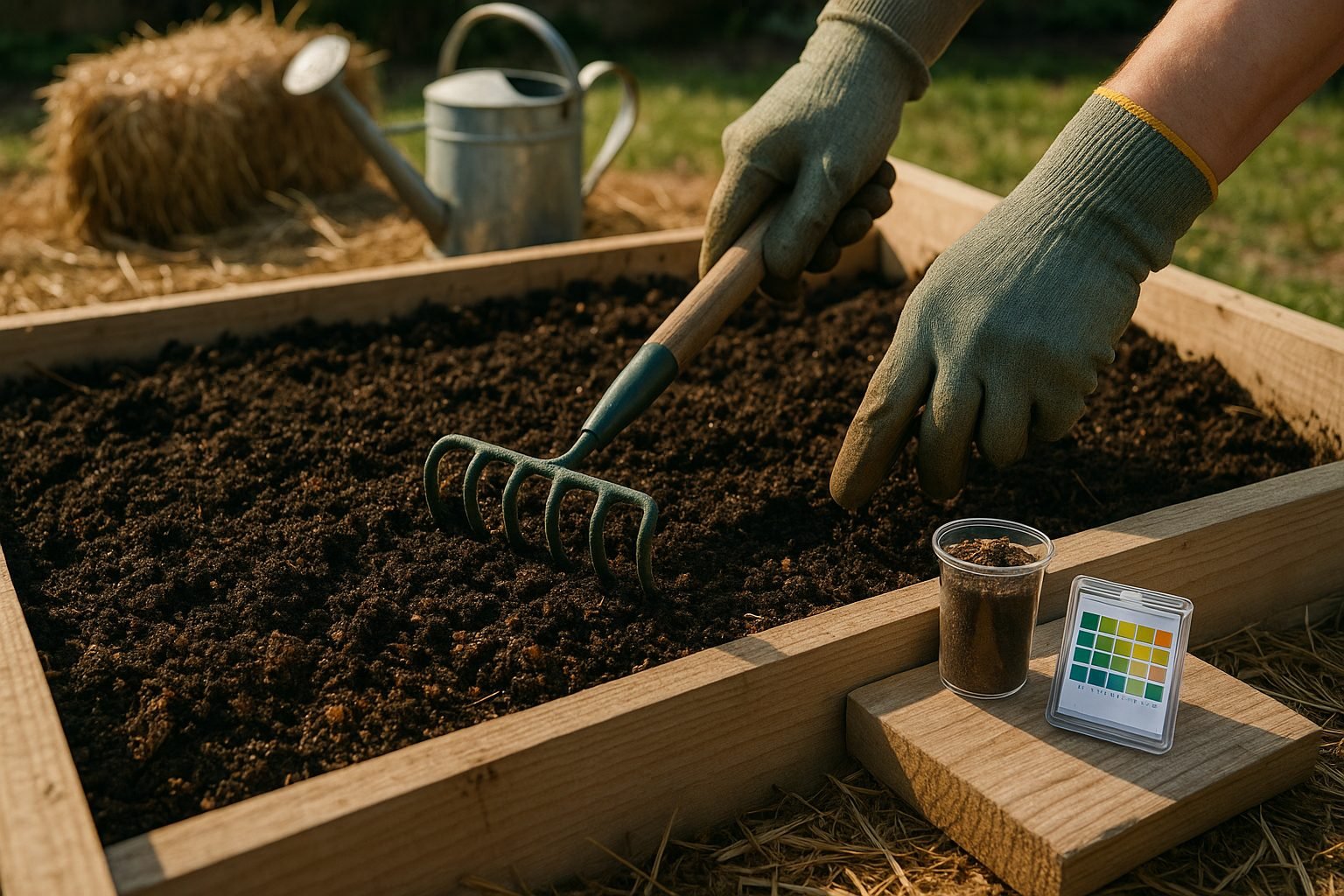
Getting your soil ready is the first step to growing healthy onions, and attention to detail here can make all the difference. Onions prefer loose, well-drained soil with a pH between 6.0 and 7.0—slightly acidic to neutral.
Before planting, test your soil’s pH with an inexpensive test kit, available at most garden centers. If your ground is heavy clay or overly sandy, mix in plenty of compost or well-rotted manure several weeks before planting. This not only feeds your onions but also improves soil texture and drainage. Ideally, add two to four inches of compost and blend it into the top six inches of soil. It’s best to do this in the fall, but early spring amendments work too, as long as the soil isn’t soggy.
Onions don’t like competition or diseases passed from prior crops, so rotate planting beds each year—don’t plant onions after garlic, leeks, or other alliums, as these can harbor soil-borne pests and diseases. Instead, follow onions after beans, peas, or brassicas for best results.
In raised beds, ensure the soil remains fluffy and well-aerated—these beds warm up faster in spring and drain well, which onions love. Water consistently but avoid soggy conditions, as onions are prone to rot if left in standing water.
Whether you’re working in raised beds or traditional garden rows, proper soil prep means less weeding, healthier plants, and bigger, tastier bulbs.
Sowing and Planting Onions
To start onions from seed indoors, sow seeds about ¼ inch deep in trays or pots filled with seed-starting mix, around 10–12 weeks before your last expected spring frost. Keep the soil moist and provide plenty of light—if possible, place trays near a bright window or under grow lights. Once seedlings reach about 3 inches tall, trim their tops to keep them tidy.
For direct sowing outdoors, wait until the soil is workable, typically in early spring when temperatures are above 50°F. Mark rows 12–18 inches apart and sow seeds ¼ inch deep, spacing them 1 inch apart.
When planting onion sets or transplants, space them 4–6 inches apart in rows, setting each bulb or seedling about 1 inch deep with the tip just above the soil.
Keep in Mind Onion Types
Short-day onions are best planted in mild-winter southern areas in late fall or winter, while long-day onions are suited to northern climates and are typically sown in early spring.
Labeling and Succession Planting
Use waterproof garden markers or write on popsicle sticks to keep track of onion varieties and planting dates. For a steady harvest, practice succession planting—sow or transplant new rows every few weeks during the early part of the growing season. Be sure to note planting intervals on a garden planner or calendar so you don’t miss a beat.
Onion Care Throughout the Season
Onion plants have specific care needs that change as they grow, and a few simple techniques can make a big difference. Early on, keep the soil consistently moist but never soggy—overwatering during sprouting can cause rot, while letting the soil dry out can stunt root growth later.
As bulbs begin to form, cut back on water to avoid split or disease-prone onions; aim for about one inch of water weekly unless heavy rains provide it. Fertilize with a nitrogen-rich mix every two to three weeks until bulbing starts, then stop to prevent excess leaves instead of good bulbs.
Mulching with straw or shredded leaves helps hold in moisture, keeps temperatures even, and blocks out weeds—just keep mulch an inch away from onion necks to reduce rot risk.
Weeds are fierce competitors for nutrients and water, so hand-pull weekly or use a hoe, making sure not to disturb shallow onion roots. Healthy, weed-free onions are much less vulnerable to pests like onion thrips or maggots.
For pest control, inspect plants regularly and use row covers if you spot early damage. In hot spells, mulch shields bulbs from sunscald, while during heavy rains, raised beds and well-drained soil stop rot.
By staying watchful and adjusting your care routine to each stage, you can grow strong, flavorful onions with fewer headaches.
Harvesting and Storing Onions
Knowing when to harvest onions is key to enjoying their best flavor and longest storage life. You’ll know your onions are ready when the green tops begin to yellow and fall over naturally—usually late summer for most varieties.
At this stage, gently loosen the soil with a fork and lift the bulbs out, taking care not to bruise them. Leave your freshly harvested onions on the soil for a day or two if the weather is dry, which helps start the curing process.
Then, move them to a well-ventilated, dry, and shaded area—like a shed or covered porch—so the outer skins dry thoroughly. This typically takes two to three weeks. It’s important to spread them out in a single layer or hang them in mesh bags to ensure air circulation and prevent mold.
Once the necks are completely dry and papery, trim off the roots and cut the tops to about one inch. Store your cured onions in a cool, dry, dark place—such as a basement or pantry—ideally at 30-50°F with low humidity to slow any sprouting or spoilage.
Avoid storing them in plastic bags, as trapped moisture can cause rot; mesh bags, baskets, or even old pantyhose work great.
Enjoying and Preserving Your Onions
To enjoy onions year-round, use them fresh in salads, salsas, or stir-fries, or preserve them by:
- Pickling
- Freezing chopped onions
- Dehydrating for soups and casseroles
Taking these steps will extend your onion bounty and ensure you have flavor-packed bulbs whenever you need them.
Troubleshooting Onion Problems
Onions can fall prey to common pests like onion maggots and thrips, as well as diseases such as downy mildew and white rot. To keep pests at bay, use floating row covers early in the season and remove plant debris after harvest.
Prevent fungal diseases by watering at the base and ensuring good air circulation between plants. Crop rotation is crucial—avoid planting onions or their relatives in the same spot for at least three years to prevent soil-borne issues.
If your onions start to bolt (send up a flower stalk), it’s often due to temperature swings or transplant shock. Snip off stalks early, and start with sets or seedlings that haven’t been stressed.
Small bulbs usually result from overcrowding or inadequate sunlight. Thin seedlings to allow 4 inches between plants and choose a spot with full sun.
Yellow leaves can signal overwatering, poor drainage, or fertilizer imbalance. Always water deeply but infrequently, and test soil before adding nutrients.
Composting regularly and staying vigilant about weeds will also help your onions thrive year after year, ensuring healthier, more productive crops.