Why Preparing Kale Properly Matters
If you’ve ever recoiled from bitter kale leaves during your salad prep, you’re not alone—many home cooks find kale’s natural bite surprising at first taste. But don’t let the bitterness turn you away from this nutritional powerhouse. Kale offers a unique texture: hearty, earthy, and satisfyingly crisp, all while being loaded with vitamins A, C, and K, as well as minerals like calcium and iron.
However, that same character also means it can sometimes taste tough or unwelcomingly sharp if handled straight from the market. The culprit? Compounds called glucosinolates, which are especially concentrated in mature or improperly prepared leaves.
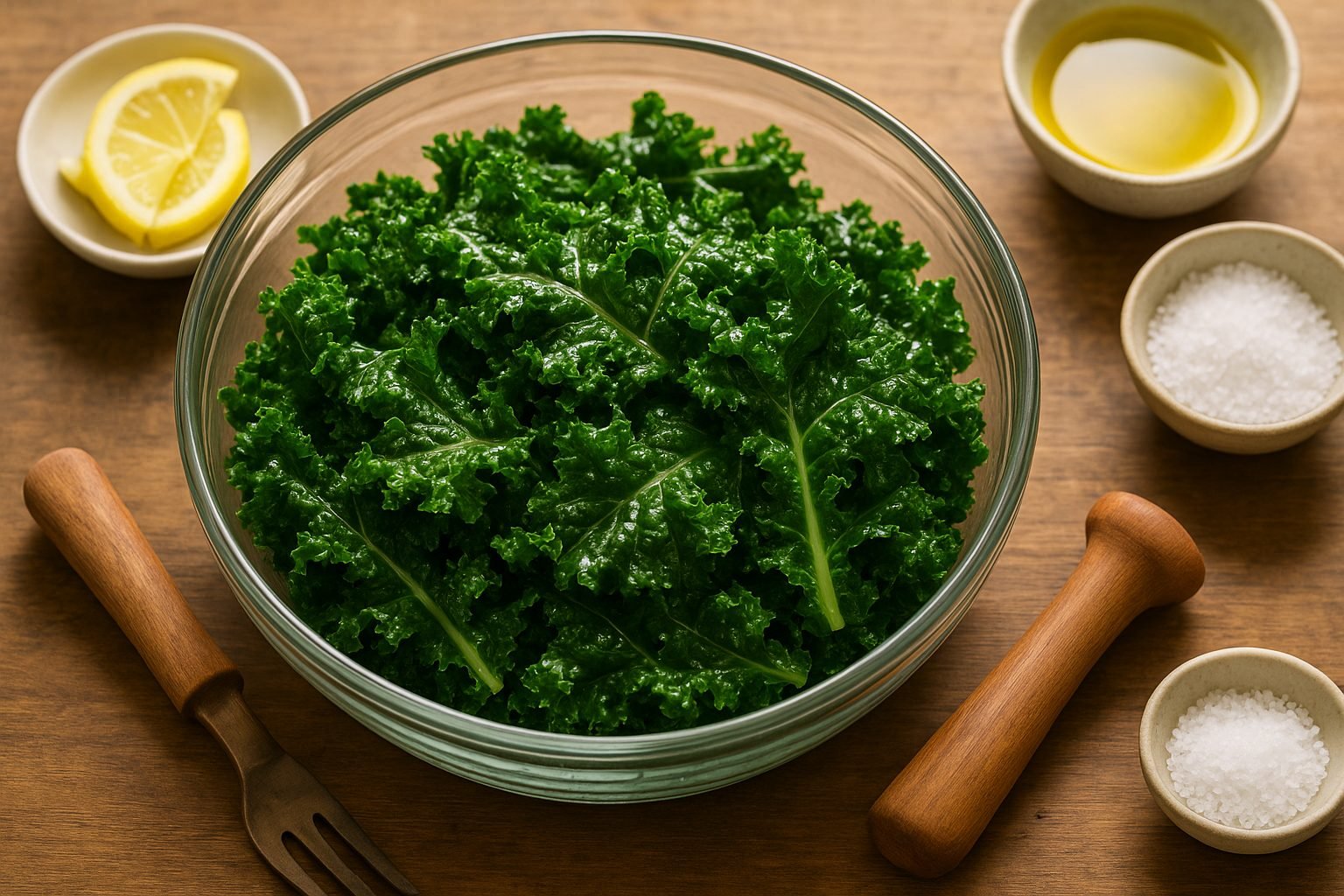
The good news is that bitter kale leaves don’t have to stay that way. Proper preparation is key. Massaging raw kale leaves with a drizzle of olive oil and a sprinkle of salt doesn’t just soften their fibrous structure—it triggers chemical changes that mellow bitterness and release more tender, sweet notes.
For heartier dishes, quick steaming or sautéing works wonders: heat breaks down those tough cell walls, creating a softer bite and milder taste. And if you’re making a fresh salad, try removing the central stems—they’re often the most bitter part.
Small changes can completely transform your kale experience. Whether you’re tossing it into a salad, blending it into a smoothie, or sautéing it for a simple side, a little prep goes a long way. Next time you encounter bitter kale leaves, remember it’s not a sign to toss them, but an invitation to use easy kitchen tricks to bring out their best qualities. Your taste buds—and your body—will thank you for making the extra effort.
Choosing and Prepping Fresh Kale
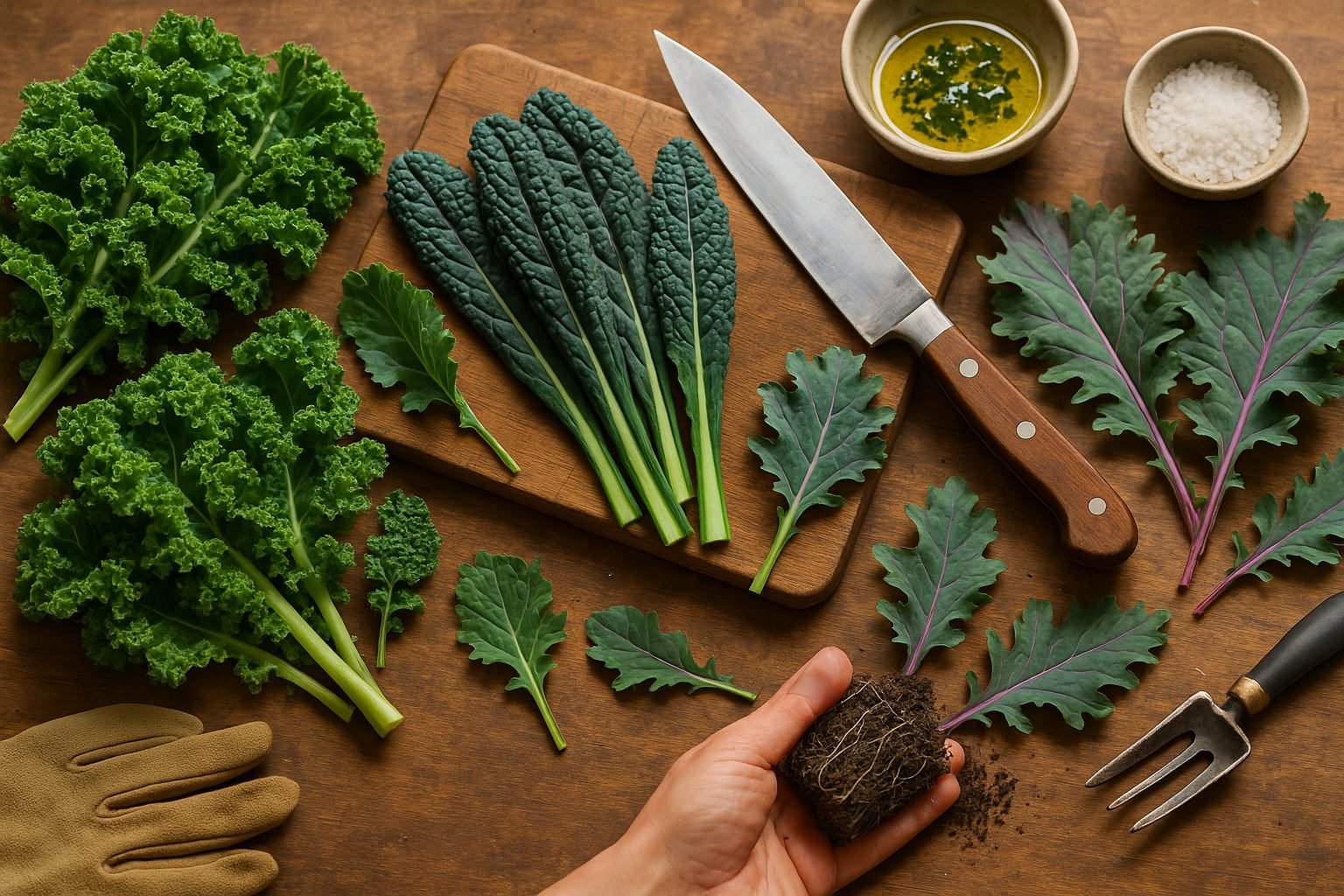
When choosing kale at the store or market, look for vibrant, crisp leaves—curly, Lacinato (also called dinosaur), and Red Russian are all great picks, each with a unique flavor and texture. Curly kale is sturdy and peppery, excellent for chips or sautés; Lacinato is tender with a mild taste; and Red Russian is softer, perfect for salads.
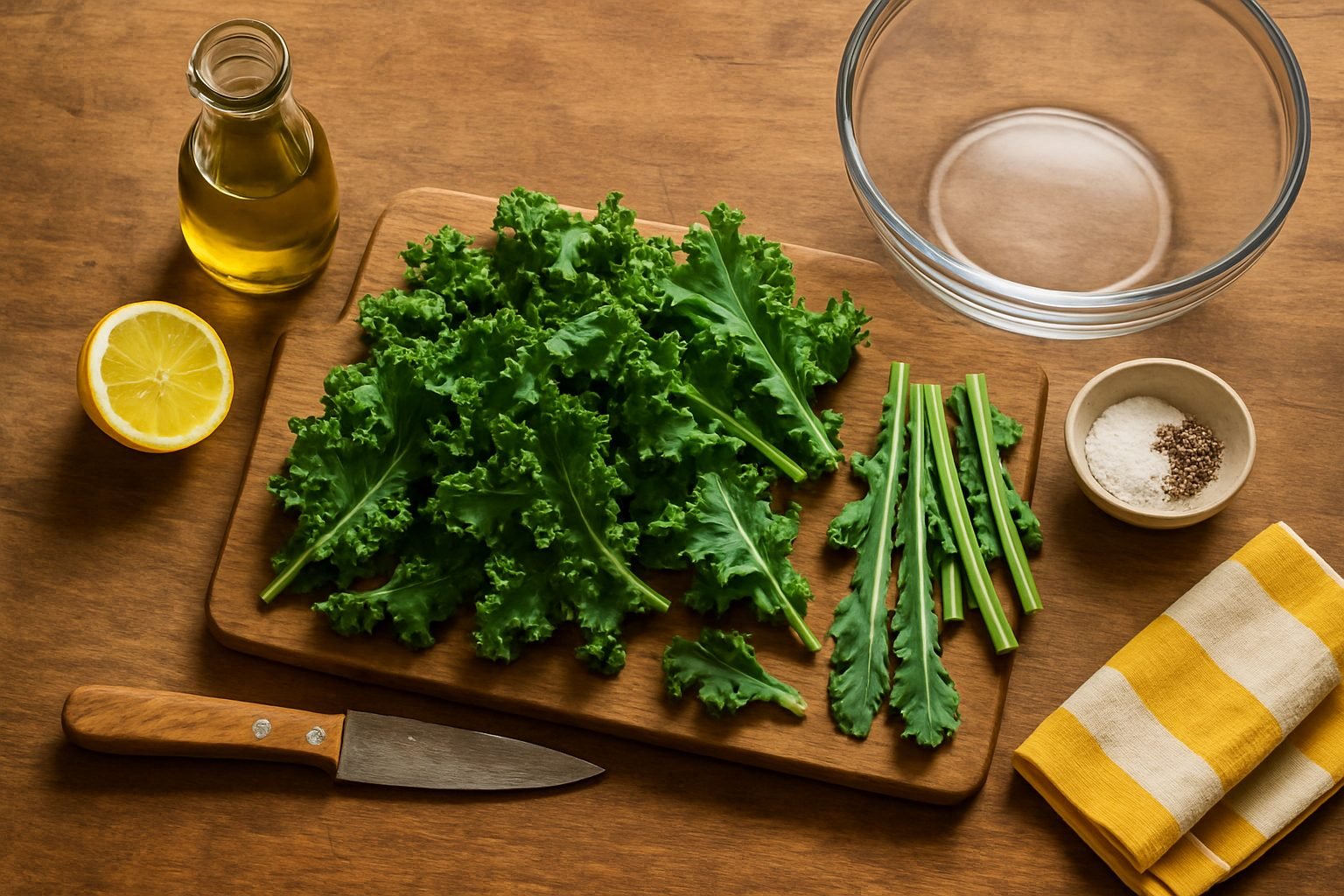
Once home, rinse kale thoroughly under cold water—grit and dirt often hide in the nooks, so swish the leaves in a large bowl of water if needed. Dry them well using a salad spinner or by patting with clean towels; wet leaves won’t crisp or mix well in salads. Don’t forget to remove the tough stems: just fold the leaf in half and slice them out with a knife, or strip the leaf from the stem by hand.
For storage, wrap washed and dried leaves in a paper towel, place them in a loose plastic bag, and refrigerate—they’ll stay fresh for up to a week.
Common Mistakes to Avoid
- Neglecting to dry your leaves, which makes roasted kale soggy.
- Using stems, which contribute to bitterness and chewiness.
- Letting the greens sit too long at room temperature, as they wilt quickly.
Taking these extra prep steps ensures your kale stays fresh, vibrant, and tasty in any dish.
Massaging Kale for Salads: The Step-By-Step Method
If you’ve ever found kale too tough or bitter for salads, massaging is the secret trick that transforms it into a tender, delicious green. Massaging kale breaks down its fibrous structure, making it easier to chew and digest, while also mellowing out bitterness for a sweeter, more appealing flavor.
Start by removing the tough stems and tearing the leaves into bite-sized pieces, then place the kale in a large bowl. Drizzle with a tablespoon of olive oil, a squeeze of fresh lemon juice, and a generous pinch of salt—these ingredients help soften the leaves and brighten the flavor.
With clean hands, gently rub and squeeze the kale for about two to three minutes. You’ll notice the leaves turning darker and shrinking in volume; this is a sign they’re becoming tender. Stop massaging once the kale feels softer but still holds some structure—going too far can leave it mushy or soggy.
To avoid over-massaging, periodically check the texture by tasting a piece; it should be pleasant to chew, not limp. For an extra burst of flavor, try adding thinly sliced garlic, a sprinkle of red pepper flakes, or a handful of grated parmesan.
Massaged kale is the perfect base for hearty salads, pairing well with crisp apples, toasted nuts, or dried cranberries for a simple but vibrant dish.
Cooking Methods for Tender Kale
When it comes to transforming kale from tough and bitter to tender and tasty, the cooking method really matters. Sautéing is a fast and easy go-to: simply heat olive oil in a skillet, toss in washed and chopped kale with a sprinkle of salt, and cook over medium-high heat for 5-7 minutes, stirring until the kale is wilted and bright green. This method softens the leaves while unlocking a nutty, rich flavor that’s perfect for adding to grain bowls or pasta.
Steaming is another gentle option—place kale in a steamer basket over simmering water, cover, and steam for 5-10 minutes. This keeps most of the nutrients intact and results in a tender, subtle-tasting green ideal for mixing into salads or serving as a healthy side.
If you want to tame kale’s bitterness, blanching is a smart move: drop the kale into boiling salted water for 2-3 minutes, then quickly transfer it to an ice bath. This hot-cold shock reduces bitterness and preserves color, making kale perfect for chilled salads or as a prep step before adding it to soups.
Roasting kale delivers a crispy bite. Toss dry kale leaves with a touch of oil and your favorite seasonings, spread them on a baking sheet, and roast at 350°F for 10-15 minutes. The edges crisp up nicely, giving you those coveted kale chips that are great for snacking or crumbling over dishes for crunch.
Wondering about bitterness? Both blanching and roasting are especially effective at mellowing strong flavors—just avoid overcooking, as kale can become mushy and lose its vibrancy. For all methods, remove tough stems before cooking to ensure even tenderness.
If you find kale too chewy, try cooking it a minute longer next time, but watch closely since just a minute or two can make the difference between perfectly tender leaves and a limp, overdone mess. Try each method to see what suits your taste and use kale as a nutrient-dense addition to omelets, stir-fries, or even smoothies—a little kitchen experimentation goes a long way.
Reducing Kale’s Bitterness and Enhancing Flavor
Kale’s signature bitterness comes from natural compounds called glucosinolates, which serve as a defense mechanism for the plant. This bitterness can sometimes be overpowering to sensitive palates. However, preparation methods can make a big difference in taming this bitterness and bringing out the best in kale, whether you’re enjoying it raw or cooked.
For raw kale, massaging the leaves with a bit of olive oil and salt not only tenderizes them but also helps break down tough fibers and reduces the bitter taste. If you’re short on time, blanching kale—briefly submerging the leaves in boiling water, then shocking them in ice water—can mellow bitterness without making the greens mushy. Acidic ingredients like lemon juice or vinegar further balance the bitterness by brightening the flavor and making salads more appetizing.
In cooked dishes, sautéing kale with garlic, onions, or shallots adds natural sweetness that offsets harsh notes, while roasting brings out nutty undertones. Layering flavors is key:
- Try pairing kale with nuts like almonds or walnuts for crunch
- Toss in dried cranberries or apple slices for sweetness
- Add creamy cheeses like goat cheese or feta for richness
Dressings with mustard, balsamic, or honey can elevate kale’s flavor profile, and don’t forget a pinch of warming spices like cumin, smoked paprika, or chili flakes. By combining these techniques and complementary flavors, even kale skeptics may find themselves coming back for seconds.
Quick Prep and Meal Ideas with Kale
If you’re short on time but still want a nutrient-packed meal, kale is your secret weapon. For a fast salad, start by massaging de-stemmed kale leaves with a drizzle of olive oil and a pinch of salt for 1–2 minutes—this softens the leaves and makes them more palatable.
Toss in quick toppings like cherry tomatoes, canned beans (rinsed), sliced cucumbers, shredded carrots, or thin red onions. Add-ins like roasted chickpeas, grilled chicken strips, or cubed tofu bump up the protein and make your salad more filling. For a fun crunch, sprinkle in toasted nuts or seeds, and finish with a simple dressing like lemon-tahini, balsamic vinaigrette, or a dash of olive oil and vinegar.
If you’re craving something warm, sauté kale in a pan with a splash of olive oil and garlic for about 3–4 minutes until it wilts. Then top with a fried egg or combine with leftover grains like quinoa or brown rice for a hearty bowl.
Mix-and-Match Bowls
Mix-and-match bowls are the ultimate in flexibility and speed:
- Layer a base of greens or cooked kale
- Add a grain (microwaveable brown rice or farro works great)
- Toss on a protein (look for pre-cooked chicken, canned salmon, or marinated tofu)
- Finish with your favorite veggies—think roasted sweet potatoes, avocado slices, or pickled onions
Drizzle everything with your dressing of choice, like a Greek yogurt ranch or spicy sriracha mayo, and you’re set.
Make Meal Times Even Easier
To make meal times even easier, prep a big batch of washed and chopped kale at the start of the week and store it in an airtight container with a paper towel to absorb moisture. This makes it easy to grab a handful for salads, stir-fries, or soup without extra fuss. You can even pre-massage kale, as it holds up well for several days and gets more tender over time.
Try throwing a handful in your smoothie for a sneaky nutrient boost. With these tips and a stocked fridge, quick and flavorful kale dishes are always just a few minutes away.
Frequently Asked Questions and Troubleshooting
When it comes to kale salads, people often wonder: should you massage the kale, and if so, for how long? The answer is yes—massaging raw kale for just 1-2 minutes helps break down its tough fibers and creates a softer, more palatable texture. Simply drizzle the leaves with olive oil or a squeeze of lemon juice, then rub them gently with your hands until they darken and shrink slightly.
A common question is whether it’s okay to eat the stems. While kale stems are edible, they can be fibrous and bitter. For raw dishes, it’s best to remove and finely chop or sauté them before adding to soups or stir-fries.
Parents frequently ask if kale is kid-friendly; the key is to introduce it slowly. Try blending kale into smoothies with sweet fruits or baking it into crispy chips—most kids will love the crunch and slightly salty taste.
Troubleshooting Kale Issues
Troubleshooting kale problems is part of the process, and even experienced cooks run into issues.
- Mushy kale: If your cooked kale turns out mushy, it’s likely been overcooked. Steam, sauté, or boil kale for just a few minutes until bright green and slightly tender—then taste-test for the perfect texture.
- Excessive bitterness: Soaking kale in cold water before cooking or pairing it with sweet or acidic ingredients like apples or balsamic vinegar helps balance the flavor.
- Tough or chewy kale: If your cooked kale is tough or chewy, it probably didn’t cook long enough or needed a bit more massaging beforehand.
Don’t hesitate to experiment: try baby kale for a milder flavor, add different dressings, or mix kale with other greens. Kale’s nutritional benefits are worth the effort, offering tons of vitamins and antioxidants—so keep exploring different preparations, and you might just find a new favorite way to enjoy this versatile green!