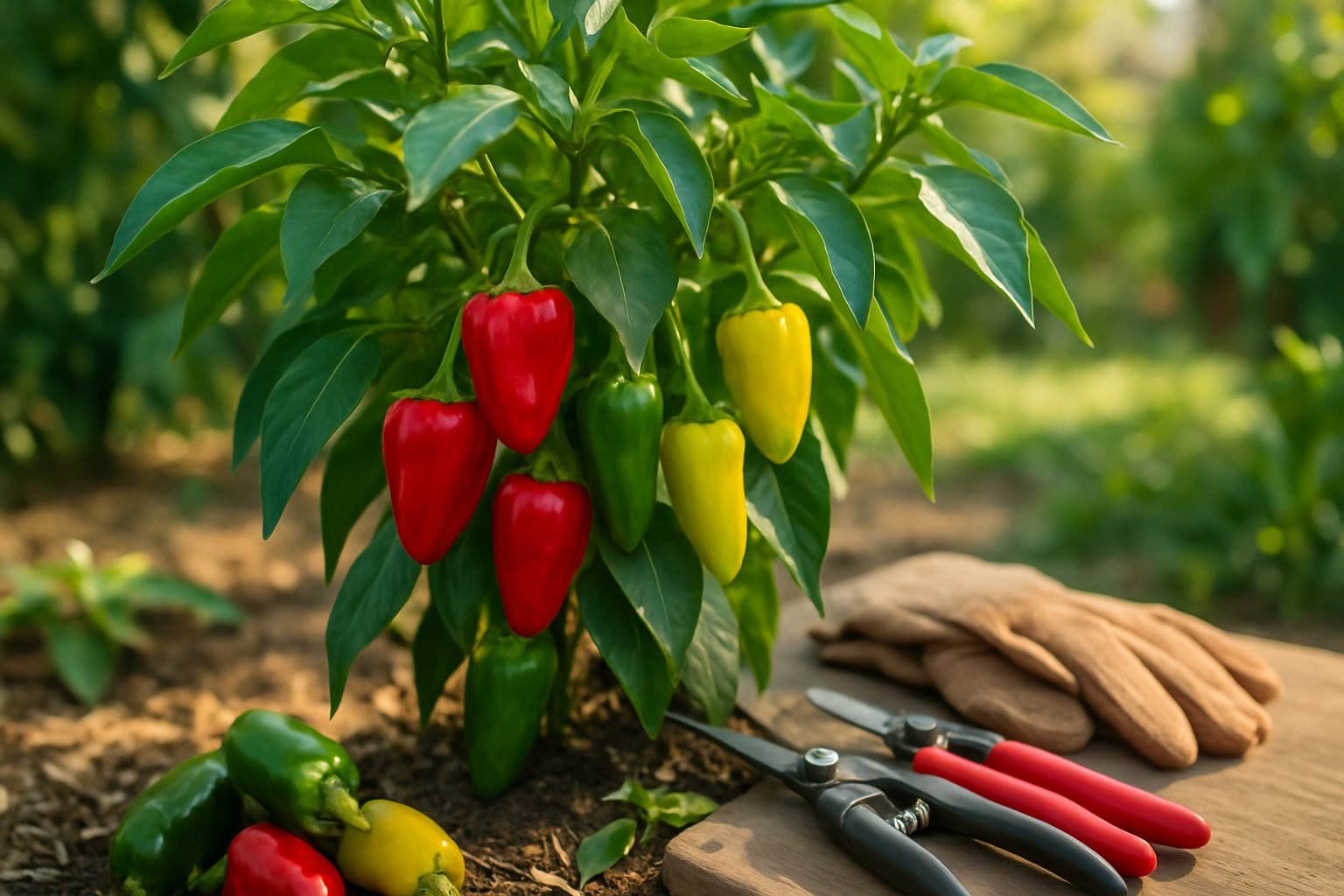
Introduction to Pruning Pepper Plants
Pruning hot peppers might seem intimidating at first, but it’s a simple gardening trick that can make a huge difference in your harvest. Pruning means carefully removing certain leaves, branches, or shoots from your pepper plants. Why bother? Consistent pruning helps your plants stay healthier, focus energy on growing fruit, and ultimately produce more peppers than ever.
Even just snipping away crowded or damaged branches can boost airflow, reduce disease risk, and make it easier to manage your plants as they grow taller and bushier. Want bigger, juicier hot peppers? Regular pruning encourages the plant to put its resources into fruit production rather than excess leaves or unruly branches.
Beyond better yields, pruning hot peppers also makes daily care less of a hassle by keeping your garden tidy and accessible. Whether you’re tending a single jalapeño in a container or a whole row of habaneros, the right strategies can transform your results.
In this article, you’ll get easy-to-follow, practical tips on how and when to prune your pepper plants for healthier growth and more abundant fruit—no complicated tools or expert skills required. Get ready to give your hot peppers the boost they deserve!
Why and When to Prune Pepper Plants
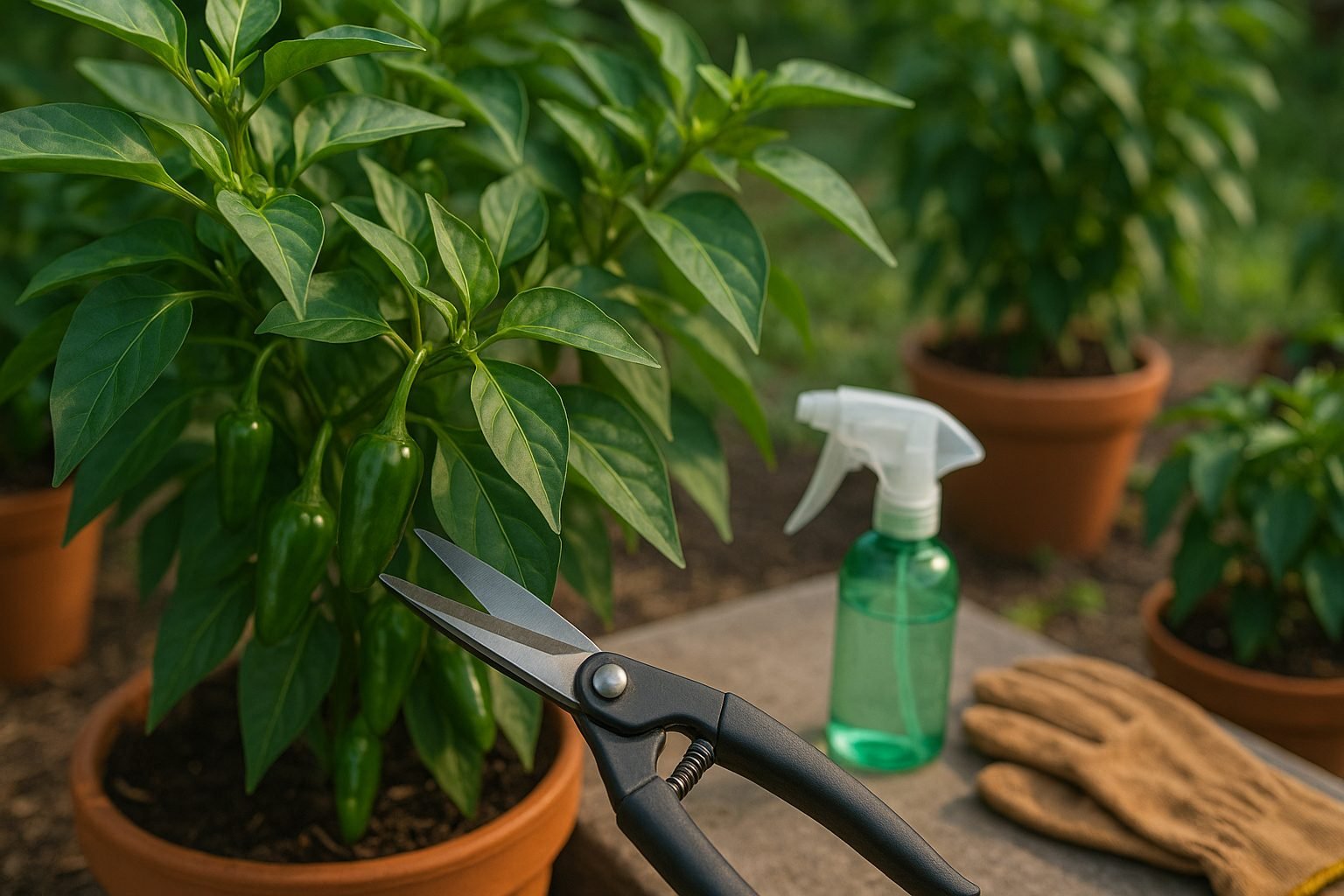
Pruning pepper plants can make a big difference in the health and productivity of your garden. The main reasons to prune are to encourage stronger, bushier growth, reduce the risk of disease by improving airflow, manage plant size (especially in small spaces or containers), and help the plant focus its energy on producing larger, tastier fruit.
Pruning isn’t a one-size-fits-all approach, though—hot peppers and compact varieties sometimes need less pruning than tall, sprawling bell pepper types. It’s best to start pruning after transplanting young plants, removing any yellowing leaves or intertwined branches early on to prevent crowding.
Another good time to prune is during early fruiting, when you can thin excess foliage to boost air circulation and sunlight. This helps peppers ripen evenly and minimizes fungal diseases. Late in the season, snipping off new flower buds or tiny, undeveloped fruits lets the plant channel nutrients into ripening the existing peppers before the first frost.
Watch for signs like leggy stems, dense, tangled growth, yellow or diseased leaves, or slow fruit development—these mean it’s time to reach for your pruners.
As a practical tip, always use clean, sharp shears and avoid heavy pruning during extreme heat or when the plant is flowering heavily, as this can stress the plant. With the right timing and technique, pruning helps your pepper plants stay healthy and loaded with flavorful fruit.
Tools and Preparation for Pruning
Before you start pruning, make sure you have the right tools at hand: sharp pruning shears or scissors for clean cuts, a sturdy pair of gardening gloves to protect your hands, and some disinfectant like rubbing alcohol or a diluted bleach solution. Cleaning your tools before and after use helps prevent the spread of diseases from plant to plant.
It’s a good idea to wipe blades between each plant or whenever you spot any signs of disease. Safety is key, so wear gloves to avoid scratches and keep your work area free of tripping hazards like hoses or stray pots. Lay down a tarp to collect clippings, making cleanup fast and keeping your garden tidy.
Choose a dry, mild morning or late afternoon for pruning—this avoids exposing fresh cuts to harsh midday sun and helps reduce the risk of moisture-loving pathogens entering the wounds. With a little prep, your pruning session will be safer, easier, and more effective for your plants.
Step-by-Step Guide to Pruning Pepper Plants
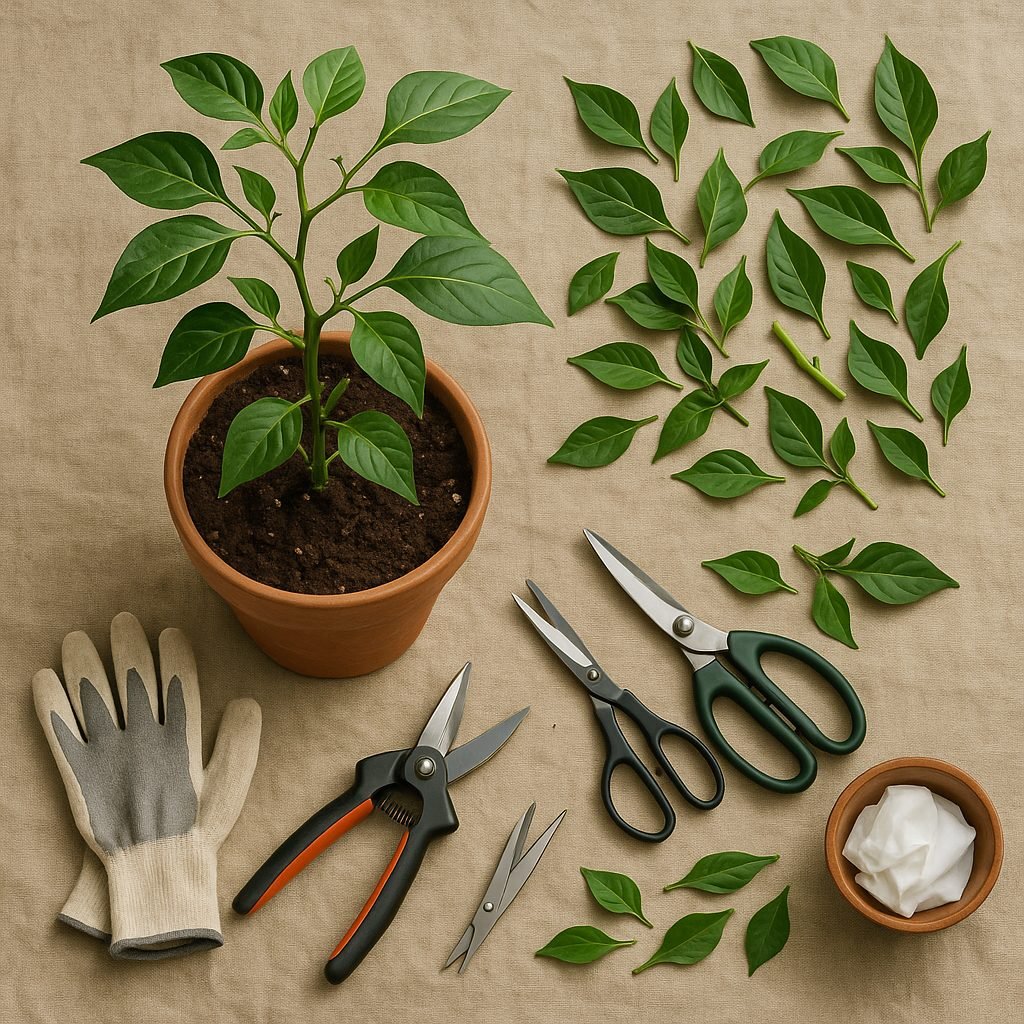
Pruning pepper plants is a simple way to boost their growth, but the technique varies depending on their stage of life.
For seedlings—once they reach about six inches tall and have several sets of true leaves—you can pinch off the very top set of leaves using clean fingers or scissors. This “topping” step encourages your plant to branch out early, resulting in bushier growth.
As the pepper matures, look for “suckers,” which are small shoots growing in the crotch between the main stem and a leaf branch. With clean, sharp snips, remove these suckers, as they can drain energy from fruit production.
On young but established plants, continue to remove weak or crowded inner branches to boost airflow; this helps prevent diseases like powdery mildew.
For mature pepper plants, cut away excess foliage—especially lower leaves that touch the soil or crowded inner leaves—using sterilized pruning shears. Always cut just above a node (the spot where a leaf meets the stem), as this encourages new growth.
Be careful not to over-prune; removing more than one-third of the plant at a time can stress it and stunt fruiting. If you accidentally snip too aggressively or the plant looks bare, give it some extra water and limit further pruning until it recovers.
Remember, the goal is to open up the canopy for sunlight and airflow, not to strip the plant. Regular, gentle pruning leads to healthier, more productive pepper plants without unnecessary setbacks.
Special Considerations (Flower Pruning and Late Season Tips)
When growing peppers, knowing when and whether to remove early flowers or buds can be key to a productive season. Pinching off the first blooms—especially on young, small plants—allows energy to go into building strong roots and foliage, often resulting in a larger harvest later on. However, this also delays the start of fruiting, so if you live in a short growing season or want early peppers, let those first flowers stay.
As the season winds down, late-season pruning becomes helpful: snip off the growing tips and any small flowers or developing fruits about a month before your area’s average last frost. This practice, sometimes called “topping,” signals the plant to direct remaining energy into ripening the fruit it already has, rather than starting new ones that won’t mature in time.
Keep in mind, pruning techniques can vary by pepper type and your local climate:
- Hot varieties like habaneros have a longer ripening cycle, so start pruning earlier.
- Quick-maturing bells can be pruned a bit later.
- In cooler or shorter-season climates, being more aggressive with late pruning increases your chances of bringing peppers to full color before frost hits.
Always use sharp, clean scissors or pruners to avoid damaging the plant or spreading disease.
Pepper Plant Aftercare and Recovery
Right after pruning your pepper plant, it’s essential to give it some extra attention to support recovery. Water the plant thoroughly, but avoid overwatering—pepper roots need to breathe, and soggy soil can lead to root rot.
A gentle feeding with a balanced, diluted liquid fertilizer a few days after pruning can encourage strong new growth without stressing the plant. Keep an eye out for signs of shock, like wilting or yellowing leaves; if you notice any, move the plant to a spot with partial sun until it bounces back.
Within a week or two, you should see promising signs of recovery: fresh green shoots emerging at cut points and increased bushiness as the plant redirects energy to new branches. Encourage air circulation around the plant to prevent pests and disease, and remove any damaged leaves promptly.
To maximize your harvest, continue regular watering and feeding schedules, and gently pinch off early flower buds for a few weeks—this helps the plant focus on producing more robust peppers later in the season. Remember, a little patience after pruning goes a long way; consistent care now means a healthier plant and a bountiful harvest down the road.
Frequently Asked Questions About Pruning Peppers
Pruning peppers can seem intimidating, but with the right approach, it’s a useful tool for healthier, more productive plants. One common concern is over-pruning—yes, you can prune peppers too much. Removing more than a third of the foliage at once can stress the plant and slow its growth.
Many gardeners worry that pruning might delay the harvest, and it’s true that cutting back plants early in the season may temporarily slow fruit production. However, careful pruning encourages sturdy growth and can result in higher yields over time.
Pruning techniques can differ for peppers grown in the ground versus containers. Container-grown plants often benefit from lighter pruning since their root systems have less space to recover. In either case, always use clean, sharp tools to prevent damage.
Pruning also helps reduce disease and pest problems by improving airflow and making it easier to spot issues early. For example, removing crowded inner branches lets light reach more of the plant, keeping leaves dry and less hospitable to fungus or insects.
Remember to prune in moderation, watch how your plant responds, and adjust your approach for the healthiest pepper crop possible.