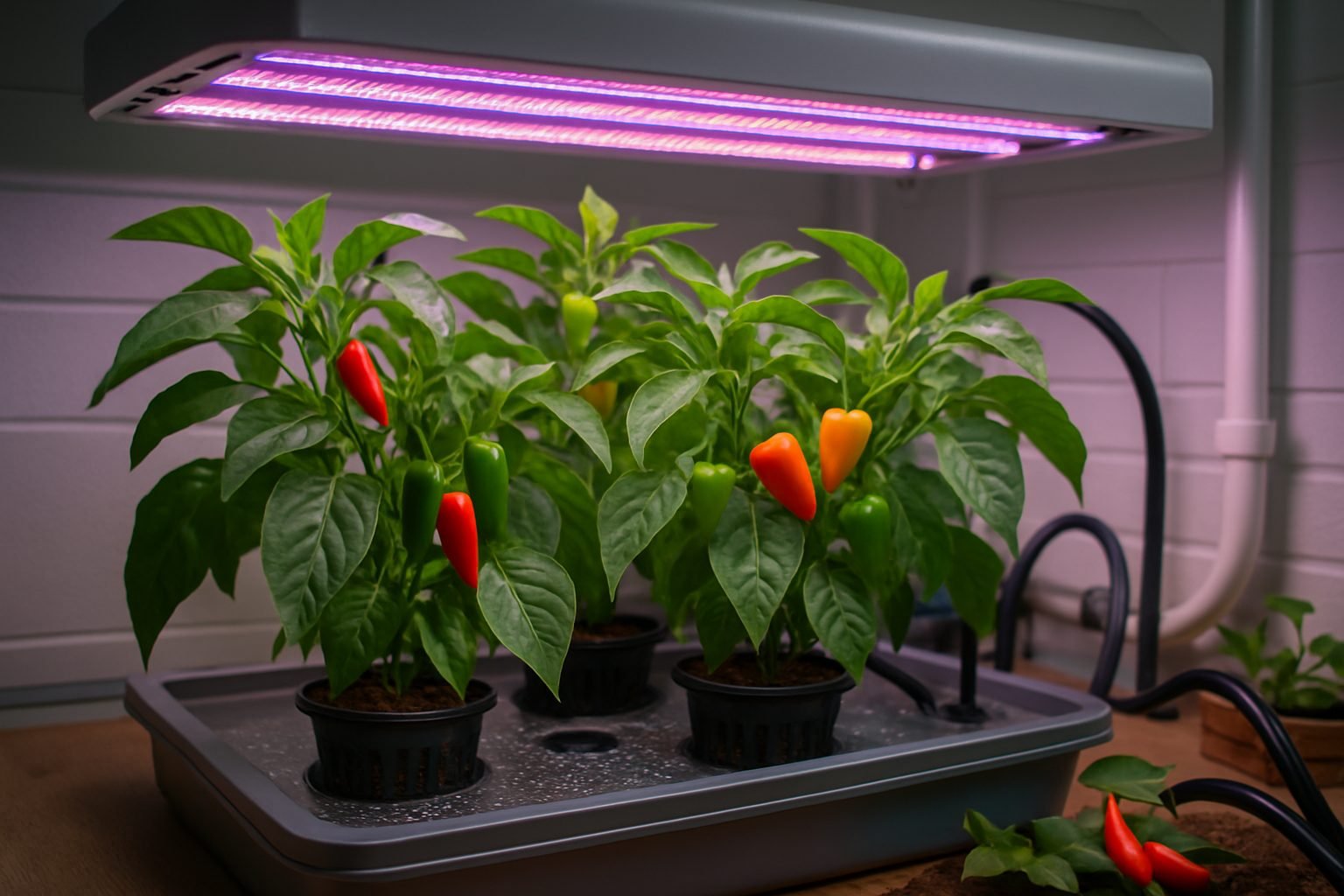
Introduction to Hydroponic Pepper Growing
Hydroponic hot peppers are gaining popularity among gardeners seeking innovative ways to grow their own spicy harvests. Hydroponics—the practice of cultivating plants without soil using nutrient-rich water solutions—has surged in popularity thanks to its efficiency and control. Whether you’re short on space, aiming for faster plant growth, or hoping to enjoy homegrown peppers year-round, hydroponic systems offer a practical solution for chili enthusiasts.
With the right setup, you can eliminate many common soil pests, precisely control your plants’ nutrient intake, and increase your yields in a compact environment—making hydroponics especially appealing for those who love the heat and flavor of hot peppers. In this article, we’ll explore why hydroponic hot peppers are a fantastic option for modern gardeners, discuss the best varieties to grow, outline the equipment you’ll need, and share step-by-step tips for success.
You’ll also find troubleshooting advice for common challenges and inspiration from real-world growers who have turned their kitchens and basements into vibrant pepper-producing hubs. Whether you’re a curious beginner or a seasoned chili grower, this guide will help you confidently start your own hydroponic pepper adventure.
Choosing the Best Hydroponic System for Peppers
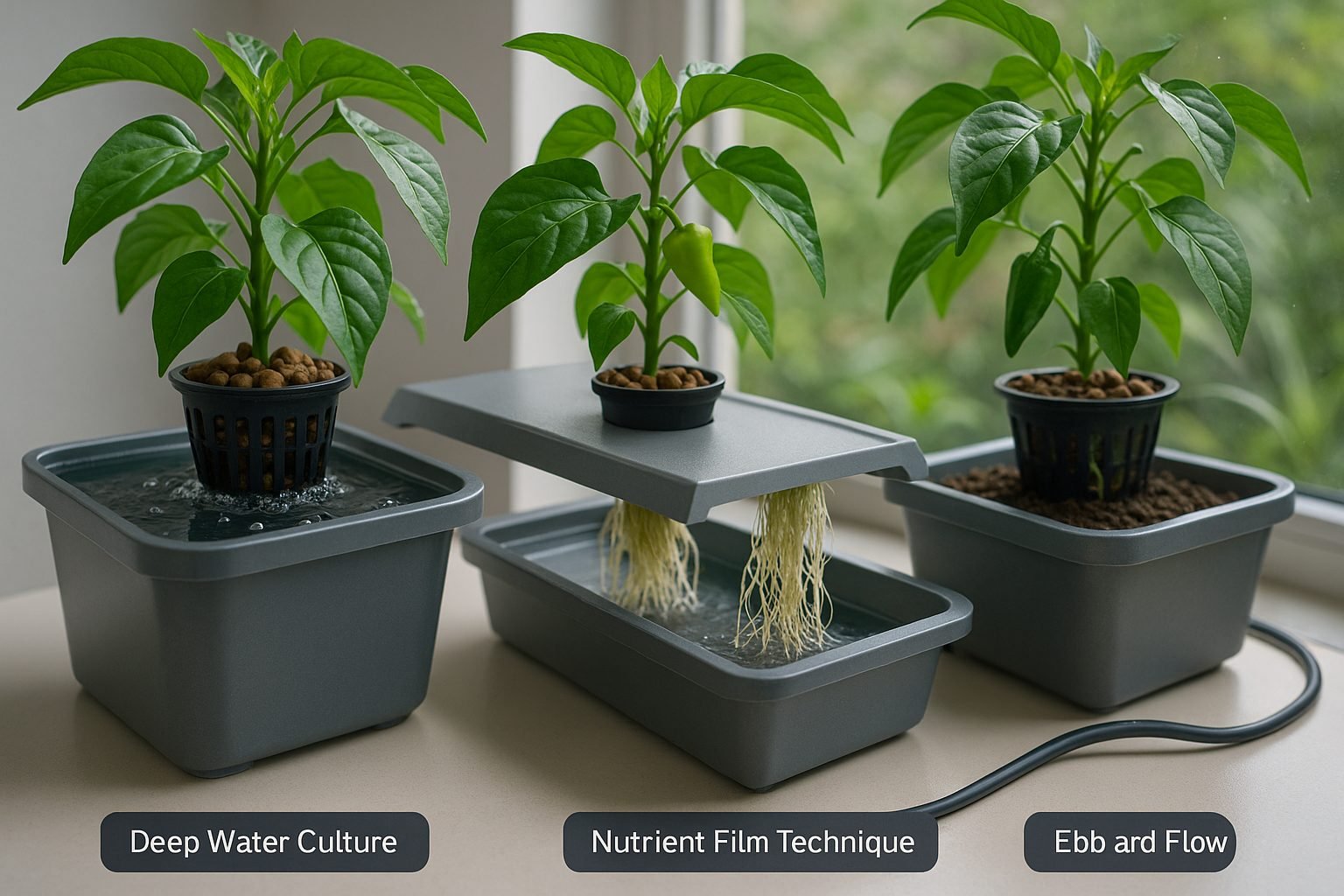
When it comes to growing peppers hydroponically, three popular systems to consider are Deep Water Culture (DWC), Nutrient Film Technique (NFT), and Ebb and Flow (flood and drain).
DWC is often recommended for beginners thanks to its simplicity: plants grow in net pots suspended above nutrient-rich, aerated water. Peppers thrive here because they have constant access to oxygen and nutrients, leading to rapid root growth. The main downside is potential root rot if aeration or water maintenance lapses.
NFT involves a thin film of nutrients continuously flowing over the roots. This method saves space and water, but peppers’ larger root systems can clog channels, making it better suited for small varieties or experienced growers willing to monitor closely.
Ebb and Flow systems periodically flood the root zone before draining, mimicking natural wet-dry cycles. Peppers benefit from the oxygen boost during draining, and the setup can support more plants at once. However, these systems require timers and slightly more maintenance to ensure proper flooding.
For beginners, DWC is a cost-effective, low-maintenance choice, ideal if you have limited space, such as a small closet or balcony. NFT works well for small-scale operations or hobbyists with plenty of monitoring time, while Ebb and Flow is great for larger yields if you have a dedicated grow area and a higher budget for equipment.
Always start small, consider plant size and tendency to sprawl, and focus on a system you’ll find easy to keep clean and running smoothly.
Key Requirements for Thriving Hydroponic Peppers
Growing hydroponic peppers successfully hinges on carefully maintaining a few key conditions. Start with water temperature: peppers thrive when the root zone remains between 65°F and 75°F. Temperatures that dip too low can slow growth, while higher temps increase the risk of root diseases—consider an aquarium heater or chiller for temperature control.
Next, keep your nutrient solution’s pH between 5.8 and 6.3; this narrow range allows peppers to absorb essential nutrients efficiently. Use a digital pH meter for easy daily checks and gentle corrections with pH up or down solutions.
Electrical conductivity (EC) measures nutrient strength and should generally be kept between 2.0 and 3.5 mS/cm, though seedlings and young plants prefer the lower end. Use a reliable EC meter and adjust your solution weekly—aiming for consistent levels prevents nutrient lockout or burn.
The nutrient solution should be high in potassium and calcium to encourage strong fruiting; commercial hydroponic mixes designed for fruiting crops can simplify this process. Refresh your reservoir every 1-2 weeks to guard against salt buildup and always top off with fresh, balanced solution.
Feed peppers continuously using a recirculating system, or opt for drip irrigation with 2-4 brief feedings daily as they mature.
Light-wise, peppers are hungry for brightness: provide 14-16 hours per day for indoor grows, aiming for a minimum of 200-400 μmol/m²/s PAR intensity. Full-spectrum LED grow lights are recommended for their energy efficiency and ability to provide balanced light, but high-output fluorescents or HID lamps also work if LEDs aren’t available. Keep lights about 12-18 inches above your plants to prevent leaf burn without starving them for light, raising the fixture as peppers get taller.
By dialing in these requirements, your hydroponic peppers will be set up for vibrant growth and flavorful harvests.
From Seed to Seedling: Germinating and Starting Hydroponic Peppers
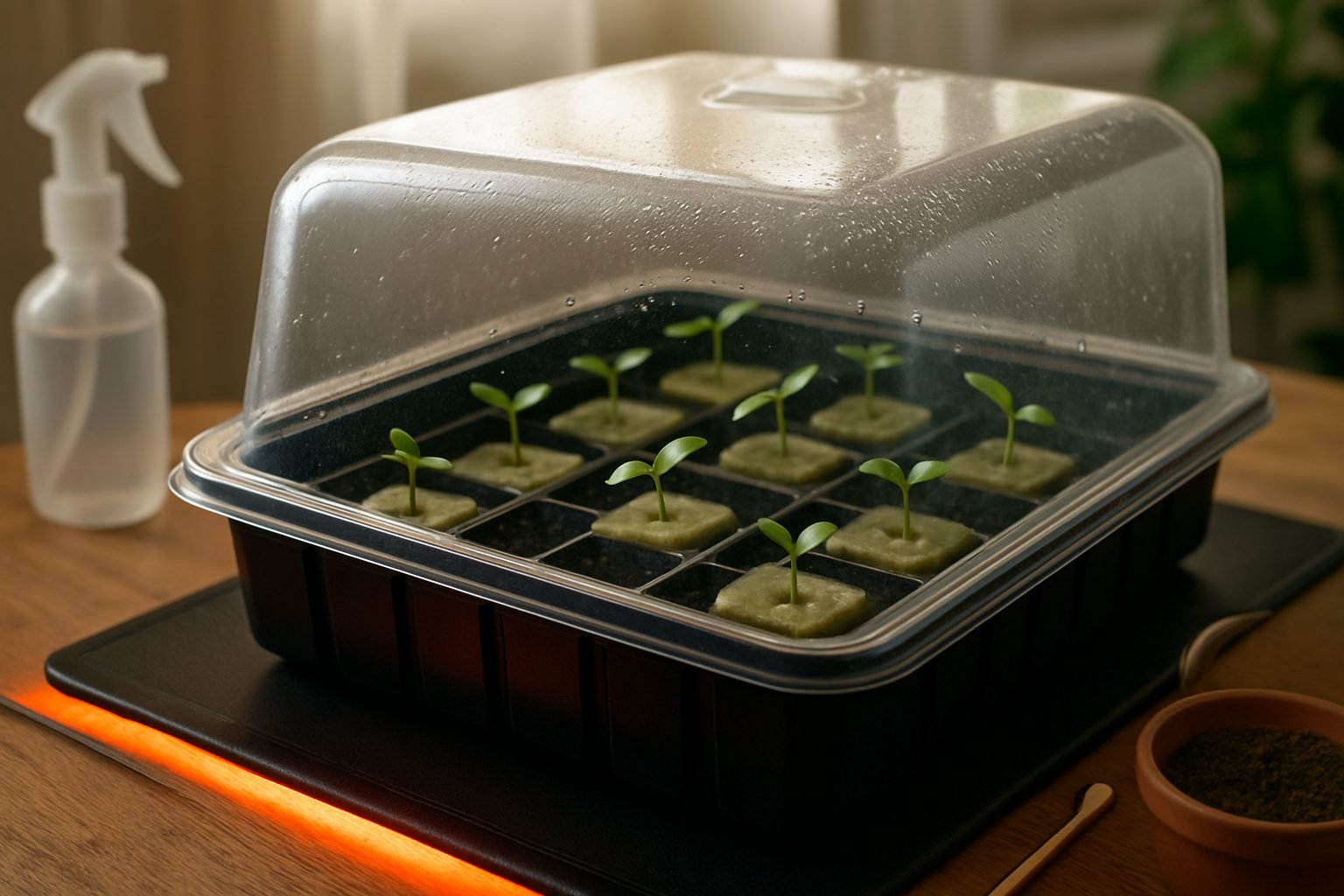
Starting hydroponic peppers begins with successful seed germination, and paying close attention during this early stage sets the foundation for healthy plants.
To start, soak your chili or pepper seeds in warm water for 8–12 hours to soften the seed coat and speed up sprouting. Use seedling trays or humidity domes filled with moistened, sterile rockwool cubes or rapid rooter plugs—these hold moisture while providing enough oxygen for root development.
Place one or two seeds in each cube, gently inserting them just below the surface. Keep the trays in a warm spot, ideally between 75–85°F (24–29°C), since peppers need heat to germinate. A seedling heat mat can help maintain stable temperatures. Covering the trays with a dome helps keep humidity high (around 70–90%), preventing seeds from drying out.
Check daily to ensure the cubes stay moist but never soggy, as too much water can cause damping-off disease. Seedlings usually emerge within 7–14 days.
Once you see the first true leaves (the second set, not the seed leaves), it’s time to introduce gentle light using a grow lamp placed a few inches above the seedlings to prevent leggy growth. When seedlings reach 2–3 inches tall, with strong roots visible at the bottom of the cubes and a few true leaves, gently transplant them into your hydroponic system.
If seeds don’t sprout, double-check that temperatures are warm enough and that the cubes aren’t too wet or dry. For stubborn seeds, a gentle scratch on the seed coat or a brief cold stratification (refrigeration) can help jumpstart germination.
With patient attention to these details, you’ll be rewarded with sturdy, healthy hydroponic pepper seedlings ready for robust growth.
Care and Maintenance: Nurturing Your Pepper Plants
Daily care is key to thriving pepper plants, and it starts with regular check-ins. Each morning, quickly scan your plants for signs of nutrient deficiencies, such as yellowing leaves (a sign of nitrogen shortage) or purpling (which might indicate a phosphorus issue). Address these by feeding your peppers with a balanced fertilizer according to label instructions, and consider a soil test if problems persist.
Watch for pests like aphids or spider mites. Examine leaves—especially the undersides—for tiny critters, webs, or sticky residue. If spotted, spray plants with insecticidal soap or introduce natural predators like ladybugs.
Disease prevention is equally important: water at the plant’s base and avoid wetting leaves, as damp foliage leads to fungal issues. Rotate crops each year and clear away dropped leaves to limit the spread of pathogens.
Pruning helps peppers channel energy into fruit, not just foliage; snip off lower leaves to improve air circulation, and pinch off early blossoms to encourage root and leaf growth in young plants. In tall varieties, use stakes or cages for support—this keeps stems upright and reduces breakage as branches get heavy with peppers.
Be mindful of the environment: peppers prefer 70–85°F (21–29°C) during the day and at least 55°F (13°C) at night, so shift plants indoors or use row covers if it gets too cold. Provide at least 6–8 hours of sunlight daily, and in dry climates, mist occasionally to maintain humidity but avoid overwatering.
Adjusting these factors not only prevents stress but also boosts yield and ensures steady, healthy growth all season long.
Harvesting Hydroponic Peppers and Maximizing Yield
Knowing when to pick your hydroponic peppers can make a big difference in both quality and future harvests. Look for vibrant, consistent color—like deep red, yellow, or green, depending on the variety—and a firm feel when gently squeezed. Most peppers reach peak flavor and nutrition just after their final color sets, but don’t wait too long, as the fruit can soften or wrinkle.
Use sharp scissors or pruners to snip peppers off the plant, leaving a short stem attached to minimize injury and reduce the risk of disease. Immediately after harvest, store peppers in a cool, humid spot; a perforated bag in the fridge works well to keep them crisp.
Trim dead leaves and prune lightly to encourage airflow and trigger new flowering. To boost future yields, maintain consistent nutrients, provide adequate light, and regularly check for pests or nutrient deficiencies.
It’s tempting to twist peppers off by hand, but this can tear branches—always cut instead. Also, don’t leave overripe fruit hanging, as it signals the plant to slow production. By being attentive at harvest and gently caring for your plants, you’ll maximize both quality and quantity with each crop cycle.
Is Hydroponic Pepper Growing Right For You?
Hydroponic pepper growing offers a flexible and rewarding way to produce fresh, flavorful peppers without the limitations of soil. If you have limited outdoor space, want more control over plant health, or hope to grow year-round, hydroponics could be an ideal fit.
Beginners may appreciate the reduced risk of soil-borne pests, while more experienced gardeners can experiment with nutrients and lighting for faster growth and higher yields. You can start small with a countertop kit or expand to a larger indoor system—many options scale alongside your interest and expertise.
Hydroponics requires an initial setup and ongoing attention to water, nutrients, and equipment, but these are manageable with a bit of research and monitoring. Whether you’re looking to harvest peppers for home-cooked meals or dreaming of a small business, hydroponic pepper growing is adaptable, productive, and worth trying for anyone eager to take gardening to the next level.