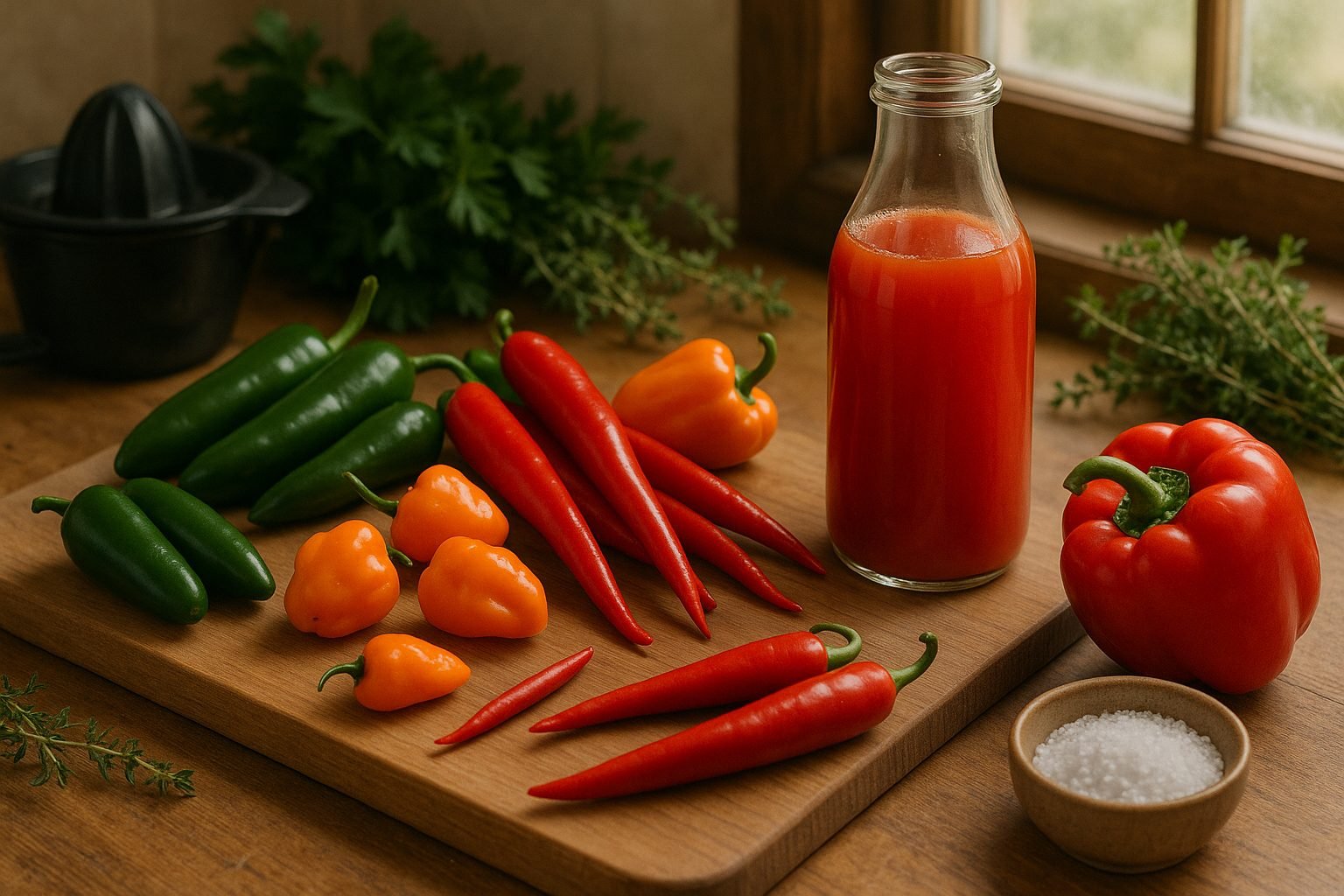
What Is Hot Pepper Juice?
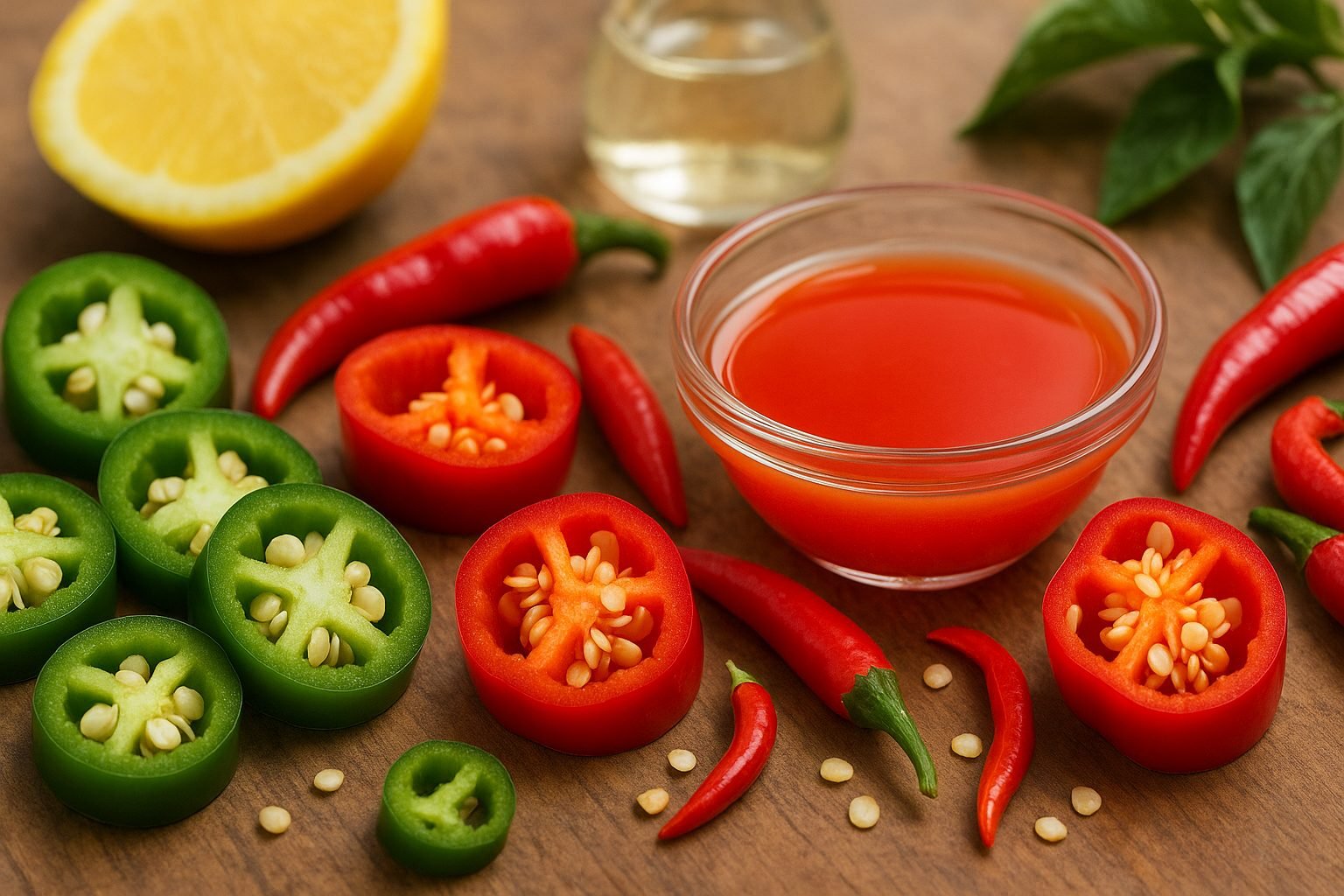
hot pepper juice is a fiery beverage made by juicing spicy peppers—such as jalapeños, cayenne, or even milder options like bell peppers—along with water or, in some recipes, a splash of vinegar or citrus for balance. Unlike traditional vegetable juices, which focus on mild flavors and sweeter undertones (think carrot or tomato), hot pepper juice is prized for its bold heat and tangy kick.
Each sip is packed with capsaicin, the compound responsible for that unmistakable spice, and is often enjoyed for more than just its eye-opening flavor. Many people appreciate it for its reputation in boosting metabolism and providing a dose of vitamins A and C. Whether sipped straight or used as a lively mixer, hot pepper juice’s unique taste and health perks explain its growing fanbase.
Health Benefits of Hot Pepper Juice
Hot pepper juice is a powerhouse of nutrients, packed with vitamins C and A, plus potent antioxidants like capsaicin. These nutrients help strengthen your immune system, protect cells from damage, and promote glowing skin.
Studies show capsaicin can give your metabolism a gentle boost, making it easier to burn calories and support weight loss goals. Hot pepper juice may also support heart health by helping lower bad cholesterol and improving blood flow.
Traditionally used in many cultures to fight infections, its naturally antibacterial and anti-inflammatory properties can help ward off colds and minor illnesses.
Try adding a splash of hot pepper juice to soups or smoothies for a spicy kick and some extra health benefits—just start small if you’re sensitive to heat!
How to Make Hot Pepper Juice at Home
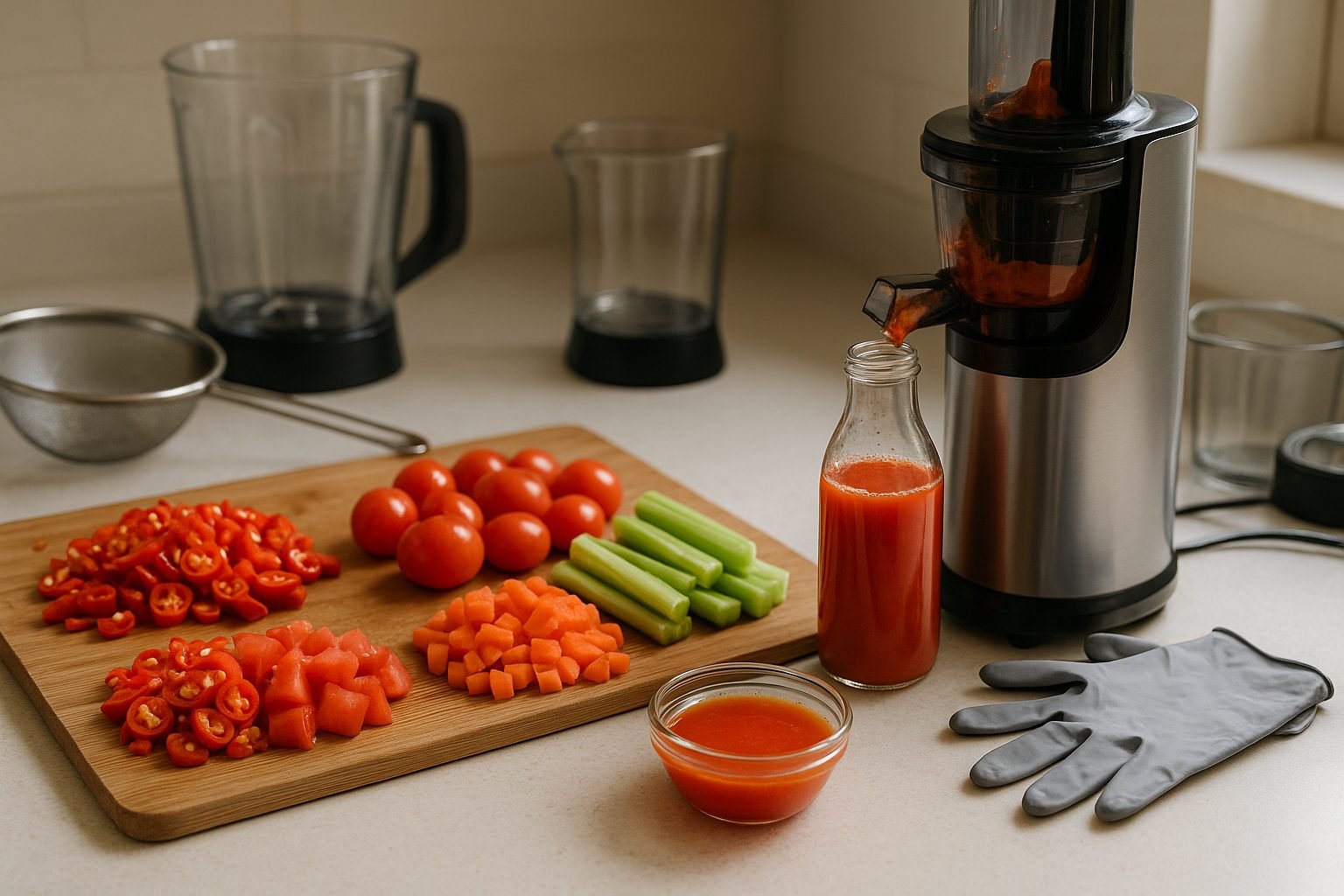
Making hot pepper juice at home is simple and lets you control both the heat level and flavor. Start with your favorite fresh peppers—jalapeño for mild heat, or habanero and serrano for an extra kick.
You can also add veggies like tomatoes, carrots, or celery for added depth, along with spices such as garlic, ginger, or a splash of lemon juice to enhance the taste.
Wash and chop all the ingredients, then either feed them into a juicer (cold-press works best for a smoother, pulp-free juice) or blend them with a little water and strain through a fine mesh sieve.
If you use a blender, be sure to wear gloves to avoid skin irritation. Store your finished juice in a glass bottle in the fridge for up to a week.
Safety Tips and Side Effects
When handling spicy juice, be careful—it can cause skin or eye irritation. Always wash your hands thoroughly and avoid touching your face. If the juice gets in your eyes, rinse them immediately with plenty of cool water.
Drinking spicy juice may also cause digestive discomfort, such as heartburn or an upset stomach, and can trigger allergies in some people. If you have ulcers, irritable bowel syndrome (IBS), or are sensitive to spicy foods, it’s best to limit or avoid spicy juice to prevent unwanted reactions.
Best Ways to Use Hot Pepper Juice
Hot pepper juice is a versatile ingredient that can spice up more than just drinks. Try adding a splash to homemade salad dressings for a bold kick, or use it as a marinade for chicken and veggies to infuse them with heat.
Drizzle a few drops over pizza or tacos for an instant flavor boost, or mix it into hummus for a zesty snack.
Store homemade hot pepper juice in a clean glass jar in the fridge, where it’ll last up to two weeks. For milder juice, blend with sweet peppers or add a squeeze of lime to adjust the taste.
Frequently Asked Questions
Mixing hot and sweet peppers is a great way to balance flavor and control the heat in your dishes. Start with fewer hot peppers and taste as you go to find the perfect level.
If you want to reduce spiciness, try cooking the peppers longer or removing the seeds and membranes, which hold most of the heat.
For kids or anyone with a sensitive stomach, choose milder varieties like bell peppers, and avoid serving raw hot peppers.
If you’re looking for more tips or family-friendly recipes using peppers, check out our full guide and related posts for inspiration and safe cooking ideas.