Introduction
When gardening in dry or water-restricted areas, choosing drought tolerant hot peppers can be a game-changer. Whether you’re dealing with summer droughts, living in an arid climate, or simply aiming to conserve water, learning how to grow thriving hot peppers with minimal moisture is both practical and rewarding. Many hot pepper varieties adapt surprisingly well to these conditions, and with the right techniques, you can harvest spicy, flavorful peppers without draining your resources—or your soil.
In this article, we’ll explore why more gardeners are turning to water-wise growing methods, guide you through proven strategies to minimize water use, and introduce you to pepper varieties best suited for dry environments. You’ll also find simple but effective tips, like mulching properly and choosing the right planting locations, that can significantly boost your yield.
Growing hot peppers with less water does present unique challenges, from managing soil health to preventing heat stress. However, the rewards—a sustainable harvest and bold, homegrown flavors—are well worth the effort. Ready to spice up your garden while saving water? Let’s dive in.
Choosing the Right Hot Pepper Varieties
When planning to grow hot peppers with minimal water, selecting the right varieties is the first—and arguably most important—step. Not all hot peppers are created equal when it comes to drought tolerance. Some varieties have adapted to arid or semi-arid regions, developing traits like deeper root systems, smaller, thicker leaves, and shorter growth cycles to withstand limited rainfall. These physiological adaptations allow them to thrive on less water without sacrificing flavor or heat.
A few classic examples of drought tolerant hot peppers include Thai, cayenne, pequin, and jalapeño. Thai peppers are famously resilient in hot, dry conditions and deliver a sharp, fiery heat with a clean, slightly grassy flavor—perfect for Southeast Asian dishes. Cayenne peppers, another robust choice, handle drought with ease and are prized both for their bright, tangy taste and their medium-hot kick, ideal for sauces and drying. Pequin peppers, native to the southwestern US and Mexico, are compact plants with tiny fruits but pack intense piquancy and smoky undertones, thriving naturally with minimal attention. Even the popular jalapeño, while common in gardens, demonstrates above-average drought resistance thanks to its sturdy bush structure and moderately deep roots, offering a mild-to-medium heat and unmistakably grassy, fresh flavor.
For the best results, source seeds from reputable companies that specialize in hot peppers suited for dry regions. Look for seed packets or catalog listings that mention drought tolerance, arid climates, or suitability for water-saving gardens. Ethnobotanical seed swaps or local agricultural cooperatives in dry parts of the world can also be goldmines for tough, locally adapted pepper strains. Always read reviews and seek feedback from other growers in similar climates before buying.
Ultimately, by choosing drought tolerant hot peppers, you won’t just save water—you’ll also enjoy a unique array of flavors and heat levels that can elevate your cooking, from quick salsas to complex, smoky sauces.
Preparing the Soil for Water Efficiency
When growing drought tolerant hot peppers, preparing the soil for water efficiency is essential for healthy plants that thrive on minimal moisture. The right soil composition acts like a water bank, storing just enough to hydrate the roots while allowing excess to drain away.
Ideally, your soil should be loamy—a balanced mix of sand, silt, and clay—which strikes the perfect balance between drainage and water retention. To test your soil, grab a handful when it’s moist, squeeze it, and observe: if it falls apart, it’s too sandy; if it keeps its shape or feels sticky, it’s too clay-heavy.
Amend sandy soils with plenty of organic matter like compost or well-rotted manure to improve moisture retention. For clay soils, work in coarse sand or fine gravel along with compost to enhance drainage and prevent roots from becoming waterlogged.
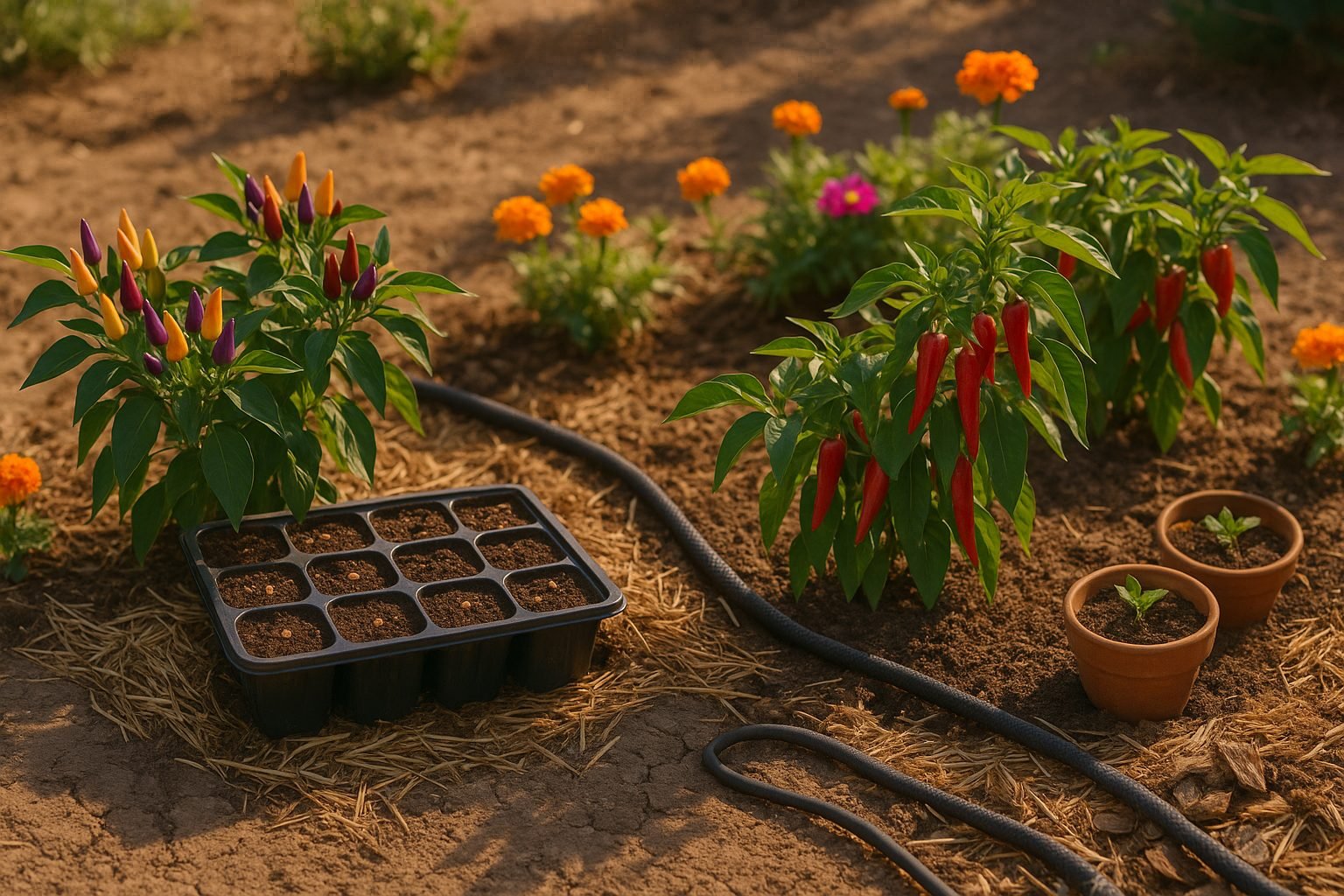
Cover your pepper bed with a two-inch layer of mulch, such as straw or shredded leaves, to lock in moisture and regulate temperature. Mulching is especially helpful in drought-prone gardens because it slows evaporation and keeps the soil cooler.
For a practical tip, bury wood chips or chunks of rotted logs beneath your planting bed using a method known as hugelkultur—these hold moisture deep in the soil, reducing the need for frequent watering.
Finally, test your soil’s pH; hot peppers prefer a range between 6.0 and 7.0. Add lime to raise the pH or sulfur to lower it if necessary. With attentive soil preparation, you’ll set your drought tolerant hot peppers up for a successful, low-water growing season.
Smart Planting Techniques for Drought Tolerant Hot Peppers
When growing drought tolerant hot peppers, using smart planting techniques is key to maximizing every drop of water. Start by giving each pepper plant enough room—generally, spacing them about 18 to 24 inches apart works best. This ensures each plant has access to soil nutrients and water without having to compete heavily with its neighbors.
It’s also important to plant peppers at the right depth: seedlings should be set just deep enough so their first set of leaves sit right above the soil line. This encourages strong root development and better water uptake.
Incorporate companion planting to give your hot peppers an extra edge; herbs like basil and oregano not only deter pests but also have smaller root systems that don’t compete with peppers for limited water. Some gardeners also plant peppers near onions or garlic, which can help prevent soil-borne diseases without hogging moisture.
To make the most of minimal water, try planting your peppers during the cooler parts of the day, such as early morning or late afternoon. If you live in a region with truly scorching summers, consider setting out transplants in early spring or late summer rather than during peak heat when evaporation is highest.
Once your peppers are in the ground, ground covers are essential for moisture retention. Apply a layer of organic mulch—like shredded leaves, straw, or grass clippings—around your plants. Even a two-inch layer can drastically reduce surface evaporation and moderate soil temperature.
For extra protection, use windbreaks such as low fences or plant taller, drought-tolerant shrubs upwind of your peppers to shield young plants from drying winds, which can quickly sap the limited moisture in the soil.
With these thoughtful strategies, your drought tolerant hot peppers will have a much better chance of thriving, even during the driest growing seasons.
Efficient Watering Practices for Drought Tolerant Hot Peppers
When growing drought tolerant hot peppers, adopting efficient watering practices is essential for both plant health and water conservation. Deep, infrequent watering is much better than frequent shallow watering because it encourages pepper plants to develop strong, deep root systems. These roots can access moisture deep in the soil, helping the plants stay resilient during dry spells and reducing heat stress.
In contrast, shallow watering only moistens the top layer of soil, which leads to weak, surface-level roots that dry out quickly, making plants more vulnerable when water is limited. To maximize water efficiency, consider using drip irrigation or soaker hoses. Drip irrigation slowly delivers water directly to the plant’s root zone, minimizing evaporation and runoff. Soaker hoses work similarly by releasing water evenly along their length, providing consistent moisture exactly where it’s needed.
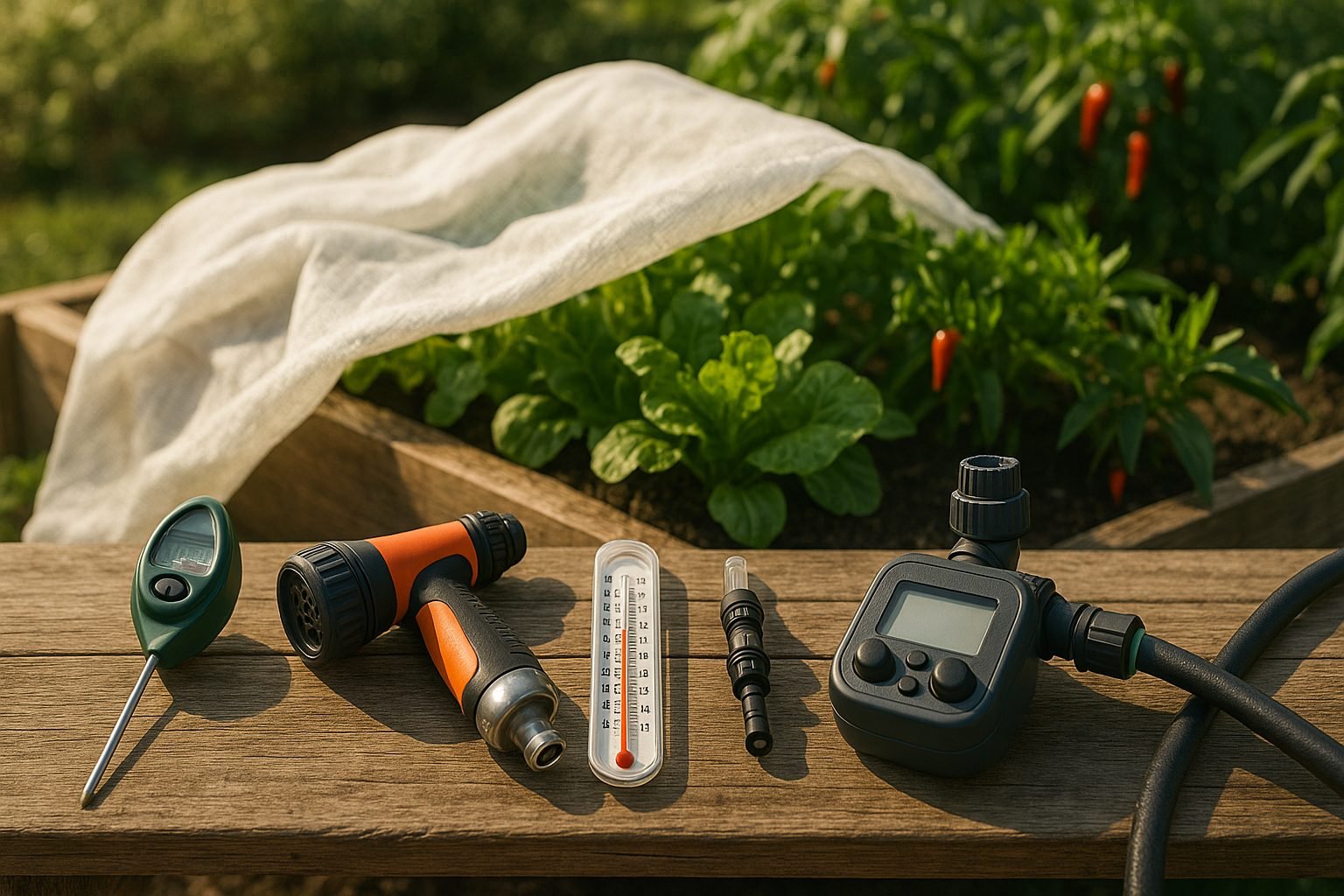
Set these watering systems on a timer to water deeply once or twice a week. The goal is to moisten the soil to a depth of at least 6 inches with each session. However, it’s important not to simply “set and forget” your system. Regularly check soil moisture by inserting a finger or a moisture meter a few inches into the soil. If it feels dry at that depth, it’s time to water.
Also, watch your plants for signs of wilting or stress, especially during hot or windy weather, and adjust your watering schedule as needed. Tailoring your watering methods to your climate, soil type, and the peppers’ growth stage ensures you use the least amount of water while keeping your drought tolerant hot peppers healthy and productive.
Mulching and Microclimates
Mulching is a total game-changer for growing drought tolerant hot peppers, especially when water is scarce. Applying a generous layer of organic mulch—like straw, shredded leaves, or wood chips—over your pepper bed helps trap moisture in the soil, dramatically cutting down evaporation caused by hot sun and wind. Inorganic mulches, such as gravel or landscape fabric, work similarly by creating a physical barrier that locks in moisture while still letting rain filter through. Both mulch types also stabilize soil temperatures, protecting delicate pepper roots from extreme heat spikes during mid-summer.
Beyond conserving water, mulching smothers weeds that would otherwise compete for precious moisture and nutrients. Plus, if you use biodegradable mulch, it slowly breaks down and encourages healthy soil. For extra protection, consider creating microclimates to shield your peppers from the harshest afternoon sun. A simple shade cloth draped over stakes can reduce direct sunlight and keep the root zone cooler while still giving your drought tolerant hot peppers enough light to thrive. Placing flat stones around the base of your plants acts like a natural heat sink, absorbing warmth during the day and releasing it at night to smooth out temperature swings. You can also plant low-growing companions—like basil or oregano—to shade the soil surface and suppress weeds without crowding your peppers. By combining effective mulching and microclimate strategies, you’ll reduce watering needs and create a stronger, more resilient pepper garden.
Recognizing and Managing Water Stress
Drought tolerant hot peppers are resilient, but even these hardy varieties can experience water stress, especially during hot spells or inconsistent watering. Common signs that your pepper plants need attention include leaves curling inward or drooping, flowers prematurely dropping off (known as blossom drop), and an overall stunted appearance where plants stop growing as vigorously as before. If you notice leaves turning yellow or developing crispy edges, it’s often a sign the roots aren’t getting enough moisture.
To remedy mild water stress, give your peppers a deep soak early in the morning so water can reach the root zone—avoid shallow, frequent sprinklings which can make things worse. Mulching around plants with straw or compost helps retain moisture and protects roots from sudden temperature swings. If blossom drop occurs, try shading the plants during the hottest part of the afternoon with row covers or shade cloth to reduce evaporation.
Prevention is key: set a consistent watering schedule, use mulch generously, and plant peppers in soil rich with organic matter to help retain moisture. Remember, drought tolerant doesn’t mean drought proof—keep an eye out and intervene promptly if signs of stress appear, ensuring your hot peppers thrive even with minimal water.
Conclusion
Successfully growing drought tolerant hot peppers with minimal water comes down to smart planning and adapting to your garden’s unique conditions. Start by choosing sturdy pepper varieties known for their drought resistance, like Thai, Chile de Arbol, or Bulgarian Carrot. Prepare your soil with plenty of organic matter to improve water retention, and use mulch to reduce evaporation.
When watering, focus on deep, infrequent irrigation to encourage strong root development. Keep a close eye on your plants and adjust your routine based on the sun exposure and rainfall in your area—it’s all about finding what works best for your microclimate. If you’ve grown hot peppers in tough, dry conditions or have questions about these strategies, please share your experiences or ask in the comments below. Your stories can help other growers succeed too!