Introduction
Year-round garlic growing is an enticing prospect for gardeners who love keeping their kitchens stocked with fresh, aromatic bulbs. Garlic is a valuable addition to any garden, but successful cultivation isn’t as simple as popping cloves in the soil and waiting until harvest. This hardy crop actually requires smart winter care—a step that can trip up even seasoned green thumbs.
Many gardeners struggle with issues such as frozen bulbs, waterlogged soil, or stunted growth when temperatures drop. Depending on your climate, pests and fungal diseases can also threaten your overwintering garlic. The good news? With a few straightforward adjustments, you can protect your garlic through the coldest months and set yourself up for abundant harvests, no matter when you plant.
In this post, you’ll discover practical strategies to handle mulching, drainage, and timing, as well as simple tips for choosing the right garlic varieties for your region. You’ll also learn how to monitor and adjust your garden setup to help your garlic not just survive, but thrive—ultimately making year-round garlic growing achievable for gardeners at any skill level.
Understanding Garlic’s Growth Cycle in Winter
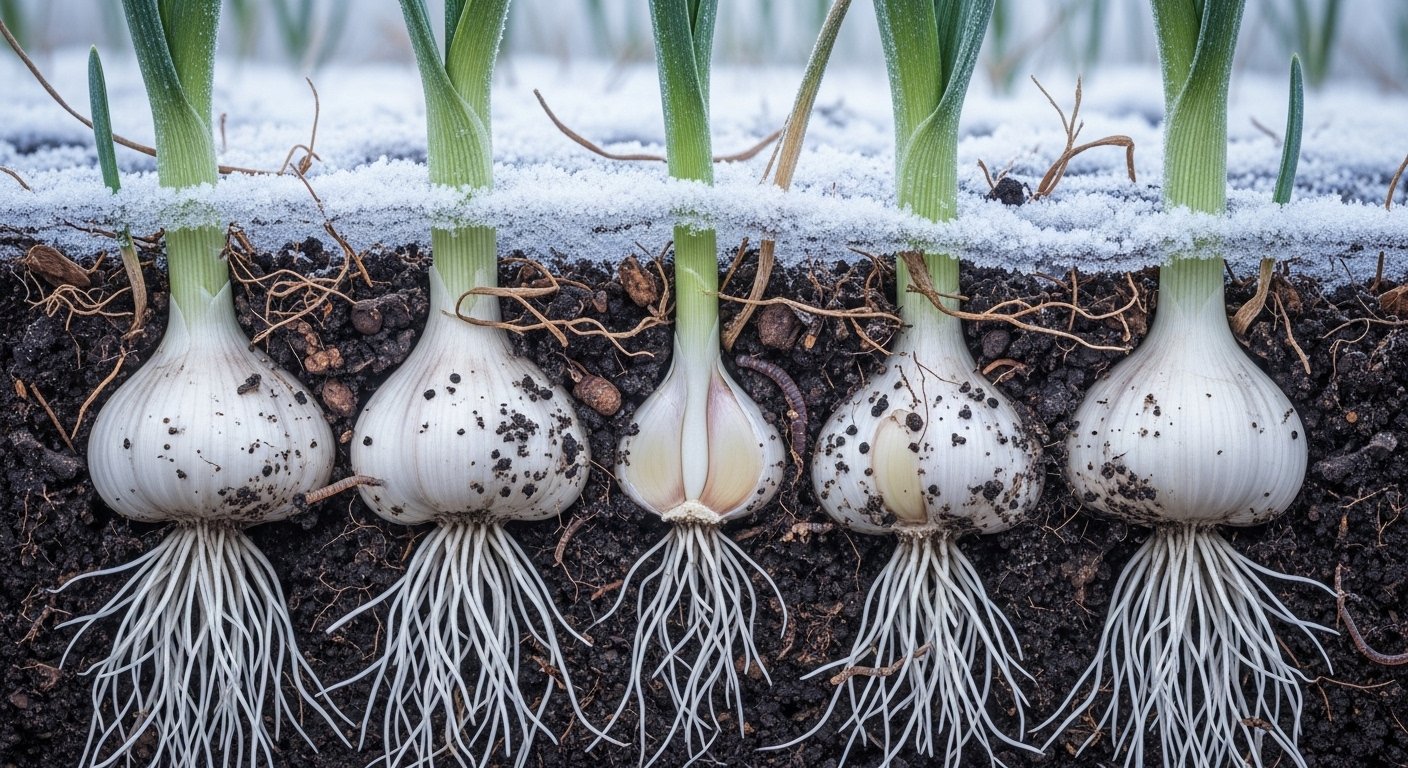
Planting garlic in the fall sets the stage for a successful harvest, as cloves begin growing roots before winter arrives. As temperatures drop, garlic plants enter a dormancy phase; while the green shoots may pause their above-ground growth, the roots continue to spread beneath the soil, anchoring the plant and absorbing nutrients whenever conditions allow.
This period of rest is essential, especially in colder climates, as it prepares garlic for rapid regrowth in early spring as soon as the weather warms up. The two main types of garlic—hardneck and softneck—respond differently to winter conditions.
Garlic Types and Winter Response
- Hardneck varieties: Better suited for harsh winters, they can withstand deep freezes and even benefit from vernalization (cold exposure), which helps them form larger, well-developed bulbs.
- Softneck varieties: More vulnerable to extreme cold but thrive in milder winter regions, often producing more cloves per bulb when temperatures stay moderate.
Overwintering Garlic
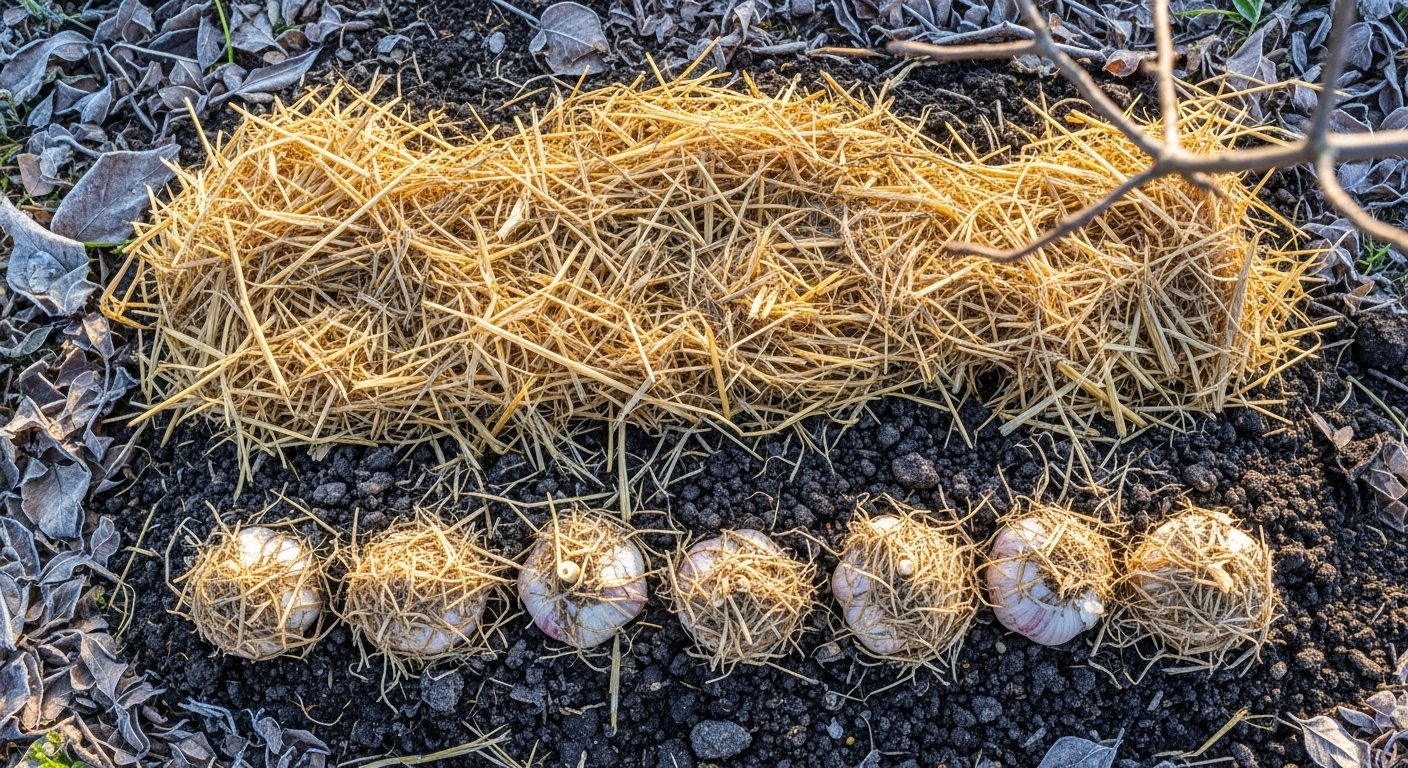
Ensuring your garlic is properly overwintered is crucial. For example, using a thick mulch layer helps insulate and protect the cloves from temperature swings and frost heave. This protection allows the garlic to come back strong and vigorous in spring, producing robust green shoots that quickly gather energy to fuel bulb development.
Proper overwintering not only boosts your chances of a bountiful spring harvest but also helps prevent issues like rot or stunted growth. By understanding and catering to garlic’s unique lifecycle, gardeners can maximize yields and enjoy homegrown bulbs bursting with flavor.
Preparing Garlic Beds for Winter
Getting your garlic beds ready for winter starts with prepping the soil to give your cloves the best shot at thriving come spring. Begin by loosening the soil to at least 8 inches deep and mixing in plenty of organic matter—think compost or well-rotted manure—to enrich nutrients and improve soil structure.
Good drainage is crucial, especially in wetter climates. If your garden tends to stay soggy, try raising your beds by a few inches or adding sand to keep water from pooling around your bulbs.
Choose a location that gets full sun for most of the day, since garlic loves light and needs it to develop strong bulbs. Position the bed where it’s protected from harsh winter winds; a fence, hedge, or building to the north or west can shield young shoots from being battered or dried out.
For planting, timing matters: aim to plant garlic about 4–6 weeks before your ground freezes—typically in late fall. This gives cloves time to set roots without sending up too much top growth.
- Plant each clove pointed end up, about 2 inches deep in milder regions (3–4 inches if your winters are harsh).
- Space them 4 to 6 inches apart to avoid crowding.
Once planted, mulch the bed with a thick layer of straw or shredded leaves to insulate the soil and reduce weed competition. Following these simple steps will set your garlic up for a strong, healthy start when winter passes.
Mulching and Frost Protection
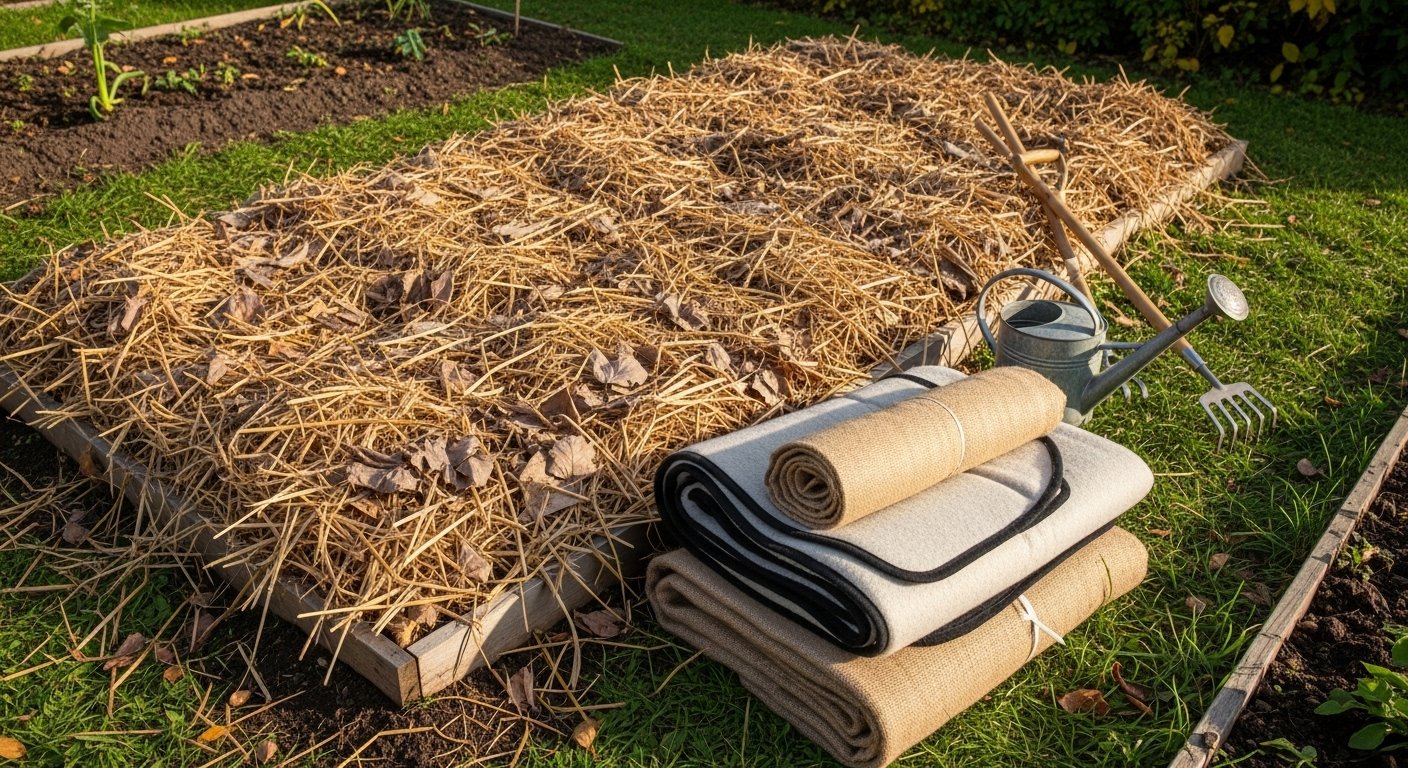
Mulching is one of the simplest and most effective ways to protect garlic plants through the winter. It acts like a natural blanket that insulates the soil and stabilizes temperature swings. A good layer of mulch—about 3 to 6 inches—is key to keeping the soil warmer during cold snaps and cooler during unexpected thaws, helping garlic roots establish without the stress of extreme weather.
Mulch also retains valuable moisture, so you won’t have to water as often, and helps prevent the soil from crusting, which can stunt bulb development. Popular mulch materials for garlic include straw, shredded leaves, and well-rotted compost. These materials are widely available and break down over the season to feed your soil.
If you use straw, make sure it’s seed-free to avoid a weed mess in spring. With leaves, shred them first to prevent matting that can block water and air.
For gardeners in especially harsh climates, additional frost protection might be needed. Try layering a reusable frost blanket over your mulched beds during deep freezes. Raised beds can be wrapped in burlap or insulated with extra compost. If a sudden polar vortex is heading your way, even something as simple as a row cover or overturned bucket (removed during the day) can safeguard emerging garlic shoots from damage.
By combining a generous mulch layer with these extra frost defenses, you’ll give your garlic the best shot at a strong, healthy harvest come summer.
Winter Watering and Monitoring
During winter, it’s crucial to strike the right balance with watering—too much or too little can harm your plants. As growth slows, most plants need less frequent watering; only water when the top inch of soil feels dry to the touch.
An easy way to check is by sticking your finger into the soil or using a simple moisture meter for accuracy. Be especially cautious after heavy rain or snowfall—frozen soil holds moisture longer, so wait for any ice to melt and test the soil before watering again.
Over-watering can lead to root rot, which is indicated by mushy, discolored roots, wilting despite moist soil, or a foul smell. On the other hand, under-watering shows up as dry, crispy leaves and stunted growth.
Pay attention to the base of your plants. If you notice roots exposed or soil lifted away from the stem, you could be seeing frost heaving, caused by repeated freezing and thawing pushing plants out of the ground. Mulching around your plants helps prevent this by stabilizing soil temperature and retaining moisture.
By checking your garden beds once a week, feeling the soil, and inspecting plants for these warning signs, you can avoid common winter pitfalls and keep your garden healthy until spring.
Fertilization and Soil Health in Winter
During winter, when garlic plants are largely dormant, it’s best to hold off on applying traditional fertilizers. These nutrients won’t be absorbed effectively and could leach away with rain or melting snow, wasting your efforts and potentially harming the environment.
Instead, focus on building healthy soil before the cold sets in. Prior to the ground freezing, consider working in well-aged compost or organic matter; this boosts soil structure, supports beneficial microbes, and slowly releases nutrients as the soil warms in spring.
Mulching garlic beds with straw or shredded leaves not only helps insulate the bulbs against extreme temperatures but also gradually breaks down to feed the soil.
As the season progresses, keep an eye out for signs like yellowing leaves or weak growth—these can indicate nutrient deficiencies once active growth resumes.
For the best results, perform a soil test every couple of years so you know what your garden really needs. Home test kits are affordable and shed light on essential minerals like nitrogen, phosphorus, and potassium.
By focusing on soil health during the winter, you’ll set your garlic up for vigorous, resilient growth when spring returns.
Frequently Asked Questions & Troubleshooting
One of the most common questions about winter garlic is whether shoots breaking through the soil mean trouble—good news: it’s usually nothing to worry about. Garlic naturally sprouts when the weather briefly warms up. If this happens, simply add an extra layer of mulch, like straw or shredded leaves, to protect those tender tips from hard freezes.
Some gardeners worry their garlic won’t survive a deep frost, but most varieties are extremely hardy. If you see yellowing or frost-burned leaves after a cold snap, don’t panic; while the top growth might suffer, the cloves underground will likely be just fine and keep growing come spring.
For garlic in raised beds, pots, or containers, make sure they’re well-drained and water only when the soil feels dry, as winter rain or melting snow can cause rot. If a deep freeze threatens, move containers to a sheltered spot like an unheated garage, or wrap them in burlap or bubble wrap for insulation.
Raised beds benefit from a six-inch layer of mulch or even a frost blanket if your winters are especially harsh. Keep an eye on your garlic throughout the winter, and brush away snow if it creates a tightly packed crust, as this can trap excess moisture.
With a bit of protective care and timely tweaks, your garlic patch will sail through winter and burst to life in the spring.