Introduction
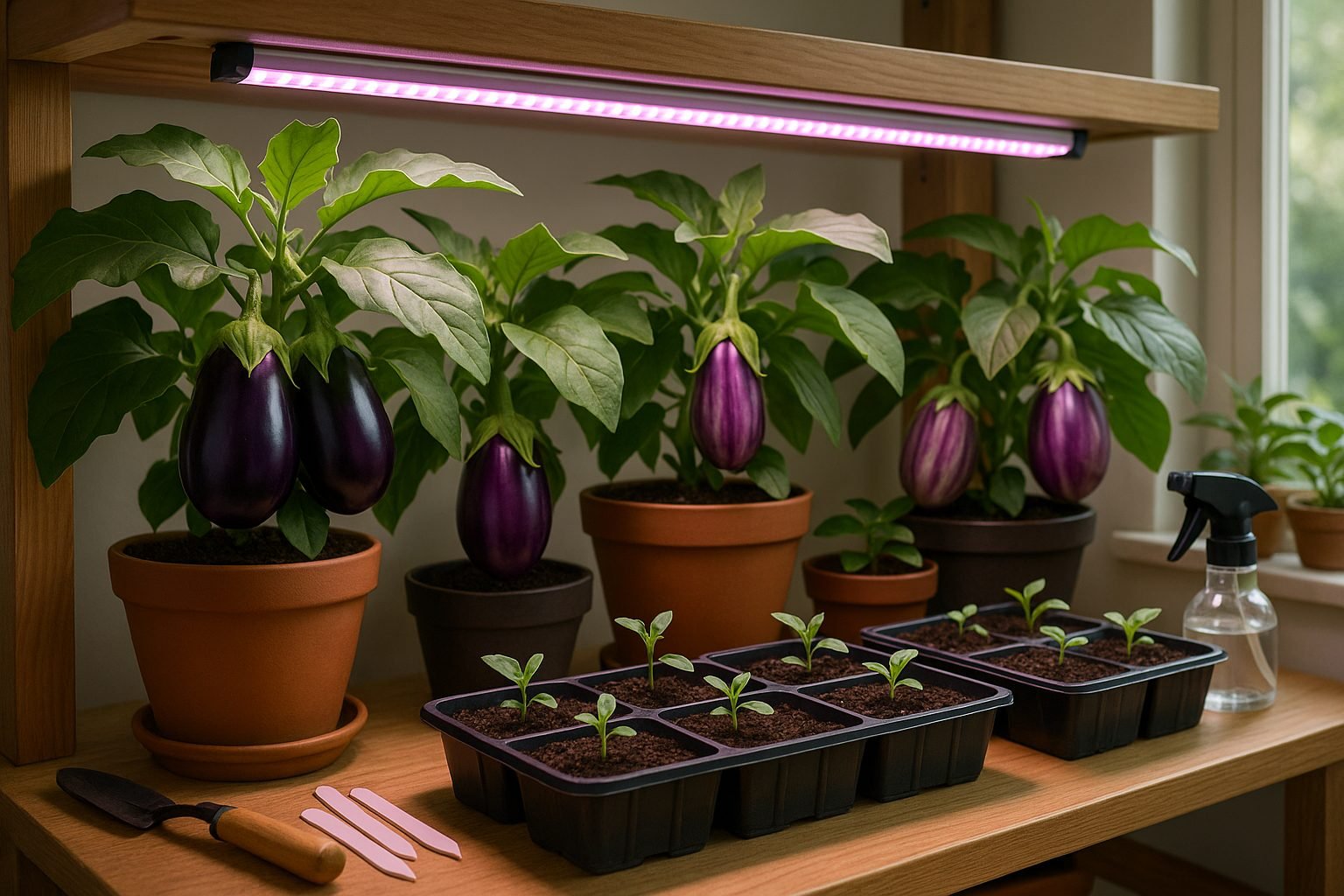
Growing tender, glossy eggplants indoors can be a rewarding way to enjoy your favorite vegetables year-round, but it comes with its challenges. One of the most important factors for successful indoor cultivation is choosing the right eggplant grow lights. Without enough light, eggplants often grow leggy, produce fewer blooms, or fail to set fruit—a common frustration for indoor gardeners.
Light provides the energy eggplants need to develop healthy foliage, strong stems, and, ultimately, bountiful harvests. Since natural sunlight may not always be available or strong enough indoors, the right grow lights can make all the difference. In this guide, we’ll cover everything you need to know about selecting the best grow lights for eggplants, including key features, light types, and practical setup tips. Whether you want to add fresh eggplant to your homemade recipes or improve your indoor gardening skills, understanding your plants’ lighting needs will help you succeed from seedling to harvest.
Understanding Eggplant Light Requirements
Eggplants are sun-loving plants that thrive in full sunlight, needing at least 12 to 16 hours of bright, direct light each day to grow strong and healthy. In their native habitats, they benefit from the intense light of long summer days, which not only fuels lush foliage but is crucial for flowering and fruit development. The ideal light spectrum for eggplants includes a balanced mix of blue wavelengths, which promote vigorous leafy growth, and red wavelengths, which encourage blossoming and fruiting.
Unfortunately, typical indoor lighting—such as ceiling fixtures or regular lamps—does not provide the right intensity or the full spectrum of light that eggplants require. These standard lights fall short of mimicking natural sunlight, often lacking in brightness and missing key wavelengths essential for healthy plant growth. Without proper eggplant grow lights, indoor plants tend to exhibit stunted growth, pale or yellowing leaves, and difficulty setting blossoms or sustaining developing fruit.
Inadequate light leads to weak, leggy stems as plants stretch toward brighter conditions, and any fruit set is usually sparse and underdeveloped. For indoor gardeners aiming to cultivate robust, productive eggplants, investing in quality grow lights that deliver the appropriate intensity, duration, and spectrum is essential for success.
Types of Grow Lights for Eggplant
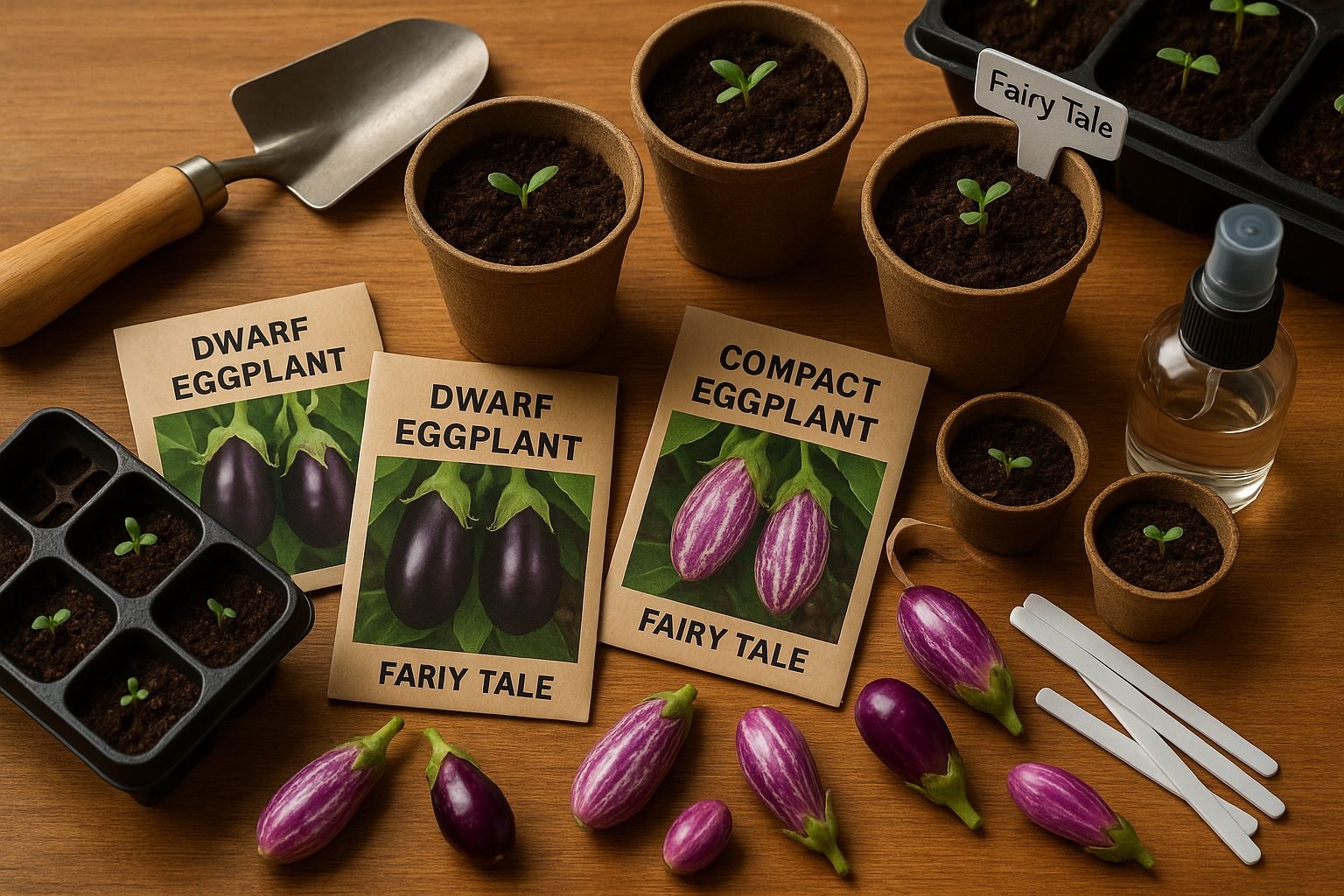
Choosing the right type of eggplant grow lights can make all the difference in your harvest, as each lighting technology offers unique benefits and drawbacks for different growth stages. Fluorescent lights, including T5 and T8 varieties, are popular with beginners thanks to their affordability and gentle light output. They work well for seedlings and young plants, providing the moderate intensity and cooler temperatures that eggplant starts need. However, they may not be sufficient for full-sized fruiting plants, as their light penetration and overall output can be too low for vigorous flowering and fruiting.
Compact fluorescent lights (CFLs) are another affordable, DIY-friendly option often favored for small grow spaces or supplemental lighting. While energy-efficient and easy to set up, CFLs share the limitations of traditional fluorescents, lacking the deep light penetration mature eggplants require for robust fruit production.
On the other hand, LED grow lights have surged in popularity due to their high energy efficiency, low heat output, and full-spectrum capabilities. LEDs are highly customizable, allowing you to adjust light spectrums to support both vegetative and fruiting stages—blue light for leafy growth and red for flowering—making them ideal for all phases of eggplant growth. Although their upfront cost is higher, their longevity and energy savings quickly offset this for committed home growers.
High-Intensity Discharge (HID) lights, such as metal halide (MH) and high-pressure sodium (HPS), offer intense output suitable for large, fruiting eggplant plants and are widely used in commercial setups. MH bulbs promote strong, leafy growth, while HPS bulbs excel during flowering and fruiting. However, HIDs are less energy-efficient, generate significant heat (requiring added cooling and ventilation), and are bulkier, making them less convenient for most home growers.
Ultimately, for home gardeners prioritizing cost-effectiveness, low energy consumption, and ease of use, LEDs stand out as the most versatile and practical choice. Fluorescents and CFLs work well for small setups or early growth stages, while HIDs, although powerful, are usually best reserved for large-scale or highly dedicated indoor growers who can manage heat and higher energy bills.
Key Features to Look For in Eggplant Grow Lights
When choosing eggplant grow lights, several key features can make a big difference in ensuring healthy plants and abundant yields. First, prioritize full spectrum lights—they provide a balanced mix of blue, red, and even infrared wavelengths essential for every stage of eggplant growth. Blue light supports strong seedlings and lush leaves during the vegetative phase, while higher red and far-red ratios encourage flowering and fruiting.
Look for lights with adjustable intensity, either through dimmers or programmable settings, so you can give gentle light to delicate seedlings and increase brightness as plants mature. Coverage area is also important—you’ll want even light across your entire growing space to prevent leggy, uneven growth.
Consider the PAR (Photosynthetically Active Radiation) value as well. Eggplants thrive with PAR outputs around 250–400 µmol/m²/s during the vegetative stage and 400–700 µmol/m²/s during fruiting. For wattage, aim for 30–50 watts per square foot, depending on your room size and plant density. For example, a 2×2 foot area benefits from a 120–200 watt light.
Hanging distance matters too: hang your lights 18–24 inches above seedlings to avoid scorching, then lower them to 12–18 inches during the vegetative and fruiting stages for optimal growth. Finally, choose lights with effective heat dissipation to protect your plants from heat stress—LEDs are a popular and efficient option.
With the right combination of these features, your indoor eggplants can flourish just like those grown outdoors.
Top-Rated Grow Lights for Indoor Eggplants: Reviews & Recommendations
When choosing eggplant grow lights, it’s essential to look for models that deliver strong, full-spectrum light with adjustable intensity—features that support healthy flowering and fruiting. One standout, budget-friendly choice is the GE BR30 LED Grow Light Bulb. Affordable and easy to use in standard fixtures, it offers a balanced spectrum that supports both leafy growth and fruit development, making it ideal for small indoor setups or supplementing a window sill garden.
For growers who want to cover a larger area or need more power, the Spider Farmer SF-1000 is a top-rated LED panel known for its energy efficiency and impressive PAR output. Its dimmable full-spectrum design closely mimics sunlight, promoting robust growth and helping eggplant plants transition smoothly from seedling to fruiting stages. The SF-1000 also runs cool, reducing heat stress on plants and lowering the need for extra ventilation.
If you’re looking for a premium setup, the Viparspectra XS2000 is worth the investment. This model features high-output Samsung diodes and an advanced heat dissipation system, allowing greater light penetration into the plant canopy—crucial for developing strong, healthy eggplants with abundant fruit. Its adjustable brightness and timer features are perfect for optimizing lighting schedules as your eggplants mature.
For those prioritizing user-friendly operation, the Mars Hydro TS1000 stands out with its plug-and-play design and reflective hood that maximizes light coverage for bushy eggplant varieties grown indoors. All these models are highly rated by home gardeners for their reliability, adjustable settings, and effectiveness in producing fruit indoors.
When selecting among these eggplant grow lights, consider your budget, growing space, and how much control you want over your light environment to get the best results from your indoor crop.
Tips for Optimizing Grow Light Use with Indoor Eggplants
When using eggplant grow lights indoors, a few key strategies can make all the difference for healthy, productive plants. First, position your grow lights 12 to 18 inches above the tops of your eggplants—this distance usually works well for both LED and fluorescent lights, but always check the manufacturer’s recommendations. Use adjustable fixtures or pulleys so you can raise the lights as your plants grow.
For best results, provide your eggplants with 14 to 16 hours of light per day. Too little light will cause leggy, weak plants, while too much can lead to leaf bleaching or curling. Investing in an automatic timer takes the guesswork out of scheduling, ensuring consistent light cycles and healthier growth.
Pay close attention to your plants’ signals: pale, droopy, or stretched leaves often indicate they need more light, while scorched or dried edges can mean the lamps are too close or too intense. If you notice uneven growth or plants leaning, rotate the pots regularly and make sure the light is evenly distributed across the growing area.
Lastly, remember that eggplants need periods of darkness. Avoid 24-hour lighting, which stresses plants and disrupts their natural rhythms. By fine-tuning your approach—monitoring light height, duration, and plant responses—you can optimize yields and support vibrant, thriving eggplants indoors.
Frequently Asked Questions About Eggplant Grow Lights
Many beginners wonder if eggplant grow lights can be used for other vegetables. The good news is yes—most high-quality LED or fluorescent grow lights work well for a wide variety of veggies, including tomatoes, peppers, lettuce, and herbs. Just be sure your lights provide a broad spectrum of light (like full-spectrum LEDs) to support different growth stages across various plants.
Another common question is: how far should grow lights be from your eggplant leaves? For most LED grow lights, keep them about 12 to 18 inches above the canopy. If you’re using fluorescent lights, you can hang them closer—around 6 to 12 inches—since they produce less heat. Always follow the manufacturer’s guidelines and watch for signs of light stress, such as burned or curling leaves, indicating the lights are too close. Conversely, if your plants look stretched or pale, they may need the lights closer or the lighting duration increased.
Remember to adjust the light height as your eggplants grow taller—this is a common oversight. Finally, make sure your grow lights run for 12–16 hours daily to simulate a long summer day, which promotes the best eggplant growth and fruiting.
Conclusion
Choosing the right eggplant grow lights is essential for cultivating strong, healthy plants indoors. The right spectrum, intensity, and duration can make all the difference between lackluster growth and a thriving crop of delicious eggplants. Since every growing space and setup is unique, don’t hesitate to experiment with different light heights, schedules, and bulb types until you find what works best for your situation.
Pay close attention to your plants’ responses—sometimes small adjustments can lead to big improvements. If you ever feel stuck or need to troubleshoot issues, there are plenty of resources available, including online gardening forums, YouTube channels, and local extension offices. Many manufacturers’ websites also offer helpful guides and customer support.
By staying curious and proactive, you’ll create the perfect lighting environment for your indoor eggplants and enjoy abundant harvests year-round.