Introduction
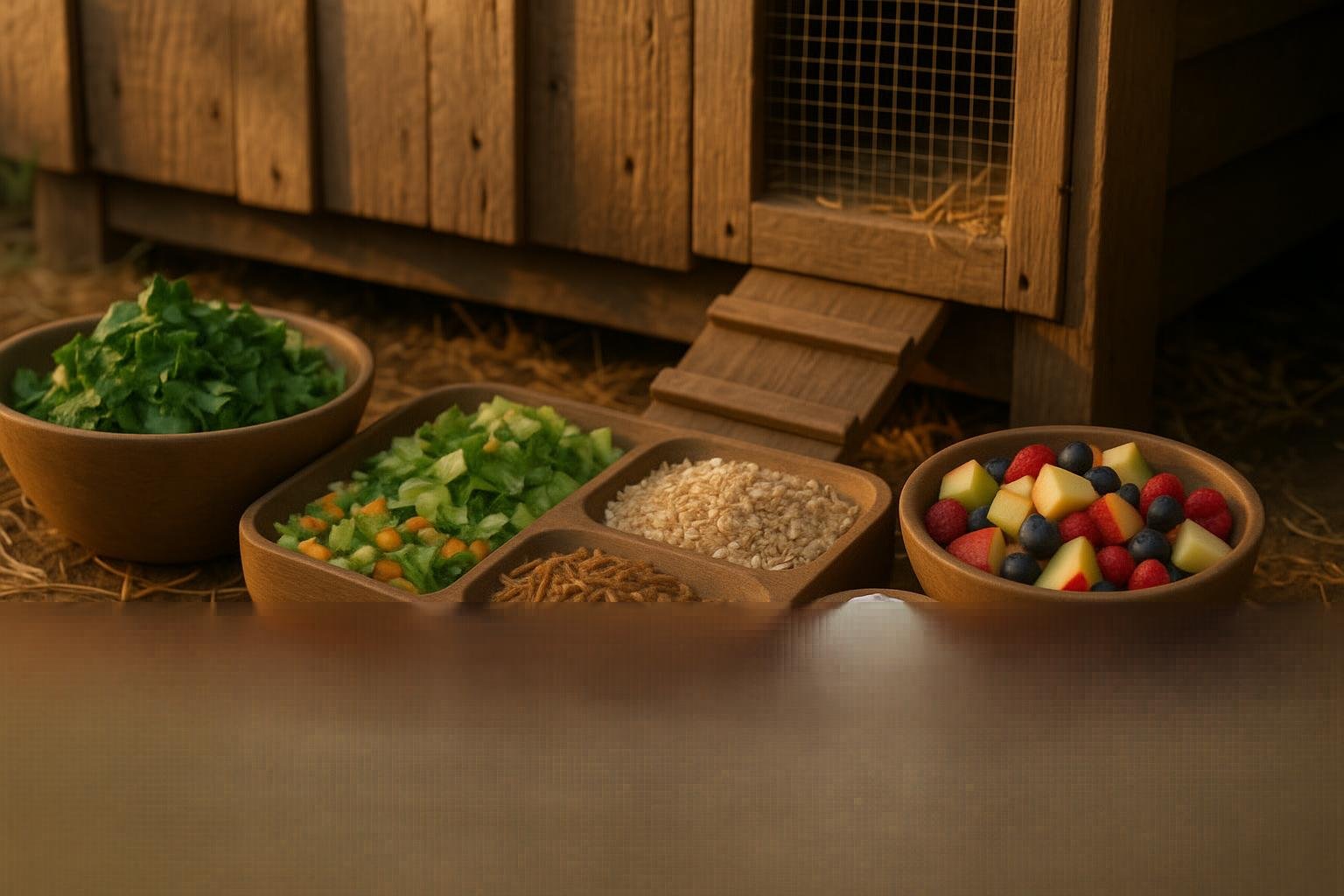
Wondering if chickens eat eggplant and whether it’s safe to toss those eggplant scraps into their coop? Providing your flock with a balanced and safe diet is essential for keeping them healthy, energetic, and laying plenty of eggs. Just like us, chickens thrive on variety, but not every kitchen scrap belongs in their feed.
Some foods can boost their wellness, while others may pose hidden dangers. In this article, we’ll break down everything you need to know about feeding chickens: which foods are perfectly safe, which ones are toxic, and what treats you can offer for a happy flock. We’ll also cover essential feeding best practices, from portion control to introducing new foods.
Understanding what chickens can and cannot eat isn’t just about offering leftovers—it’s a key step in supporting their overall health, longevity, and productivity in your backyard or homestead. Whether you’re a beginner keeping a few hens or an experienced poultry keeper looking for better feeding habits, knowing how different foods affect your chickens can make all the difference.
Let’s help you raise bright, healthy birds—and find out if those eggplant scraps should be part of their next snack!
Safe Foods for Chickens—Fruits, Vegetables, and More
When it comes to feeding your chickens, offering a variety of foods from different categories helps keep their diet balanced and their health in top shape. Fruits, vegetables, grains, and proteins all have a place on the menu, but it’s important to know which options are safe and how to serve them properly.
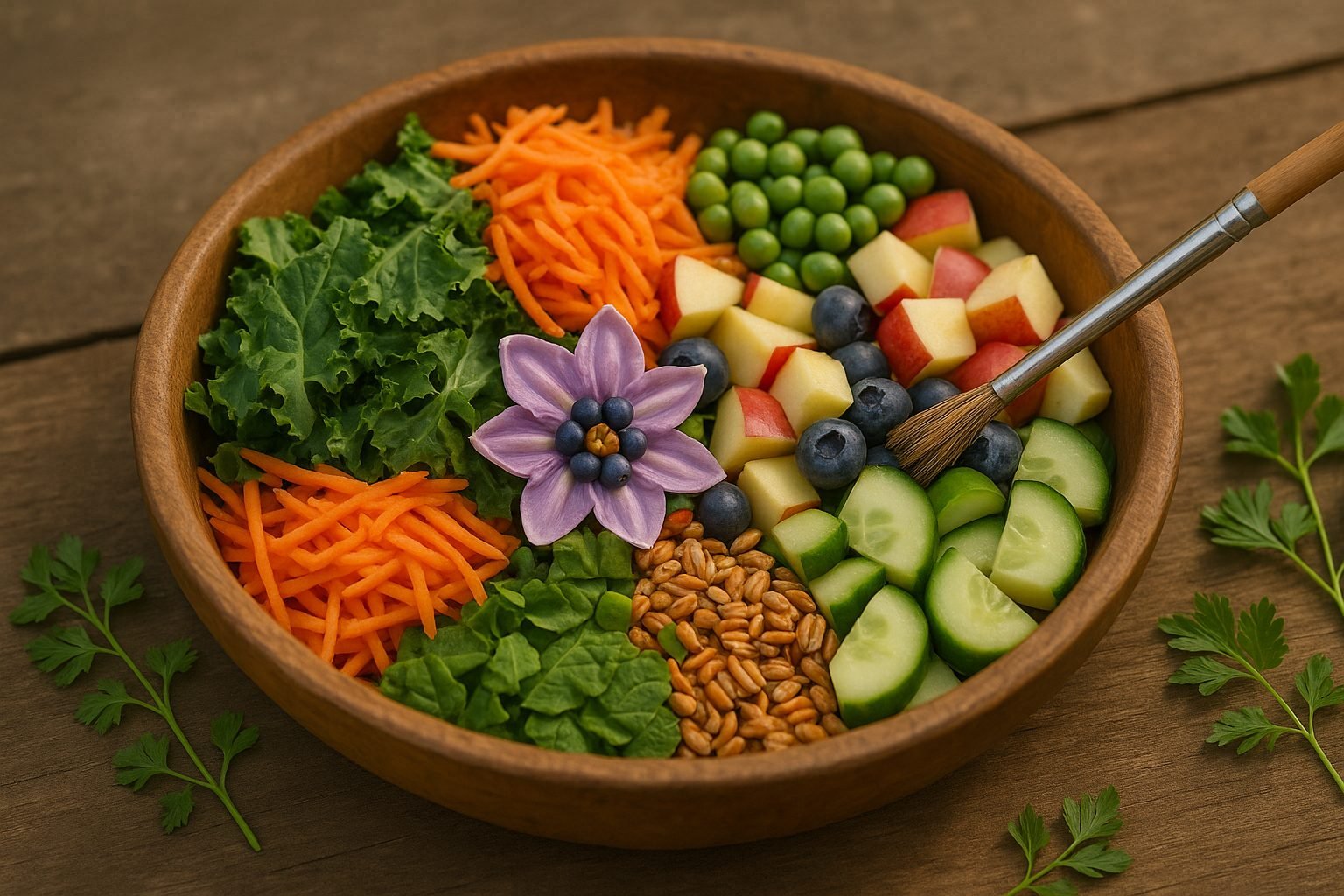
Many fruits are chicken-friendly, such as apples (with the core and seeds removed), berries, bananas, and melons. Just be sure to cut them into manageable pieces. Leafy greens like lettuce, spinach, kale, and Swiss chard make excellent vegetable choices, while shredded carrots, cucumbers, peas, and cooked squash provide extra vitamins and hydration.
Whole grains like oats, barley, and rice are a good energy source when fed in moderation. For protein, cooked eggs, mealworms, or black soldier fly larvae are especially popular with backyard flocks.
Always introduce new foods gradually and observe your chickens’ reactions, since sudden dietary changes can sometimes cause digestive upset. Chop or shred tougher items to prevent choking and make them easier to peck at. Remember, treats—including fruits and non-feed foods—should only make up a small part of their diet, generally no more than 10%.
By mixing safe fruits, veggies, grains, and proteins, and preparing them appropriately, you’ll keep your chickens happy, healthy, and excited for feeding time.
Foods to Avoid—Toxic and Harmful Foods for Chickens
Keeping your chickens healthy means knowing which foods can harm them. Surprisingly, many everyday foods we enjoy are toxic to chickens.
Chocolate contains theobromine, which can cause heart issues, tremors, and even death in birds. Avocado—especially the skin and pit—has a compound called persin that can lead to breathing problems and sudden death. Raw or undercooked beans, particularly kidney beans, contain phytohaemagglutinin, a toxin that can be deadly with just a few beans.
Nightshade family vegetables like green potatoes, tomato leaves, and eggplant skins carry solanine, a chemical that disrupts nervous system function, causing weakness or paralysis. Onions and garlic, although less dangerous in small amounts, can damage red blood cells if eaten regularly, leading to anemia.
Also, avoid feeding chickens any moldy or spoiled foods; molds produce mycotoxins that can result in liver failure, immune suppression, or sudden death. Always check scraps for freshness and steer clear of any food that smells off or looks fuzzy.
If your chickens accidentally eat something toxic, you might notice symptoms like droopy posture, diarrhea, loss of appetite, difficulty breathing, or sudden collapse. Fast veterinary care is critical in these cases.
By keeping hazardous foods far from your flock and regularly inspecting their treats, you’ll support their long-term health and prevent avoidable emergencies.
Best Treats for Chickens—What, When, and How Much
When it comes to treating your backyard chickens, following the 90/10 rule is key: 90% of their daily intake should come from a complete, balanced poultry feed, and only 10% from treats. This helps ensure your flock gets all the nutrients they need for good health and steady egg production.
Luckily, there are plenty of safe and tasty treats to offer. Dried mealworms are a favorite among hens and provide extra protein, especially during molting season. Fresh fruits such as blueberries, seedless watermelon, and chopped apples (without seeds) are refreshing in hot weather. Veggies like broccoli, leafy greens, cooked peas, or corn on the cob help keep their diet varied.
Some kitchen scraps can work too—leftover plain rice, oatmeal, or scrambled eggs (fully cooked and cooled) are usually safe in moderation. However, skip anything salty, sugary, moldy, or toxic, such as avocado, chocolate, and raw beans.
To avoid overfeeding, limit treats to what your chickens can finish in about 10–15 minutes, once daily or a few times a week. Use treats in small handfuls as a reward when training chickens to come when called or to return to the coop at night; shaking a treat container can help build positive routines and a bond of trust.
Remember, treats are just that—an occasional bonus, not a meal replacement—so moderation will keep your flock happy and healthy.
Recognizing and Preventing Nutritional Deficiencies
Ensuring your chickens get the right balance of essential nutrients is key to their health and productivity. Chickens need a mix of vitamins (like A, D, and E), minerals (including magnesium and selenium), plenty of protein for muscle and feather development, and calcium to form strong eggshells.
When these needs aren’t met, chickens often show telltale signs:
- Feather loss or poor feathering can indicate insufficient protein or certain vitamins.
- Soft or thin eggshells usually point to a calcium deficiency.
- Lethargy or slow growth may signal a lack of vital minerals and overall poor nutrition.
To prevent these issues, always use a formulated poultry feed that matches your flock’s age and purpose (like laying hens vs. meat birds), since these feeds are designed to be nutritionally complete. Supplement free-ranging flocks with layer pellets or crumbles to ensure they aren’t missing anything their foraging can’t provide.
Offer crushed oyster shell or limestone grit separately for added calcium, and occasionally include kitchen scraps responsibly (avoid salty, spoiled, or processed foods). Regularly check for fresh, clean water, since dehydration can make nutrient problems worse.
By watching for early warning signs and offering diverse, balanced feed, you can keep your flock healthy, active, and laying strong eggs.
Tips for Feeding Chicks vs. Adult Chickens
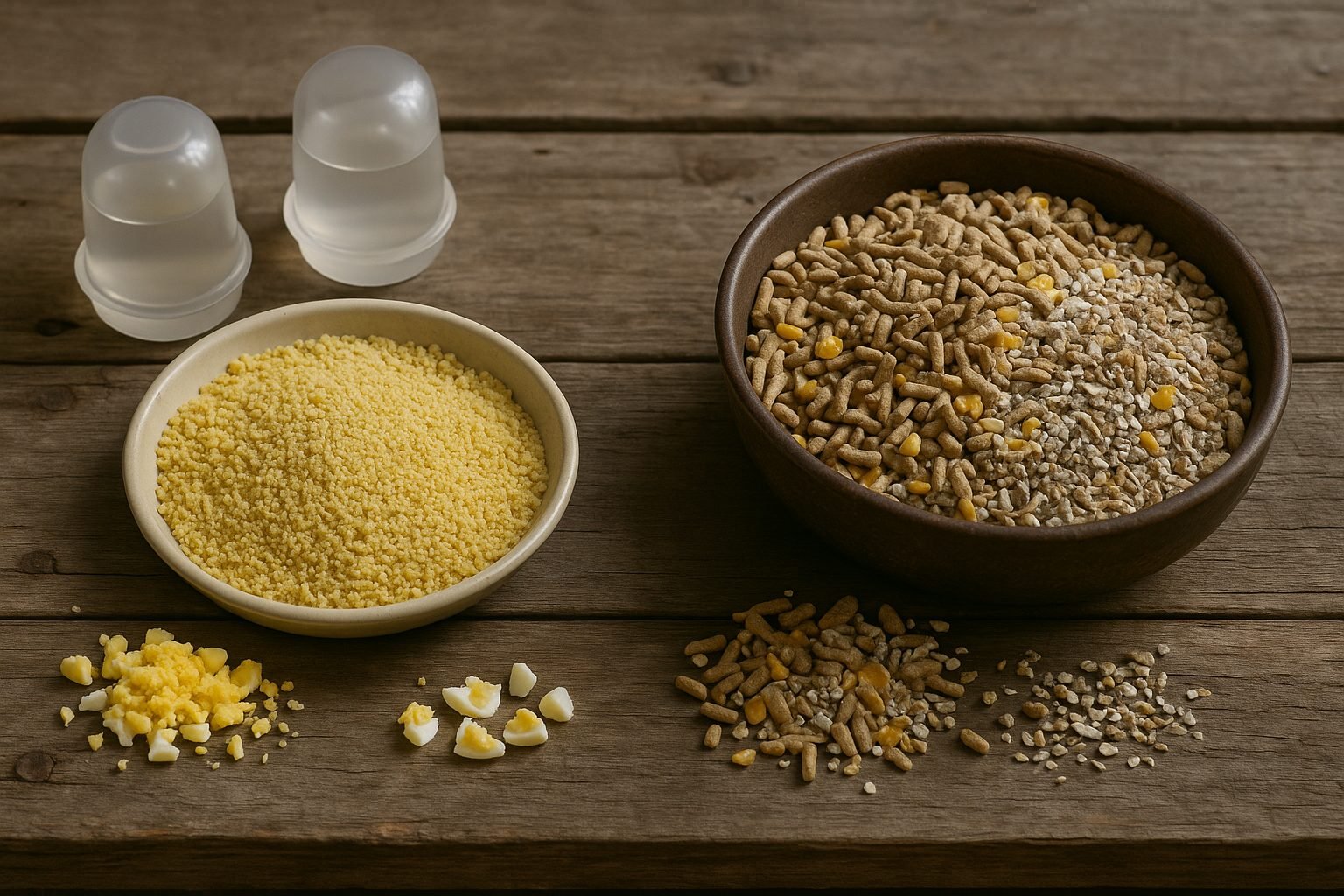
Feeding chicks is quite different from feeding adult chickens, and understanding these dietary needs is key to raising a healthy flock. Chicks need a starter feed, usually labeled as “chick starter,” that’s high in protein (about 18-20%) to support rapid growth and development. Avoid giving chicks scratch grain or whole corn, as these can fill them up without the nutrients they need.
As they grow into pullets, or teenage chickens around 6-18 weeks, you can switch to a grower feed with slightly less protein but still tailored for developing birds. Treats should be minimal for young chickens—think finely chopped greens, scrambled eggs, or mealworms—but never more than 10% of their diet, as too many treats can lead to deficiencies. Also, avoid offering foods that are toxic to poultry, like chocolate, avocado, or raw beans.
With adults, you can introduce layer feed, which has extra calcium to support egg production. Treats like kitchen scraps or bugs can become more frequent—but moderation remains important for keeping them healthy. Grubs can be offered as a protein boost to all ages; however, for chicks, make sure they’re small enough to eat and only given occasionally.
Always provide clean, fresh water, and use shallow waterers for chicks to prevent drowning. Lastly, remember any dietary changes should be made gradually to avoid digestive upset, and watch for any signs of illness when introducing new foods. By matching your chickens’ diet to their life stage, you’ll set them up for strong growth and steady egg production.
Eco-Friendly and Practical Feeding Strategies
Making your chicken-keeping more eco-friendly doesn’t have to mean overhauling your entire routine—in fact, simple changes can make a big difference. One effective strategy is using kitchen scraps and backyard produce to supplement your flock’s diet.
Instead of tossing carrot peels, wilted lettuce, or bruised apples in the trash, offer these to your chickens as tasty treats, provided they’re safe and free of mold (avoid onions, raw potatoes, and anything salty or sugary). This approach not only reduces food waste but also adds variety to your chickens’ nutrition.
For even more sustainable treats, consider black soldier fly grubs or mealworms, which are high in protein and have a much lower environmental footprint compared to traditional feed. These insects can even be home-grown using some leftover food scraps, turning waste into valuable nutrition.
To ensure you’re minimizing waste, plan a weekly “clean-out” meal for your chickens with leftover veggies from the fridge or garden—just remember to chop them up for easy pecking. Save eggshells, bake them, and crush them to return the calcium to your flock.
Always maintain a balance: treats and scraps should complement, not replace, a complete poultry feed to guarantee balanced nutrition. By getting creative with what you already have and making sustainability a focus, you’ll promote healthier chickens and a greener backyard at the same time.
Conclusion & Quick Reference Table
Providing your chickens with a varied diet is key to their health and happiness—think vegetables, grains, seeds, and occasional fruit. However, always steer clear of foods that can harm them. Toxic items such as chocolate, avocado, onions, and raw beans should never make it into the coop.
Monitor your flock’s nutrition to ensure they’re getting enough protein, vitamins, and minerals, especially during laying or molting seasons. If you’re ever unsure about what’s safe, don’t hesitate to consult your veterinarian or local poultry expert.
For quick reference:
- Safe foods: corn, oats, lettuce, pumpkin, zucchini, peas, apples (no seeds), and cooked rice
- Unsafe foods: chocolate, avocado, onions, garlic, rhubarb, raw potato peels, moldy bread, and salty snacks
By following these guidelines, you’ll keep your flock flourishing and reduce the risk of diet-related health issues.