Introduction
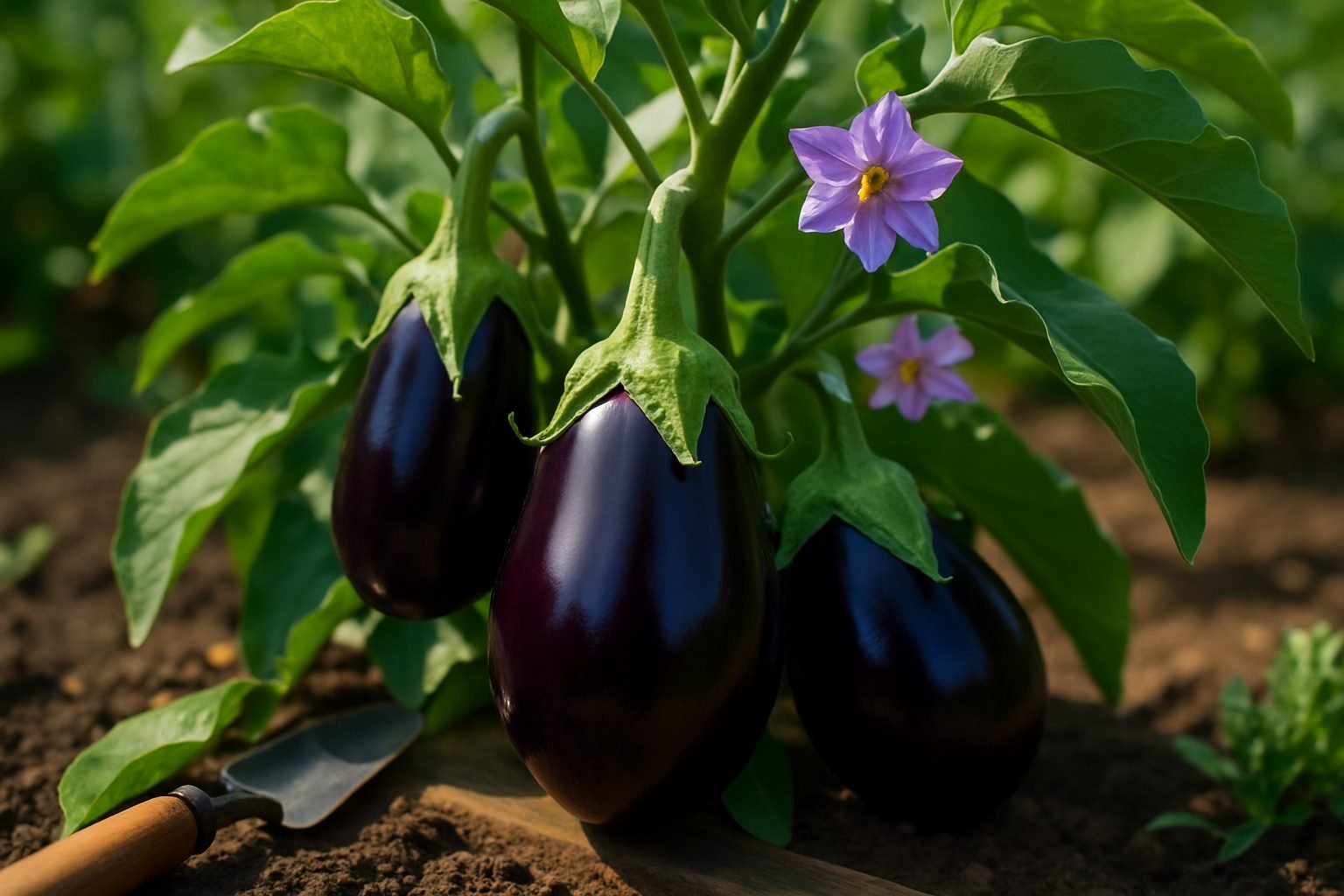
If you’re wondering why you see eggplant flowers but no fruit on your plants, you’re not alone—this is one of the most frustrating issues home gardeners face during the growing season. You put in all the effort: watering, fertilizing, and carefully tending your eggplants, yet the blossoms drop off or wither without ever developing into those glossy vegetables you hoped to harvest.
Understanding why this happens isn’t just a matter of curiosity—diagnosing and fixing these fruit production issues can mean the difference between a bountiful harvest and an empty dinner table. Gardeners often experience this problem for a variety of reasons, such as poor pollination, improper watering, nutrient imbalances, or extreme temperatures. Even planting location or timing can secretly sabotage your success!
In this post, we’ll explore the most common causes behind the dreaded eggplant flower no fruit scenario, from environmental factors and pest problems to simple mistakes in cultural practices. We’ll provide real-world tips to boost pollination—like hand-pollinating flowers or attracting beneficial insects—as well as advice for adjusting care routines, such as fine-tuning your watering schedule and choosing the right fertilizer.
By arming yourself with these insights, you’ll gain both the knowledge and confidence to turn your stubborn blossoms into thriving eggplant harvests—no matter your level of gardening experience. Let’s unravel the mystery together so your next gardening effort yields the delicious eggplants you deserve.
Understanding Eggplant Growth Stages
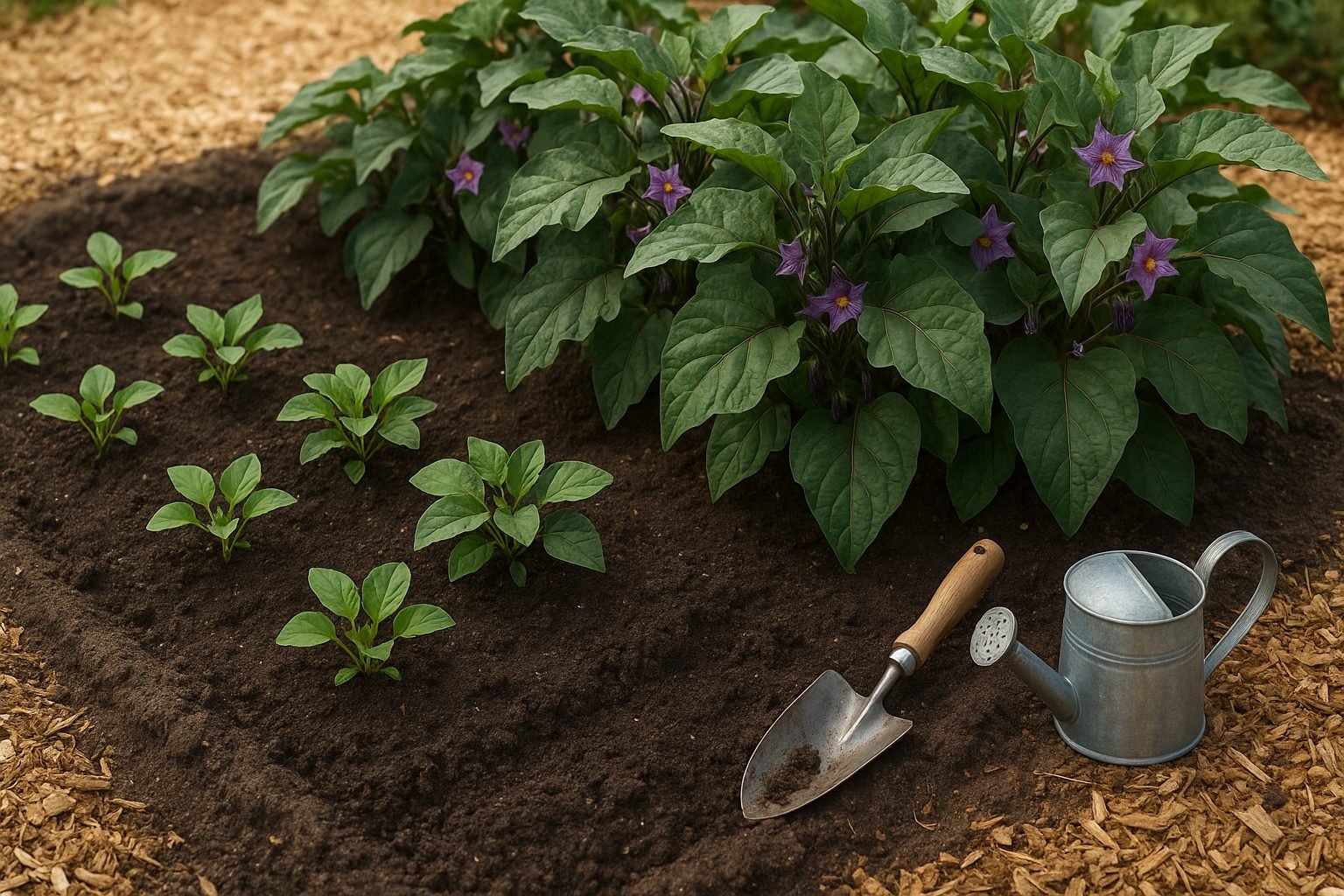
Eggplant growth begins with the seedling stage, where seeds sprout into small plants with their first true leaves after about two weeks. At this stage, it’s crucial to provide plenty of sunlight and keep the soil moist but not soggy, as strong roots lay the foundation for later development.
As seedlings strengthen, they enter the vegetative phase, characterized by rapid leaf growth and height increase. This stage lasts until the plant reaches about 8 to 10 inches tall or has at least six mature leaves. During this time, regular feeding with a balanced fertilizer encourages robust stems and foliage.
The next key stage is flowering, which typically starts around 60 to 80 days after sowing, depending on the variety and growing conditions. Purple or white star-shaped flowers appear, signaling that fruiting is near.
Fruiting usually begins soon after the first flowers have been pollinated, often about 70 to 90 days from planting the seeds. Signs that the plant is ready to produce fruit include a sturdy, bushy structure and clusters of healthy flowers. Pollination, often aided by wind or insects, is necessary for fruit to set. If flowers drop without forming fruit, it can indicate poor pollination or stress.
Common growth stalls that prevent fruit development include consistently cool weather, inadequate sunlight, or waterlogged soil—all of which stress the plant and delay flowering or cause flower drop. Pests like aphids or spider mites can also weaken young plants, while over-fertilizing with nitrogen may promote leaves at the expense of flowers and fruit. Additionally, if the weather gets too hot—over 90°F—flowers might wilt and fall off before setting fruit.
To encourage steady progress through all stages, provide consistent moisture, well-drained fertile soil, and at least six hours of sun daily. Monitoring for pests and adjusting fertilization as needed keeps plants healthy and productive as they mature from seedlings to fruiting.
The Role of Pollination in Eggplant Fruit Production
Eggplants are naturally self-pollinating, meaning their flowers contain both male and female parts, so they don’t rely on bees or other insects as much as some vegetables do. However, effective pollination is still critical—when pollination is incomplete, you might notice flowers that dry up and drop or fruits that develop unevenly.
Several real-world factors can interfere with this process. Indoors, where garden wind and insect activity are lower, pollen may not transfer easily within the flower. High humidity can cause pollen to become sticky and less likely to move, while very dry conditions may lead to brittle, non-viable pollen.
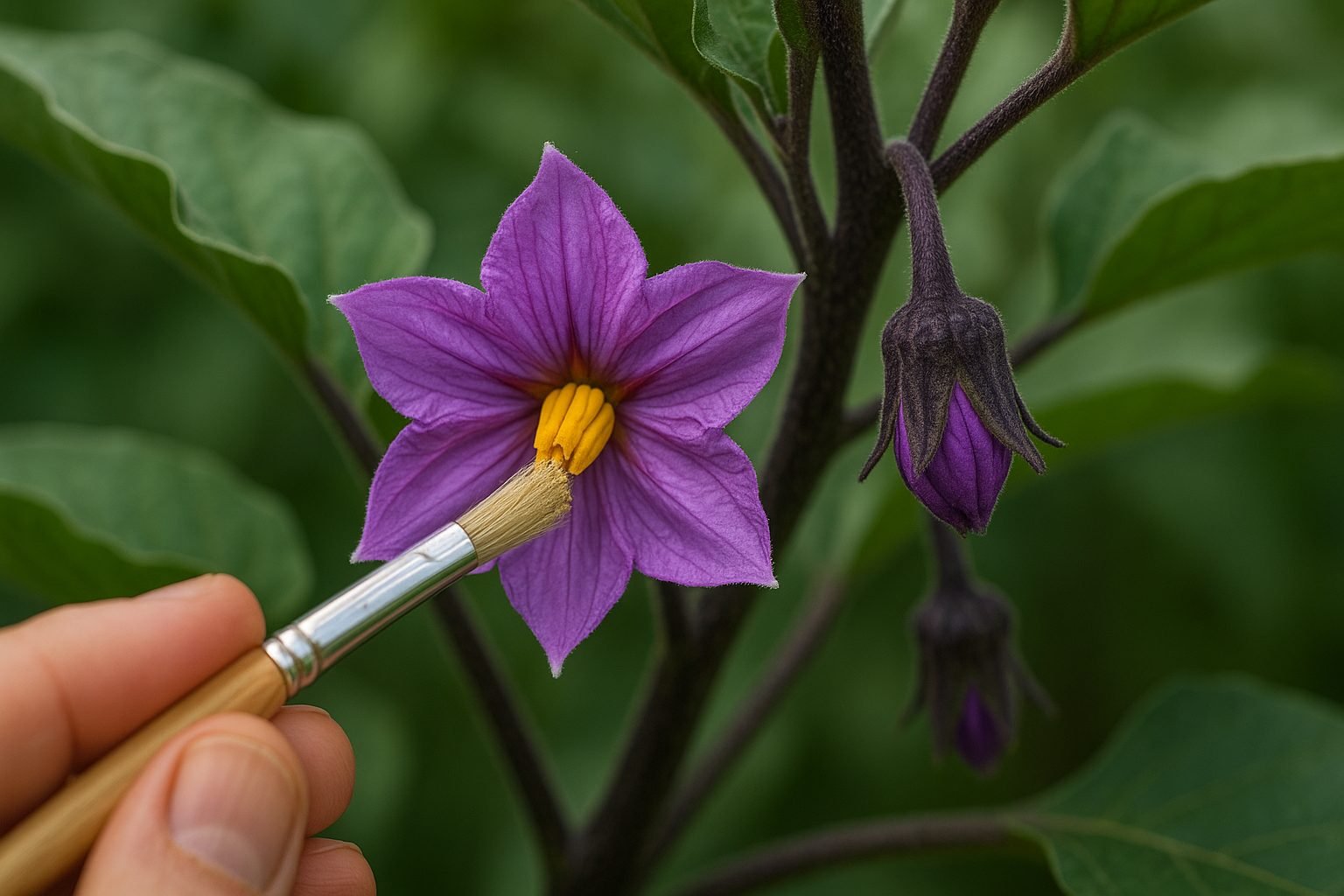
To give your eggplants a boost, especially if you’re growing them in a greenhouse or on a windowsill, hand-pollination is a simple and effective solution. Start by gently shaking the plant or tapping the stems each morning when flowers are open; this helps to dislodge pollen within the flower.
For more control, use a small, dry paintbrush or cotton swab to lightly touch the inside of each flower, mimicking the brush of a bee as you transfer pollen from the anther (male part) to the stigma (female part). Rotate the brush between flowers to maximize pollination across multiple blooms. Repeat this daily for any newly opened flowers during the peak flowering period.
By taking these hands-on steps, you can often dramatically improve your eggplant harvest, ensuring lush, well-shaped fruit no matter your growing environment.
Environmental Factors Impacting Eggplants
Eggplants are warm-season vegetables that thrive under consistent, optimal environmental conditions to produce healthy fruits. Ideally, they need at least 6 to 8 hours of direct sunlight daily. Too little light can cause weak, leggy plants and poor fruit set, while too much intense midday sun—especially during heatwaves—can lead to leaf scorch or stress.
Eggplants grow best in daytime temperatures between 70°F and 85°F (21°C–29°C). Temperatures below 60°F (15°C) can delay flowering and reduce fruit formation, whereas consistently above 90°F (32°C) may cause blossom drop and tiny, misshapen fruits.
Consistent watering is also crucial. Eggplants prefer soil that is moist but never waterlogged. Too little water results in wilting and bitter fruit, while overwatering can suffocate roots and encourage fungal diseases like root rot.
Troubleshooting Common Issues
- Use shade cloths or garden umbrellas during peak hot afternoons to protect plants from scorching sun, especially during heatwaves.
- Improve sunlight exposure by checking for taller plants or obstacles that cast shadows. If possible, relocate eggplants to sunnier spots or use reflective materials to increase light.
- Mulch with organic materials like straw or compost to conserve moisture, keep roots cool, and prevent soil splashing that spreads diseases.
- Adjust watering routines by checking soil moisture—stick a finger an inch into the soil; if dry, water thoroughly at the base early in the morning to reduce evaporation.
- In cooler climates, use row covers or cloches to maintain ideal warmth for nighttime flowering and fruit set.
- For temperature extremes, consider moving container-grown eggplants indoors or to sheltered areas temporarily.
By regularly monitoring environmental conditions and making timely adjustments, gardeners can support robust eggplant growth and ensure steady fruit production despite shifting weather patterns.
Soil Health and Nutrient Management
Proper soil health is the backbone of successful eggplant growth and abundant fruiting. Eggplants thrive in soil with a slightly acidic to neutral pH, ideally between 6.0 and 6.8. When soil is too acidic or too alkaline, essential nutrients like nitrogen, phosphorus, and potassium become unavailable to the plant, leading to poor growth and reduced yields.
For example, if your soil’s pH drops below 6.0, eggplant roots may struggle to absorb calcium or magnesium, resulting in yellowing leaves or blossom end rot on the fruit. Conversely, a pH above 7.0 can lock up micronutrients, stunting plant development. Regularly testing your soil with an at-home kit or through a local extension service helps identify these issues early. If your soil is too acidic, incorporate garden lime; if too alkaline, add elemental sulfur to bring it back into balance.
Beyond pH, balanced nutrients are also vital. Eggplants are heavy feeders, needing ample nitrogen for growth, phosphorus for flowering, and potassium for strong fruit development. Common soil problems for eggplants include low fertility, poor drainage, and compacted soil, each hindering root growth and nutrient uptake.
Compost and well-rotted manure not only boost fertility but also help break up dense soils and promote good drainage. For a targeted feeding schedule, use a balanced fertilizer such as 10-10-10 at planting, then switch to a low-nitrogen, high-potassium formula—like a 5-10-15 blend—once the plants start to flower. Additionally, mixing in bone meal provides organic phosphorus and promotes sturdy blossoms, while adding Epsom salts can help prevent magnesium deficiencies, a common issue that causes yellowing between the veins of older leaves.
By paying close attention to soil health through testing, amending, and using the right fertilizers, you’ll set up your eggplants for healthy growth and ensure a large, flavorful harvest.
Pests, Diseases, and Disorders
One of the biggest frustrations for gardeners is seeing healthy crops attacked by pests and diseases just as fruit is beginning to set. Common pests like spider mites cause tiny yellow specks and webbing on leaves, while flea beetles leave distinctive “shot hole” chewing marks that can quickly damage young plants.
Regularly checking the undersides of leaves and using yellow sticky traps can help catch infestations early. Natural predators such as ladybugs or using horticultural soaps are effective, but for severe outbreaks, insecticidal sprays may be needed—just follow label instructions to avoid harming beneficial insects.
Fungal diseases, like powdery mildew and blight, show up as white, powdery patches or dark, rotting spots on leaves and stems; these thrive in humid or overcrowded conditions. To prevent fungal infections, water at the soil level, ensure plants have good air circulation, and remove infected plant material promptly. Copper-based fungicides can help treat ongoing issues.
Beyond pests and diseases, physiological disorders can also interfere with fruiting. Blossom end rot, for example, causes black, sunken spots at the blossom end of tomatoes, peppers, and squash. This isn’t caused by a pest, but by inconsistent watering and calcium deficiency. Mulching, watering deeply and regularly, and testing soil for adequate calcium levels are the best defenses.
For all problems, proactive garden care—including regular monitoring, rotating crops, and maintaining healthy soil—goes a long way toward preventing fruit loss. If problems persist, reach out to local extension offices or gardening groups for region-specific advice, as certain pests and diseases may be more prevalent in specific areas or seasons.
Pruning and Other Care Techniques
Pruning is a key technique that can dramatically boost your garden’s productivity. By snipping away excess leaves and non-productive stems, you open up valuable space for better airflow, which lowers the chances of fungal diseases and helps pollinators reach the flowers more easily—both essential for fruit set. Removing lower leaves or crowded growth also channels the plant’s energy toward producing bigger, higher-quality fruit instead of wasting resources on dense foliage.
In addition to pruning, proper spacing between plants is crucial. Crowding leads to competition for sunlight and nutrients, which weakens overall growth. Always follow recommended guidelines for each crop, ensuring every plant has enough room to thrive.
Staking and support systems are especially important for taller or vining plants like tomatoes, beans, or cucumbers. Using cages, trellises, or stakes keeps fruit off the ground, reduces the risk of rot, and prevents sprawling that can clog pathways or shade neighboring plants.
Don’t overlook the importance of paying close attention to your garden every few days. Regular observation lets you catch signs of diseases, pests, or nutrient deficiencies early and make small adjustments—like tightening a stake, adding mulch, or snipping a stray shoot—before problems grow. These little tweaks, combined with diligent pruning and support, set your plants up for a bountiful and healthy harvest season.
Conclusion & Key Takeaways
When eggplants fail to produce fruit, common culprits often include poor pollination, inconsistent watering, insufficient sunlight, or nutrient imbalances in the soil. For example, hot daytime temperatures or high humidity can interfere with pollination, while drought stress or soggy roots can prevent flowers from developing into fruit.
By regularly watering at ground level, providing at least six hours of direct sun, and feeding plants with a balanced fertilizer, gardeners can tackle most of these issues head-on. Hand-pollinating flowers or introducing pollinator-friendly plants nearby often boosts fruit set as well.
We encourage you to observe your plants closely and actively try these strategies, making adjustments as needed throughout the growing season. If problems persist, reaching out to your local agricultural extension office or using gardening apps can connect you with expert advice tailored to your region.
By being proactive and seeking help when necessary, you can overcome these common hurdles and look forward to a healthy, productive eggplant harvest.