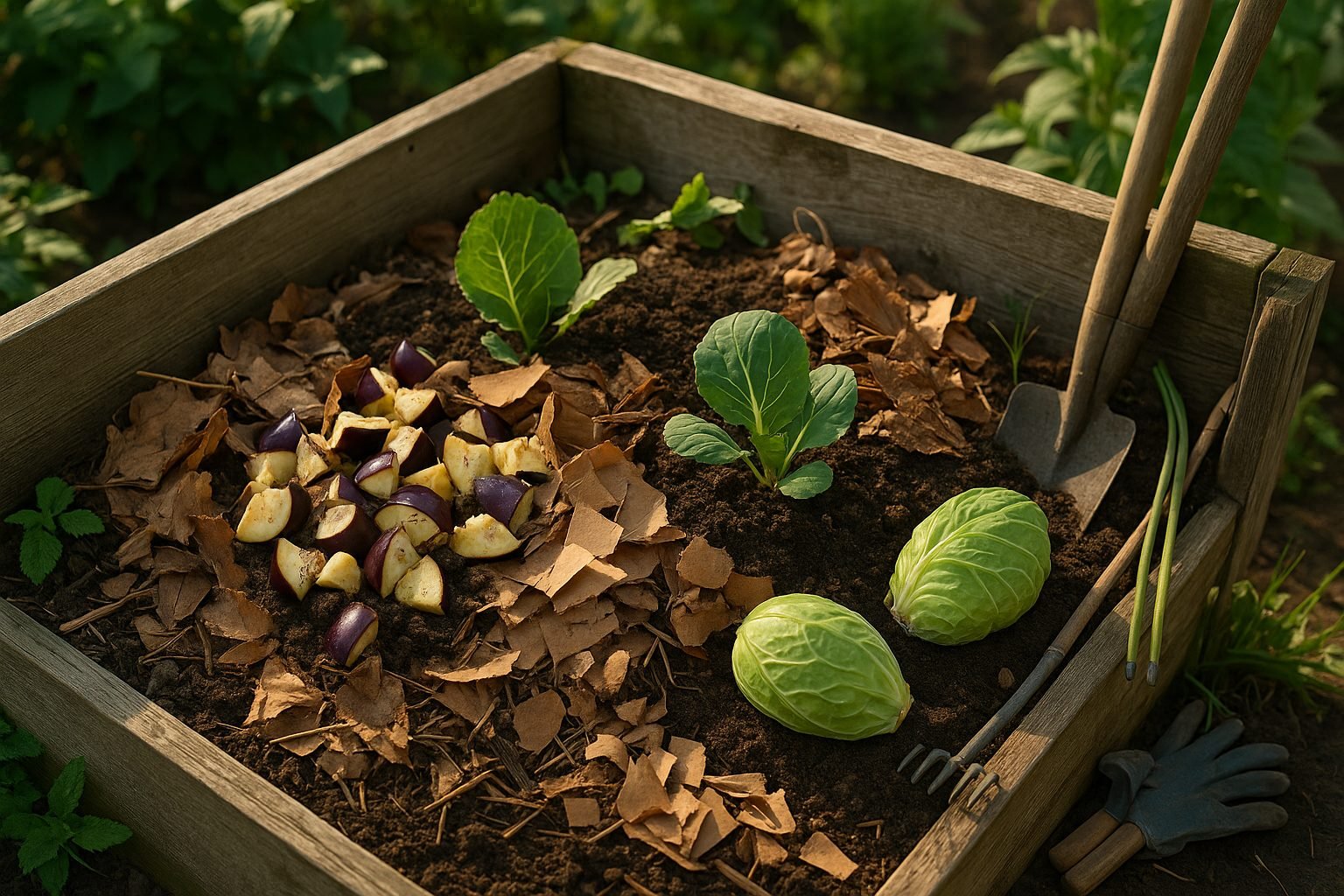
Why Compost Eggplant (Aubergine)?
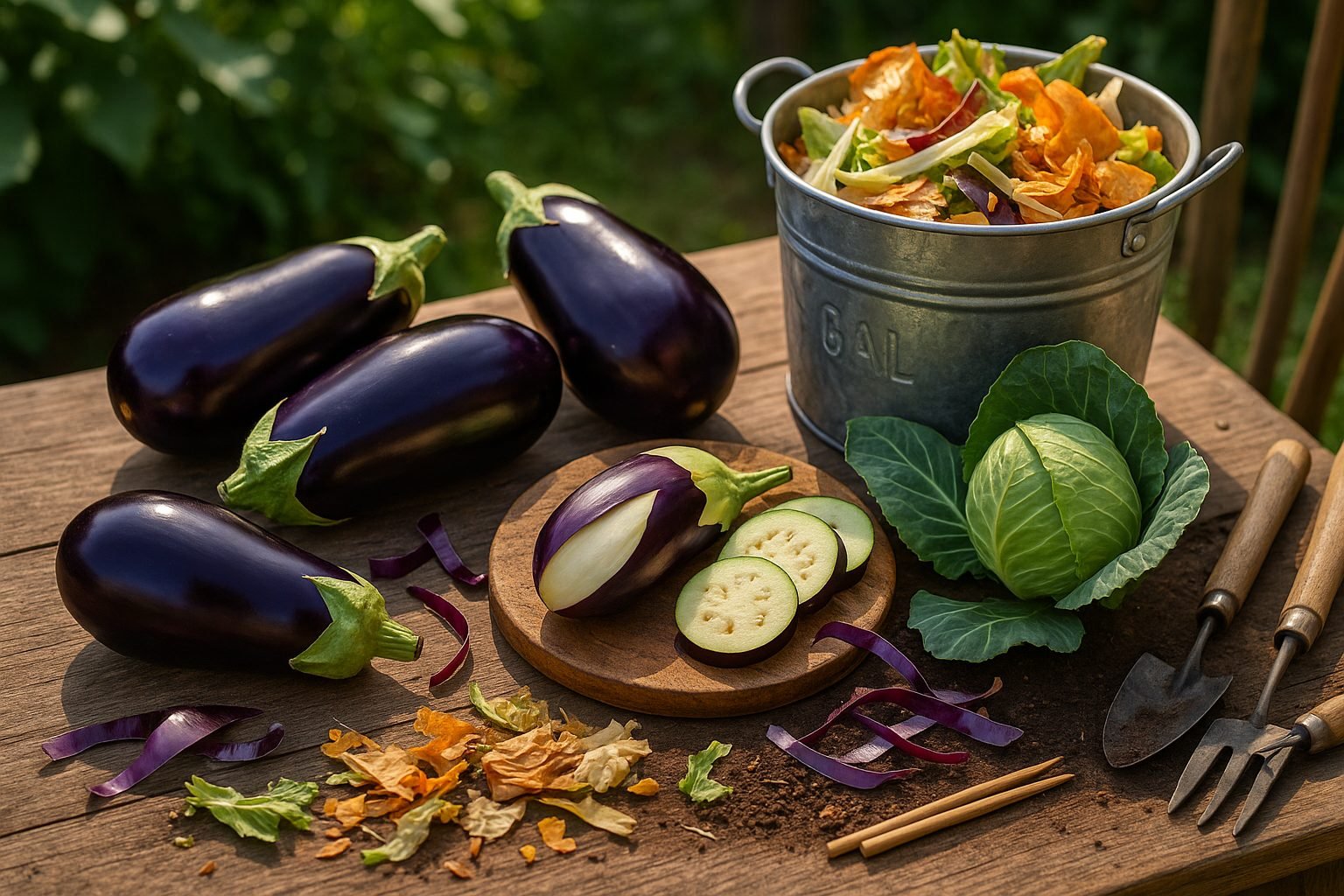
Composting eggplant is an easy yet impactful way to turn kitchen scraps into garden gold. Every time you toss eggplant peels, stems, or spoiled slices into your compost bin, you’re making a smart choice for both the environment and your garden.
Eggplants, known as aubergines in many parts of the world, break down quickly and add valuable nutrients like potassium, fiber, and trace minerals to your compost pile. These nutrients help enrich your finished compost, supporting stronger root growth and more vigorous plants when you return that rich, dark compost to your soil.
Composting eggplant also helps cut down on the amount of organic waste ending up in landfills, where it would otherwise produce methane, a harmful greenhouse gas. By composting at home, you’re not only shrinking your household’s waste footprint but also creating a natural fertilizer that saves you money and keeps your garden eco-friendly.
Plus, combining eggplant scraps with other fruits, veggies, or yard clippings ensures a balanced compost mix, leading to faster decomposition and healthier microbial activity. Whether you grow your own crops or simply want to make less trash, composting eggplant is a simple step with big eco benefits—turning everyday kitchen waste into something wonderful for both your plants and the planet.
Preparing Eggplant for Composting
Getting eggplant ready for composting is simple, but a few extra steps can help speed up decomposition and prevent issues in your pile. Start by washing the eggplant and checking for any stickers or plastic labels—these don’t break down and can contaminate your compost, so remove them before tossing anything in.
For whole eggplants, it’s best to chop them into smaller pieces, ideally around one to two inches. This increases the surface area exposed to microbes, letting them work faster and resulting in a much quicker breakdown compared to tossing in a whole, uncut eggplant, which can take months to fully decompose.
Eggplant peels, on the other hand, are thinner and decompose relatively quickly, especially if you cut them up or mix them well into the center of your compost heap for warmth.
Both raw and cooked eggplant can be composted, but cooked eggplant—assuming it’s free of oils, salts, or sauces—will decompose slightly faster due to its softened texture. However, be cautious: oily or seasoned cooked eggplant can attract pests and slow down composting, so stick to plain, unseasoned leftovers.
Overall, prepping your eggplants by removing non-organic materials, chopping them into small pieces, and being selective with cooked scraps ensures your compost stays healthy and active.
Balancing Materials: The Green and Brown Mix
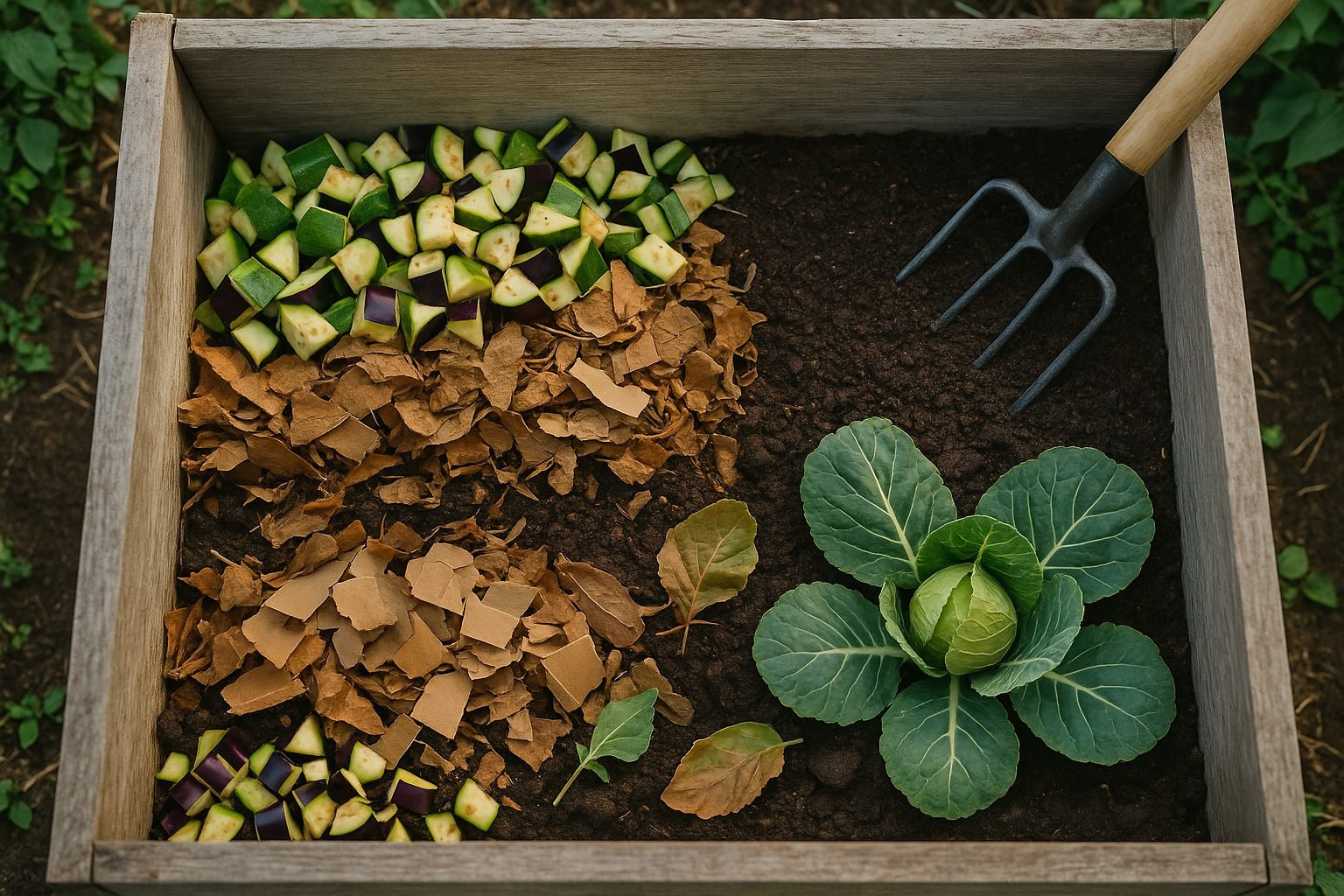
Getting the right mix of nitrogen-rich “green” materials and carbon-rich “brown” materials is key to maintaining a healthy compost pile—especially when you’re adding lots of a moist veggie like eggplant. Eggplant, like most kitchen scraps, falls into the “green” category, supplying microbes with nitrogen that fuels decomposition. However, too much green material can make your compost soggy, smelly, and slow to break down.
To keep things in balance, mix in brown materials, which are dry and high in carbon. Good browns include items like shredded newspaper, cardboard, dead leaves, straw, paper towels, or clean sawdust. For every bucket of chopped eggplant you add, mix in at least two buckets of dry browns; this helps absorb excess moisture and ensures a better mix.
Simple Recipe for Composting Lots of Eggplant
If you’re composting lots of eggplant—say, a bin full from a big harvest or kitchen clean-out—try this simple recipe:
- Layer one part eggplant scraps with two parts shredded cardboard or leaves.
- Sprinkle in a handful of finished compost or garden soil to introduce helpful microbes.
- Mix gently.
Regularly turning your pile will also help speed decomposition and keep odors at bay. By keeping the green-brown ratio in check, your compost pile will stay sweet-smelling, break down faster, and reward you with nutrient-rich compost for your garden.
Preventing Pests and Odors in Your Compost
Composting eggplant is a great way to recycle kitchen scraps, but it’s important to take some simple steps to prevent pests and odors. First, always chop eggplant into small pieces to help it break down faster, and mix it well with dry “browns” like shredded newspaper, dried leaves, or straw. This helps soak up excess moisture since eggplants are over 90% water, reducing the risk of a soggy, smelly pile.
Keep your compost balanced, aiming for a mix of roughly three parts browns to one part greens (like eggplant). Turn your pile every week or so to ensure good airflow and speed up decomposition—this discourages rodents and insects, who love undisturbed piles.
Some people worry that eggplant will attract rats or mice, but as long as you avoid adding oily cooked foods or leaving scraps exposed, eggplant peels and flesh are no more attractive to pests than other veggies.
If you notice odors, add more dry browns and check for large, wet clumps where air isn’t circulating. It’s a myth that eggplant can’t be composted because of bitterness or thick skins—both break down well over time.
For extra odor control, consider adding a thin layer of finished compost or garden soil on top after each addition, which can trap smells and deter scavengers. Keep your pile lightly moist but not soggy, like a wrung-out sponge, and you’ll enjoy rich compost without the headache of pests or unpleasant smells.
Troubleshooting Common Composting Issues
Composting eggplant can sometimes present a few challenges, but most problems are easy to fix with a little know-how. If you notice your compost breaking down slowly after adding eggplant, it may be due to too much moisture from the vegetable’s high water content.
To resolve this, mix in more dry, brown materials like shredded newspaper, straw, or dried leaves to balance the moisture and improve airflow. Excess moisture can also lead to unpleasant smells, signaling that the pile has gone anaerobic. If you catch a sour or rotten odor, turn the compost to increase aeration and sprinkle in extra browns to soak up excess liquid.
Eggplant skins are tough and may decompose slowly, so chopping them into smaller pieces before composting can speed up the process. Sometimes, if eggplants have been treated with heavy pesticides, are diseased, or covered in mold, it’s better to avoid composting them altogether—these can introduce unwanted chemicals or pathogens into your compost.
In those cases, consider disposing of affected eggplant scraps in municipal green waste bins or using a separate vermicomposting system, which can handle a wider range of kitchen waste. Always monitor your compost pile after adding eggplant and adjust the mix as needed; successful composting is all about keeping a good balance of green and brown materials, moisture, and plenty of air.
Using Finished Eggplant Compost in the Garden
Knowing when your eggplant compost is ready is key to getting the most benefit for your garden. Mature compost will be dark brown or black, have a crumbly texture, and smell earthy—not sour or rotten. You shouldn’t be able to recognize the original eggplant pieces; everything should be fully broken down. If you still see chunks or smell ammonia, let it sit longer.
Once fully cured, spread a 1-2 inch layer of eggplant-enriched compost onto garden beds or mix it into potting soil for indoor plants. Work it gently into the top few inches of soil to boost aeration and nutrient availability.
Because eggplant compost is rich in nutrients, it’s especially good for heavy feeders like tomatoes, peppers, and leafy greens. Use a lighter hand with succulents or cacti, which prefer leaner soils. Always avoid using unfinished compost, as it may draw nitrogen from the soil and potentially harm plants.
Over time, this compost improves drainage, increases organic matter, and supports healthy soil microbes—all of which help plants resist diseases and grow stronger. For potted plants, blend in compost at no more than one part compost to three parts soil to avoid potential nutrient overload.
Regularly amending your soil with matured eggplant compost ensures lush, productive growth and makes great use of kitchen scraps that would otherwise go to waste.
Frequently Asked Questions About Composting Eggplant
One common question is whether cooked eggplant can go in the compost bin. The answer is yes, but with a little caution: cooked eggplant—like other cooked veggies—often contains oil, salt, or sauces, which can attract pests or slow down decomposition, especially in small home composters. If you only have a bit and it’s mostly plain, mix it well into the pile and always balance it with dry materials, like leaves or paper.
Another frequent concern is whether eggplant skin is safe for vermicomposting (worm bins). Eggplant skin is perfectly fine for worms, but it can be a bit tough, so chopping it into small pieces helps the worms break it down faster. Just be sure not to overload your worm bin, as too much of any single food—like eggplant—can create soggy spots or unwanted smells.
A good rule of thumb: make eggplant scraps just a small part of your overall food waste mix, aiming for good variety to keep your compost or worm bin healthy and odor-free.