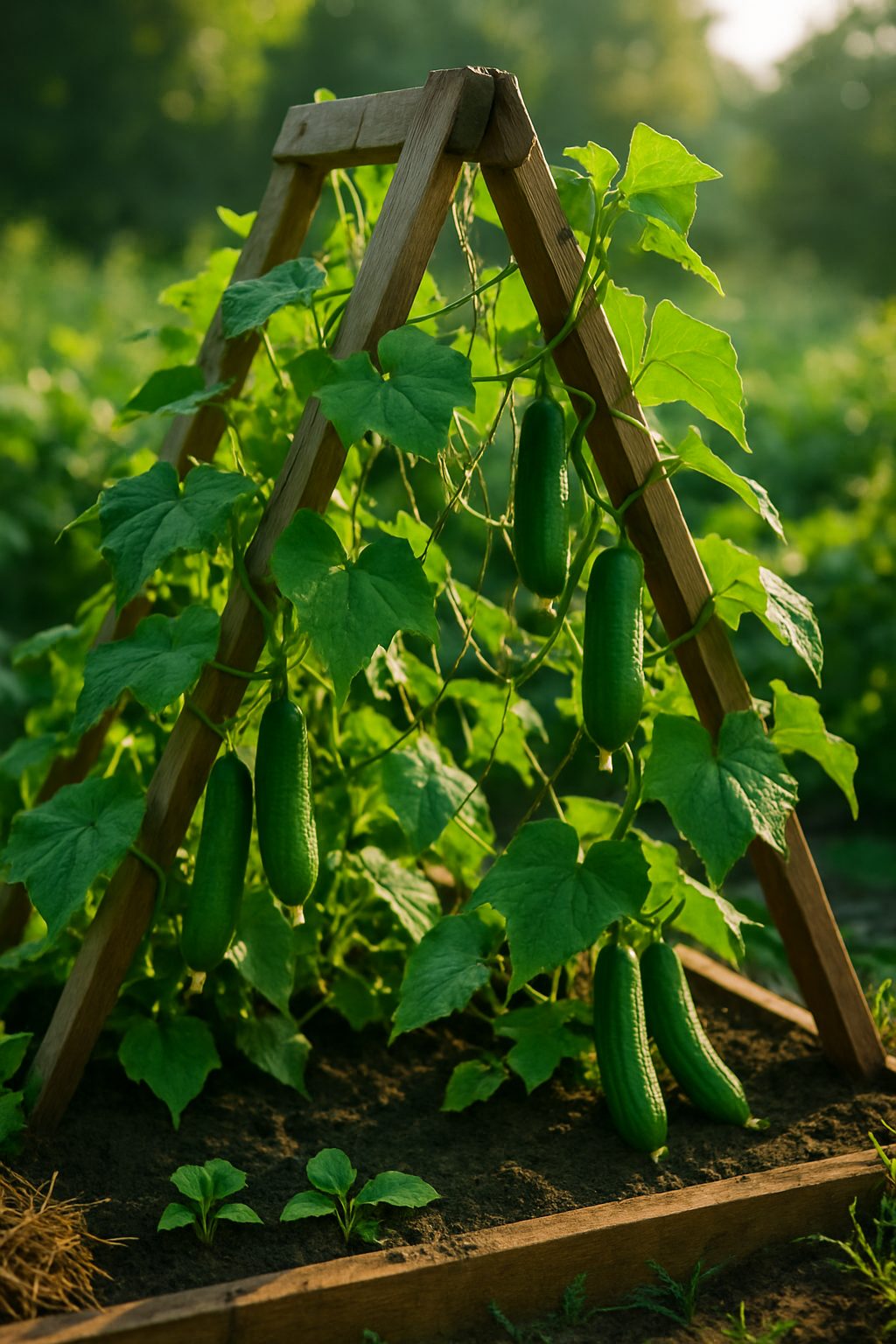
Why Trellis Cucumbers?
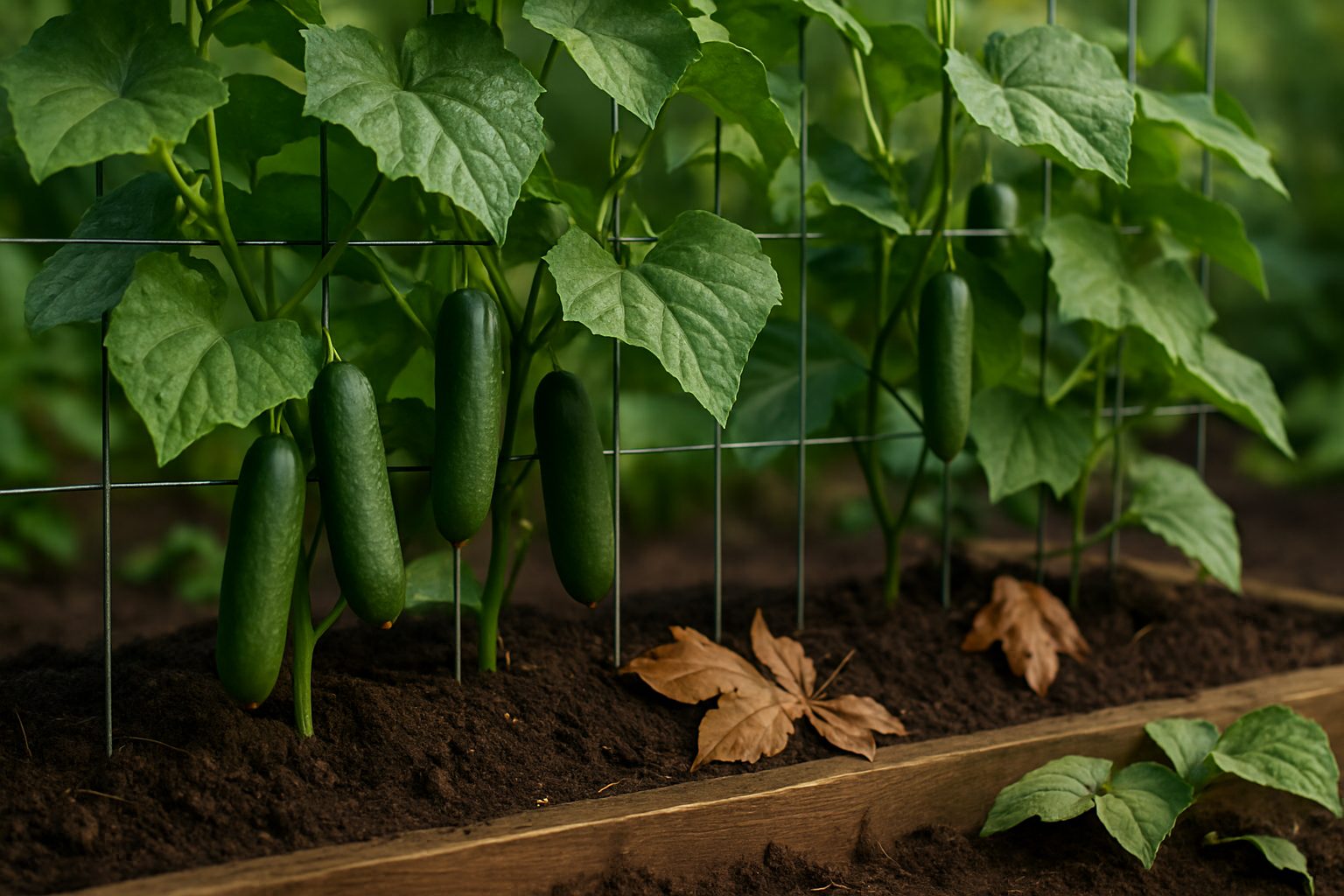
Understanding cucumber trellis needs is essential if you want a healthier and more productive cucumber harvest. While it’s possible to let cucumber vines sprawl along the ground, trellising offers significant advantages.
First, when grown on a trellis, cucumbers benefit from improved air circulation—this makes it harder for fungus and mildew to take hold, resulting in fewer disease problems. More airflow also means leaves and fruit dry off faster after rain or watering, further reducing the risk of rot or blight.
Another big plus: trellised cucumbers are easier to keep clean since the fruit hangs off the ground. You don’t have to rinse away as much dirt or worry about slugs and insects nibbling your crop. Harvesting becomes a breeze, too; instead of searching for hidden cucumbers under thick foliage, you can spot and pick them at eye level.
Trellising isn’t just about convenience—it also saves precious garden space by encouraging vertical growth, making it ideal for small backyards, patios, or container gardening.
On the other hand, when cucumber vines spread across the ground, they tend to get crowded, making it harder for sunlight and fresh air to reach all parts of the plant. This not only attracts pests like beetles and aphids but also encourages disease. Fruit can become misshapen, yellowed, or go unnoticed until it’s overripe.
Ultimately, giving your cucumbers the support of a trellis results in healthier foliage, higher yields, and tastier fruit. Whether you’re a beginner or an experienced gardener, investing in sturdy vertical support pays off quickly with thriving cucumber plants and a harvest that’s easier, cleaner, and more rewarding.
Types of Cucumber Trellises
When growing cucumbers vertically, choosing the right trellis can make a big difference in plant health and harvest. Here are some popular options to consider:
- A-frame trellises: These are sturdy and easy to access from both sides—perfect for small gardens or raised beds. Usually made from wood or metal, they are relatively simple to build, though lumber costs can add up.
- Arch or arched trellises: These create a beautiful garden focal point while providing ample space for vines. They often use strong metal mesh over a frame, making them durable but a bit pricier and heavier to move.
- Lean-to trellises: Great for placing against fences or walls, saving space in tiny gardens. They can be built from scrap wood or inexpensive lattice, though they may require extra anchoring in windy areas.
- Bamboo trellises: Offer an eco-friendly, budget-friendly solution ideal for DIY gardeners. However, they may not last beyond a season or two in wet climates.
- Wire or metal mesh panels: Like cattle panels, these are extremely durable and can support heavy yields. They cost more upfront and may not blend seamlessly into every garden style.
- String or netting trellises: Cost-effective and great for community or school gardens. They’re quick to install but may stretch or sag under a large crop.
- Upcycled trellises: Made from old ladders, crib rails, or pallet wood, these keep costs down and add quirky character. Their longevity depends on the materials used.
When choosing a trellis, think about your budget, available materials, durability needs, and how much space you want to save. For example, opt for wire panels if you want a multi-season investment, or try bamboo and string if you’re experimenting or growing on a tight budget. Each type has its perks, so balancing cost, durability, and ease of setup will help you pick the perfect fit for your cucumber patch.
How to Build and Set Up a Cucumber Trellis
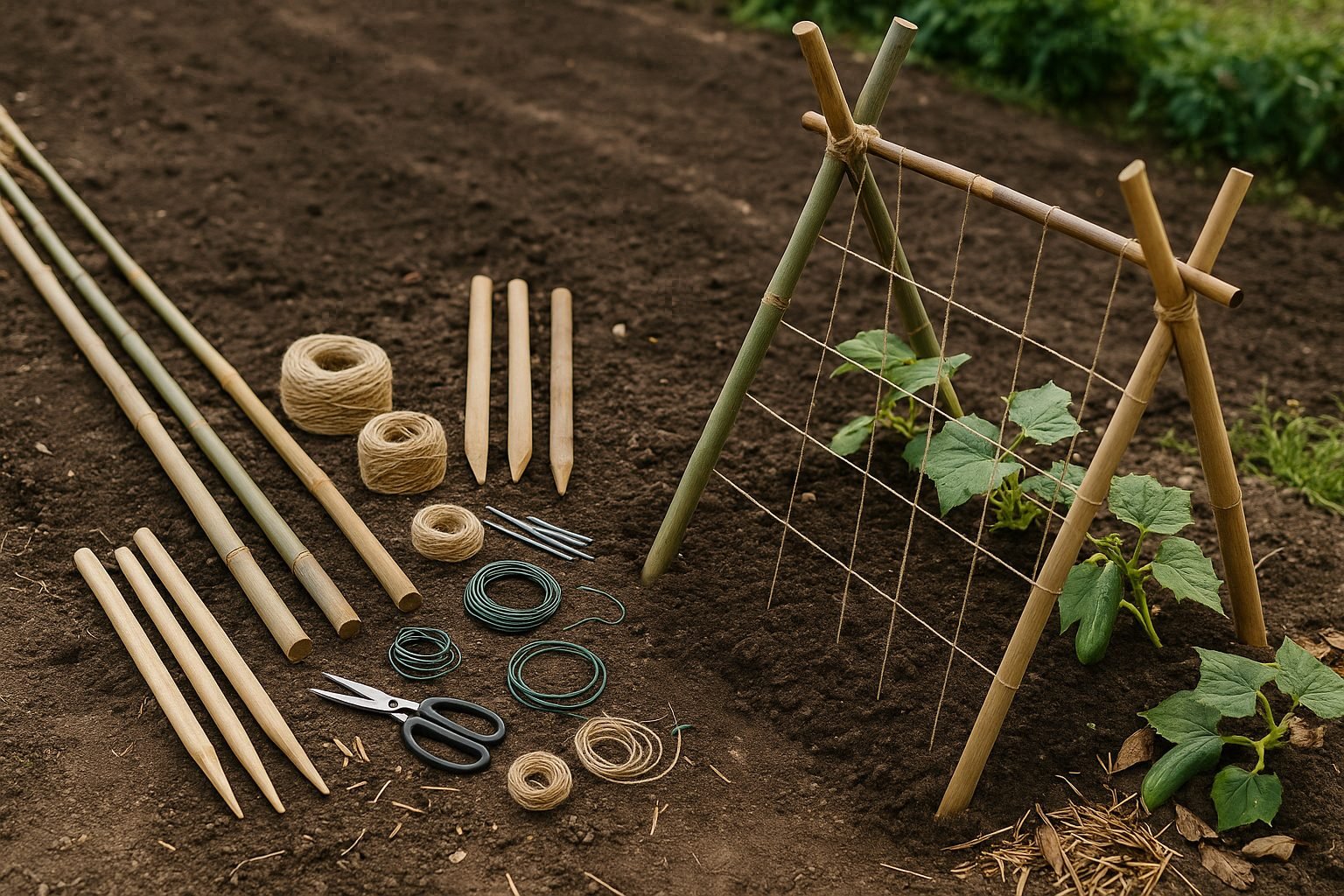
Building a sturdy cucumber trellis at home is easier than you might think. It makes harvesting cleaner and promotes healthy plant growth. To start, gather materials like bamboo poles, wooden stakes, or sturdy branches—whatever you have available—and some garden wire or twine.
For a basic A-frame trellis, drive two tall stakes or bamboo poles into the ground at each end of your cucumber row, angling them toward each other at the top to form a peak. Secure them together with wire, twine, or zip ties. Then, string garden wire or twine horizontally across the two peaks every 6 to 8 inches, starting just above the soil and going up to your desired height (at least 5 to 6 feet is ideal for most cucumber varieties). This setup gives the vines plenty of climbing options and keeps fruit off the ground.
Position your trellis where the cucumbers will get at least 6 to 8 hours of sunlight each day. Try to place it so one side is sheltered from strong afternoon winds—using a wall, hedge, or other windbreak if needed.
If space is tight, don’t hesitate to use existing structures. Sturdy fences, arched gateways, or old tomato cages work well as supports with some added twine or mesh.
For optimal yields, ensure your trellis rows are spaced at least three feet apart so plants get good airflow. This helps prevent disease and makes picking easier. Always check your supports after heavy wind or rain, adjusting or reinforcing as necessary.
With a simple setup and mindful location, you’ll make the most of small spaces while keeping your cucumbers happy and productive.
Planting Cucumbers to Grow Up a Trellis
When growing cucumbers up a trellis, it’s best to choose vining varieties rather than bush types. Vining cucumbers like ‘Marketmore 76’, ‘Straight Eight’, or ‘Lemon’ naturally climb and produce long vines that are easy to train, making them perfect for vertical gardening. Bush varieties, such as ‘Bush Champion’, tend to stay compact and won’t climb a trellis efficiently.
To plant, start by loosening the soil at the base of your trellis and mixing in compost for extra nutrition. Sow seeds about 1 inch deep and 12 inches apart; with seedlings, plant them at the same depth as in their container and provide enough space so air circulates between plants, which helps prevent disease.
If you’re growing in containers, pick pots at least 12 inches deep and wide, fill them with a rich, well-draining potting mix, and position your trellis directly behind the plants. For raised beds, simply line up your trellis along one side of the bed and plant cucumbers as you would in the ground, keeping that 12-inch spacing.
Always water thoroughly after sowing to help seeds settle. As the vines grow, gently tie them to the trellis with soft garden ties or twine to encourage upward growth. This method not only saves space and keeps fruit cleaner, but also improves airflow—helpful for battling common pests and diseases.
Whether you’re planting in the ground, a raised bed, or a container, the key is good soil, plenty of sun, and guiding those vines to reach for the sky.
Training and Caring for Trellised Cucumbers
Training cucumbers to climb a trellis not only saves space but also results in cleaner fruit and better air circulation, reducing the chances of disease. Start by guiding the young vines toward the trellis as soon as they have a few true leaves. Gently weave the stems through the supports or loosely tie them with garden twine or soft plant clips—avoid tight binding, which can damage stems as they grow.
As the plants continue climbing, prune away any side shoots or yellowing leaves near the base to boost airflow and channel the plant’s energy into fruit production. Regular pruning also makes it easier to spot pests early.
Watering and Mulching
Trellised cucumbers tend to dry out faster than ground-planted ones because they’re more exposed to wind and sun. Check soil moisture daily and provide deep watering at the base rather than from above to keep leaves dry—this helps prevent powdery mildew. Use an organic mulch like straw to retain soil moisture and suppress weeds.
Fertilization
Apply a balanced vegetable fertilizer or side-dress with compost every few weeks, as vigorous upward growth demands consistent nutrients. However, avoid over-fertilizing, which can lead to lush foliage but fewer fruits.
Pest and Disease Management
Keep an eye out for issues like wilting, which can signal under-watering, root damage, or disease. Check leaves often for signs of cucumber beetles, aphids, or fungal spots. Remove any discolored or damaged leaves promptly and introduce beneficial insects like ladybugs for natural pest control.
If signs of disease appear, improve airflow by pruning and consider organic treatments like neem oil—always spot-test new sprays first.
With attentive training, watering, and pest management, your trellised cucumber plants will stay healthy and productive all season long.
Maximizing Yields and Harvesting
Trellising is a game-changer when it comes to maximizing cucumber yields, and it all starts with healthier, happier plants. By training your cucumber vines upward, you improve airflow and sunlight exposure, which helps prevent diseases like powdery mildew and promotes robust growth. Plus, trellised cucumbers are easier for pollinators like bees to access, leading to more consistent fruit set and higher yields.
To get the most from your crop, check your plants every couple of days. Regular inspection lets you spot pests, diseases, or misshapen fruit early, so you can intervene before problems spread.
When it’s time to harvest, pick cucumbers while they’re still young and firm—usually when they’re about 6-8 inches long for slicers, or even smaller for pickling varieties. Waiting too long can result in bitter, seedy cucumbers and may signal the plant to slow or stop producing. Frequent harvesting actually encourages the vines to keep setting new fruit, so don’t be shy about picking often.
Once harvested, store your cucumbers in the refrigerator in a perforated plastic bag or loosely wrapped in a paper towel inside a produce drawer. This keeps them crisp and fresh for around a week. Avoid storing cucumbers near ethylene-producing fruits like apples or bananas, as this can cause them to soften quickly.
By focusing on trellising, timely harvesting, and proper storage, you’ll enjoy a steady supply of delicious, homegrown cucumbers all season long.
Creative Trellis Ideas and Inspiration
If you’re looking to add a touch of creativity and function to your garden, think beyond the standard wooden trellis. Upcycled and alternative materials can give your space personality while providing sturdy support for climbing plants.
Repurpose an old wooden ladder as a vertical pea or bean trellis—simply prop it against a fence or wall for instant rustic charm. Cattle panels, which are large wire grids used in farming, make excellent robust frames for vining crops like cucumbers or squash; arch them between two garden beds to create a living tunnel that’s both beautiful and practical. Tomato cages, apart from corralling tomatoes, can be inverted and wrapped with twine to serve as artistic supports for morning glories or sweet peas. For a budget-friendly option, assemble PVC pipes into geometric frames that blend seamlessly with modern garden aesthetics; paint them for extra flair or keep the look clean and minimal.
Matching Trellises to Your Garden Style
When integrating trellises, consider your overall garden style. For cottage gardens, vintage windows and repurposed door frames make whimsical, eclectic supports. In a contemporary yard, sleek metal rods or minimalist wire grids can highlight both the plants and the design.
Position tall trellises at the back of beds for a layered look, or use smaller ones to define garden paths and entrances. Don’t be afraid to combine multiple materials—pair weathered wood with black metal for an industrial twist, or weave natural twigs between frames for a woodland feel.
Get Creative and Experiment
The best part about creative trellises is that there’s no wrong way to experiment. Browse Pinterest and YouTube for step-by-step DIY tutorials or join gardening forums to see real-world trellis hacks and inspiration from fellow gardeners.
Sometimes the most effective supports are hiding in your garage or local thrift shop—let your imagination lead, and your plants will follow.