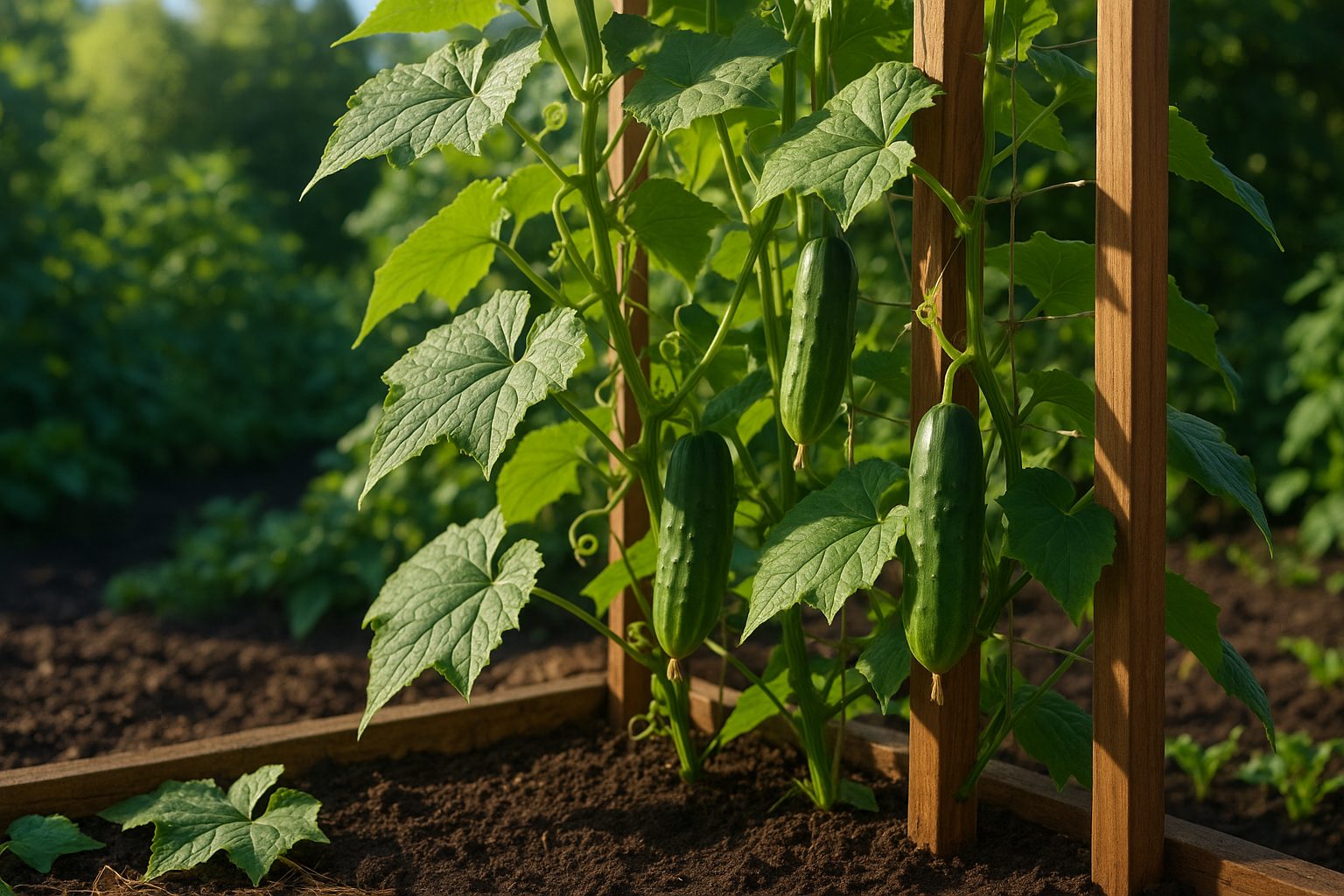
Introduction to Growing Cucumbers
If you’re searching for the best beginner cucumbers to grow in your garden, you’re in luck—cucumbers are one of the most popular and rewarding choices for new gardeners. Their popularity isn’t just about the crisp, refreshing taste. Cucumbers are remarkably easy to grow, adapt well to many climates, and can go from seed to harvest in just a few short weeks, making them ideal for anyone eager to enjoy fresh produce quickly. Whether you want to toss them in salads, pickle them, or snack straight from the vine, their versatility means your hard work pays off in countless delicious ways.
Before you dive in, though, it’s important to consider a few key factors to set yourself up for success. Think about the space you have available—while some cucumber varieties are compact and perfect for containers, others love to sprawl and need room to spread. Sunlight is crucial: cucumbers thrive best with at least six hours of direct sunlight each day. You’ll also want to understand the different cucumber types, like slicing, pickling, and bush varieties, as each has unique needs and flavors.
In this article, you’ll discover the easiest cucumbers for beginners—tried-and-true varieties that are forgiving for first-timers and yield generously. We’ll walk you through what to look for when choosing seeds, expert planting tips, and practical advice on caring for your cucumber plants. Whether you have space for a sprawling garden bed or a modest container on your balcony, you’ll find actionable steps to growing your tastiest batch yet.
Choosing the Right Cucumber Variety
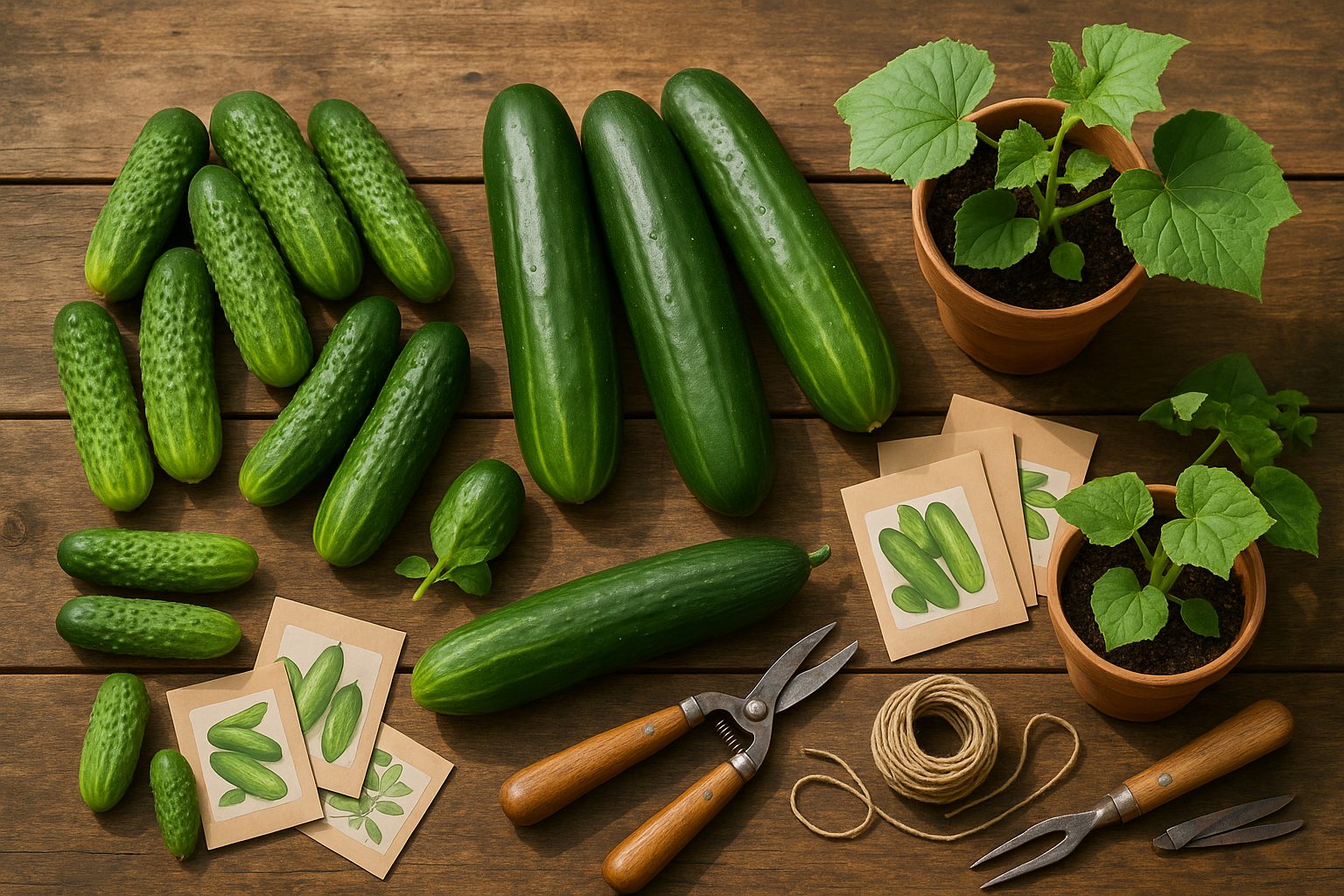
Picking the right cucumber variety starts with knowing how you plan to use your harvest and what fits your growing space.
Pickling cucumbers, like ‘Boston Pickling’ or ‘National Pickling,’ are short and crisp—perfect for jars and easy to recognize by their bumpy skin. They’re great for crunchy homemade pickles but can also be enjoyed fresh in salads.
Slicing cucumbers, such as ‘Marketmore 76’ or ‘Straight Eight,’ are bred for eating fresh, with smoother skin and a mild flavor, making them a favorite for sandwiches and salads.
If you love a touch of history, heirloom varieties like the ‘Lemon’ cucumber offer unique shapes and sweet flavors, although they can sometimes be less disease-resistant than modern hybrids.
For gardeners tight on space, compact or bush varieties, including ‘Spacemaster’ or ‘Bush Pickle,’ thrive in containers and raised beds, letting anyone with even a sunny balcony join in.
International varieties, like Japanese ‘Kyuri’ or Armenian cucumbers, bring thin skins and fewer seeds, ideal for those seeking tender, gourmet crunch and new flavors. However, some may need warmer climates or longer growing seasons.
When choosing your cucumber, pay attention to disease resistance (noted on seed packets as codes like ‘DMR’ for Downy Mildew Resistance), your local climate (some handle heat or cool nights better), and your available space.
Beginners are often happiest with disease-resistant, high-yielding varieties—‘Marketmore 76’ and ‘Bush Champion’ are both forgiving and reward even first-time growers.
The biggest downside to heirlooms is their sometimes finicky nature and lower yields, while compact types usually produce fewer fruits but make up for it by fitting almost anywhere.
Try mixing a couple of types to suit both pickling and fresh eating, and always check whether your favorite needs pollinators or is a parthenocarpic (self-fruiting) variety for greenhouse success.
Planting and Sowing Cucumbers
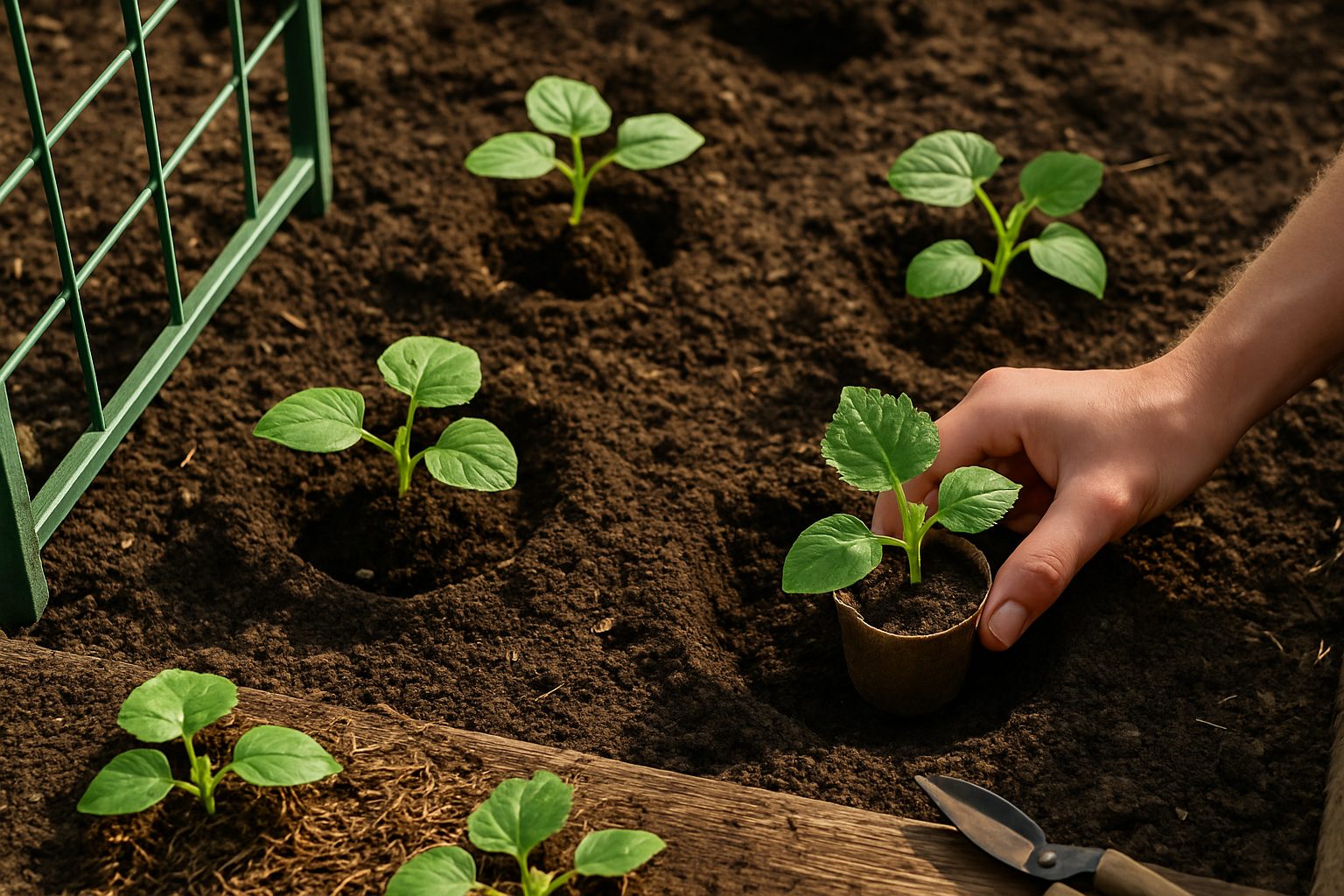
For a successful cucumber harvest, timing is everything. Cucumbers thrive when soil temperatures stay consistently above 65°F (18°C), so wait to plant outdoors until at least two weeks after your last frost.
In cooler climates, start seeds indoors about 3-4 weeks before transplanting, using peat pots that allow for gentle handling later. Before moving young plants outside, gradually acclimate them to outdoor conditions—a process called hardening off—by placing them outside in a sheltered, shaded spot for a few hours a day over the course of a week.
Whether sowing seeds directly or transplanting, give your plants the best start by working compost or well-rotted manure into the soil, ensuring it’s loose, fertile, and drains well.
Space seeds or seedlings 12-18 inches apart in rows at least 3 feet apart, or use mounds with three seeds per hill, thinning to the strongest seedling later.
For vertical growing and healthier fruit, install a sturdy trellis or cucumber cage at planting time. This keeps vines off the ground, saving space and reducing the risk of disease.
Water deeply at the base of the plants rather than overhead, and mulch to retain moisture and suppress weeds.
A little careful planning at planting time leads to vigorous vines and plump, tasty cucumbers all summer.
Essential Care for Healthy Growth
Ensuring your plants thrive starts with consistent watering. Both under- and over-watering can stunt growth or cause root rot. Aim to keep the soil damp but not soggy, watering when the top inch feels dry—early mornings are best to minimize evaporation.
At different growth stages, plants require tailored nutrition:
- Seedlings benefit from a gentle, balanced liquid fertilizer every two weeks.
- Established plants flourish with a slow-release granular fertilizer, ideally one with equal parts nitrogen, phosphorus, and potassium for steady, even growth.
Sunlight plays a vital role, too. Most garden favorites need at least six hours of direct light daily, though leafy greens often appreciate a bit of afternoon shade, especially during hot spells.
Mulching around the base with organic materials like straw, bark, or compost helps retain moisture, suppress weeds, and regulate soil temperature—all of which create an ideal microclimate for roots.
To shield your plants from weather extremes, consider these tips:
- Use row covers to block harsh sun or sudden cold.
- Stake taller stems to prevent wind damage.
- Consider portable cold frames for early spring or late fall protection.
By tending to these essentials with daily attention and some seasonal planning, you set the foundation for lush, productive growth all season long.
Flowering, Pollination & Maximizing Yield
Cucumber plants go through a distinct flowering stage before they can set fruit, producing both male and female flowers. Male flowers usually appear first, followed by female flowers, which you can recognize by the small immature cucumber at their base.
Pollination is crucial at this point—without it, those tiny fruits won’t develop. In open gardens, bees and other insects usually handle pollination naturally. However, if you’re growing cucumbers in a greenhouse or on a balcony with few pollinators, you might need to hand-pollinate.
To hand-pollinate, use a soft paintbrush or cotton swab to gently transfer pollen from a male flower (which has no swelling at the base) to the center of a female flower. If you notice female flowers yellowing and falling off before fruit develops, poor pollination is often to blame.
Boosting Pollination
You can encourage more pollinator visits by:
- Planting flowers like marigolds or zinnias nearby
- Misting plants with water to create a more inviting environment
Maximizing Yield
For ongoing production, frequent harvesting is key. Pick cucumbers every couple of days once they reach the desired size. Leaving mature fruits on the vine signals the plant to slow down or stop new flower development.
Removing overripe cucumbers promptly keeps your plant in full production mode, allowing you to enjoy a steady supply throughout the growing season.
Pest, Disease & Growth Problems
Cucumber plants, like many garden favorites, attract pests and diseases if not cared for properly. Aphids and cucumber beetles are notorious culprits, often found munching on leaves or causing plant wilting. Be sure to regularly check the undersides of leaves for tiny, soft-bodied aphids or striped beetles that can spread bacterial wilt.
Another common issue is powdery mildew, which appears as white, powdery patches on leaves and thrives in humid conditions. To prevent it, space plants well, avoid overhead watering, and improve air circulation. If mildew appears, a gentle spray made from one tablespoon of baking soda mixed in a gallon of water can help slow its spread.
For pests, encourage beneficial insects like ladybugs or use insecticidal soap as a natural remedy, reapplying after rain or heavy watering.
Beyond pests and disease, cucumbers sometimes develop a bitter flavor or odd shapes. This is usually due to inconsistent watering, extreme heat, or poor pollination. Keep soil evenly moist by watering deeply at the base, mulch to maintain soil moisture, and pick cucumbers regularly when young for the best taste.
Misshapen fruit can result from uneven pollination, often caused by a lack of bees. If you notice deformed cucumbers, consider hand-pollinating flowers with a soft brush. Also, avoid letting a few fruits get oversized on the vine, as this signals the plant to stop producing.
Healthy cucumber plants thrive with consistent care—frequent observation, good garden hygiene, and quick intervention with natural remedies go a long way in preventing most issues before they get out of hand.
Harvesting and Using Your Cucumbers
Knowing the right time to harvest cucumbers is key to enjoying their crisp, refreshing flavor. Pick cucumbers when they’re still bright green, firm to the touch, and before they start to turn yellow or grow too large—generally when they’re about six to eight inches long for slicing varieties. Overripe cucumbers can become bitter and seedy, so check your plants often and use clean garden shears or scissors to cut them free, leaving a small stem attached to help them last longer.
Once harvested, cucumbers keep best in the fridge, loosely wrapped in a paper towel inside a plastic bag. They’ll stay fresh for about a week, but try not to store them near fruits like apples or bananas, which can make cucumbers spoil faster.
Beyond salads, get creative by slicing cucumbers into water for a refreshing drink, blitzing them into chilled soups like gazpacho, or quick-pickling for crisp homemade snacks. Try growing different types—such as small, crunchy pickling cucumbers or unique round lemon cucumbers—for new flavors and fun garden discoveries. Each variety offers something distinct, and part of the joy of home gardening is experimenting and tasting your way through the harvest season.
Don’t be afraid to try new recipes or share extras with friends—the best part is finding what you love while making the most of your fresh-picked bounty.