Getting Started with Growing Cucumbers
Watering cucumbers the right way can make the difference between lush, productive vines and struggling, wilted plants. If you’re ready to dive into growing this versatile vegetable, it’s helpful to know a bit about cucumber varieties first.
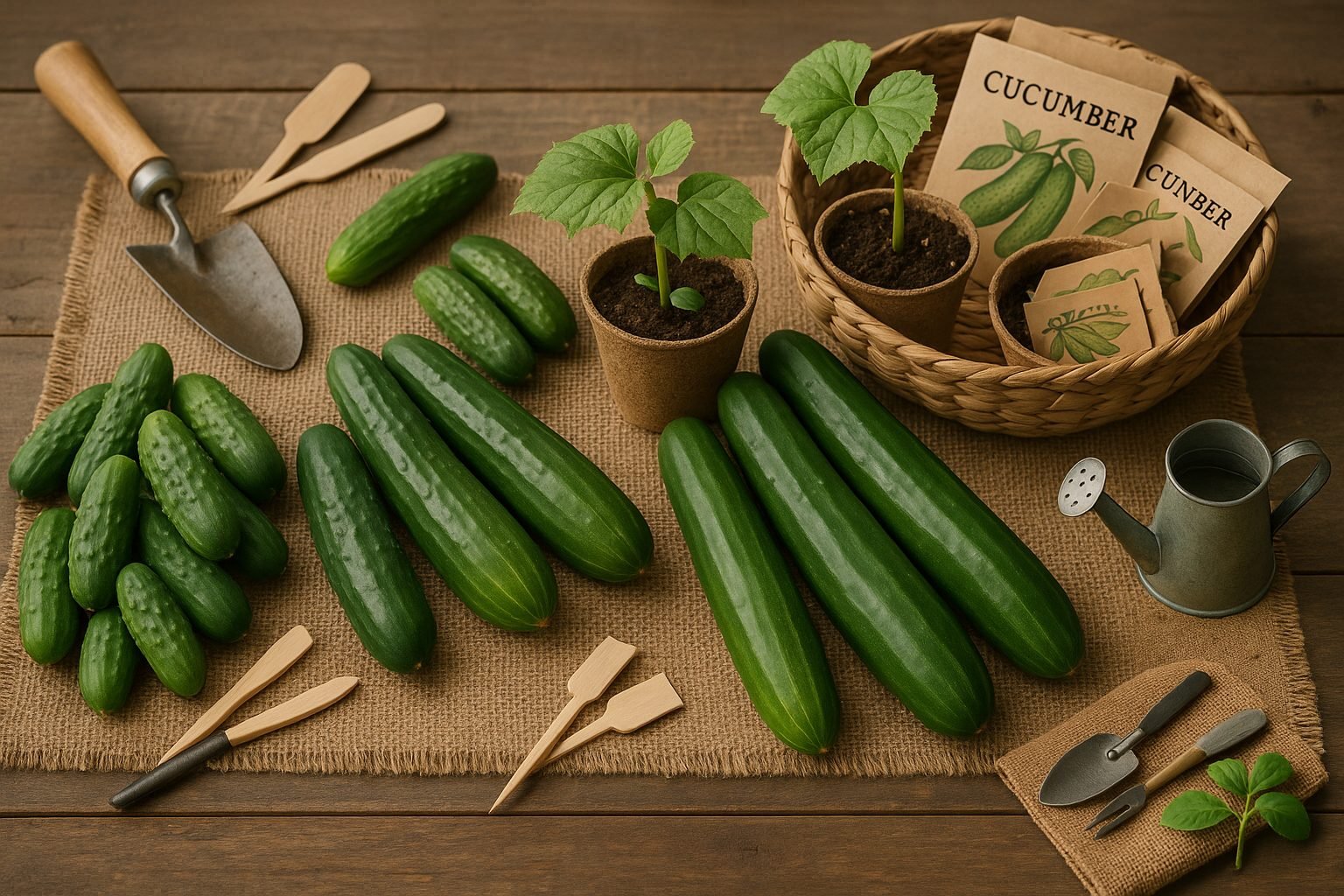
Bush cucumbers are compact and ideal for small gardens or container growing, while vining types need more space and support but typically yield more fruit. Pickling cucumbers are short, thin-skinned, and perfect for the canning jar, whereas slicing varieties are longer and best enjoyed fresh in salads and sandwiches.
Whatever variety you choose, placement matters—cucumbers thrive in full sun, ideally 6 to 8 hours daily. They favor warm climates and soil temperatures consistently above 60°F, making late spring through early summer the best time to plant in most regions. Also, choose a spot protected from strong winds as cucumber vines can be delicate.
Don’t overlook the importance of starting with healthy seeds or seedlings; they’ll be less susceptible to disease and give you a better head start. Look for seeds from reputable suppliers or sturdy, disease-free transplants at the nursery. Remember, vibrant green leaves and firm, white roots are signs of strong seedlings.
By selecting your variety with care, finding the right growing spot, and ensuring a robust start, you’ll set yourself up for a bountiful cucumber harvest—and knowing how and when to water your cucumbers will be the key to keeping them healthy all season long.
Preparing Soil and Sowing Cucumber Seeds
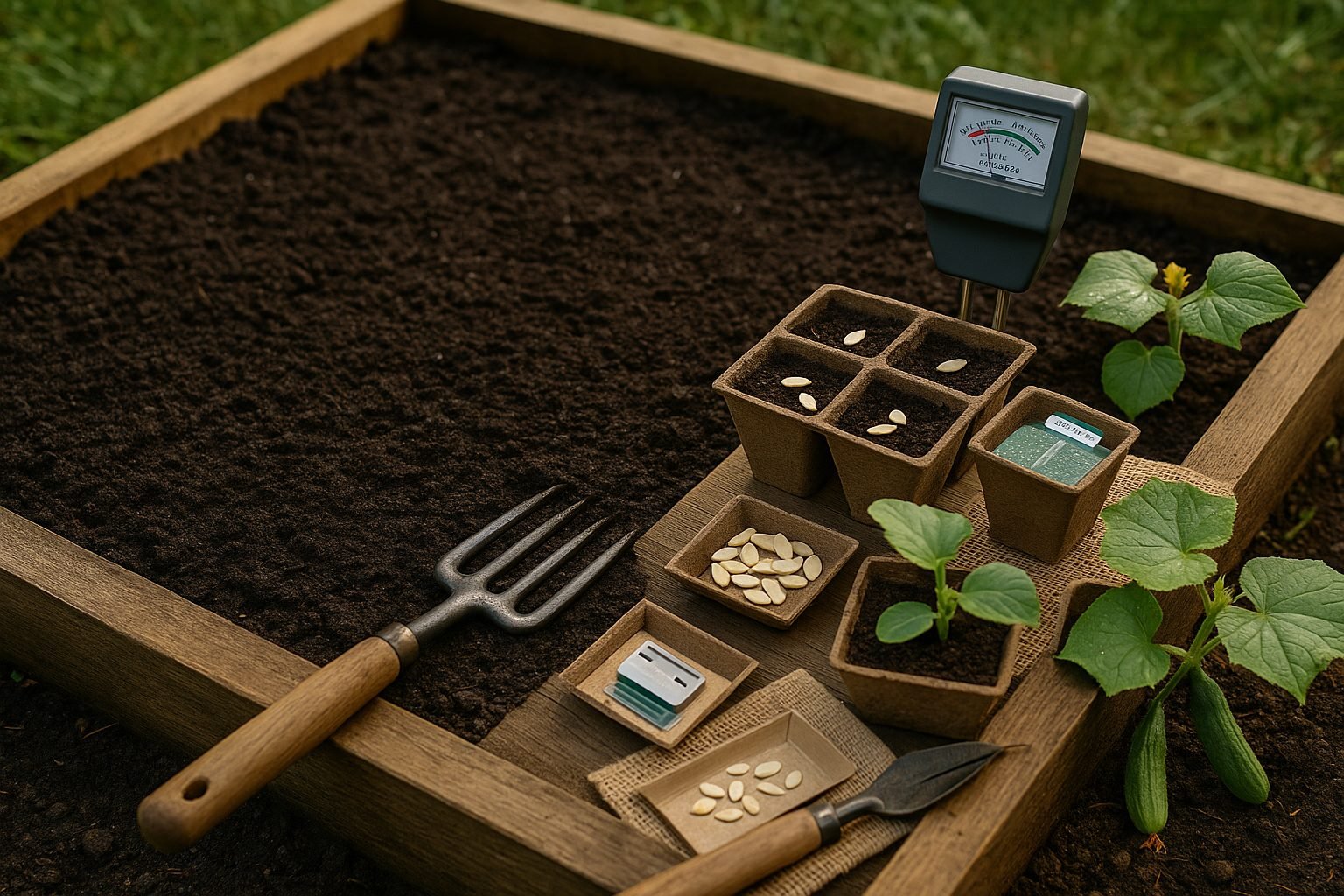
Cucumbers thrive best in well-draining, loose soil rich in organic matter, with an ideal pH range between 6.0 and 7.0. Before planting, test your soil using a simple pH test kit available at most garden centers. If your soil is too acidic, add garden lime; if it’s too alkaline, mix in some sulfur. Incorporate plenty of compost or well-rotted manure to boost nutrients and improve texture.
To prepare your planting bed, start by clearing away weeds and breaking up compacted soil with a garden fork or tiller. Mix in a couple of inches of organic compost and rake the bed smooth to create an even surface. Raised beds work particularly well for cucumbers, as they keep roots out of wet spots and warm up faster in the spring.
When it comes to sowing seeds, you have two main options: direct seeding outdoors or starting seeds indoors.
- Direct sowing: Wait until soil temperatures reach at least 65°F. Plant seeds about an inch deep and 12 inches apart in rows, or in small mounds with 3–4 seeds each, spacing mounds about 3 feet apart. Thin seedlings to the strongest two or three per mound once they’re a few inches tall.
- Starting indoors: If you live in a cooler climate or want an earlier start, sow seeds indoors about 3–4 weeks before your last anticipated frost. Use peat pots or biodegradable seed trays to avoid disturbing roots during transplant. Place them in a warm, sunny window or under grow lights, keeping the soil consistently moist but not soggy.
Whether sowing outside or starting indoors, keep an eye on soil moisture and avoid overwatering, as cucumbers are sensitive to soggy conditions. By focusing on healthy soil and choosing the right sowing method for your garden, you’ll set your cucumbers up for strong, productive growth all season.
Planting and Early Care Tips
Getting your cucumber plants off to a strong start begins with proper planting. Sow cucumber seeds about one inch deep in loose, well-drained soil, leaving 12 to 18 inches between plants to give each enough room to spread. If you’re using transplants, plant them at the same depth they grew in their pots.
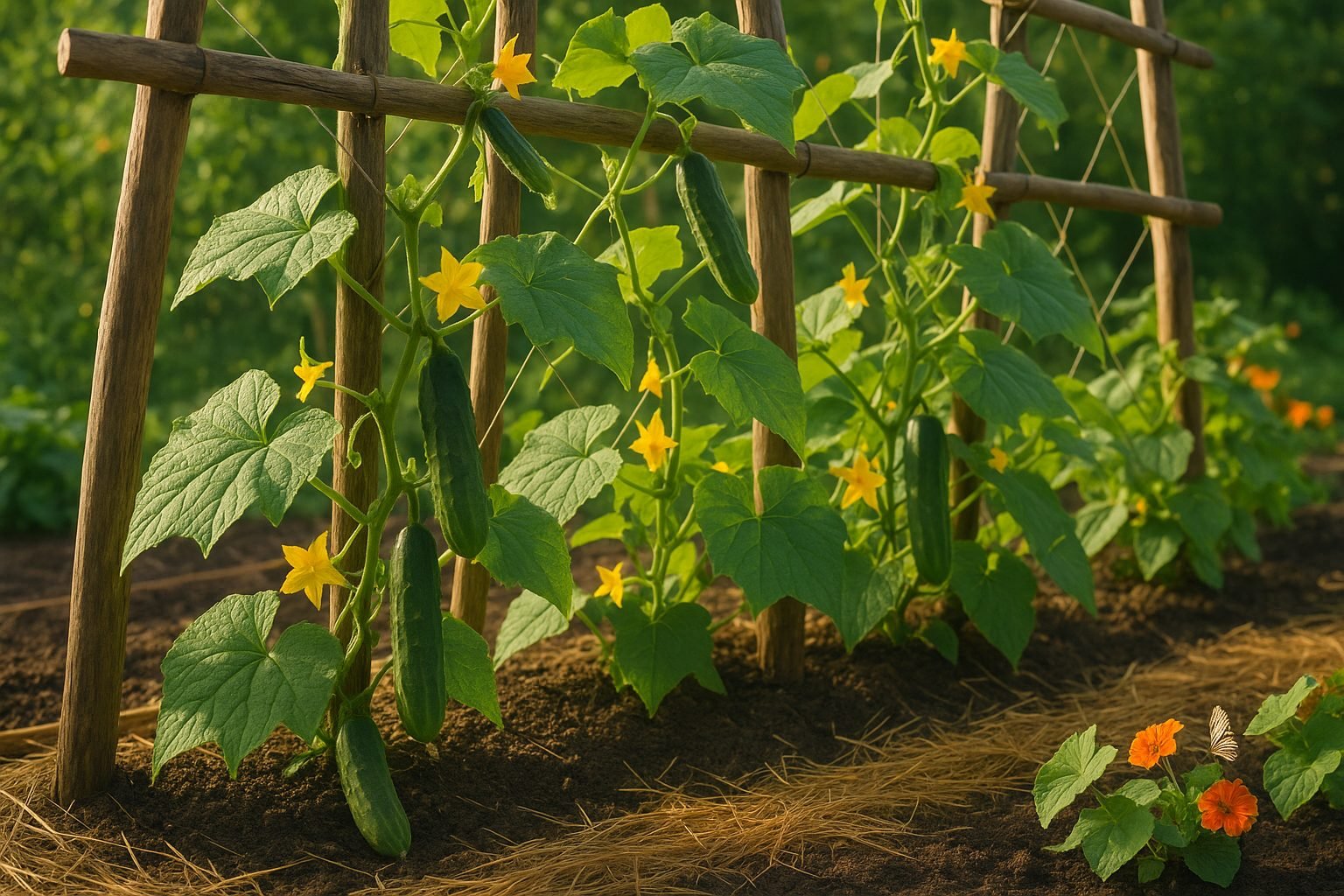
Next, consider how you’ll grow your cucumbers: on the ground or vertically with support. Trellising cucumbers—using a sturdy frame or netting—encourages vertical growth, which saves space, promotes better air circulation (reducing disease risk), and makes harvesting easier. Ground-growing is more traditional and works well for bush varieties; it requires more space but less upfront work since you don’t need to build support systems.
Once your cucumbers are in the ground, water deeply right after planting to settle the soil and moisten the roots. Keep the soil consistently damp—especially during germination and early growth—but avoid overwatering, as cucumbers dislike soggy conditions.
Adding a layer of mulch, like straw or finely shredded leaves, around your plants helps retain moisture, suppress weeds, and keep roots cool. Mulch also keeps developing fruits clean, especially if you’re letting them sprawl on the ground.
Remember to check daily in hot weather, as cucumbers grow quickly and dry out fast. With these steps, your cucumber patch will be set up for a healthy, productive season.
Watering Cucumbers: Frequency and Techniques
Cucumbers thrive with consistent, deep watering—but their specific needs vary depending on growth stage and environment. Early on, while seeds are germinating and seedlings are settling in, keep the soil evenly moist with light waterings, about ½ inch every two days, being careful to avoid puddles that can cause root rot.
Once established, mature cucumber plants generally need at least 1–2 inches of water per week, ideally given in one or two deep sessions rather than frequent light sprinkles. The best time to water is early morning, which allows leaves to dry and helps minimize fungal issues.
To check soil moisture, stick your finger about two inches into the ground; if it feels dry at that depth, it’s time to water. Leaves that wilt in the afternoon but perk up by evening usually indicate underwatering, whereas persistent wilting, yellowing, or soft, mushy stems can signal overwatering.
For container cucumbers, pots dry out faster, so monitor them daily—especially during hot weeks—using the same soil check. Consider mulching to help retain moisture. Hot, windy days may call for more frequent watering, while cool, rainy weather means scaling back to prevent soggy roots.
Investing in a simple moisture meter can take the guesswork out, but always adjust based on your specific weather and soil type. By closely observing your plants and soil and responding accordingly, you’ll encourage healthy growth and a bumper cucumber harvest.
Caring for Cucumber Vines Through the Season
Caring for cucumber vines throughout the growing season is key to a bountiful harvest, and it all starts with consistent, proactive maintenance.
Begin by feeding your cucumbers with a balanced, slow-release fertilizer every three to four weeks, or use compost to keep the soil rich—lush green leaves are a good sign your vines are well-fed.
Pruning is just as important; snip off yellowing or damaged leaves and any side shoots that crowd the plant. This helps boost airflow and reduces the risk of disease.
For better fruit shape and easier harvesting, train your vines to climb a trellis or support. Gently secure them with soft ties as they grow, making sure not to damage the stems.
Keep an eye out for pests like cucumber beetles and aphids—regularly inspect the undersides of leaves. If you spot invaders, try spraying soapy water or using neem oil.
Diseases such as powdery mildew often start as white patches on leaves. Minimize wetness on foliage and provide good spacing between plants to reduce spread.
If fruits are misshapen or bitter, it could be due to inconsistent watering or pollination issues. Mulch to lock in soil moisture and attract pollinators with nearby flowers.
Monitor for signs like wilting, yellow leaves, or poor fruit set; these could signal root rot, nutrient deficiencies, or pest infestations. Early intervention makes all the difference: at the first hint of trouble, remove affected parts, address causes, and adjust your care routine.
With regular attention and a little troubleshooting, your cucumber vines will stay healthy and productive all season long.
Harvesting and Storing Cucumbers
Knowing when to pick cucumbers is all about timing and paying attention to subtle signs. Look for fruits that have reached the right size for their variety—most slicing cucumbers are best when they’re 6 to 8 inches long, while pickling types are usually ready at 2 to 4 inches. The skin should be a lively, uniform green with no yellow patches (a sign of over-ripeness), and the cucumber should feel firm to the touch.
Harvesting is gentlest when you use garden shears or a sharp knife to snip cucumbers from the vine, leaving a short stem attached. This helps prevent damage to both the fruit and the plant, which can keep producing longer. Avoid twisting or pulling cucumbers off, as this can tear the vine and reduce future yields.
Once harvested, store fresh cucumbers in the refrigerator crisper drawer, ideally at around 50°F. Keep them separate from fruits like apples or tomatoes, which emit ethylene gas that can cause cucumbers to spoil faster. If you have a bumper crop, consider quick-pickling slices in a simple brine or making refrigerator pickles—these methods keep cucumber flavor and crunch intact for weeks.
Remember, freshly picked cucumbers taste best within a few days, so frequent, mindful harvesting and proper storage are your keys to crisp, refreshing results.
Frequently Asked Questions about Cucumbers
Curious about growing cucumbers? Here are answers to the questions gardeners ask most.
Plant Spacing
For optimal growth, plant seeds or seedlings about 12 to 18 inches apart. This gives vines room to spread and improves air circulation.
Choosing Cucumber Varieties
Consider your growing space when selecting varieties:
- ‘Bush Pickle’ cucumbers are great for containers or small gardens.
- ‘Marketmore 76’ is a hardy classic, ideal for larger plots.
Preventing Bitter-Tasting Cucumbers
To avoid bitterness:
- Keep plants consistently watered.
- Pick fruit while still young.
- Reduce heat stress using mulch or providing afternoon shade.
Yellow Leaves
If you notice yellow leaves, check for common causes like overwatering, nutrient deficiency, or pests such as aphids. Adjust your care routine accordingly or use organic insecticidal soap if pests are present.
Poor Fruit Production
Poor fruit production often points to pollination issues. Encourage bees by planting flowers nearby or try hand-pollinating with a small paintbrush.
Avoiding Overcrowding
Avoid overcrowding your cucumber plants, as this can lead to disease and weak growth. Thin seedlings early and support your vines with a trellis or cage for healthier, more productive plants.
With a few smart adjustments, you’ll enjoy a bountiful cucumber harvest all season long.