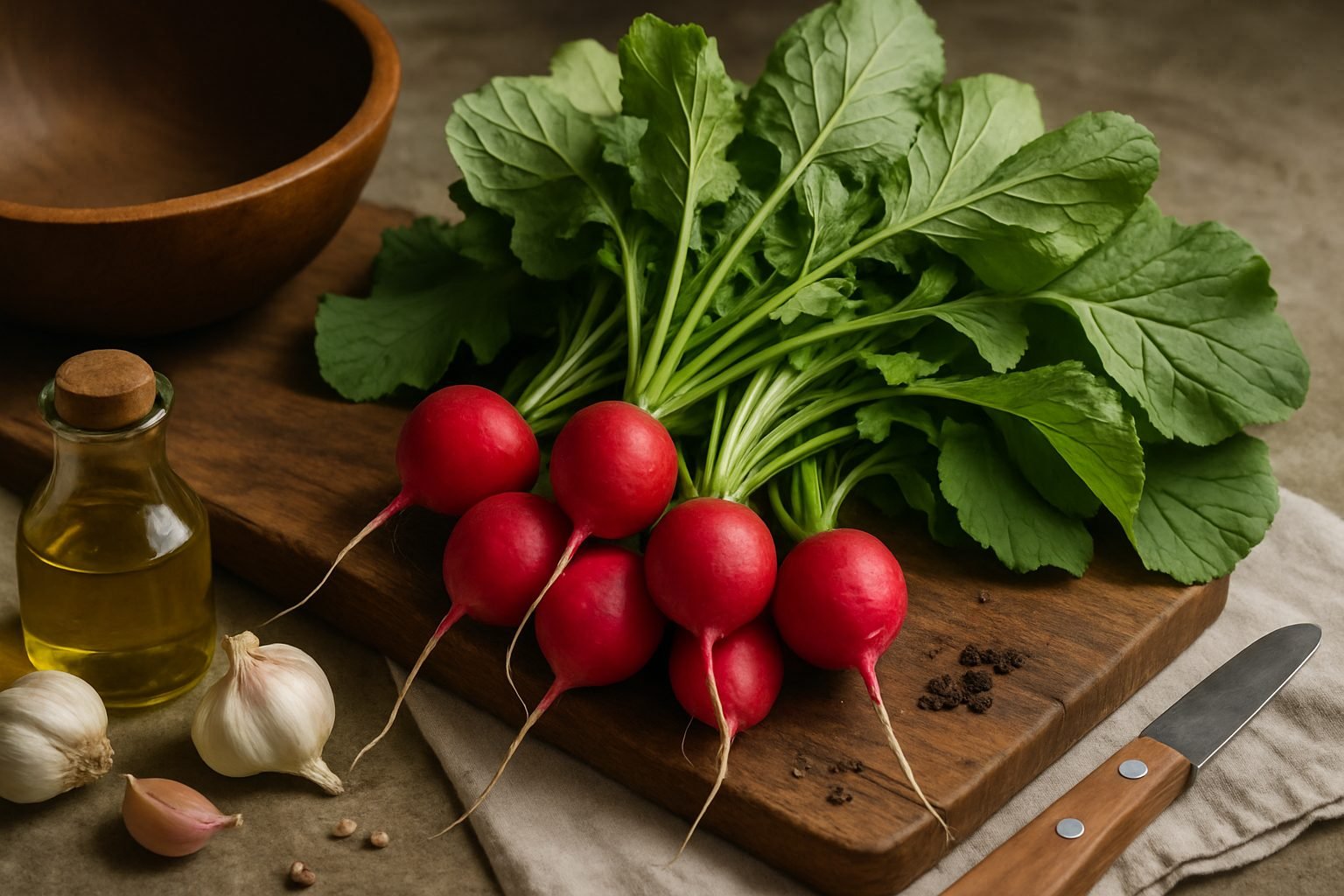
What Are Radish Greens?
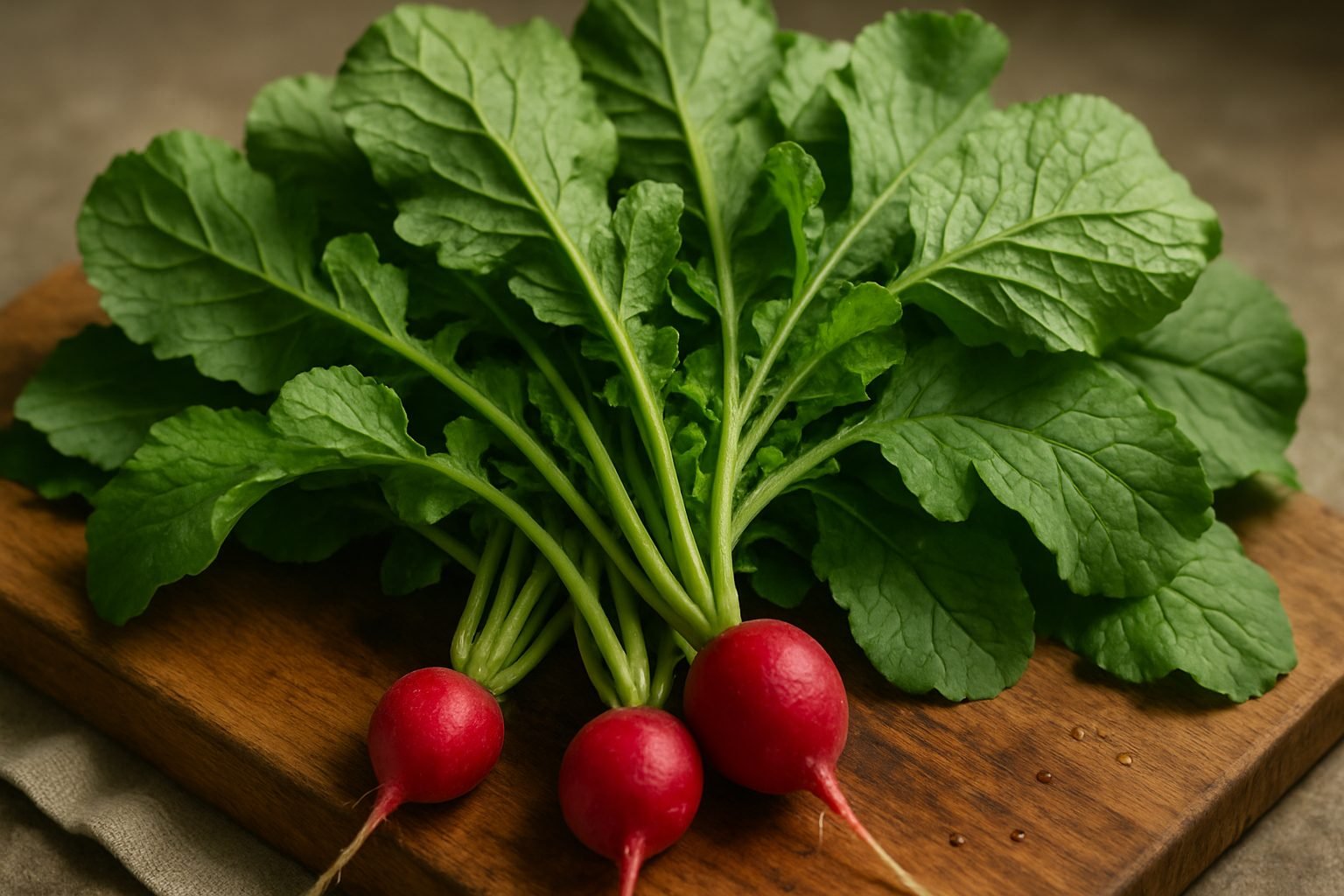
If you’ve ever wondered whether the leafy tops on your produce should be tossed or treasured, you’re not alone—many people ask, “Can you eat radish leaves?” The answer lies in the often-overlooked edible radish greens. These vibrant leaves are the above-ground, leafy part of the radish plant, frequently snipped off and discarded in grocery stores or home kitchens. Yet, they’re not just edible—they can be delicious and nutritious additions to your meals.
Radish greens stand out with a flavor profile that’s both peppery and slightly bitter, reminiscent of arugula or mustard greens but with a unique zing. Their tender texture when young turns pleasantly robust as they mature, similar to the evolution from baby spinach to mature kale. If you enjoy a sharp, lively bite in your salads or sautés, edible radish greens are worth trying. You can toss them raw into salads for a hint of spice, wilt them in soups, blend them into pestos, or sauté with garlic for a quick, healthy side.
Beyond taste, there are compelling nutritional reasons to reach for radish greens instead of composting them. Packed with vitamin C, vitamin A, iron, calcium, and fiber, they support immune health, bone strength, and digestion. Plus, they contain antioxidants that can reduce inflammation and help fight free radicals. Using edible radish greens embraces a “root-to-leaf” cooking philosophy, reducing food waste while adding variety to your diet.
So next time you find yourself with a bunch of radishes, save those leafy tops! With their peppery bite, tender texture, and impressive nutritional pedigree, edible radish greens might just become your new favorite ingredient—proof that sometimes the best flavors are hidden in what we’re used to throwing away.
Health Benefits and Nutritional Value
Radish greens, often overlooked and discarded, are surprisingly packed with valuable nutrients that offer a wide range of health benefits. They are an excellent source of vitamins A, C, and K, all crucial for maintaining strong immunity, healthy skin, and proper blood clotting. Vitamin A, for example, supports vision and immune defense, while vitamin C acts as a powerful antioxidant, helping protect cells against damage and boosting your body’s ability to fight off infections (Harvard T.H. Chan School of Public Health).
Radish greens also provide important minerals like calcium, iron, magnesium, and potassium, which contribute to bone health, oxygen transport, muscle function, and blood pressure regulation. Additionally, these leafy tops are rich in dietary fiber, which aids digestion and supports gut health by promoting regular bowel movements and feeding beneficial gut bacteria.
The antioxidants found in radish greens, such as beta-carotene and flavonoids, may further protect against chronic inflammation and reduce the risk of certain diseases, according to Cleveland Clinic. If you’re looking to incorporate radish greens, try adding them raw to salads and smoothies, or sauté them lightly with garlic as a quick side dish.
However, it’s important to be mindful of a few considerations:
- People prone to kidney stones should moderate their intake since radish greens contain oxalates, compounds that can contribute to stone formation in sensitive individuals (National Kidney Foundation).
- As with any leafy green, there’s also the potential for allergic reactions in rare cases, particularly if you’re sensitive to plants in the Brassicaceae family.
To maximize safety and nutrition, always wash radish greens thoroughly before eating and consider enjoying them fresh when possible, as some nutrients are more readily absorbed from raw leaves. By making use of these often discarded greens, you’re not only minimizing food waste but also giving your body a nutritional boost.
How to Store and Prepare Radish Greens
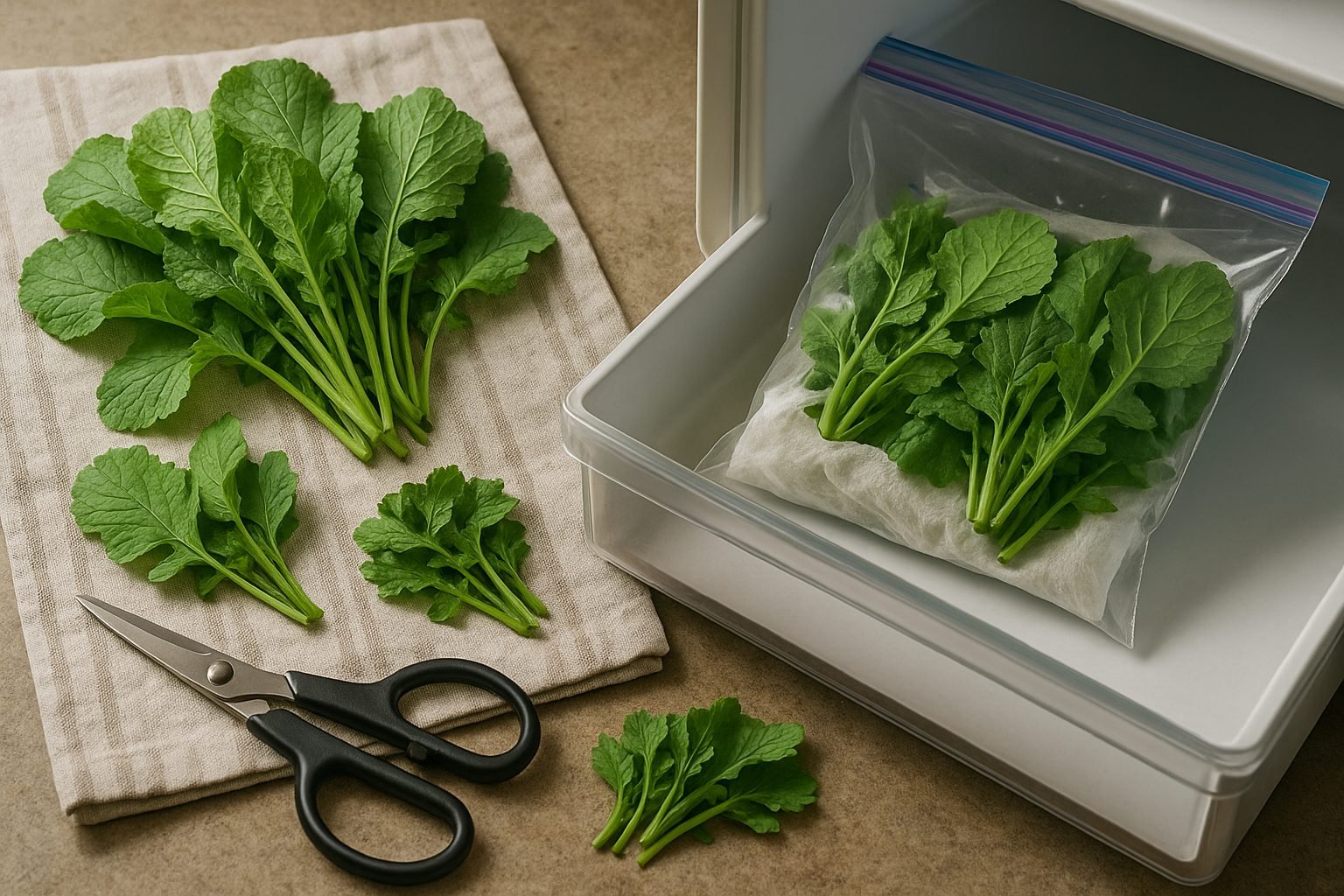
Radish greens are often overlooked, but with a little care, they can become a delicious, zero-waste addition to your kitchen. To get started, rinse the greens thoroughly under cool running water to remove any dirt or grit—pay special attention to the stems where soil tends to hide.
Next, inspect the leaves and trim away any tough or thick stems, which can be chewy.
For optimal freshness, wrap the cleaned and dried greens loosely in a damp paper towel, then store them inside a zip-top bag or airtight container in the crisper drawer of your fridge. This method helps maintain just enough moisture to keep the leaves vibrant while preventing sliminess.
If you’re not using them within a few days, consider chopping and blanching the greens for a minute, then freezing them for future soups and sautés.
Preparing radish greens is simple—add them raw to salads for a peppery kick, blend them into pesto with olive oil and nuts, or toss them into stir-fries and soups at the last minute to retain their bright color and flavor.
These quick steps not only help reduce food waste but also ensure you get the most nutrition and flavor from your radish bunch.
Tasty Ways to Cook and Use Radish Greens
Radish greens are often overlooked, but they’re a flavorful, nutrient-rich addition to your kitchen that can be used just like spinach, kale, or arugula.
Sautéing is one of the easiest ways to enjoy radish greens—just toss them in a hot pan with olive oil, a little garlic, and a pinch of salt until they wilt, which takes only a couple of minutes. This creates a tender side dish that pairs wonderfully with eggs or grilled fish.
Radish greens are also a delicious addition to soups; simply chop them up and stir them in during the last few minutes of cooking for a peppery, robust flavor that won’t overpower the broth.
In stir-fries, they blend well with other veggies and absorb sauces beautifully—try tossing them with soy sauce, sesame oil, and a hint of ginger for an Asian-inspired twist.
Their slightly spicy, earthy notes complement a range of ingredients:
- Lemon juice or zest brightens their flavor
- Creamy feta or goat cheese balances their mild bitterness
- Hearty ingredients like potatoes, white beans, or lentils add filling substance
Don’t be afraid to get creative—radish greens make an excellent substitute for other leafy greens in pesto, omelets, grain bowls, or even as pizza toppings.
Since they cook quickly and shrink a lot, use a generous handful and don’t worry about being too precise.
If you want to reduce food waste and boost nutrition, start saving those radish tops instead of tossing them—your taste buds and the planet will thank you.
Radish Greens Pesto and Other Popular Recipes
Radish greens pesto is a vibrant twist on classic pesto, made by blending fresh radish leaves with olive oil, garlic, nuts (like walnuts or pine nuts), parmesan cheese, lemon juice, salt, and pepper. The result is a zesty, slightly peppery sauce that’s easy to whip up and instantly adds bold flavor to pasta, sandwiches, or roasted veggies.
One of the best things about radish greens is their versatility—they work beautifully in salads by chopping them up alongside arugula or spinach for a nutrient-packed base. Throwing a handful into your morning smoothie is another popular way to use them, as they provide a green boost without overpowering other ingredients; just add some banana, apple, or citrus to balance their peppery notes.
If you’re a fan of cooked dishes, toss chopped radish greens into stir-fries, frittatas, or even savory muffins and quiches for extra flavor and color.
When trying to use more of these nutritious greens, start small by mixing them with softer greens in salads, layering them in sandwiches, or sprinkling them over homemade pizzas. You can also sauté them with a bit of garlic and olive oil for a quick, flavorful side.
Keeping a batch of radish greens pesto in your fridge makes it even easier—just spoon it over eggs, grain bowls, or roasted potatoes whenever you want a burst of fresh flavor. Not only does using radish greens help reduce kitchen waste, but it also turns everyday meals into something more interesting and delicious.
Storing Leftovers and Reducing Food Waste
Storing cooked radish greens and meals that include them is simple but crucial for keeping your food safe and delicious. Allow leftovers to cool, then place them in airtight containers before refrigerating; they’ll keep for up to three days.
If you have a large batch, consider dividing it into meal-sized portions so you can reheat only what you need. For longer storage, radish greens freeze well—just blanch them briefly in boiling water, cool quickly in ice water, squeeze out excess moisture, and store in labeled freezer bags. Frozen greens are perfect for tossing into soups, omelets, or stir-fries later.
Don’t be afraid to get creative: leftover cooked radish greens can be blended into sauces, pestos, or smoothies for added nutrients and a subtle peppery flavor. You can also mix them into grain bowls or pasta dishes, or use them as a savory topping for homemade pizzas.
By making the most of radish greens—an often overlooked part of the vegetable—you’re not only saving money but also helping the environment by minimizing kitchen waste. Using the entire radish, from root to stem, supports more sustainable eating habits and reduces the carbon footprint associated with food production and disposal. Little changes like these add up, making a real difference while giving your meals a nutritional boost.
Tips, FAQs, and Troubleshooting
Radish greens are often overlooked, but they’re perfectly edible and can add a peppery kick to your kitchen creations. A common question is about taste: raw radish leaves have a mildly spicy, slightly bitter flavor, similar to arugula, but become milder when cooked. So, don’t shy away from sautéing them with garlic or tossing them into soups.
Safety is another concern; it’s important to wash the greens thoroughly to remove dirt and tiny bugs, and use them soon after buying or harvesting, as they wilt quickly. If your greens are already limp, revive them by soaking in ice water for 10-15 minutes—this can help restore their crispness.
Worried about bitterness? Try pairing radish greens with rich flavors like olive oil, nuts, or cheese to mellow the taste, or blend them into pesto with basil for a unique twist. If you don’t have radish greens, baby spinach, kale, or beet greens make decent substitutes in most recipes.
To get the most out of your radish greens, store them in a damp paper towel inside a sealed bag in the vegetable drawer, and use them within a few days for optimal freshness. Don’t toss those stems, either—they’re tender and can be added to stir-fries or smoothies.
Remember, radish tops can be added to salads, frittatas, or even stirred into mashed potatoes. For a simple snack, toss washed leaves with olive oil and crisp them in the oven for homemade veggie chips.
Being resourceful with radish greens not only cuts down on food waste but also adds a fun, nutritious ingredient to your meals, letting you see this humble part of the plant in a whole new light.