Understanding Radish Freshness and Seasonality
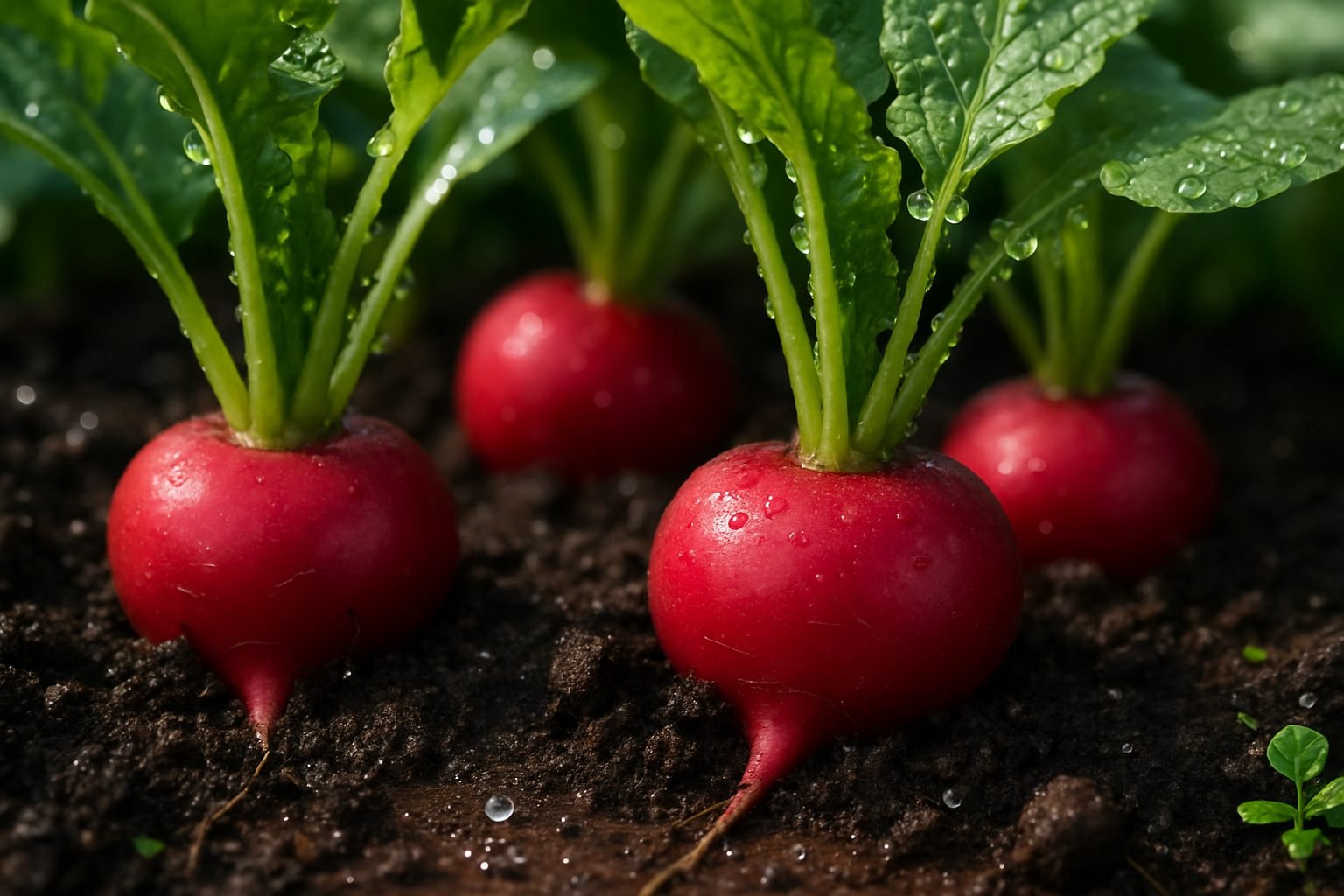
Knowing how to store radishes after harvest is key to preserving their signature crisp texture and delicate, peppery flavor. Unlike many leafy greens or soft vegetables that wilt or spoil quickly, radishes are prized for their relatively long shelf life when handled with care. This freshness means you can enjoy that satisfying crunch well beyond their time in the garden.
Radishes are typically grown in cooler seasons—the best ones are harvested in spring and fall, when mild temperatures transform them into juicy, sweet roots with a pleasant bite. During peak season, radishes not only taste better but also store more successfully, retaining moisture and texture much longer.
To get the most from your harvest, always start with freshly pulled radishes that feel firm to the touch and show no signs of cracks, soft spots, or blemishes. Damaged or overripe radishes spoil fastest, so focus on quality from the start. Properly handled, your garden bounty will stay fresh and delicious for weeks, allowing you to add color and crunch to salads, snacks, or pickling jars long after the harvest rush.
Preparing Radishes for Storage
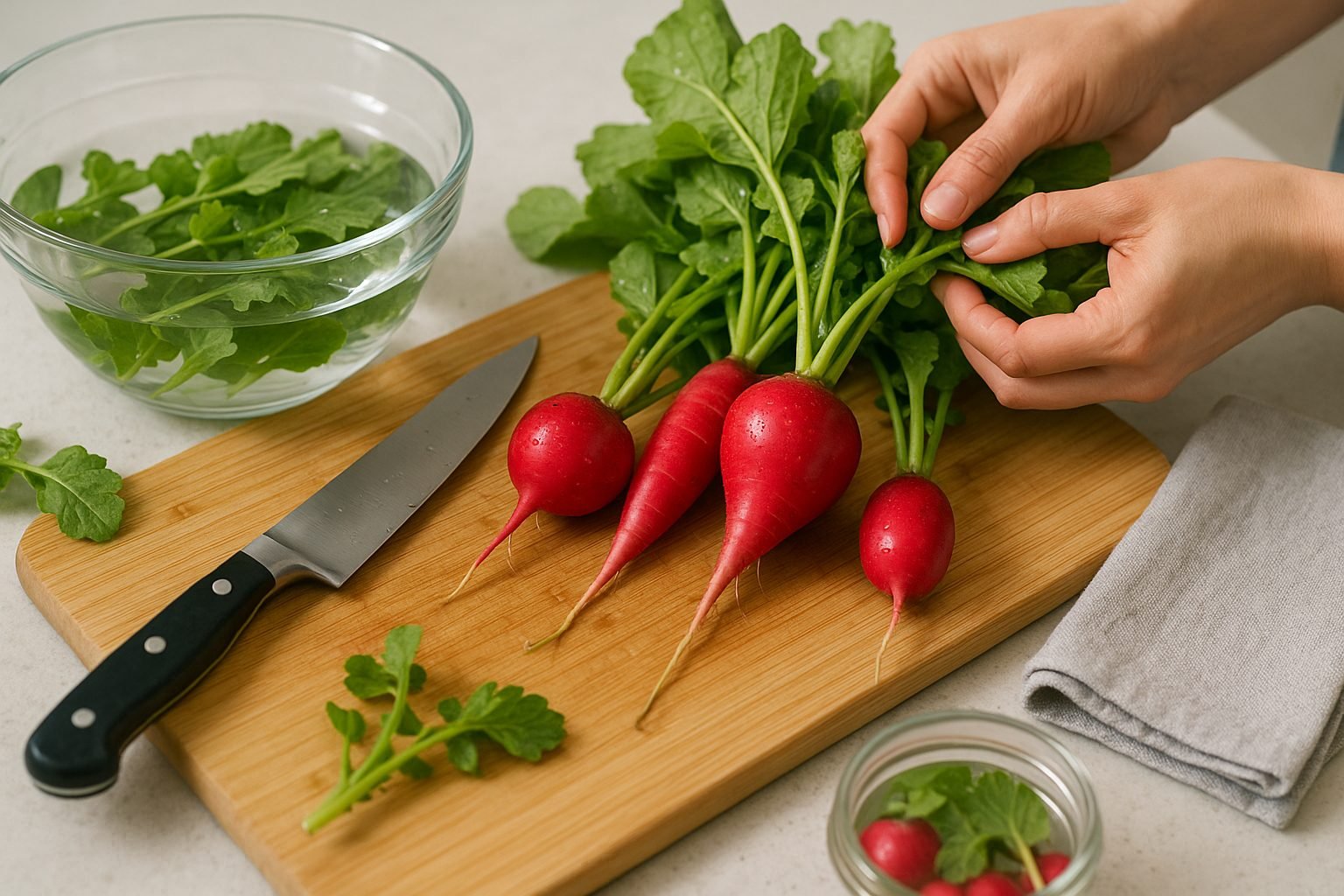
After bringing radishes home from the market or pulling them fresh from your garden, start by gently rinsing them in cool water to wash away any dirt or debris. Handle the radishes carefully to avoid bruising or damaging their skin, which helps them last longer.
Next, separate the green tops from the radishes right away—this step is crucial since the greens draw moisture from the roots, causing them to wilt much faster. Use a sharp knife or kitchen scissors to trim off all the leaves close to the crown.
Pat the radishes dry with a clean cloth or paper towel, making sure they’re thoroughly dry before storage; lingering moisture can cause them to spoil more quickly.
For the greens, don’t toss them out—they’re edible and packed with nutrients. To keep them fresh, wrap the greens loosely in damp paper towels, then place them in a plastic bag or reusable container and store them in the refrigerator’s crisper drawer. This keeps them hydrated but not soggy, preventing spoilage.
Meanwhile, the radish roots themselves are best stored dry in a sealed bag or container in the fridge, where they’ll stay crisp for up to two weeks. This simple routine will help you make the most out of your radishes and their greens.
Best Methods for Storing Radishes
Keeping radishes fresh and crunchy means using the right storage technique based on your needs and available space.
The easiest and most popular method is to refrigerate radishes in a plastic bag with a damp paper towel. This locks in just enough moisture to keep radishes crisp for about one to two weeks, making it ideal for everyday use if you have standard fridge space.
Some home cooks prefer submerging trimmed radishes in water within a sealed container. This can extend freshness for two weeks or more and keeps radishes extra-crisp, but it takes up more fridge space and requires changing the water every few days.
Using airtight containers without water lets you control humidity and keeps odors contained. However, radishes can lose moisture or become soft if not checked regularly.
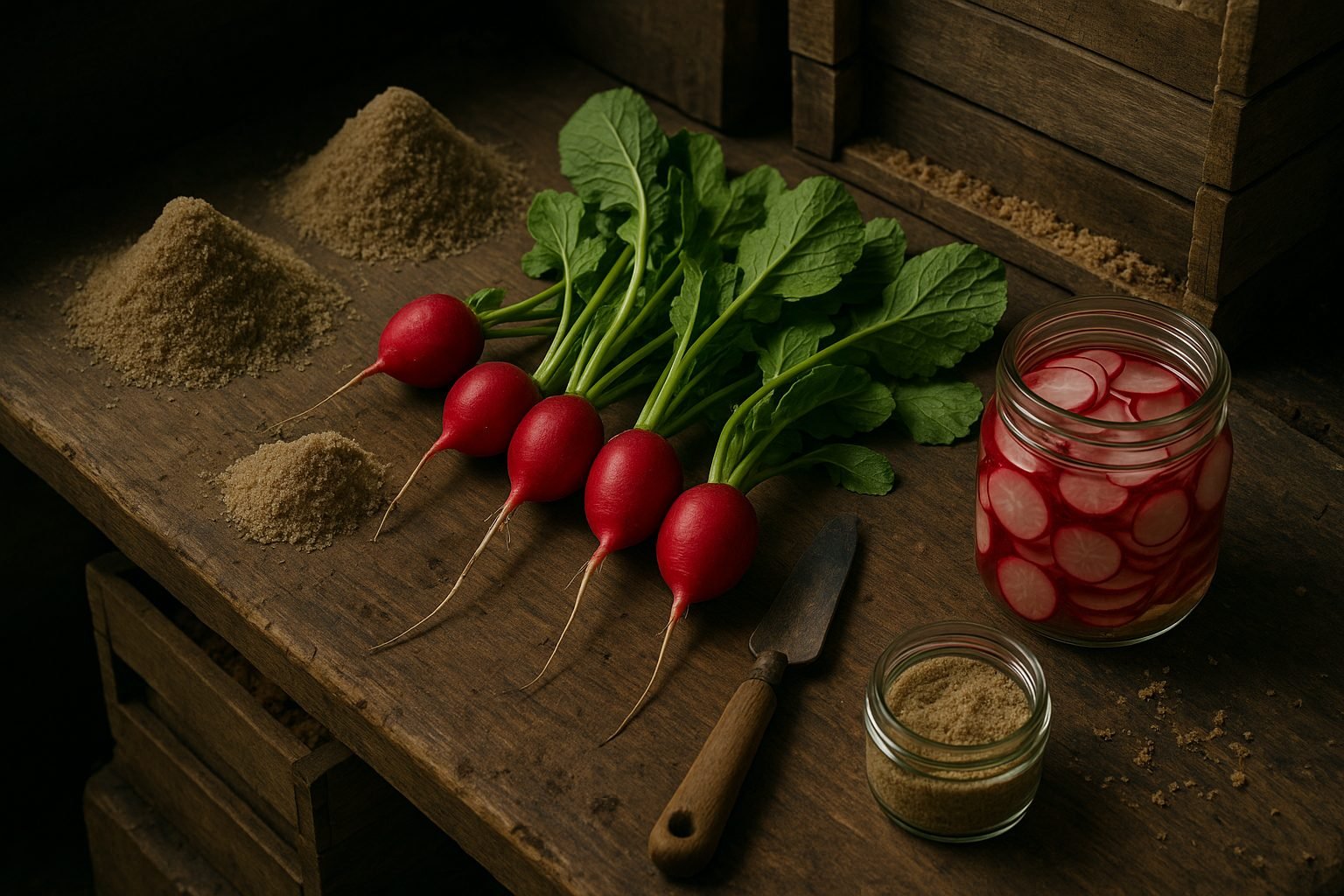
For long-term, low-tech storage, try the root cellar approach. Place unwashed radishes (with their tops removed) in boxes of damp sand, sawdust, or peat moss in a cool cellar (around 32–40°F). This can keep radishes fresh for months but requires dedicated space and isn’t as convenient for daily snacking.
If you have limited refrigerator space and need radishes for salads throughout the week, the damp paper towel bag or airtight container are your best options. For seasonal gardeners with a bumper crop or those aiming for long-term storage, using a root cellar provides longevity but needs more setup.
Choose your storage method by considering how quickly you plan to eat your radishes, your available storage space, and whether you want easy access or maximum shelf life.
How to Store Cut, Cooked, and Pickled Radishes
Once radishes are cut or cooked, their shelf life decreases significantly because they’re more exposed to air and moisture loss. To keep cut radishes crisp, place them in an airtight container or submerge them in a bowl of water, covering tightly before refrigerating. This prevents them from drying out and helps them stay fresh for up to a week.
For cooked radishes, always let them cool before sealing in a container and placing them in the fridge. Try to eat cooked radishes within three to four days for the best taste and texture.
If you’re looking for a way to both extend their life and boost flavor, consider quick pickling. Just slice your radishes, add them to a jar with vinegar, a bit of sugar, salt, and spices, then let them sit in the fridge for at least an hour. This not only preserves the radishes for up to a month but also infuses them with a tangy, refreshing zing perfect for salads and sandwiches.
Pickling is a simple, tasty solution if you find yourself with more radishes than you can immediately use.
Storing and Using Radish Greens
Radish greens are delicious, nutrient-rich, and often overlooked in the kitchen. You can easily keep them fresh and make the most out of every bunch. To store radish greens, first trim them off the roots right after bringing them home. This helps both parts last longer. Rinse the greens gently to remove any dirt, then wrap them loosely in a damp paper towel and place them inside a sealed plastic bag or reusable container in the fridge’s crisper drawer. Stored this way, they’ll usually stay fresh for about three to five days.
Keep an eye out for yellowing leaves, sliminess, or any strong, unpleasant smells—these are signs that the greens have spoiled and should be tossed.
Rather than relegating radish greens to the compost, try these simple culinary uses:
- Toss them in salads for a peppery kick.
- Sauté lightly with garlic as a quick side dish.
- Blend into zesty pestos.
- Stir into homemade soups just before serving.
These easy ideas not only minimize food waste but also introduce new flavors and textures to your meals, making your groceries go further.
Signs Radishes Have Gone Bad, and Storage Mistakes to Avoid
Spotting spoiled radishes is easy if you know what to look for: mushy or soft spots, brown or black discoloration, slimy coatings, and a funky, sour smell—all signs it’s time to toss them. Their leafy greens are even more delicate; if they’re yellow, slimy, or smell off, remove them right away.
One big storage mistake is keeping radishes wet—excess moisture in bags or containers encourages mold and rot. Another common blunder is leaving the greens attached, which draws moisture from the radish roots and speeds up spoilage.
To keep radishes fresh, trim off the greens as soon as you get home, pat the roots dry, and store them in a perforated produce bag or loosely wrapped in a damp paper towel inside the fridge.
If your radishes are just a bit shriveled, you can revive them by soaking them in ice water for 30 minutes—they’ll perk right up. With these tips, your radishes can stay crisp and tasty for up to two weeks.
Preserving Radishes Longer: Freezing and Other Methods
Freezing radishes can help extend their shelf life, but it’s important to know that freezing changes their texture, making them softer and better suited for cooked dishes or soups rather than raw snacks. Before freezing, blanch sliced radishes for a couple of minutes to preserve their flavor and color.
If you prefer keeping the crunch, try these methods:
- Pickling radishes in vinegar
- Storing them unwashed in damp sand or dirt in a cool cellar
Both methods keep radishes crispy for months. To stay organized, use a garden app or set calendar reminders to check on your stored radishes regularly and avoid spoilage.