Introduction
Pollination for pumpkins isn’t just a technical detail—it’s the key to healthy vines and a bountiful harvest. Whether you’re tending a small backyard patch or rows of pumpkins on your farm, understanding how pollination influences pumpkin growth can make all the difference.
Pumpkin plants rely on pollination to move pollen from the brightly colored male flowers to the female blooms, leading to the beautiful orange fruits we all know and love. When pollination falls short, pumpkins may be misshapen, undersized, or fail to mature properly—affecting both your pride as a grower and your kitchen’s autumn recipes.
That’s why it’s so important for gardeners and small-scale farmers to recognize the crucial role bees and other pollinators play. Sometimes, giving nature a helping hand can mean better yields and higher-quality pumpkins.
In this post, we’ll explore why pollination for pumpkins matters, dive into the fascinating way pumpkin flowers work, and share practical tips for supporting natural pollinators or even pollinating by hand. You’ll also discover common challenges that can affect pollination success and how to spot warning signs before they hurt your harvest.
Whether you want a single jack-o’-lantern or a field of giants, the secrets you need are right ahead.
Understanding Pumpkin Pollination Basics
Pollination is a crucial step in pumpkin fruit development. It’s the process where pollen from the male flower transfers to the female flower, allowing fruit to form. Without this exchange, pumpkins simply won’t develop. Unlike some other garden vegetables, such as tomatoes, pumpkins are not self-pollinating—they require cross-pollination, mostly from bees carrying pollen between the flowers.
It’s a common misconception that pumpkins can easily pollinate themselves. In reality, their male and female flowers typically open at different times of day and are often distant from each other on the same vine. Relying solely on wind or accidental contact rarely works.
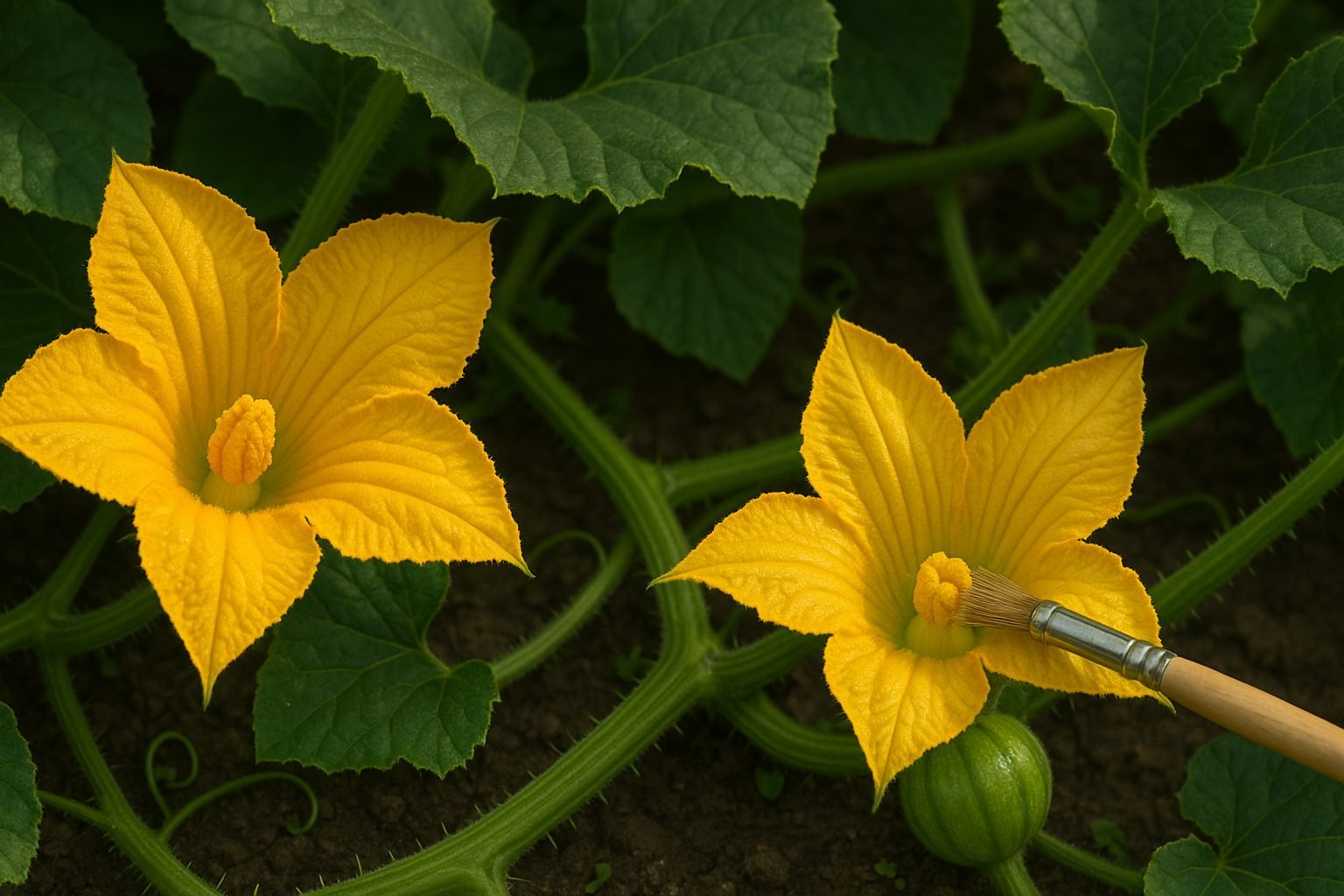
If you want a healthy pumpkin harvest, encourage frequent bee activity or consider hand-pollinating. You can do this by gently brushing a small, clean paintbrush or cotton swab from the powdery stamen of the male flower onto the sticky stigma at the center of the female flower (look for the miniature pumpkin at its base).
Signs of successful pollination show up early: the tiny fruit behind a female flower will start to swell and grow. If pollination fails, the small fruit often turns yellow, shrivels, and drops off the vine within a few days. Keep an eye out for these signs to catch problems early; improving pollinator visits or hand-pollinating can make all the difference when those first tiny pumpkins start to appear.
Male and Female Pumpkin Flowers
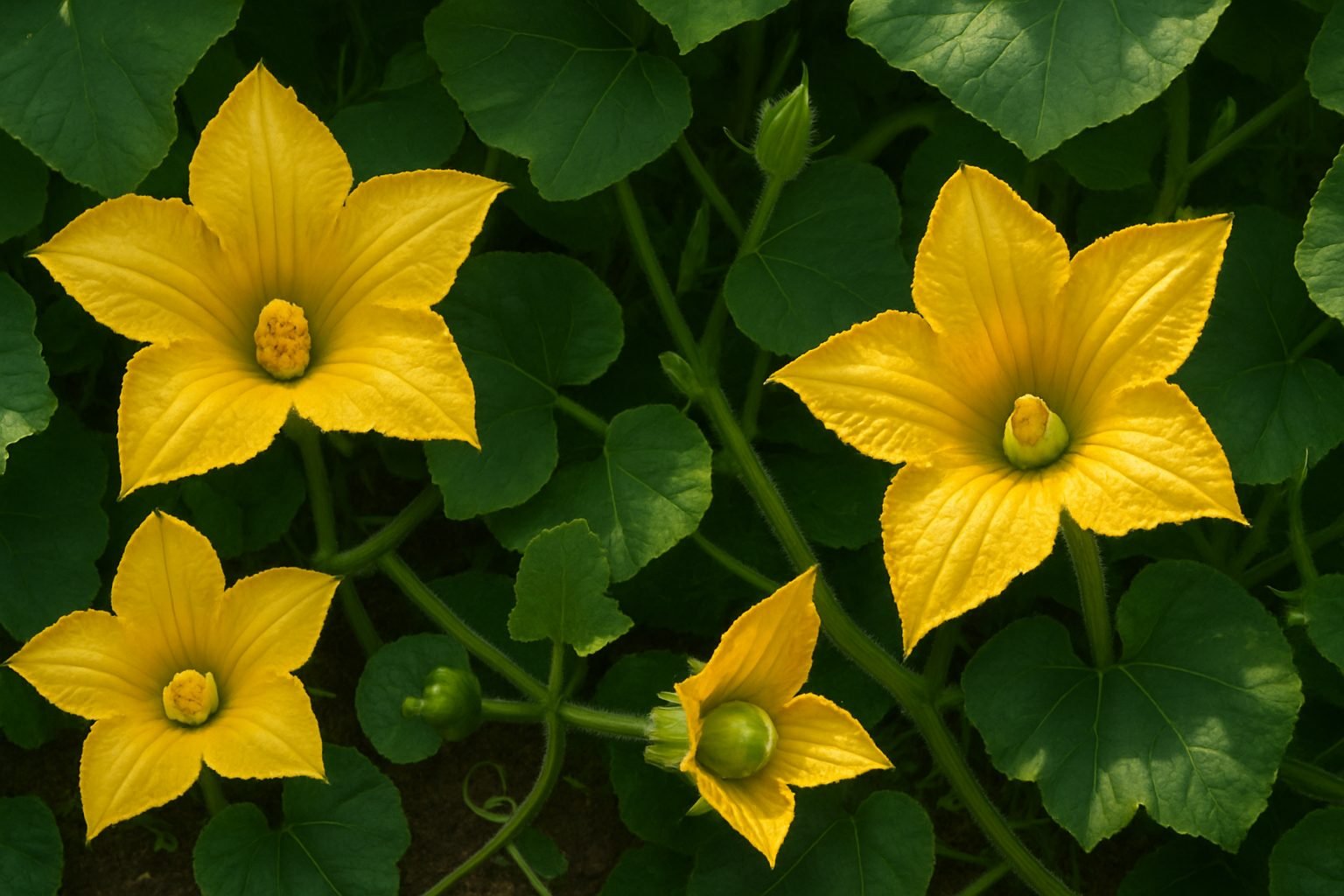
Identifying male and female pumpkin flowers is crucial for understanding how your plants produce fruit. Male flowers usually appear on long, slender stems and feature a central stamen covered in pollen, while female flowers have a slightly swollen base that looks like a miniature pumpkin and contain a central stigma. These differences make it easy to tell them apart when you inspect your plants closely.
In the process of pollination, male flowers provide the pollen needed, which bees and other pollinators transfer to the sticky stigma of female flowers. Only after successful pollination by both insects and wind will the female flower develop into a pumpkin.
Interestingly, during the early part of the growing season, pumpkin plants often produce a flush of male flowers before any female flowers emerge—this helps attract pollinators and ensures they’re ready when the time comes. Female flowers typically don’t start appearing until the plant is stronger and has developed more leaves, which can be a few weeks after the first male blooms.
It’s important for gardeners to remember that both flower types are absolutely necessary; without male flowers, there is no pollen, and without female flowers, there is nowhere for pumpkins to grow. If you’re noticing flowers but no pumpkins, check to see whether you’re getting both types. Consider gently hand-pollinating the female flowers with a small paintbrush if pollinator activity is low.
By paying attention to the timing and appearance of your pumpkin flowers, you’ll set yourself up for a better harvest and bigger, healthier pumpkins.
The Role of Bees and Natural Pollinators
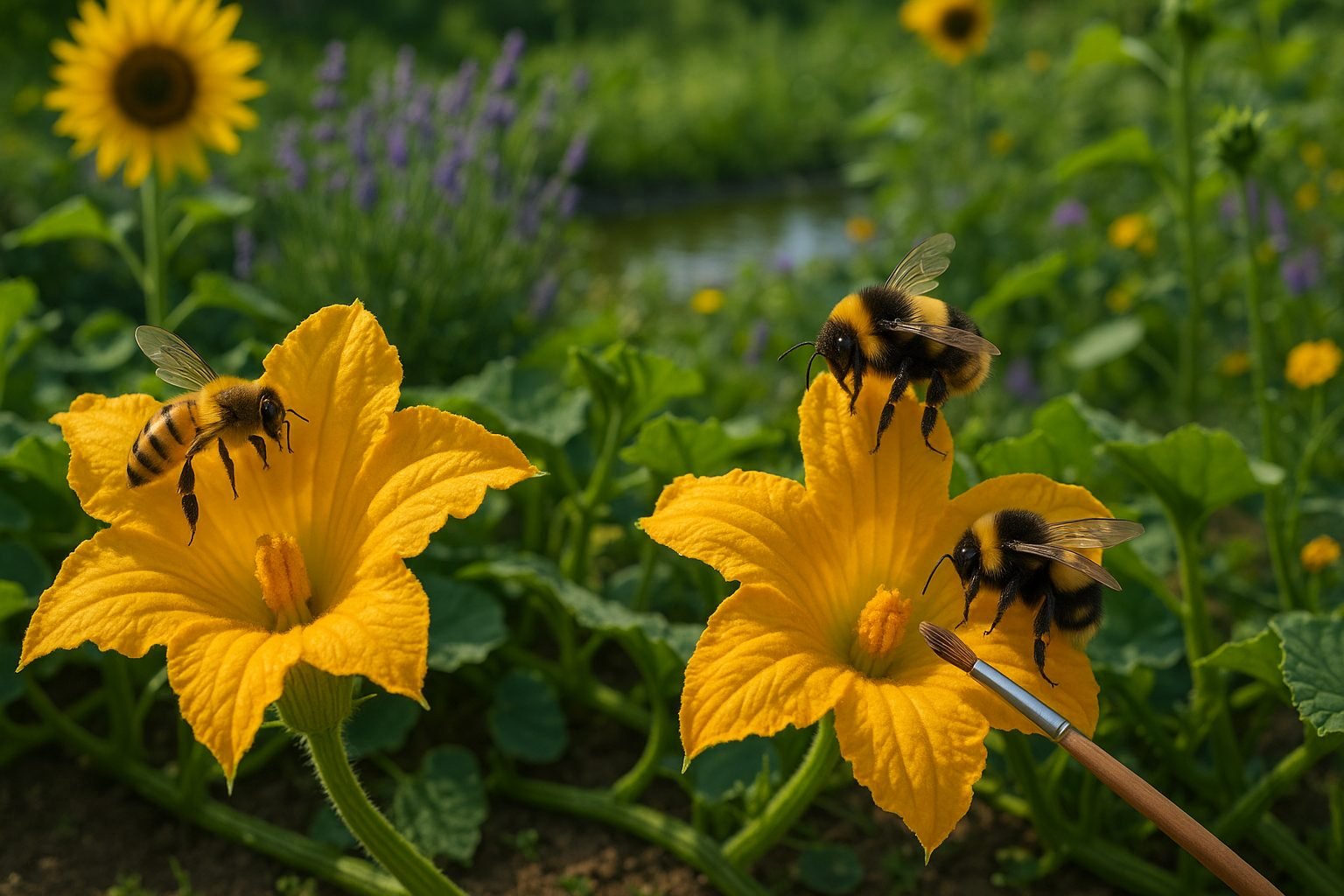
When it comes to growing pumpkins, natural pollinators like honeybees, bumblebees, and squash bees are the unsung heroes of a healthy harvest. Each of these insects plays a unique role: honeybees are generalists that visit a wide range of flowers, bumblebees can fly in cooler weather and are expert pollinators thanks to their size and fuzzy bodies, while squash bees are pumpkin specialists that emerge just as squash flowers start to bloom, often working early in the morning when other pollinators are still inactive.
All three help pumpkins set fruit by carrying pollen from the male to the female flowers, a crucial step that allows the plant to produce those big, orange gourds we love.
If you’re keen to invite more pollinators to your garden, start by planting a diverse selection of flowering plants like sunflowers, zinnias, and lavender, which will offer food throughout the growing season. Create small areas of bare dirt where squash bees can nest, and leave some wild corners for native plants. Most importantly, skip the pesticides, especially during blooming periods—these chemicals can be fatal to beneficial insects. Even switching to hand-picking pests when possible can make a meaningful difference.
Small changes like providing a shallow water source or letting some herbs bolt can transform your garden into a pollinator haven, making it far more likely your pumpkin patch will thrive.
How to Hand Pollinate Pumpkins
Hand pollinating pumpkins is an easy way to boost your harvest, especially if you notice few bees buzzing around your garden. This process is particularly helpful during cool, rainy spells when pollinator activity drops or if you want to ensure bigger, better pumpkins for fall.
Start early in the morning, ideally before 10 a.m., when flowers are fully open.
Identifying Flower Types
First, identify the flower types:
- Male pumpkin flowers have a thin stalk and a central stamen covered in yellow pollen.
- Female flowers have a tiny baby pumpkin at the base and a central stigma.
How to Pollinate
Using a small, clean paintbrush or a cotton swab, gently collect pollen from the male flower’s stamen. Carefully dab it onto the sticky stigma inside the female flower—the more coverage, the better.
If you prefer, you can also pluck a male flower, remove its petals, and directly touch the stamen to the stigma.
When to Use Hand Pollination
Hand pollination is especially valuable when pumpkin plants produce lots of flowers but few or no fruits, a sign that bees aren’t doing the job.
After pollination, you can loosely tie or mark the female flower to track your efforts.
Repeat the process daily as new flowers open, and soon you’ll notice those baby pumpkins start to swell, rewarding your attentive care with a healthy, productive patch.
Common Pollination Challenges and Solutions
Many gardeners and farmers face common pollination challenges like poor fruit set, premature flower drop, or simply not seeing enough bees and butterflies around their crops. These issues often arise from a lack of pollinators due to habitat loss, excessive pesticide use, or unpredictable weather that disrupts pollinator activity.
One effective way to support pollination is to plant a variety of flowers that bloom at different times, ensuring there’s always a food source for pollinators throughout the season. Creating pollinator-friendly zones using native plants and leaving patches of bare soil for ground-nesting bees can also make a big difference.
If natural pollinators are scarce, especially in greenhouses or during cool, wet springs, hand pollination is a simple backup method—just use a small brush or cotton swab to transfer pollen between flowers. It’s also smart to avoid spraying pesticides when plants are in bloom or to choose pollinator-safe products applied in the evening when bees are inactive.
Another often-overlooked step is making sure male and female flowers are both present and open at the same time, especially for crops like cucumbers or squash. If blooms are out of sync, fruit set will be poor, so try staggering planting times or selecting varieties with overlapping flowering windows.
By combining these strategies—supporting pollinator health, minimizing harmful interventions, and adjusting crop practices—you’ll see better pollination and bigger harvests, even when conditions aren’t perfect.
Tips for a Bountiful Pumpkin Harvest
For a bountiful pumpkin harvest, start by ensuring your soil is healthy and rich in organic matter. Well-amended soil encourages strong, flowering vines that attract pollinators.
Consistent watering is crucial, especially during flowering and fruit set. Pumpkins need steady moisture but dislike soggy roots; aim for deep waterings once or twice a week depending on rainfall.
To boost pollination, avoid using harsh pesticides or insecticides, which can inadvertently harm bees and other helpful insects that transfer pollen between flowers. Instead, opt for organic pest control methods and consider planting pollinator-friendly flowers like sunflowers or marigolds nearby to invite bees to your pumpkin patch.
Regularly check your plants for developing flowers and watch for lots of visiting bees. If you notice few pollinators or see female flowers not setting fruit, you may need to hand-pollinate by gently transferring pollen from male to female flowers with a small paintbrush.
Keeping a simple garden journal or taking photos can help you track which vines are producing the most flowers and fruits, so you can note patterns and successes for next season.
By monitoring progress and addressing any pollination hiccups promptly, you greatly increase your chances for a robust pumpkin crop when fall arrives.
Conclusion
Effective pollination is crucial for growing healthy, high-yielding pumpkins; without it, your plants may produce fewer or smaller fruits. Taking small steps—like planting flowers nearby to attract bees, avoiding pesticides during bloom, or even hand-pollinating with a paintbrush—can make a big difference in your pumpkin patch.
Remember, a little attention goes a long way! What pollination tips have worked best for you? Or do you have questions about helping your pumpkins thrive? Share your thoughts or experiences in the comments—we’d love to hear from you!