Introduction to Choosing Potato Varieties
Choosing the best potatoes to grow can make all the difference between a flourishing, satisfying harvest and a patchy garden disappointment. With potatoes coming in more shapes, colors, and flavors than you might imagine, selecting the right variety for your home garden isn’t just about picking whatever’s available at your local nursery. It’s about matching your space, climate, and culinary preferences with the right spud.
Some potatoes shine when baked, others are best mashed, and certain types are perfect for crispy fries—each has its own texture, growth habit, and resistance to common pests. For example, Yukon Golds are loved for their buttery texture and versatility, while fingerlings offer unique flavors and are prized by gourmet cooks.
The process of choosing goes beyond taste alone; you’ll want to consider factors like maturity time, yield, and disease resistance to suit your needs and available garden space. In this article, you’ll discover key criteria for picking potatoes, including how to think about cooking uses, garden conditions, and storage.
We’ll also spotlight some of the best potato varieties for home gardeners—from classic favorites to lesser-known gems that could surprise you with their performance and flavor. Whether you’re dreaming of tender new potatoes for summer salads or reliable maincrop tubers to last through the winter, this guide will help you plant the perfect crop. Get ready to dig in and grow potatoes that truly fit your table and your garden.
“`html
Key Factors to Consider When Selecting Potato Types
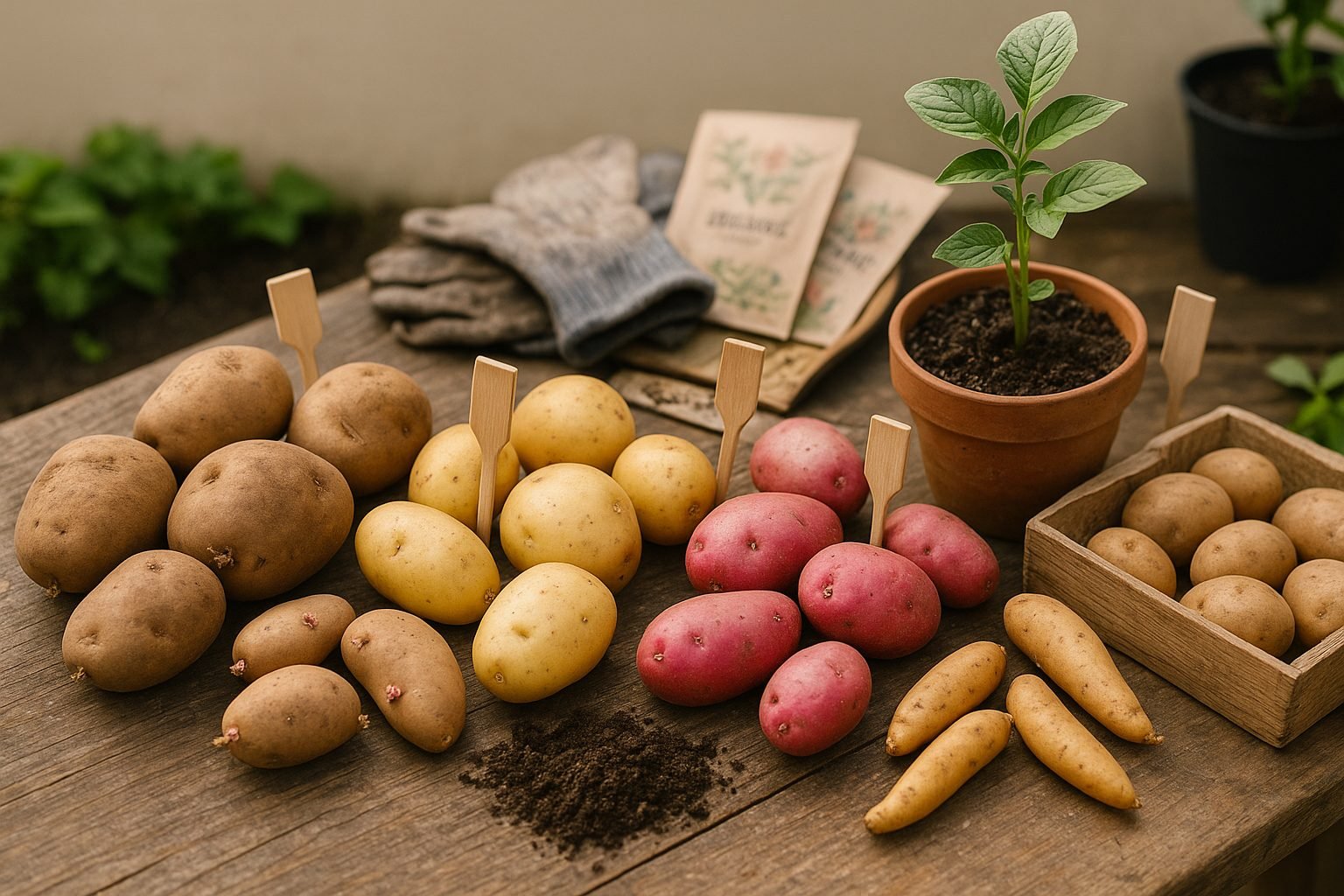
Choosing the right potato variety for your garden or kitchen starts with understanding how local climate and growing season affect performance. Warmer regions with long summers may do best with late-season varieties like Russet or Katahdin, which require more time to mature but often yield larger harvests and store well through winter.
In contrast, gardeners in cooler or short-season climates should look to early-season potatoes, such as Red Norland or Yukon Gold, which mature quickly—sometimes in as little as 70 days—minimizing risk from unexpected frosts and letting you enjoy fresh potatoes sooner.
The choice also impacts your cooking: waxy potatoes like Red Bliss hold their shape in salads and stews, while starchy types like Russet excel in baking and mashing due to their fluffy texture.
Beyond climate and culinary preference, consider each variety’s resistance to common pests and diseases (like late blight or potato scab). Disease-resistant varieties cut down on pesticide needs and crop losses.
Yield potential is another key factor; some varieties are bred for high productivity, giving you more potatoes per plant, while others are favored for flavor or specialty uses.
Lastly, pay attention to storage qualities: some types, like Kennebec or Yukon Gold, have thick skins and store well for months in cool, dark places, while others are best enjoyed fresh as their thin skins perish quickly.
By matching your potato variety not just to taste preferences, but also to local conditions and storage needs, you give yourself the best chance of a productive, delicious potato crop.
“`
Top Potato Varieties for Home Gardens
Choosing the right potato variety for your home garden can make a big difference in both the ease of growing and the satisfaction at your dinner table.
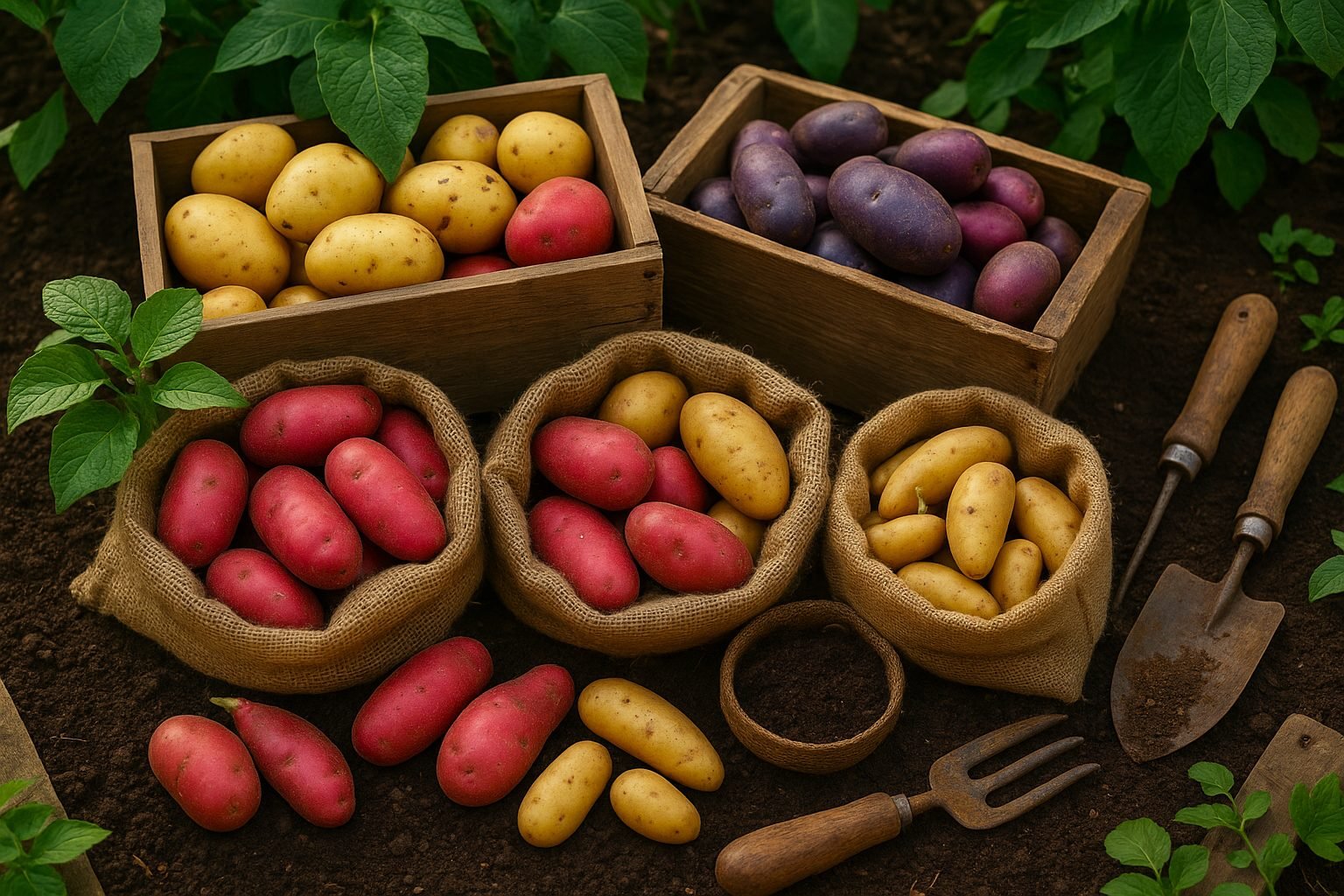
Yukon Gold is a well-loved choice, offering buttery yellow flesh and thin, smooth skin. It’s medium-starchy, making it perfect for mashing, roasting, or even salads—especially in cooler climates with well-drained, fertile soil.
If you want a classic, starchy baking potato, try Russet Burbank. Its rough brown skin and fluffy white interior make it the go-to for baked potatoes and crispy fries. It thrives best in regions with a long, warm growing season.
For waxy potatoes, consider Red Pontiac or Red Norland. Both have vibrant red skins and creamy white flesh that hold their shape beautifully, making them ideal for boiling, roasting, or slicing into a potato salad. These early to mid-season varieties adapt well to various climates but particularly excel in moist, cooler regions.
Purple varieties like All Blue or Purple Majesty add a splash of color to your garden and plate, with striking blue-purple flesh and skin. These are moderately starchy and taste great roasted or as colorful mashed potatoes. They can tolerate partial shade and cooler soils.
Fingerlings, such as Russian Banana, have a waxy texture, yellow flesh, and a nutty flavor. They’re delicious roasted whole or tossed into salads and thrive in raised beds or containers with loose, sandy soil.
For gardeners with limited space or unpredictable weather, early-maturing types like Charlotte (a small, waxy potato with yellow skin and flesh) are resilient and reliable, and can be harvested before late blight becomes an issue.
In general:
- Starchy potatoes (like Russet and All Blue) are best baked, mashed, or fried.
- Waxy types (like Red Norland, Charlotte, or fingerlings) shine in dishes where you want them to keep their shape, such as salads or stews.
When deciding what to plant, think about both your preferred recipes and your local growing conditions—matched carefully, you’ll reap a bounty of delicious, homegrown potatoes tailored to your kitchen needs.
Where and How to Source Quality Seed Potatoes
Choosing the right seed potatoes is crucial for a successful harvest. It’s important to avoid tubers sold at grocery stores, as these are often treated with sprout inhibitors and can carry diseases that compromise your crop. Instead, always purchase certified disease-free seed potatoes from reputable providers to ensure healthy plants and higher yields.
Start your search at trusted garden centers or local nurseries, where staff can often recommend varieties suited to your climate. Online suppliers like Johnny’s Selected Seeds, Seed Savers Exchange, or your region’s agricultural extension website offer a wide selection and ship at the right time for your zone. Farmer’s markets are another great resource, especially if you can talk directly with local growers about their practices.
To guarantee availability, shop early in the season—late winter to early spring is the prime window, as the most popular varieties can sell out quickly.
Once you’ve secured your seed potatoes, store them in a cool (around 40°F/4°C), dark, but well-ventilated spot—think of a basement or cellar if you have one, or a cool closet. Avoid places with high humidity to prevent rot. Place the potatoes in a single layer or mesh bag to encourage air circulation, and check them regularly for any signs of spoilage.
Proper sourcing and storage go a long way in setting up your garden for a thriving, disease-free potato crop.
Basic Growing Tips for Home Garden Potatoes
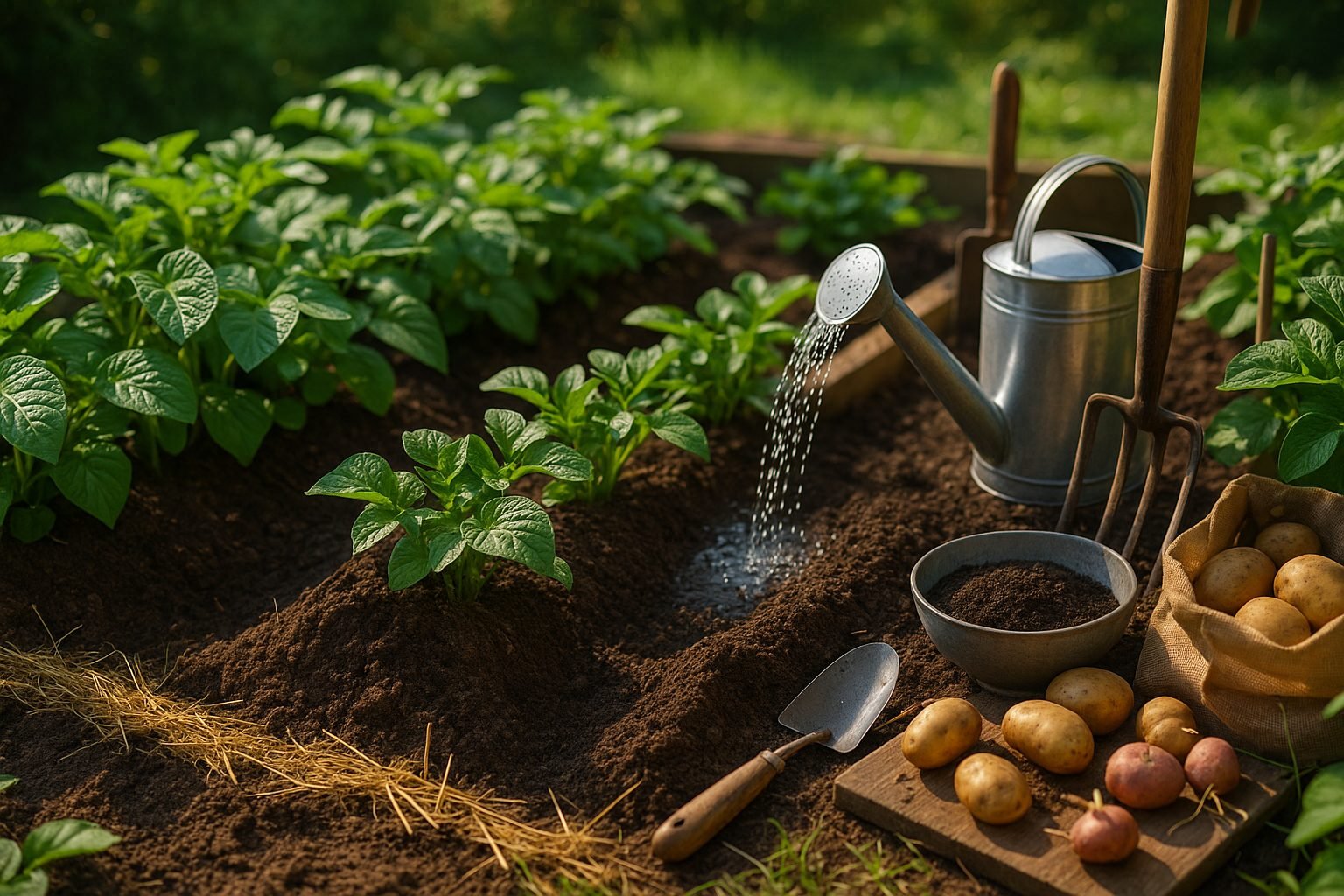
Growing potatoes at home doesn’t require a massive yard—you just need the right start and ongoing care. Begin with a sunny spot that gets at least 6-8 hours of direct sunlight each day. Potatoes thrive in loose, well-draining soil rich in organic matter, so mix in compost or aged manure before planting. Avoid compacted or clay-heavy soils, as dense earth can stunt tuber growth and increase the risk of rot.
Once your soil is prepped, cut seed potatoes into chunks with at least one “eye” each, allowing them to air dry for about a day to reduce rot risk. Plant the pieces 4 inches deep and 12 inches apart in rows spaced about 2-3 feet apart. As new green shoots emerge and reach 6–8 inches tall, gently mound soil or straw around them (called “hilling”). Repeat hilling every few weeks; this prevents sunlight from greening the tubers and encourages a bigger harvest.
Consistent moisture is key throughout the season, so water deeply once or twice a week, especially during dry spells—aim to keep the soil damp but never soggy, as potatoes hate sitting in wet ground. When green shoots reach a decent height, mulch around your plants with straw, leaves, or grass clippings to hold moisture and suppress weeds, keeping mulch an inch or two from the stems to prevent rot.
Feed your crop with a balanced fertilizer when plants are about six inches tall, then again after the first hilling, but avoid high-nitrogen fertilizers as these can encourage leaves over tubers.
Pest Management
Potatoes can attract uninvited guests; Colorado potato beetles and aphids are the most common. Inspect your plants regularly and, if you spot beetles, handpick them or use floating row covers early in the season as a barrier. For aphids, a strong blast from a hose or a mild soapy water spray can knock them back.
Disease Prevention
Prevent fungal diseases like blight by rotating your potato patch each year, giving plants good air circulation, and avoiding overhead watering. Always discard any diseased plants—don’t compost them, as this can spread problems.
With these steps, you’ll be well on your way to harvesting a healthy, delicious crop and enjoying the satisfaction of homegrown potatoes at your table.
Harvesting and Storing Homegrown Potatoes
Knowing when to harvest your homegrown potatoes is key to getting the best flavor and maximizing their shelf life. The most reliable sign is when the plant’s leaves and stems start to yellow and die back, usually a couple of weeks after the flowers have bloomed. For main crop varieties, wait until the foliage is almost entirely dead to allow the skins to mature and toughen, which helps with storage.
Use a garden fork or spade to loosen the soil about a foot away from the plant, working inward carefully—potatoes bruise easily and even small nicks can shorten their storage life. Gently lift the plants and sift through the soil, handling each tuber like an egg to avoid damage.
Once harvested, leave your potatoes out of direct sunlight but in a warm, dry, and well-ventilated area for about one to two weeks. This curing process helps heal minor cuts and thickens the skins, reducing spoilage later on. Brush off excess dirt, but resist washing them until just before eating, since moisture can encourage rot.
Sort through your potatoes, setting aside any that are damaged, cut, or diseased to use first. For storage, choose a cool (around 45–50°F), dark, and humid spot such as a basement or an unheated garage. Keep potatoes in breathable containers like paper bags or baskets, and never store them near onions, as both release gases that accelerate spoilage.
Check your potatoes every few weeks to remove any sprouted or soft tubers, ensuring you enjoy a steady supply of tasty, homegrown potatoes throughout the colder months.
Conclusion & Additional Resources
Choosing plant varieties that suit your local climate and complement your favorite recipes can make a huge difference in your garden’s success and the flavor of your dishes. When you select crops that thrive in your specific soil and weather, you’re setting yourself up for healthier plants and bigger harvests—meaning less frustration and more homegrown satisfaction.
Don’t be afraid to try several varieties each season—even experienced gardeners discover new favorites or unexpected surprises this way. Keep notes on what grows well and what tastes great at your table, and over time, you’ll fine-tune your garden to perfection.
For more guidance and inspiration, check out local resources like your county’s Cooperative Extension office, community gardening groups, and trusted websites such as the National Gardening Association (garden.org), the Seed Savers Exchange, and regional gardening forums. Many public libraries also offer gardening books and workshops.
Connecting with others who garden in your area can provide firsthand advice tailored to your unique conditions. With a little research and a spirit of experimentation, you’ll find the perfect fit for your space and palate, making every growing season more rewarding.