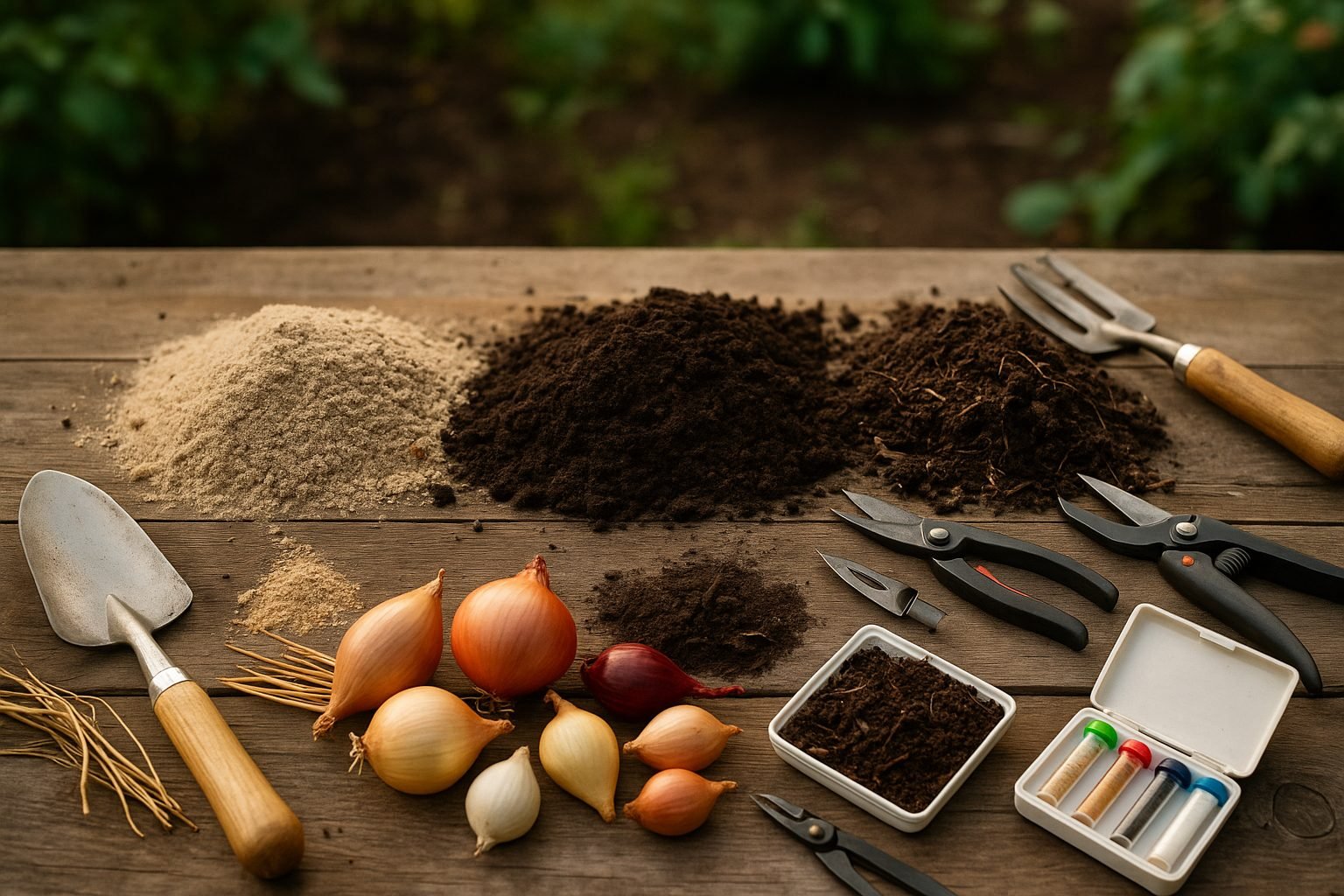
Understanding Onion Varieties and Their Soil Needs
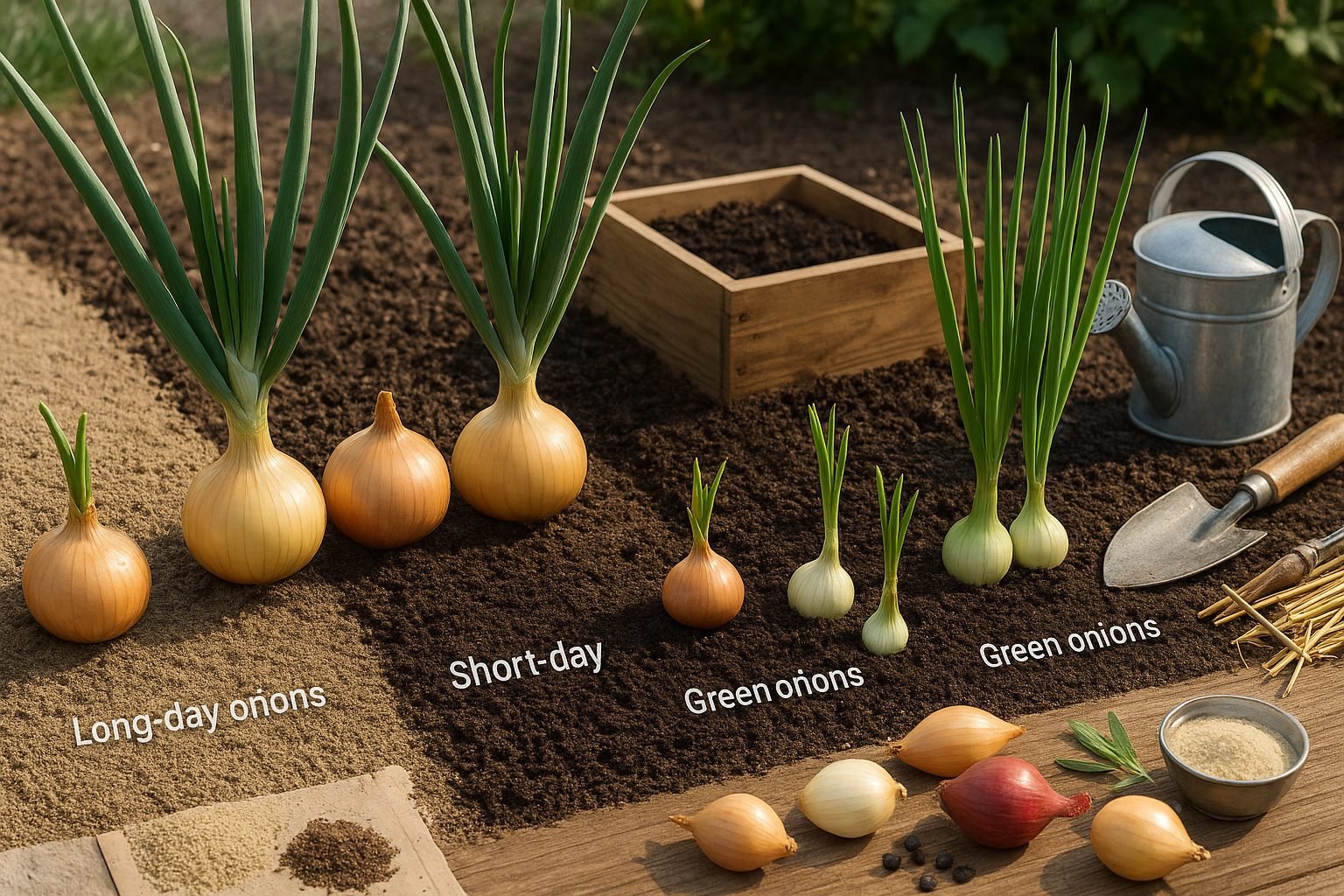
If you’ve ever wondered about growing onions in sandy soil, you’re not alone—many gardeners are curious whether this common soil type can support a healthy onion harvest. Onions come in several main varieties: long-day, short-day, and green onions. Each has slightly different growing requirements, especially when it comes to sunlight and soil.
Long-day onions, popular in northern regions, thrive where summer days stretch for 14 to 16 hours, while short-day onions prefer 10 to 12 hours of daylight, making them better suited to southern climates. Green onions, or scallions, are more versatile and mature quickly, giving you a bit more leeway in both weather and soil.
Onions and Sandy Soil
So, what does this mean for onions in sandy soil? Onion roots favor loose, well-drained environments, and sandy soil is naturally light and drains quickly. This can actually be an advantage, as it reduces the risk of root rot from standing water—a common problem in heavier soils. However, sandy soil often lacks both nutrients and organic matter, meaning onions may not receive all the nourishment they need unless you amend the soil.
Variety-Specific Responses to Sandy Soil
Different onion varieties respond differently to the challenges of sandy soil:
- Long-day onions: With their longer growing season, they need a steady supply of nutrients over time. In sandy ground, nutrients can wash away quickly with every rain.
- Short-day onions: These have a shorter growth period and can thrive when nutrients are provided at regular intervals.
- Green onions: Even less fussy, green onions can be harvested before nutrient deficiencies become an issue.
Tips for Growing Onions in Sandy Soil
To get the best results, it’s crucial to match your soil conditions to the right onion type. If your garden is predominantly sandy, consider enriching it with compost or well-rotted manure before planting any type of onion. Mulching can also help retain moisture and nutrients.
By tailoring your approach—choosing the right onion variety and caring for your sandy soil—you’ll set yourself up for a hearty, flavorful onion crop, no matter where you live.
Key Soil Qualities Onions Need to Thrive
Onions flourish in soil that’s loose, well-draining, and loamy, providing the perfect environment for healthy bulb development. This type of soil is crumbly and rich in organic matter, which means it retains enough moisture for roots without staying soggy—a crucial factor since onions are especially vulnerable to rot in waterlogged conditions.
Ideally, the pH should be between 6.0 and 7.0, which is slightly acidic to neutral. This range helps onions absorb essential nutrients like nitrogen, phosphorus, and potassium most efficiently. If the pH falls outside this sweet spot, nutrient uptake can decline, leading to stunted plants or pale, underdeveloped bulbs.
Compacted or heavy clay soils present real challenges for onions: tightly packed particles can suffocate delicate roots and make it hard for bulbs to expand evenly. Poor drainage in such soils increases the risk of fungal diseases and root rot, which can quickly devastate your crop.
If your soil is heavy, a simple fix is to:
- Mix in compost or well-rotted manure to loosen the structure and boost fertility
- Plant onions in raised beds for improved drainage
With these tweaks, you create a healthier setting for onions to produce plump, flavorful bulbs—perfect for any home garden.
Improving and Amending Your Soil for Onions
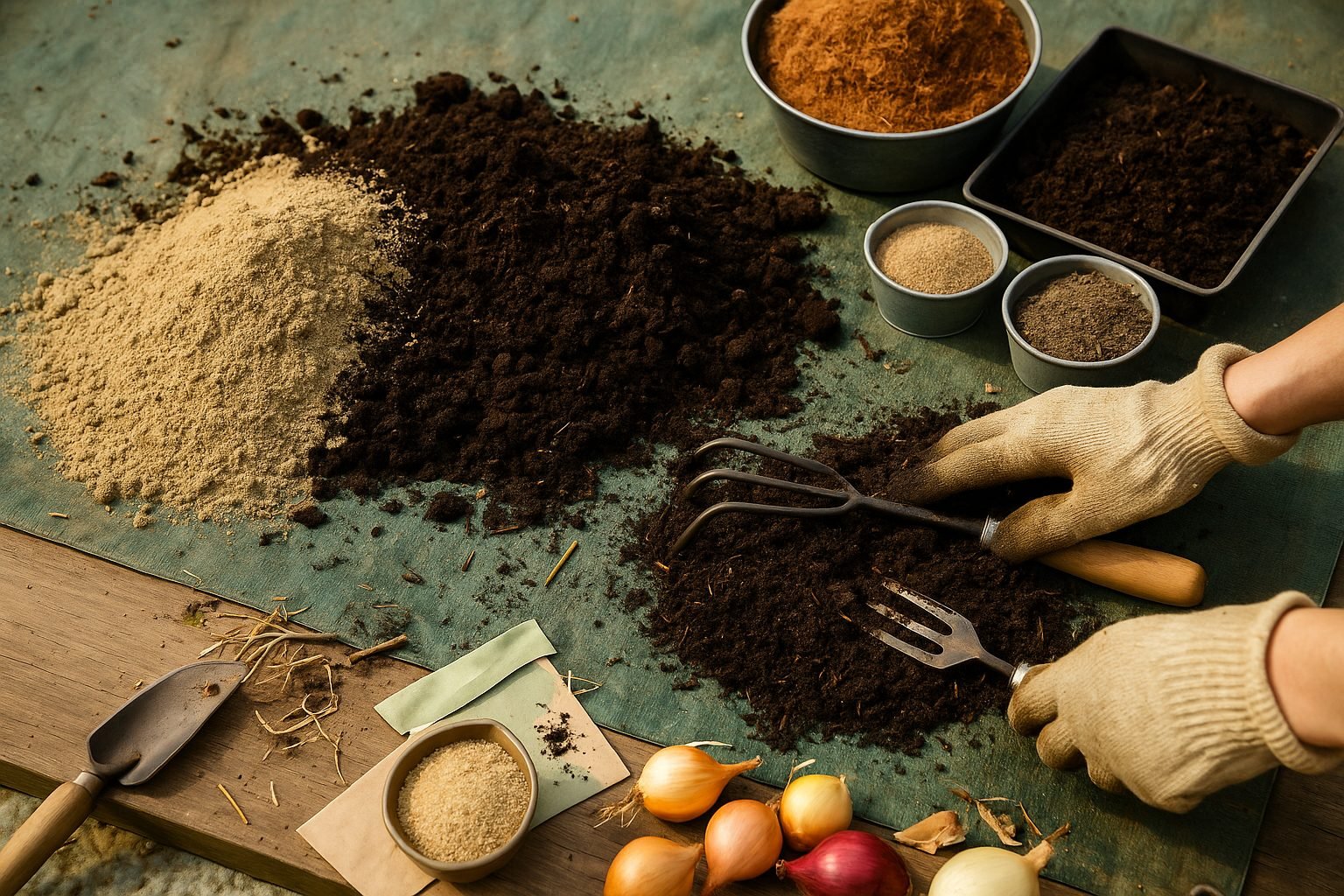
Before planting onions, start by testing your soil’s pH and nutrient levels using a reliable home testing kit or by sending a sample to your local extension service. Onions prefer slightly acidic to neutral soil with a pH between 6.0 and 7.0; knowing your starting point helps tailor your amendments for the healthiest crop.
Once you have your test results, begin amending the soil. For both garden beds and containers, work in plenty of organic matter such as well-rotted compost or aged manure, mixing it into the top 6–8 inches of soil. This step is essential because it increases nutrient availability, improves moisture retention, and strengthens soil structure—all vital for onion development.
If your garden bed has heavy clay soil—which can suffocate roots and drain poorly—add extra coarse sand, leaf mold, and more compost to loosen it and enhance aeration. Aim to break up dense clods and ensure water drains freely.
For sandy soils, which tend to dry out and lose nutrients quickly, boost water and nutrient-holding capacity by incorporating extra organic material like compost, coconut coir, or well-aged manure.
In containers, always use a high-quality potting mix blended with compost to ensure onions receive consistent nutrition in their smaller space.
As you amend any soil, avoid over-fertilizing; onions are sensitive to high levels of nitrogen, which can encourage lush tops instead of large bulbs. After amending, let your bed settle for a week before planting.
With these steps, you’ll create just the right foundation for onions to thrive, whether you’re gardening in-ground or in pots.
Essential Nutrients and Fertilizers for Onion Growth
Onions need the right balance of nutrients for healthy growth—nitrogen, phosphorus, and potassium are particularly important. Nitrogen encourages lush green leaves, which help the bulbs develop; phosphorus supports robust root growth; and potassium boosts disease resistance and overall plant health. Onions also benefit from micronutrients like sulfur, magnesium, boron, and zinc, which play key roles in flavor and disease suppression.
When choosing a fertilizer, check the three numbers on the label—for example, 10-10-10—which stand for the percent of nitrogen (N), phosphorus (P), and potassium (K). For onions, look for a balanced or slightly higher phosphorus content to promote bulb development. Organic options such as well-rotted compost, bone meal (rich in phosphorus), blood meal (for nitrogen), or fish emulsion provide slow release and improve soil quality over time.
Synthetic granular fertilizers formulated for vegetables—such as 10-20-10 or 12-24-12—are also suitable, especially if you want quick results. Apply fertilizer at planting by mixing it into the soil, then side-dress (apply alongside the rows) when onion tops are about six inches tall. Always water after fertilizing to help the nutrients absorb.
Be careful not to over-fertilize, particularly with nitrogen, as too much can cause lush leaves at the expense of bulb size and may increase susceptibility to disease. Stick to recommended dosages and watch for signs of nutrient excess, like burnt leaf tips or poor bulb formation. By reading labels carefully and using the right type and amount of fertilizer, you’ll set your onions up for a healthy, flavorful harvest.
Top Soil Mixes and Products for Onions (In-Ground & Containers)
When it comes to growing onions, whether in the ground or containers, choosing the right soil mix can make all the difference.
For container-grown onions, look for high-quality commercial potting mixes labeled for vegetables, such as Espoma Organic Potting Mix or Miracle-Gro Performance Organics. These offer a loose, fluffy texture and reliable drainage—both essential for preventing bulb rot.
If you prefer a DIY approach, blend two parts screened compost, one part coconut coir or peat moss for moisture retention, and one part perlite for drainage. Then, add a slow-release, balanced organic fertilizer.
In contrast, prepping garden soil for in-ground onions often means enhancing your native soil: work in 3-4 inches of compost and a sprinkle of bone meal to boost fertility. Then loosen the soil at least 8-10 inches deep, ensuring it’s crumbly and free of compacted clumps.
Regardless of method, always aim for a slightly acidic to neutral pH (6.0-7.0), avoid heavy clay, and make sure your mix contains plenty of organic matter.
For bagged soil or homemade blends, key traits to check are good drainage, light texture, and moderate fertility—onions won’t thrive in soggy, dense, or extremely rich mixes.
If your goal is robust green onions (scallions), use a lighter, more moisture-retentive mix with extra compost to support leafy top growth. For storage onions, emphasize drainage and structure to encourage larger, firmer bulbs—adding some coarse sand can help, especially in containers.
Remember, with onions, the right soil isn’t just about nutrients but about consistency: loose, breathable, and never waterlogged is the gold standard for both green and storage varieties.
Troubleshooting Common Onion Soil Issues
When onions aren’t thriving, soil issues are often to blame. Watch out for clear signs: if plants bolt (send up flower stalks) too early, it could be heat stress from compacted or dry soil, or too much nitrogen.
Bulb rot—in which onions turn mushy at the base or develop white, fuzzy growth—usually points to poorly drained, soggy soils that attract fungal diseases like Fusarium or white rot.
Slow, stunted growth and pale leaf color indicate nutrient-poor soil or incorrect pH (onions prefer slightly acidic soil, 6.0–6.8).
Soil-borne pests such as onion maggots or nematodes thrive in crowded or weedy beds, so rotate crops each year and promptly remove plant debris.
Quick Fixes for Soil Problems
- Loosen compacted soil with a garden fork.
- Apply organic mulch to regulate moisture and temperature.
- Improve drainage with raised beds or by adding compost and sand to heavy clay soils.
Dealing with Disease
If disease strikes, pull out sick plants and consider solarizing the soil (using clear plastic to heat soil before planting next season).
Preventing Recurring Issues
- Conduct regular soil testing to know when to add lime, sulfur, or balanced fertilizers.
- Amend soil with plenty of compost in spring to replenish nutrients and improve soil structure.
- During the growing season, weed regularly and avoid overwatering—onions need consistent moisture but hate “wet feet.”
- Test pH and nutrient levels at least once per season; many garden centers offer simple kits for this.
- Respond to test results by adding only what’s truly needed—this targeted approach reduces stress on onions and helps prevent future problems.
Healthy soil isn’t a one-time fix, but an ongoing effort. By keeping an eye on your crop, responding quickly to signs of stress, and practicing smart soil management year-round, you’ll set yourself up for bigger, better onion harvests season after season.