What Are Ornamental Peppers?
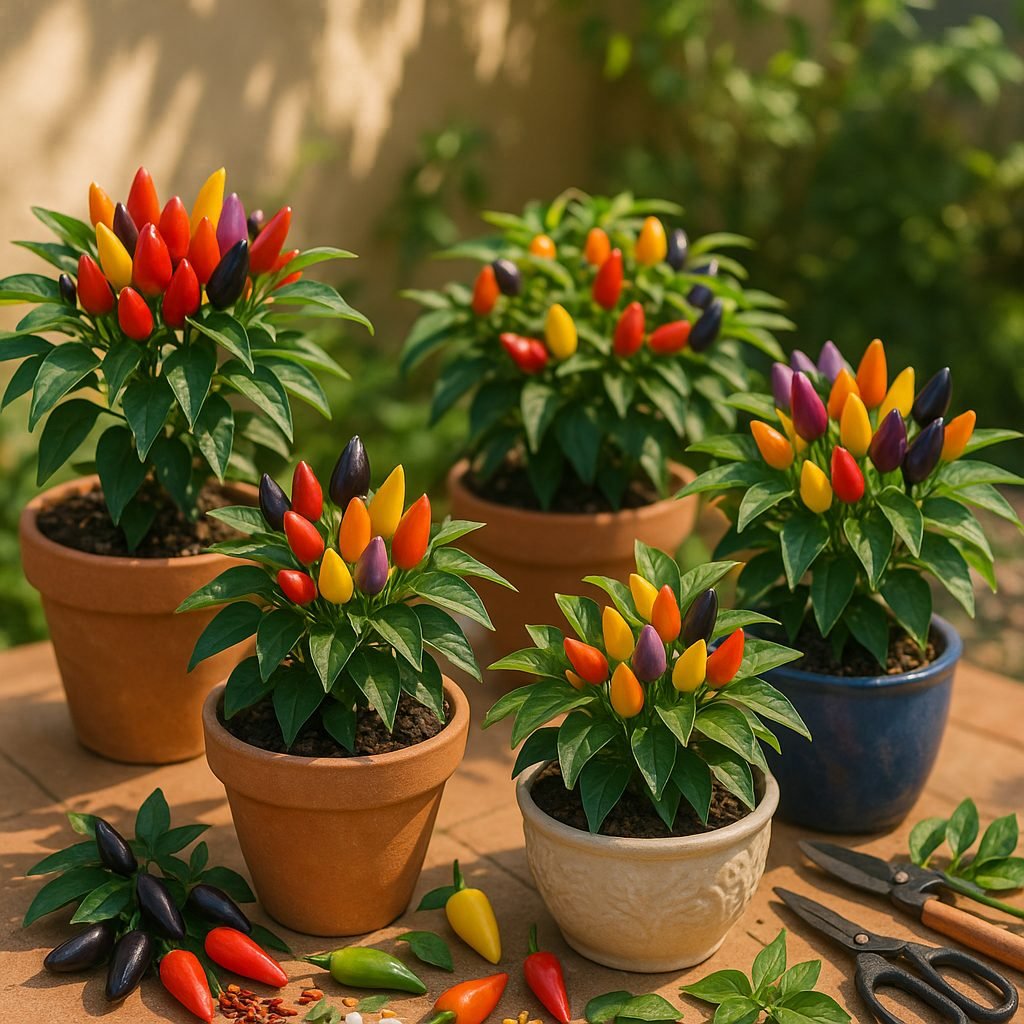
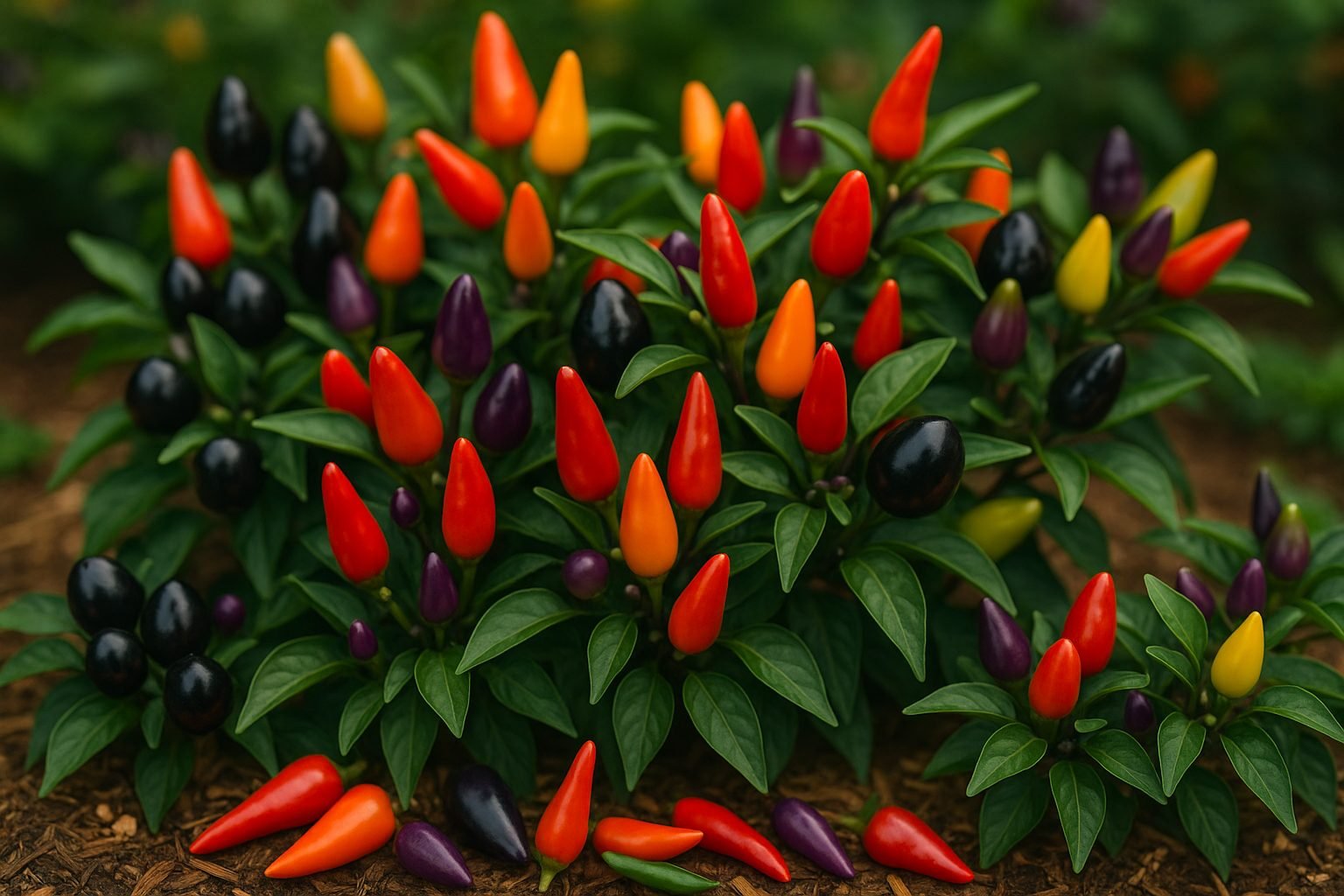
Ornamental hot peppers are a dazzling addition to any plant collection, prized not just for their spicy bite but for their stunning array of colors and shapes. Unlike standard edible pepper varieties, ornamental peppers are grown primarily for their eye-catching appearance rather than culinary use. These small but impactful plants come in a kaleidoscope of hues—ranging from fiery reds and purples to sunshine yellows, oranges, and even deep blacks.
The peppers themselves can be slender, round, cone-shaped, or globe-like, and many varieties display multiple colors at once as their fruit ripens throughout the season.
Uses and Growing Spaces
Their vivid colors and compact growth make ornamental hot peppers a favorite for decorative purposes in both outdoor and indoor spaces. In the garden, they serve as focal points, drawing the eye among more muted flowers or foliage. Many gardeners use them to border walkways, accent flowerbeds, or liven up patio containers.
Because they thrive in pots, they are also perfect for brightening up balconies, small porches, or apartment window sills. Indoors, these plants work beautifully as living centerpieces, where the playful clusters of peppers complement modern or traditional décor alike.
Edibility and Caution
While ornamental hot peppers are technically edible, they are usually bred for beauty rather than flavor. Their fruits can often be surprisingly hot or have a bitter taste, so caution is advised before adding them to recipes. Still, their main role isn’t in the kitchen—it’s providing a long season of color and interest wherever you need it most.
With their remarkable versatility and visual punch, it’s no wonder ornamental hot peppers continue to delight gardeners and decorators alike year after year.
Top Ornamental Pepper Varieties
When it comes to adding dramatic color and flair to your garden or indoor space, ornamental peppers offer an eye-catching display that goes beyond just edible appeal. Among the standout varieties, the Black Pearl amazes with its glossy, near-black foliage and clusters of round, jet-black peppers that mature to hot red, creating a striking contrast year-round.
Bolivian Rainbow peppers live up to their name by showcasing a rainbow of fruits—each plant displays purple, yellow, orange, and red peppers all at once, making them a conversation starter for tabletops or borders. Sedona Sun peppers dazzle with their upright, cone-shaped peppers shifting from cream to orange to deep red as they ripen, offering a warm sunburst effect perfect for bright patios.
If you crave a living palette, Chinese 5 Color offers compact growth with fruit that transforms from purple to cream to yellow, then orange, and finally red—an ever-changing spectacle. Jigsaw peppers appeal with not just multicolored peppers, but also striking variegated leaves splashed with white, pink, and purple streaks, making them both an edible and visual treat.
Purple Flash stands out for its dramatic, deep purple foliage and black-purple fruits that occasionally flash to red, giving it an almost otherworldly presence in containers or flowerbeds. For something whimsical, Medusa produces clusters of long, thin, wavy peppers that ripen from creamy white to yellow, orange, and finally red, resembling the mythical hair of their namesake.
Finally, NuMex Twilight offers a festive look with small, upright peppers that change from purple to yellow, orange, and finally red, often presenting several colors at once on a compact, bushy plant.
When choosing ornamental peppers, consider if you prefer subtle foliage like the Black Pearl or variegated options like Jigsaw, whether you want compact varieties for pots (Medusa or Chinese 5 Color), or if you’re after heat—while most are edible, some, like the Black Pearl and Bolivian Rainbow, pack a notable punch. Be sure to check the Scoville rating before adding them to your dishes or letting little ones sample the fruit.
Ornamental peppers are as versatile in design as they are in use, making them a rewarding choice for both beginners and collecting enthusiasts.
Why Choose Ornamental Peppers for Your Garden?
Ornamental peppers are a fantastic choice for any garden because they offer a burst of vibrant color that lasts well into the fall, outshining many seasonal flowers. Their jewel-like fruits come in shades ranging from deep purple to bright orange and fiery red, transforming beds, containers, and even borders into lively displays.
What makes them especially versatile is their compact size and upright growth, allowing you to tuck them into tight spaces, edging, or even use them as eye-catching centerpieces in planters. Gardeners also appreciate ornamental peppers for their relative pest resistance; unlike some fussier annuals, these hardy plants tend to shrug off common garden pests, making them easy to care for regardless of experience level.
Even beginners can achieve great results with just a sunny spot and regular watering. Beyond their good looks, many varieties of ornamental peppers are edible—though they’re often much hotter than grocery store types, so a gentle taste test is wise before adding them to a dish. Popular in salsas or as a spicy accent to salads, they bring both punchy color and flavor to the table.
In short, if you want show-stopping visual interest with minimal effort, plus the bonus of homegrown heat for your kitchen, ornamental peppers are a smart, satisfying addition to any garden.
Planting Ornamental Peppers: The Basics
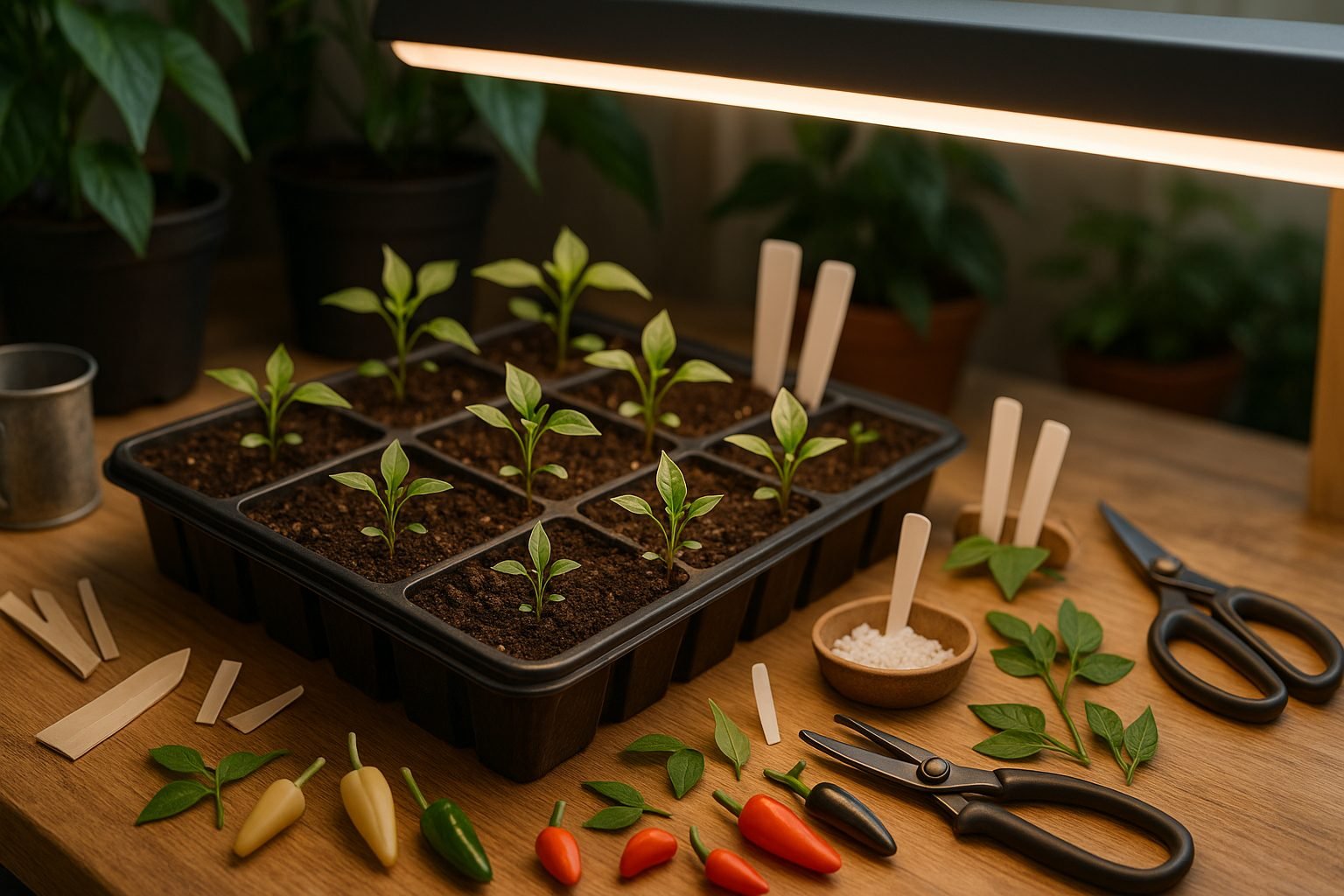
Starting ornamental peppers is simple and rewarding, whether you’re growing them from seeds or buying young seedlings. For seeds, begin indoors 8–10 weeks before your last expected frost. Use seedling trays filled with light, well-draining potting mix, and keep them in a warm spot (around 75–80°F) with plenty of sunlight or under grow lights. Water just enough to keep the soil moist but not soggy, as peppers dislike “wet feet.”
For seedlings, wait to transplant them outdoors until nighttime temperatures consistently stay above 55°F. Ornamental peppers love full sun—aim for at least 6 hours of direct sunlight each day. As for soil, choose a rich, loamy mix high in organic matter; ensure it drains well since soggy soil stunts growth and can cause root rot.
Space pepper plants about 12 to 18 inches apart in beds or garden borders to allow good air circulation and avoid overcrowding. If you’re working with limited space or want to enjoy peppers indoors, they do well in containers—select pots at least 8–10 inches wide with drainage holes, and use high-quality potting soil.
For a decorative touch in garden borders, try mixing peppers with marigolds or dusty miller for vibrant color contrast. Indoors, place your pepper plant on a sunny windowsill or near a south-facing window. Water consistently, letting the top inch of soil dry out between waterings, and feed with a balanced liquid fertilizer every few weeks.
Remember, ornamental pepper plants are as tough as they are beautiful. With the right conditions, you’ll enjoy their fiery colors both inside and out throughout the season.
Caring for Ornamental Pepper Plants
Ornamental pepper plants thrive when cared for with a consistent routine. Start by watering them regularly—aim to keep the soil evenly moist but not soggy. During hot summer months, check the top inch of soil every day and water when it starts to dry out. In cooler weather, allow the soil to dry a bit more between waterings to avoid root rot.
These plants enjoy warmth, ideally between 70-85°F (21-29°C) during the day, and shouldn’t be exposed to temperatures below 55°F (13°C). They’re adaptable to average home humidity but will benefit from a light misting or a nearby tray of water if your air is particularly dry.
To keep your plant compact and promote new blooms, pinch or trim back leggy stems and remove older or fading fruits. This encourages new growth and more peppers. Feed ornamental peppers every two weeks during active growth with a balanced, water-soluble fertilizer to support continuous flowering.
Watch for common pests like aphids or spider mites. If you spot any, rinse the leaves with water or use an insecticidal soap spray.
Light and Location
For long-lasting color and a steady crop of ornamental fruits, place the plant somewhere bright, such as a sunny windowsill or patio. These plants need at least six hours of light daily. If growing indoors, consider supplementing with a grow light during shorter winter days.
Rotate your plant every week so all sides get equal sunlight, encouraging even development.
Consistent care—attending to water, light, and occasional pruning—will keep ornamental pepper plants vibrant, healthy, and blooming beautifully all season long.
Harvesting, Edibility, and Safety Considerations
Not all ornamental peppers are created equal when it comes to edibility. While most varieties, like ‘Black Pearl’ and ‘Numex Twilight,’ are technically safe to eat, their primary purpose is visual appeal rather than flavor. These peppers are often extremely hot—sometimes even hotter than jalapeños or cayennes—so always taste with caution.
For culinary use, pick peppers once they’re fully colored and firm. Snip them from the plant with scissors to avoid damage, leaving a short stem attached to extend shelf life. If you’re harvesting for decorative purposes, cut clusters with foliage intact for vibrant, long-lasting displays.
Safety is crucial: ornamental peppers can cause skin irritation and burning sensations. Always wear gloves when harvesting and handling these peppers, and wash your hands thoroughly afterward—especially before touching your face or eyes.
Keep both fresh and dried ornamental peppers out of reach of children and pets, as their bright colors can be tempting, but consumption may cause stomach discomfort or worse. If you’re displaying peppers in a home with kids or animals, choose locations they can’t access, like high shelves or hanging baskets, to add color without risk.
Creative Ideas for Using Ornamental Peppers
Ornamental peppers offer much more than their fiery looks—they’re versatile stars for both garden beds and creative home projects. In landscaping, try planting compact varieties like Capsicum annuum along sunny borders or pathways to add pops of red, purple, or yellow that draw the eye and provide vibrant contrast against traditional greenery.
To elevate a patio, cluster ornamental peppers in colorful pots or hanging baskets; mix them with trailing vines like sweet potato or delicate alyssum for a playful, layered look. During holidays, tuck sprigs of their vivid fruit into festive wreaths or centerpieces, or string the peppers (dried or faux) onto garlands for a bold, seasonal touch.
For crafty DIYers, create pepper-charmed napkin rings or glue dried peppers onto candle holders for one-of-a-kind gifts. For maximum impact in garden beds, pair ornamental peppers with spiky grasses, marigolds, or silvery lamb’s ear—the contrast in shape and color ensures a stunning visual effect.
With their easy care and lasting color, ornamental peppers are a smart, creative way to add drama and cheer both indoors and out.