Introduction
Growing cauliflower with kids is a fantastic way to spark curiosity and give children the chance to learn by doing. Cauliflower is more than just a nutritious addition to meals—this versatile vegetable is the perfect starting point for creative, educational projects that captivate young minds. Whether your child is fascinated by science, loves getting their hands dirty in the garden, or enjoys expressing themselves through art and food, there’s something for everyone when cauliflower is the centerpiece of learning.
Encouraging children to participate in activities like planting cauliflower seeds, observing growth patterns, or experimenting with color changes during cooking helps them develop observation and problem-solving skills. Simple projects such as painting or printing with cauliflower florets turn vegetables into tools for artistic expression, while hands-on gardening teaches patience, responsibility, and a sense of accomplishment when it’s time to harvest. Even preparing a meal together can spark conversations about nutrition, biology, and the importance of healthy eating.
In this post, we’ll explore a variety of engaging cauliflower projects for kids—science experiments that highlight plant growth, arts and crafts using vegetable shapes, tasty cooking adventures, and fun gardening activities. Each idea is designed to make learning fun, memorable, and full of practical life lessons.
Why Use Cauliflower for Kids’ Projects?

Cauliflower is an excellent choice for kids’ educational projects because it offers a fascinating mix of features that appeal to both curious minds and hands-on learners. Visually, cauliflower’s dense, cloud-like florets create intriguing patterns that encourage kids to explore spirals and symmetry, providing a natural introduction to math concepts like fractals. Its texture is firm yet slightly bumpy, inviting touch and sensory exploration.
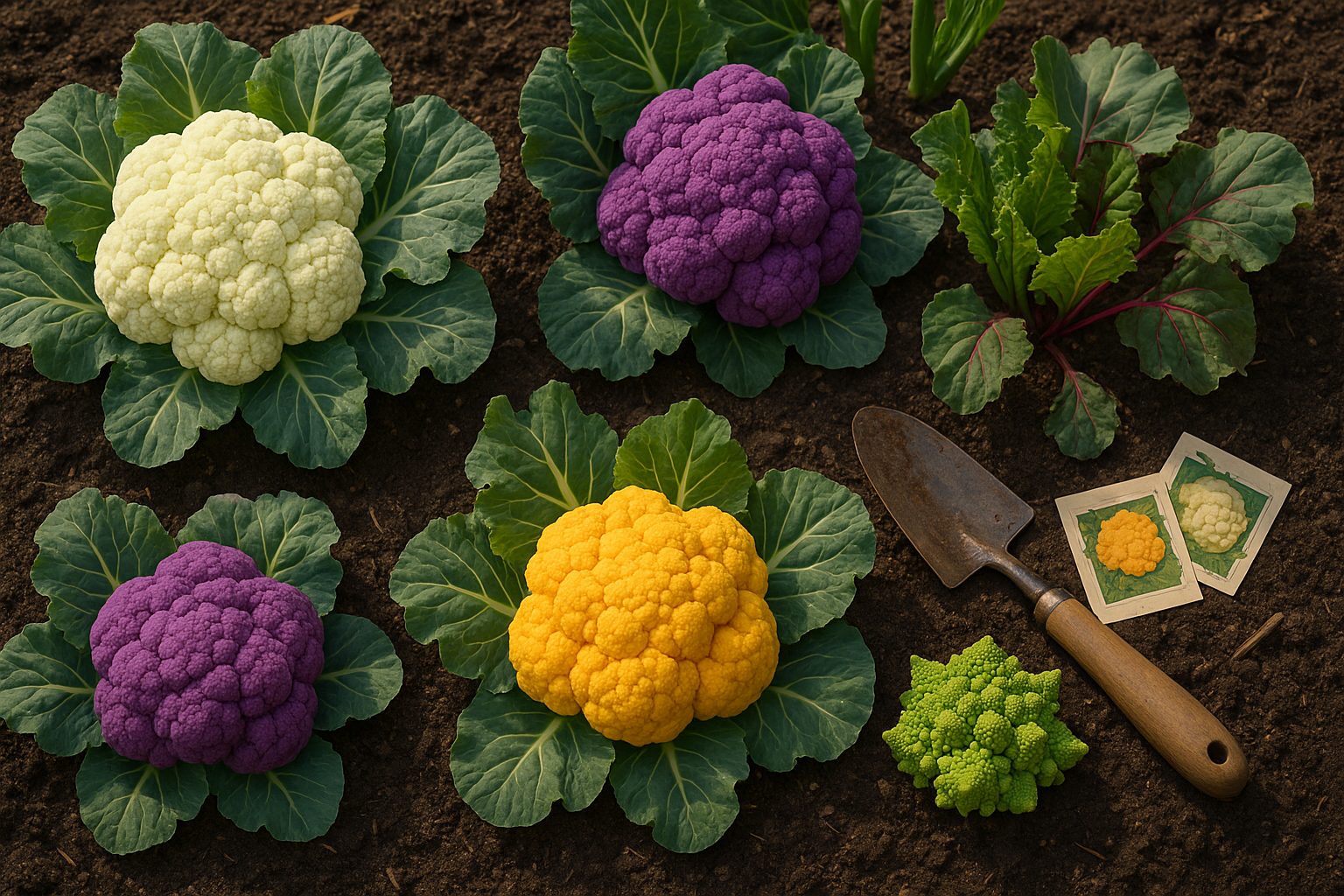
Cauliflower also comes in more colors than many expect, including purple, orange, and green, adding a fun, colorful element that sparks interest and connects well with creative projects or art activities. Nutritionally, it’s packed with vitamin C, fiber, and essential nutrients, making it a great starting point for conversations about balanced diets and wellness.
Working with real produce like cauliflower helps children build a tangible connection with their food, turning abstract ideas like plant growth, nutrition, and environmental stewardship into something concrete. By growing cauliflower with kids, you create a direct path to learning where food comes from, promote healthy eating habits, and introduce basic biology concepts—such as root systems and flowering stages—in a hands-on way.
Cauliflower is widely available at grocery stores or farmers’ markets year-round and is sturdy enough to hold up well during activities involving small hands. It has a mild odor, creates less mess compared to softer vegetables, and when grown from seed or starter plants, poses minimal safety risks beyond typical gardening precautions. All these qualities make cauliflower a safe, accessible, and versatile tool for fun, educational projects that inspire curiosity and learning in children.
Science Experiments with Cauliflower
Science comes alive with hands-on activities featuring cauliflower, making learning interactive and memorable for kids. One simple experiment involves examining cauliflower under a magnifying glass or low-powered microscope. Kids can break apart a floret to observe the tightly packed plant cells in the white, spongy tissue, deepening their understanding of plant biology and cell structure.
Next, demonstrate how plants absorb water using cauliflower’s unique texture. Place a few fresh florets in cups filled with water dyed different colors using food coloring. After several hours, the florets will transform into bright purples, blues, or reds as they soak up the dye through their stems—a vivid way to show water uptake and movement through the plant (transpiration). Kids will have fun predicting which colors will appear most clearly and seeing how the coloration highlights the stem pathways.
For a basic chemistry lesson, use cauliflower to explore acidity and pH in your kitchen. Boil a handful of purple cauliflower (or red cabbage if unavailable). Strain the deeply colored cooking water, which contains natural pigments called anthocyanins. Divide this liquid into small clear cups, then add a spoonful of household acids like lemon juice or vinegar to one cup and a base like baking soda to another. Kids will be amazed as the liquid changes from deep purple to pink or green, providing a safe and visual way to understand how substances change color based on acidity or alkalinity.
Overall, growing cauliflower with kids and conducting these experiments not only teaches important science concepts but also encourages curiosity and a hands-on love of learning beyond the traditional classroom.
Creative Art Projects Using Cauliflower
Growing cauliflower with kids offers a fantastic chance to turn this humble vegetable into a fun and creative centerpiece for art projects. Start by cutting cauliflower heads into cross-sections, revealing natural patterns perfect for stamping or printing. Dip these “cauliflower stamps” into child-safe paint and press them onto paper or fabric to create textured, floral-inspired designs—kids love watching the paint fill every tiny nook, making each print unique.
For added vibrancy, try painting or dyeing individual cauliflower florets with food coloring or washable paints. Once dry, these colorful florets can be glued onto paper or cardboard to make bright, tactile collages or whimsical flower arrangements. This hands-on project is a great sensory experience and results in artwork worth displaying.
Encourage even more creativity by including other vegetables, like broccoli or celery, for a mixed-media effect. Kids can compare patterns, textures, and colors while assembling eye-catching veggie mosaics. For example, use radish slices as stamp circles or cut okra pods for star-shaped prints, then combine them with your painted cauliflower to create nature-inspired scenes or fantastical imaginary creatures.
These art projects not only develop fine motor skills but also deepen a child’s appreciation for fresh produce. Plus, the experience can lead to meaningful conversations about where food comes from, especially after spending time growing cauliflower with kids in your home garden. Through artistic play, children learn that vegetables like cauliflower have a special place both on the dinner plate and in the art studio.
Cooking and Tasting Activities
When it comes to growing cauliflower with kids, the culinary adventure can be just as exciting as the gardening itself. Cooking and tasting activities let children connect with their homegrown vegetables in a hands-on, memorable way. Start simple by turning raw cauliflower florets into “mini trees”—let kids break apart the heads themselves, feeling the rough stems and bumpy tops. Set out bowls for rinsing (the cold water will feel refreshing!) and encourage kids to notice the earthy aroma of fresh cauliflower.
Once clean, invite them to munch on raw florets sprinkled with a bit of sea salt or served alongside dips like hummus or yogurt-based ranch. Next, try easy cauliflower snacks that spark creativity—think make-your-own veggie pizzas. Slice a large cauliflower head into thick rounds, roast them lightly, and let kids top their “cauliflower pizza crusts” with tomato sauce, cheese, and other chopped veggies. Assembling pizzas gives children a sense of control over their food choices, while the smell of roasting cauliflower and melting cheese fills the kitchen with inviting aromas.
Include other engaging sensory activities: have children compare the taste and texture of raw versus steamed cauliflower, or mash cooked florets with potatoes for a nutrient-packed side dish. Discuss colors, sounds, and textures together—how does cutting through a crisp stalk feel and sound, and what changes after it’s cooked? These sensory explorations not only teach kitchen skills but also help make healthy foods more approachable.
By actively involving kids in meal preparation and tasting, you encourage positive attitudes toward vegetables and adventurous eating habits. Research shows that children who help prepare their food are more willing to taste and enjoy what they’ve made. With every crunchy bite or gooey pizza pull, your child builds a happier, more confident relationship with food—one colorful floret at a time.
Growing Cauliflower at Home or in the Classroom
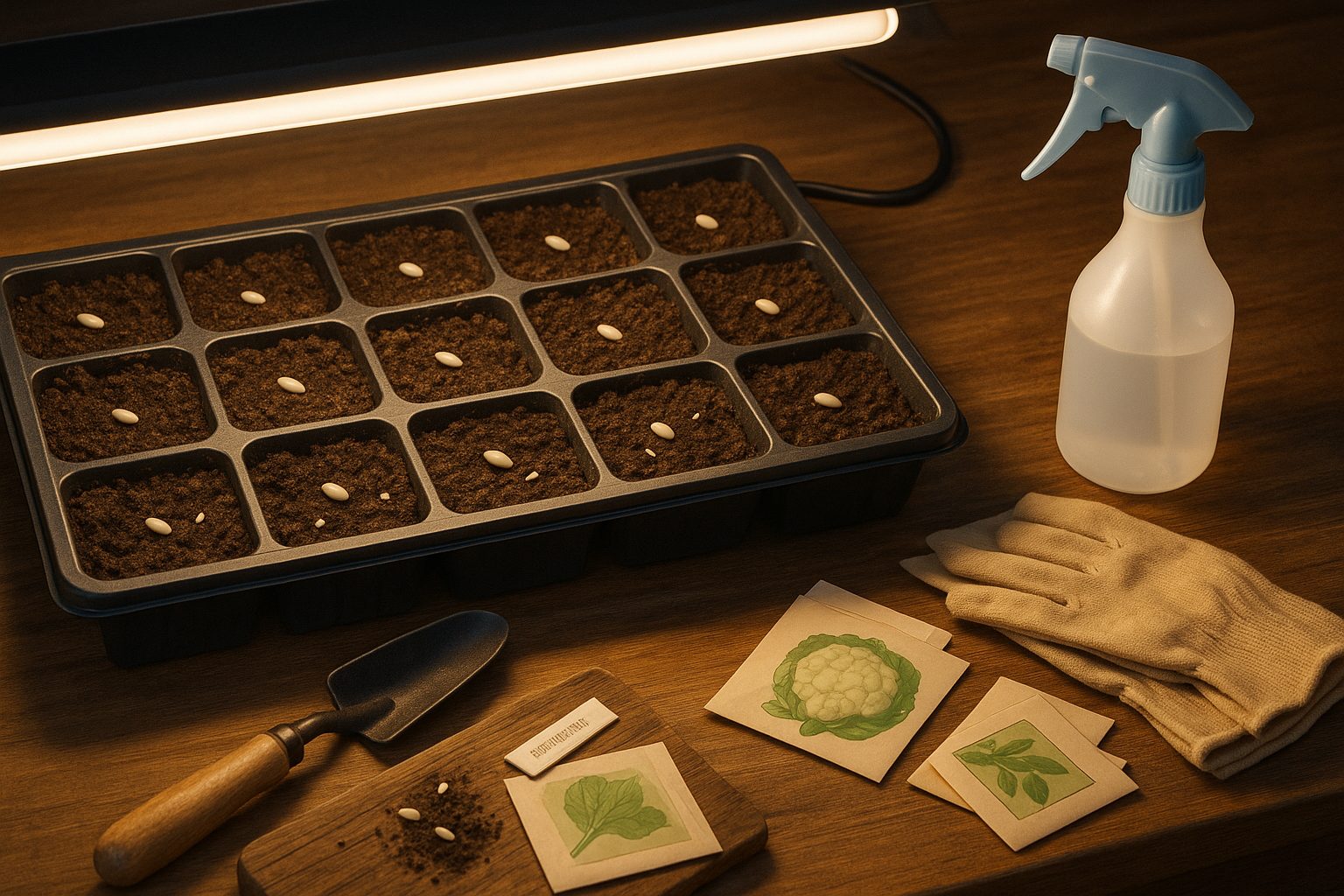
Growing cauliflower with kids can be both fun and educational, whether you have a backyard, a small garden bed, or just a few containers on a sunny windowsill. Start by choosing a cauliflower variety suited to your region and planting season. Next, fill your container or garden bed with nutrient-rich potting soil.
Sow seeds about a half-inch deep, keeping them moist but not waterlogged. Place them in a sunny spot where they receive at least six hours of light each day. As the seedlings emerge, kids can observe how the young plants develop—a perfect opportunity to introduce concepts like germination, root structure, and leaf growth.
Encourage children to keep a growth diary or observation journal. They can sketch each stage, note daily changes, and measure how the seedlings stretch toward the light. Cauliflower follows a distinct life cycle, starting with seed germination, then producing leaves and a thick central stalk before forming a compact white head.
Kids will learn that cauliflower is a slow and steady grower—patience is key, as it can take several months from planting to harvest. Tracking temperatures, rainfall, and any pests the plants encounter can help foster scientific thinking.
When the heads are firm and about six to eight inches wide, it’s time to harvest. Involve kids in cutting the head below the leaves and discussing the importance of proper timing to ensure the best flavor and texture. This hands-on process not only introduces botany basics but also teaches responsibility, observation skills, and the rewards of tending plants from seed to plate.
Tips for Making Cauliflower Projects Fun and Educational
Turning growing cauliflower with kids into a memorable experience means balancing fun, learning, and hands-on involvement. Start by matching tasks to your child’s age and ability: little ones can help plant seeds, water, or draw vegetable labels, while older kids can measure plant growth, research cauliflower varieties, or keep a simple garden journal.
Always provide the right level of supervision, especially when using tools or fetching water, but let kids take the lead whenever possible. Children love feeling responsible for their own plants, which encourages curiosity and ownership.
You can tie each step to mini-lessons: discuss how cauliflower grows (science), let kids sketch their plants or create veggie-inspired art (art), and talk about why eating cauliflower is good for their health (nutrition).
As the project unfolds, encourage reflection through weekly photo updates, a simple drawing diary, or a show-and-tell session where kids explain what has changed in their garden. Celebrating milestones together—like the first sprouts or the harvest—keeps enthusiasm high and makes the learning stick.
This way, cauliflower becomes more than just a plant; it becomes a tool for discovery, creativity, and family connection.
Conclusion
Growing cauliflower with kids offers much more than just a gardening lesson—it’s a hands-on way to spark curiosity, teach patience, and explore science, nutrition, and responsibility all at once. Whether you’re planting seeds in the classroom, experimenting with colorful cauliflower crafts, or cooking up tasty, healthy snacks together, these activities create memorable experiences that support different learning styles. Kids not only gain practical skills but also a sense of accomplishment as they watch their efforts grow from soil to plate.
Feel free to adapt these ideas to fit your group’s size, ages, or available resources—creativity is part of the fun! We’d love to hear how you’ve incorporated cauliflower into your lessons or family activities, so please share your project ideas or stories in the comments below. Let’s grow and learn together!