Introduction to Cauliflower Varieties
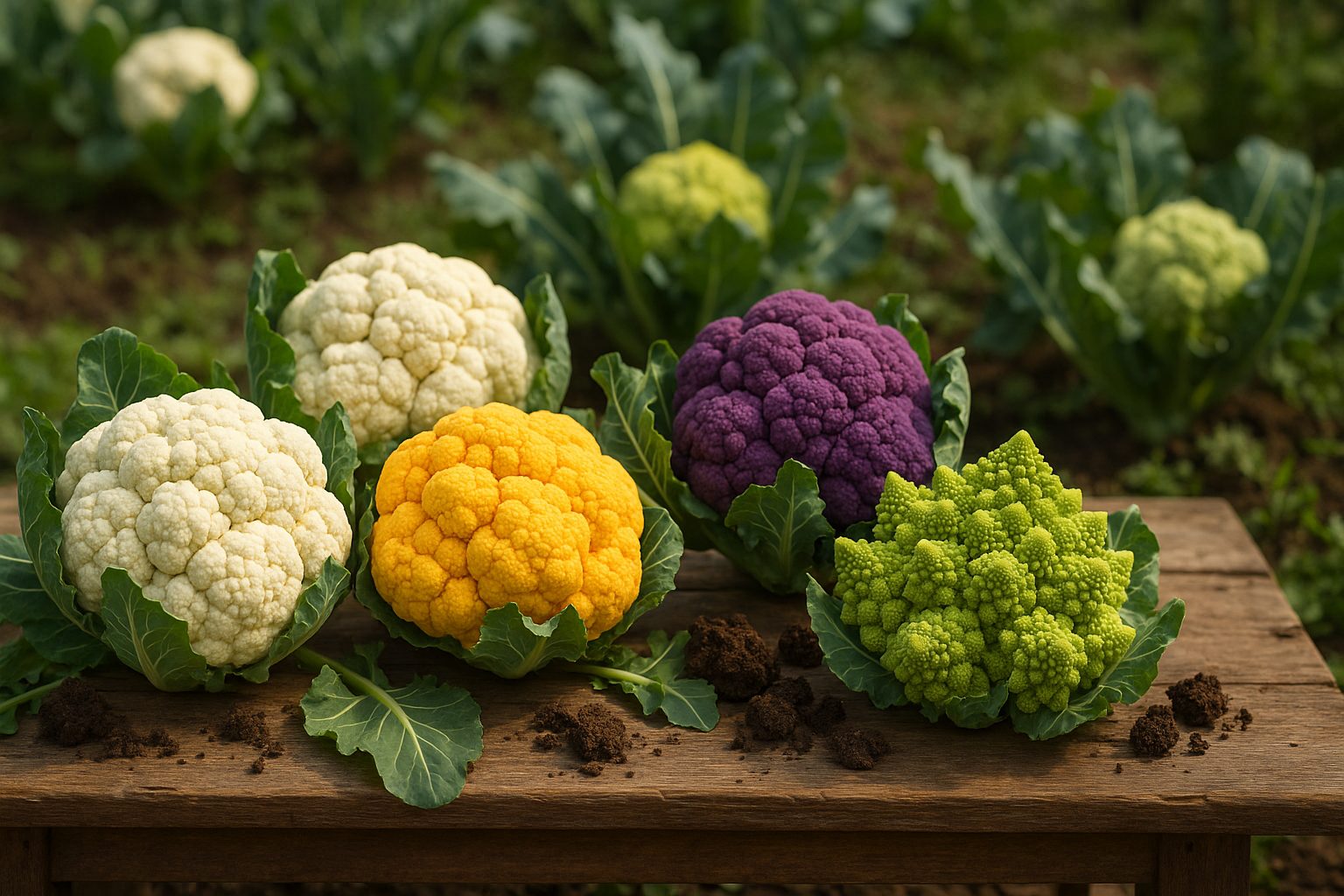
When it comes to choosing the best cauliflower varieties for your home garden, there’s a surprising world of options beyond the familiar white heads found at the grocery store. Cauliflower is a highly versatile and nutritious vegetable, celebrated for its subtle flavor and health benefits—but did you know it comes in striking hues of purple, orange, and even green? Each type brings its own unique taste, texture, and growing requirements, making your selection much more exciting than you might expect.
For gardeners, understanding the differences between the best cauliflower varieties can make all the difference in a successful harvest. Some options, like ‘Snowball’ or ‘Cheddar’, thrive in specific climates or resist pests better than others, which means you can tailor your crop to your region or gardening skill level. For cooks, exploring diverse types opens up flavorful possibilities: purple varieties are mild and packed with antioxidants, orange types add color and a gentle sweetness to dishes, while Romanesco boasts a nutty flavor and striking, fractal-like formations that double as a conversation piece.
Stepping outside the limits of traditional white cauliflower not only adds visual interest to your plate but can also improve your crop’s resilience in varying climates or seasons. Whether your goal is to experiment with stir-fries, create nutrient-rich salads, or simply enjoy more reliable harvests from your garden, discovering the best cauliflower varieties is the first step to elevating both your cooking and growing experience.
How to Choose the Right Cauliflower Variety
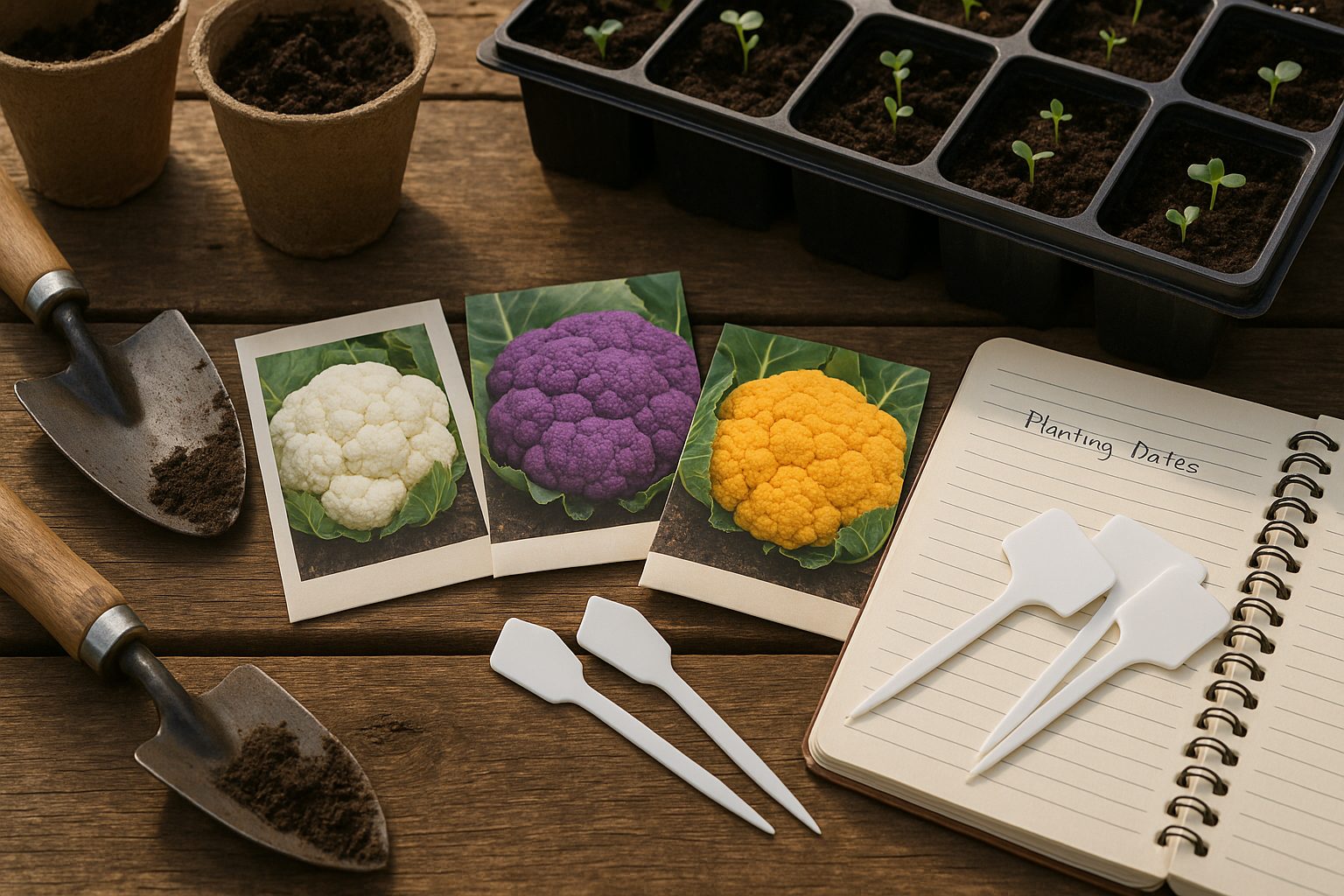
Choosing the right cauliflower variety makes a big difference in your gardening success, and it starts with understanding your local climate and how you plan to use your harvest.
If you live in a cooler region, opt for early-maturing varieties like Snowball or Early White, which can handle shorter growing seasons and are less sensitive to spring or fall chill. Warmer climates benefit from heat-tolerant types such as Cheddar or Fioretto, designed to perform well when temperatures climb.
Always check the days to maturity—some varieties can be ready in as little as 50 days, while others take 80 days or more. This helps you plan your planting dates, especially if you want multiple harvests or need to avoid harsh weather.
Think ahead about how you’ll use the cauliflower, too: larger-headed varieties like Amazing are excellent for storing or freezing if you want to preserve some of your crop, while smaller heads or loose-curd types are ideal for cooking fresh dishes.
Disease resistance is another key factor, especially in areas prone to pests or clubroot fungus; look for varieties labeled as resistant to common local threats to simplify your season.
Head size and shape matter if appearance is important — tight, compact heads are easier to store and prepare, while colored types add visual appeal and nutritional variety (try Graffiti for purple or Romanesco for striking chartreuse spirals).
If you’re not sure where to start, talk to local gardeners or check with your regional cooperative extension — they’ll know which varieties thrive in your area’s soil and temperature range.
Ultimately, choosing the right cauliflower comes down to matching the plant’s traits to your garden’s unique conditions and your personal goals, ensuring a harvest you’ll be proud to bring to the table.
Classic White Cauliflower Varieties
When it comes to classic white cauliflower, varieties like Snowball and Clapton are popular favorites among gardeners and cooks alike. Snowball is prized for its compact heads with a creamy-white color and mild, slightly nutty flavor, making it perfect for steaming, roasting, or blending into creamy soups.
Clapton stands out for its impressive disease resistance and dense, uniform florets, which hold up well in both raw salads and cooked dishes. Both types prefer cool, consistent temperatures, but Snowball is often chosen for early planting because it matures quickly—ideal if you want a speedy harvest.
In contrast, mid-season varieties like Clapton take a bit longer but reward you with larger, firmer heads. Late-season white cauliflowers take the longest to mature and are typically hardier, holding up well against fall frosts.
To ensure the cleanest white heads, many growers tie the leaves over the growing curd for protection from the sun—a simple trick to prevent discoloration. No matter which variety you choose, all classic white cauliflowers are versatile, mild, and healthy additions to your garden and table.
Unique Colors: Green, Purple & Orange Cauliflower
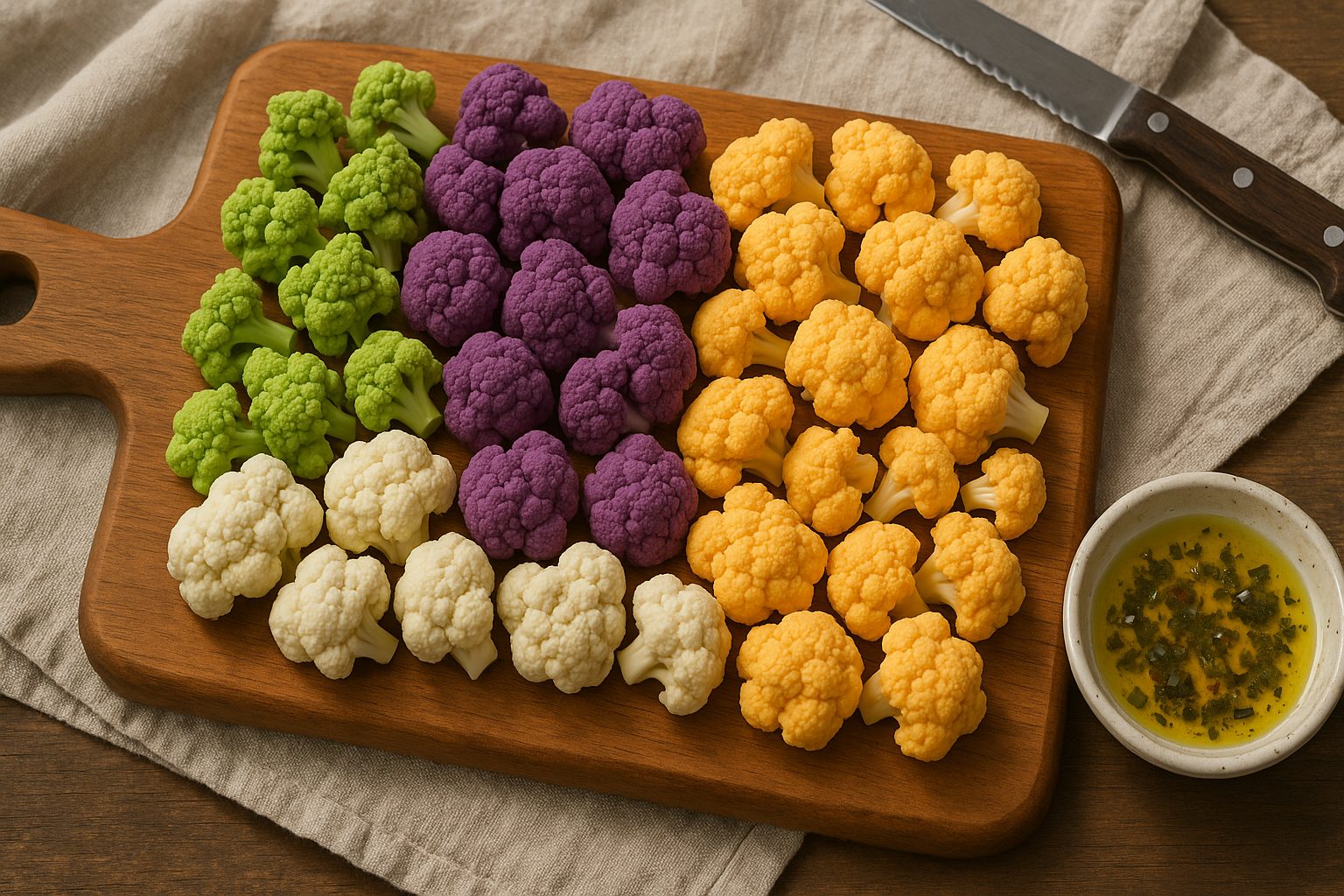
Cauliflower isn’t limited to the traditional white variety—bring a burst of color and nutrition to your table with vibrant green, orange, and purple types.
Green cauliflower, sometimes called ‘Vorda’ or broccoflower, stands out with its mild, sweet flavor and extra crunch, making it perfect for raw salads or crunchy veggie platters.
Orange cauliflowers, like the fun ‘Cheddar’ variety, get their sunny hue from beta-carotene, the same antioxidant found in carrots that supports eye health and immunity. Their slightly creamier texture is delicious when roasted or mashed as a potato alternative.
Purple cauliflowers, such as ‘Graffiti,’ owe their striking color to anthocyanins, powerful antioxidants also found in blueberries that can help protect your cells from damage.
Each color not only adds visual appeal but also subtle flavors—purple has a touch of nuttiness, while orange is a bit milder and sweeter than classic cauliflower.
For an eye-catching twist, try tossing florets of all three into a vibrant roasted vegetable medley, or add raw, chopped pieces to salads for a pop of color and crunch. These colorful cauliflowers also make beautiful crudité platters, creamy soups, or even bright pickled veggie jars—making it easy and fun to boost nutrition in everyday meals!
Romanesco and Sprouting Cauliflowers
Romanesco stands out in the vegetable aisle with its striking, otherworldly appearance: each head forms a cluster of lime-green, spiraled florets that resemble a natural fractal pattern, making it as much a conversation starter as a nutritious side dish. Beyond its visual appeal, Romanesco offers a pleasantly nutty, slightly earthy flavor—think of it as a cross between broccoli and cauliflower, but with more crunch and a subtle sweetness that shines whether it’s roasted, steamed, or tossed raw into salads.
Meanwhile, sprouting cauliflower varieties like the increasingly popular ‘Fioretto 70 F1’ are earning a devoted following among home gardeners and chefs alike. Unlike traditional cauliflowers that form a dense, compact head, sprouting types produce long, tender stems topped by loose, delicate florets, much like broccolini.
This means they cook quickly and have a unique, slightly sweet flavor that works well in quick stir-fries, salads, or simply grilled with olive oil. The sprouting varieties’ more open growth habit also makes them easier to harvest over several weeks—a real bonus for kitchen gardeners seeking a steady, fresh supply.
So, whether you’re in the mood for the geometric elegance and firmness of Romanesco or the tender, versatile shoots of sprouting cauliflower, these alternatives deliver fresh flavors and new possibilities that go far beyond the standard white curds you’re used to.
Tips for Success: Growing, Harvesting, and Cooking
When planting cauliflower, choose a sunny spot with well-drained, fertile soil. Start seeds indoors 4-6 weeks before your last frost to give your plants a stronger head start. Transplant seedlings when they have 4-5 true leaves, spacing them 18-24 inches apart—crowding can reduce head size and quality.
To grow white cauliflower with crisp, pale heads, blanch them by gently tying the outer leaves over the curd once it’s about the size of an egg. This shields it from sunlight and prevents browning. Harvest heads while they’re tight and firm, usually 7-12 days after blanching; waiting too long causes florets to separate and lose sweetness.
Watch out for pests like cabbage worms, aphids, and flea beetles, as well as diseases like clubroot and black rot. Minimize problems by rotating crops, removing plant debris, and using floating row covers. Handpick pests or spray with insecticidal soap if needed.
Once harvested, store cauliflower—whether white, Romanesco, or purple—unwashed in a perforated bag in the fridge for up to a week. Washing too early encourages spoilage.
For cooking, steaming or roasting preserves the most nutrition and brings out natural sweetness. Try slicing cauliflower into steaks to grill, or pulse raw florets in a food processor for a quick, low-carb “rice.” Purple and orange varieties add color to salads and stay vibrant when lightly steamed. Prep everything just before cooking for the best flavor and crunch. Remember, even the leaves and stems are edible when sautéed or added to soups.
Frequently Asked Questions about Cauliflower Varieties
If you’re new to growing or cooking cauliflower, you might wonder whether colored types like purple, orange, or green can be cultivated at home—good news! Most colored varieties grow just as easily as the traditional white types and can add a pop of interest to both your garden and your plate.
For beginners, ‘Snowball’ and ‘Amazing’ are two white cauliflower varieties prized for their reliability and uncomplicated care, making them great starter options. If you’re craving color, try ‘Graffiti’ (purple) or ‘Cheddar’ (orange); both are fun and tend to do well in most climates with basic soil preparation and consistent watering.
When it comes to cooking, denser varieties like ‘Romanesco’ or ‘Fioretto’ (also known as “stick cauliflower”) are especially good for roasting—just break into florets, toss with olive oil, and bake at a high heat for a caramelized, nutty flavor.
Remember, cauliflower prefers cool weather, so try sowing seeds in early spring or late summer for best results.
Wondering where to get seeds or learn more? Reputable seed catalogs like Johnny’s Selected Seeds or Baker Creek Heirloom Seeds offer great variety choices and growing tips on their websites—plus, you can find helpful how-to videos from garden creators on YouTube for real-life demonstrations. Local cooperative extension offices are also a fantastic resource for region-specific advice.
With a little planning and the right variety, you’ll be able to grow and enjoy delicious cauliflower right at home.