Introduction
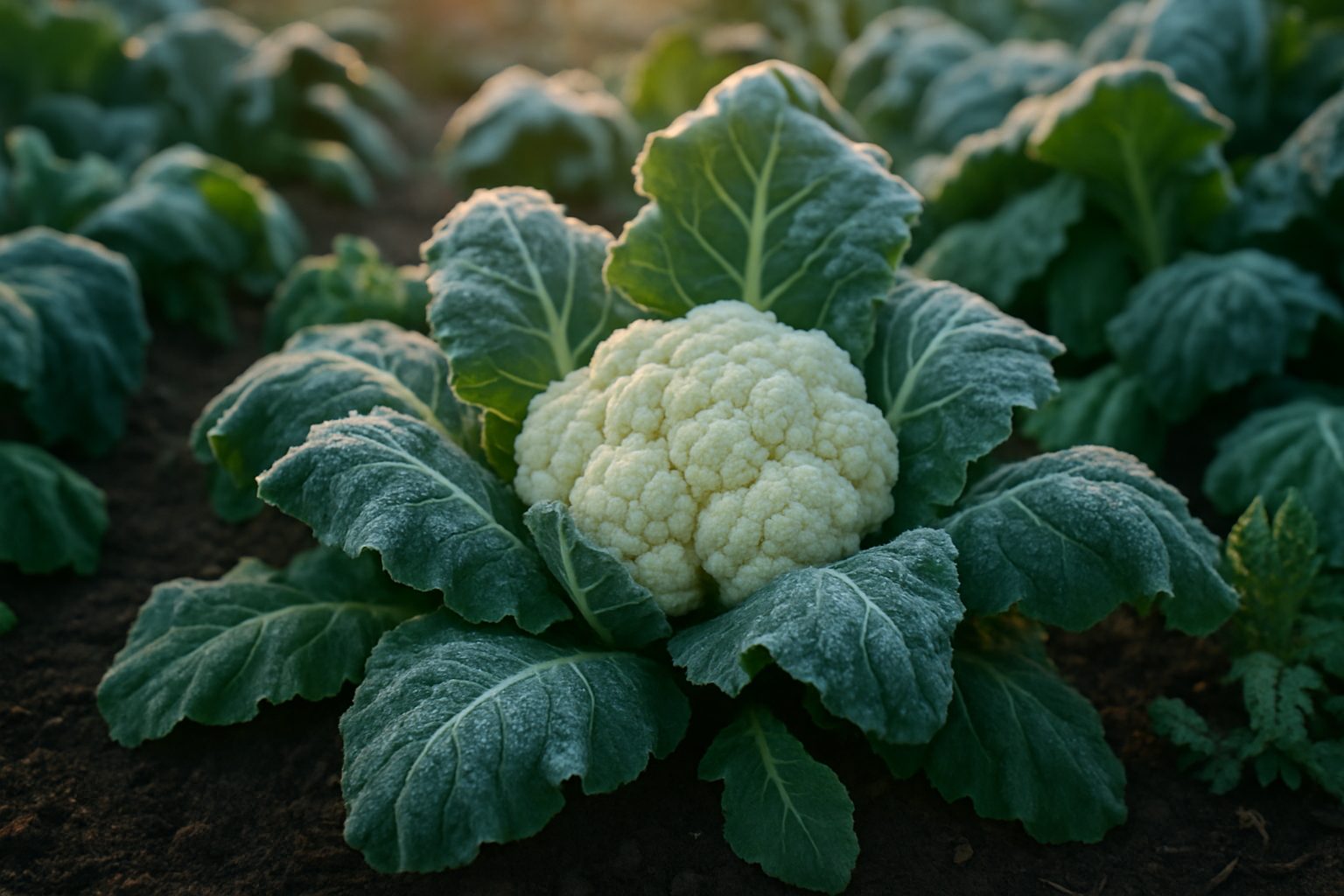
cauliflower frost protection is a crucial topic for any vegetable gardener aiming to nurture healthy, thriving crops through chilly weather. Frost can damage or even kill delicate plants like cauliflower, wiping out weeks of hard work overnight. That’s why understanding how frost forms, what temperatures are dangerous, and which vegetables can handle a cold snap is essential.
In this article, we’ll dive into what frost really is, how to recognize the vegetables that tolerate it best, and most importantly, practical methods to shield your cauliflower from harm. Whether it’s using row covers, scheduling your planting dates, or knowing which microclimates in your garden offer a bit more warmth, you’ll find clear, actionable tips to keep your harvest safe.
By the end, you’ll be ready to spot frost warnings, decide when to act, and confidently protect your cauliflower crop all season long.
Understanding Frost and Its Impact
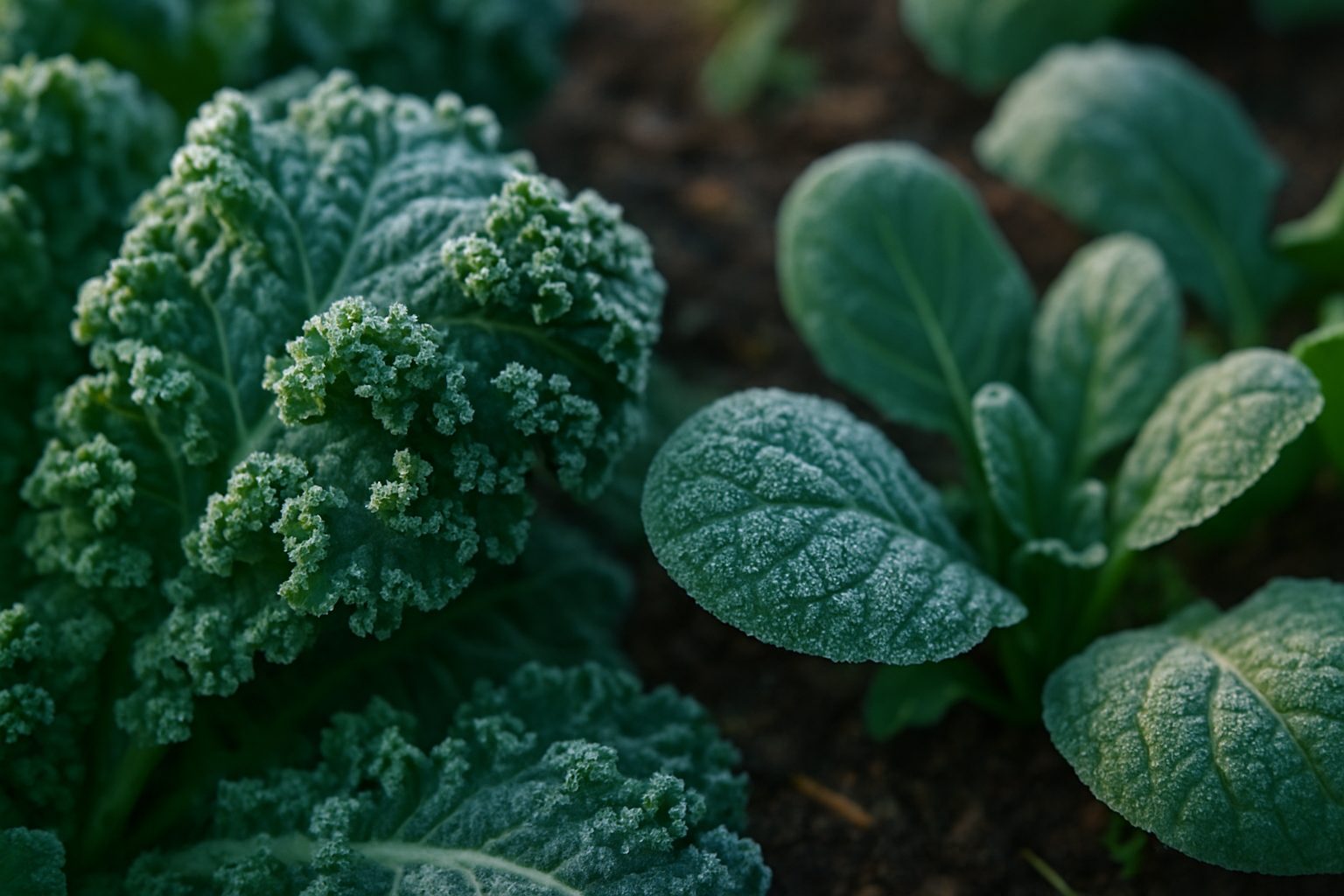
Frost occurs when temperatures drop low enough for moisture in the air to freeze onto surfaces like plant leaves, creating a thin, icy coat. Not all frosts are created equal:
- Light frost: Happens when air temperatures fall just below freezing (32°F or 0°C) for a short time, often leaving only the most sensitive plants damaged.
- Hard frost: Sometimes called a killing frost, it’s more severe—temperatures stay well below freezing (usually 28°F or -2°C or lower) for several hours, which can kill even hardier vegetables.
- Killing frost: Goes a step further, effectively ending the growing season by wiping out the majority of garden plants.
Different vegetables handle frost differently: leafy greens like kale and spinach can survive light frost and may even taste sweeter afterward, while warm-weather crops like tomatoes, beans, and cucumbers blacken and die with even brief exposure.
Timing is critical for gardeners—late spring frosts can devastate young seedlings that have just been planted, erasing weeks of hard work. Early fall frosts, on the other hand, can prematurely end harvests if gardeners haven’t yet brought in cold-sensitive produce.
Keeping an eye on weather forecasts during these transitional seasons can make a big difference; using protective coverings like old sheets or row covers on chilly nights can often save your crops.
For those wanting to extend harvests or start earlier in the season, knowing your region’s average last and first frost dates is invaluable—these calendars help you plan your planting and harvesting strategies for maximum yield and minimal risk.
Identifying Frost-Tolerant and Non-Tolerant Vegetables
Knowing which vegetables can handle frost—and which cannot—is key to a successful garden, especially if you live in a region with chilly nights or a short growing season. Frost-tolerant vegetables like kale, spinach, cabbage, broccoli, Brussels sprouts, carrots, and peas can survive light frosts with little trouble and may actually taste sweeter afterward. Root veggies like turnips, radishes, beets, and parsnips are also notably resilient.
On the other hand, frost-sensitive varieties such as tomatoes, peppers, cucumbers, eggplants, beans, squash, melons, and basil will quickly wilt or die if exposed to freezing temperatures. This contrast makes it vital to sequence your planting dates and harvest plans according to each crop’s cold hardiness.
For example, you can start frost-tolerant greens early in the spring or plant them for a fall harvest when temperatures begin to drop, while heat-loving crops should be planted only after the last frost date in your area. Knowing frost tolerance helps you avoid the disappointment of lost plants and make the most of shoulder seasons.
Some fruits are also surprisingly hardy; apples and pears are classic frost-resistant options, and even certain berry bushes like currants and gooseberries can withstand cold snaps. By planning your garden around these hardiness levels, you can enjoy fresh produce over more months of the year and worry less about sudden chills derailing your hard work.
Consider investing in row covers or cloches for extra-sensitive crops, or using mulches for added protection, especially if unpredictable weather is common in your area. Ultimately, understanding frost tolerance is the secret to stretching your growing season, boosting harvest yields, and cultivating a resilient, thriving garden that fits your local climate.
Planning Your Garden to Minimize Frost Risks
When frost threatens your garden, careful planning is your strongest defense, and modern tools make it easier than ever. Consider starting with a digital garden planner or a printable planting calendar—these resources can help you map out what to plant and when, tailored to your specific region’s frost dates.
By consulting your local last and first frost dates, you can avoid sowing tender seedlings, like tomatoes and peppers, too early or missing the short window for cool-weather crops such as spinach and peas.
Site selection is also vital: plant frost-tender vegetables in the sunniest, most sheltered parts of your yard (often near a south-facing wall or fence), while hardier crops like kale or carrots can tolerate cooler, slightly exposed spots.
Stagger your plantings with succession planting strategies—sow small batches of lettuce, radishes, or green beans every couple of weeks rather than all at once. This increases your odds of having at least some mature harvests if an untimely frost appears.
To extend your growing season for vulnerable crops, consider using cloches, row covers, or cold frames—simple tools that shield tender plants from chilly nights. Even something as basic as old bedsheets or garden fleece can be laid over crops during an unexpected cold snap.
For gardeners willing to plan ahead, raised beds and mulches can warm soil more quickly in spring and retain heat longer into fall, nudging out a few extra weeks of productivity.
By combining deliberate timing, protective strategies, and a little flexibility, you can minimize frost risks and set your garden up for a longer, more rewarding harvest.
Frost Protection Methods for Your Vegetable Garden
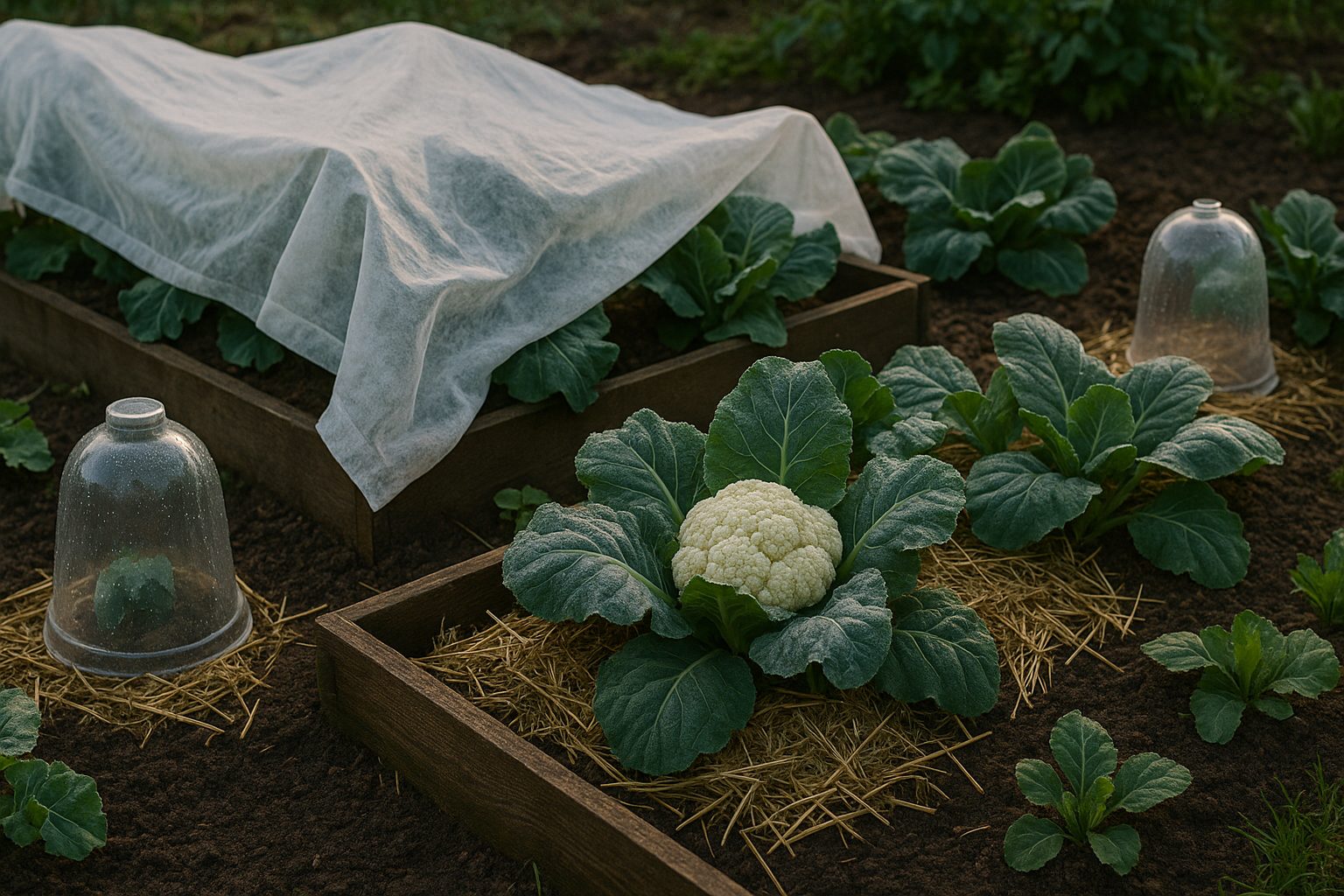
When chilly nights threaten your vegetable garden, having a few frost protection tricks up your sleeve can make all the difference. One of the simplest options is using row covers—lightweight fabrics like floating row covers or garden fleece that drape loosely over your plants, offering a few degrees of warmth while still letting in light and moisture.
For best results, choose covers that are breathable and fit the length of your beds; secure the edges with rocks or garden staples to keep out gusty winds.
For individual plants or small groups, cloches—a kind of mini greenhouse made from glass, plastic, or even repurposed clear containers—create a snug microclimate. If you want to save money, try cutting the bottoms off plastic milk jugs or turning clear storage bins upside down over tender seedlings.
Mulching is another effective strategy: a generous layer of straw, leaves, or even shredded newspaper laid around the base of your plants insulates the soil and roots, guarding them against sudden cold snaps.
For gardeners with a bit more room (or ambition), constructing a cold frame—essentially a box with a clear lid—extends your season by sheltering rows of crops like lettuce, spinach, or radishes. Old windows paired with scrap lumber make sturdy, budget-friendly cold frames; just remember to vent them during sunny days to prevent overheating.
No matter which technique you try, the real secret is staying ahead of the weather. Set up mobile alerts for frost advisories, and keep your supplies handy as autumn approaches. A surprise dip in temperatures can sneak up overnight, but a little preparation means you’ll be ready—and your veggies will keep thriving long after the first frost.
Extra Tips to Prepare and Respond to Frost Events
Preparing for a sudden frost doesn’t have to be stressful if you follow a few key steps. On the day before a frost is predicted, make sure your plants are well-watered; moist soil holds heat better, keeping roots a few degrees warmer.
Harvest any tender crops like tomatoes or peppers, as they won’t survive a freeze. In the evening, cover vulnerable plants with old sheets, frost cloths, or even cardboard boxes—just remember to remove covers in the morning so plants don’t overheat.
After a frost, inspect your garden for damaged leaves and stems, pruning off any mushy or blackened growth once it thaws to prevent disease. Hold off on watering until midday, when temperatures have risen and you can accurately assess moisture needs.
If a plant is lost, wait for a warming trend before replanting to avoid repeated exposure. For long-term protection, gradually improve your soil with organic matter—healthy soils trap more heat and recover from cold shock faster.
Take note of your garden’s microclimates: beds next to fences, walls, or under big trees often stay a few degrees warmer. Plant your most frost-sensitive varieties in these sheltered spots, or use raised beds, which warm up faster in spring but also need monitoring as they lose heat more quickly at night.
With these real-world strategies, you’ll be better prepared to face sudden cold snaps and safeguard your garden’s health through the season.
Conclusion
Understanding and protecting your vegetables from frost is essential for any successful garden, especially as temperatures fluctuate between seasons. Be sure to monitor weather forecasts closely and use simple solutions like row covers or old bedsheets to shield plants on chilly nights. Mulching can also help insulate the soil.
Taking proactive steps—such as watering before a frost or setting up hoop tunnels in advance—can save your crops from frost damage and extend your growing season. Every garden is unique, so experimenting with different protection methods will help you find what works best in your space.
We’d love to hear about your own strategies or stories—what tricks have helped your vegetables survive unexpected cold snaps? Share your tips in the comments to help fellow gardeners keep their harvests safe and thriving!