Introduction
Swiss chard gardening tools can make all the difference when cultivating this vibrant and nutritious leafy green in your home garden. Swiss chard is beloved by gardeners for its colorful stems, mild flavor, and impressive resilience, making it a staple in vegetable patches both large and small. However, thriving Swiss chard doesn’t happen by accident—having the right tools on hand streamlines every step, from planting seeds in the spring to snipping mature leaves for your dinner table.
Consider how a sturdy hand trowel simplifies planting, how drip hoses or watering cans help maintain consistent soil moisture, and how harvesting knives make quick, clean cuts without damaging tender leaves. This article will guide you through the essential Swiss chard gardening tools for every stage: the best implements for planting and watering, top options for fertilizing and managing pests, and the most efficient tools for harvesting and storing your crop.
Whether you’re a seasoned gardener or just starting out, using the right tools can help ensure lush, healthy Swiss chard and an effortless harvest every time.
Essential Hand Tools for Planting Swiss Chard
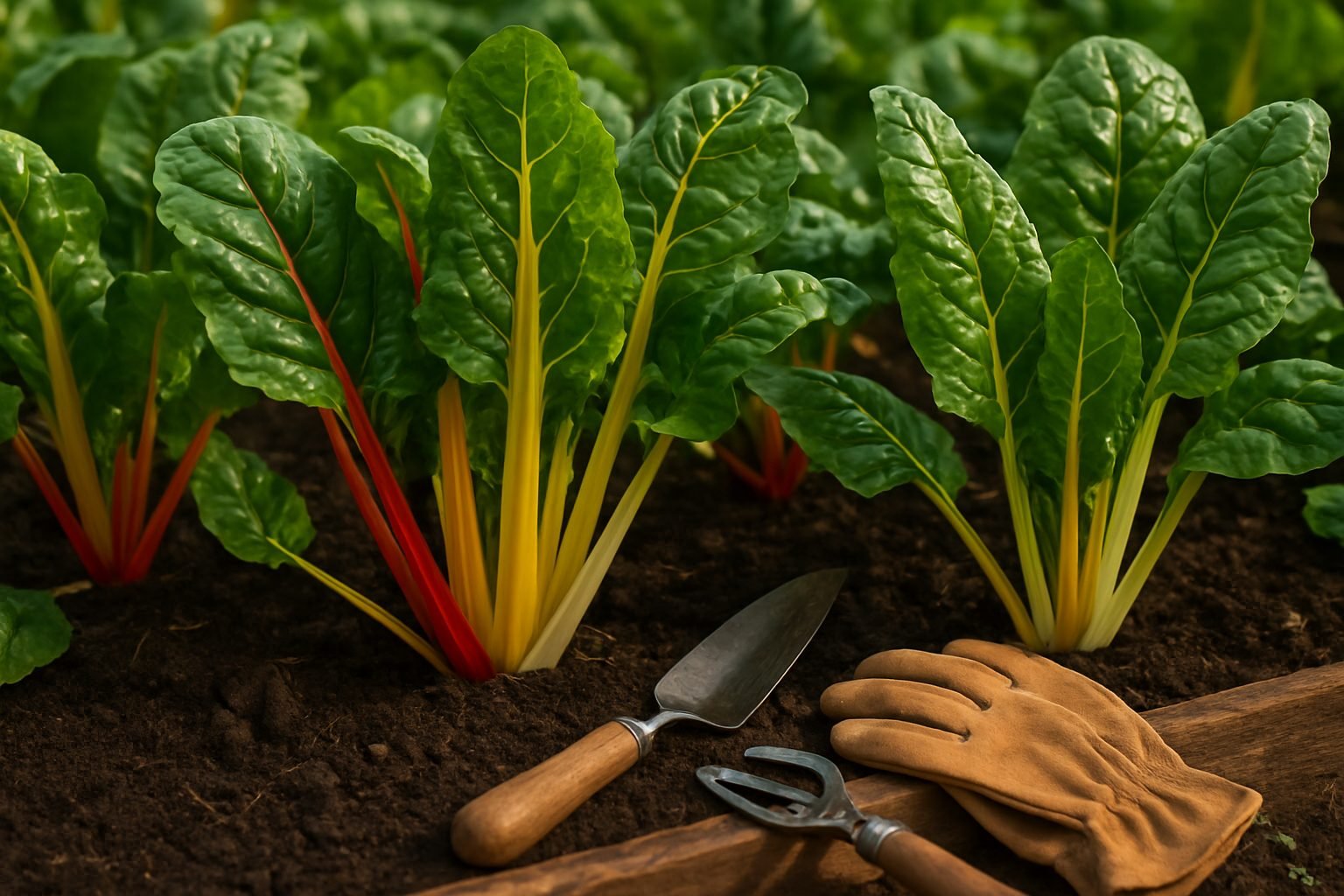
Starting your Swiss chard garden with the right hand tools can make a big difference in both crop success and gardening enjoyment. Preparing the soil is a crucial first step, and hand trowels, cultivators, and digging forks are essential swiss chard gardening tools for this purpose.
A sturdy hand trowel lets you dig precise planting holes, loosen compacted soil, and mix in compost or fertilizer, ensuring young seeds and seedlings can easily access nutrients. Cultivators, usually with three prongs, are great for aerating soil and breaking up small clumps, promoting healthy root growth and improving water drainage—both of which Swiss chard thrives on. Digging forks, with broad flat tines, help turn over soil in larger bed areas, incorporate organic material, and remove stubborn rocks or debris that could hinder root development.
Once your soil is ready, these tools also make it easy to create shallow furrows for straightforward seed sowing. When transplanting Swiss chard seedlings, a hand trowel simplifies digging out and relocating young plants without disturbing their tender roots.
To minimize hand fatigue—especially if you’re planting more than a few rows—look for ergonomic tool designs. Options with contoured handles, soft grips, and wrist-friendly angles reduce strain during digging or weeding, making long planting sessions much more comfortable. Stainless steel or rust-resistant materials also extend tool life, letting you focus on nurturing your crops rather than maintaining your gear.
By investing in a few well-chosen swiss chard gardening tools, you’ll set the foundation for a productive and enjoyable harvest.
Watering Tools for Optimal Swiss Chard Growth
Proper watering is key to growing a healthy Swiss chard patch, and choosing the right watering tools can make a big difference. Traditional watering cans with fine rose attachments are popular among gardeners for their gentle, rain-like spray. This helps minimize soil disturbance and prevents young seedlings from being uprooted. However, watering larger beds with cans can become labor-intensive.
Soaker hoses offer a time-saving alternative by delivering consistent moisture along their entire length. These hoses conserve water by reducing evaporation and runoff, but they need to be positioned carefully to ensure all your chard plants get enough moisture. For larger or long-term Swiss chard gardens, drip irrigation systems are the most efficient option. They provide precise, automated watering directly at the roots, conserving water and reducing the risk of disease by keeping foliage dry. That said, their initial setup cost and maintenance requirements might be a drawback for small-scale growers.
Whichever watering tool you choose, it’s important to water Swiss chard regularly, aiming for about 1 to 1.5 inches per week, depending on the weather and soil conditions. Watering early in the morning is best because it allows leaves to dry out, reducing the risk of fungal diseases like powdery mildew. Try to avoid wetting the foliage by directing water at the soil level. Also, watch out for signs of overwatering—yellowing leaves often indicate soggy soil. Adding mulch around your plants helps retain consistent moisture and reduces watering needs, making all your swiss chard gardening tools even more effective.
Fertilizing and Mulching Tools
Effective fertilizing and mulching are key to promoting healthy Swiss chard growth, and using the right swiss chard gardening tools can make these tasks easy and efficient. Handheld spreaders are perfect for evenly distributing granular fertilizers, ensuring nutrients are applied consistently around your chard plants without overdoing it.
For gardeners who prefer organic options, slow-release granular fertilizers like composted manure, poultry pellets, or bone meal provide steady micronutrient supply, encouraging continuous leaf production. To use these fertilizers, simply fill your handheld spreader, adjust the flow rate, and walk slowly along your garden rows for uniform coverage with minimal effort.
When spreading homemade compost or organic matter, a sturdy compost fork is essential. It helps you lift and move compost from your pile to the base of your Swiss chard with less strain and faster work. Once fertilizer or compost is in place, a mulching rake comes in handy for spreading straw, shredded leaves, or grass clippings evenly around the plants.
Mulching benefits Swiss chard by insulating the soil, retaining moisture during hot weather, and suppressing weeds that compete for nutrients. A well-maintained mulch layer also keeps plant leaves cleaner during watering or rain. For best results, aim for a 2-3 inch layer of mulch, reapplying as it breaks down and monitoring its thickness to maintain optimal conditions.
With these simple yet effective swiss chard gardening tools, fertilizing and mulching become quick, low-effort tasks that help produce strong, healthy greens all season long.
Tools for Pest and Disease Management
Swiss chard, while resilient, is not immune to common garden pests and diseases. Leaf miners, aphids, and slugs are frequent culprits, and foliage diseases like downy mildew can sometimes invade, especially in damp conditions. To keep your chard healthy without relying on chemical sprays, having the right swiss chard gardening tools can make all the difference.
Row covers and insect netting are highly effective at physically blocking pests from reaching your crops—simply drape these lightweight barriers over your rows after planting to create a protective shield that still allows light and water to pass through. For smaller gardens, handpicking pests is an excellent, eco-friendly method. Wearing a pair of garden gloves and checking your plants regularly lets you remove caterpillars, slugs, and beetles before they cause significant damage. Keep a sturdy bucket nearby to collect and dispose of any pests you find.
For fungal or mildew problems, a handheld sprayer provides great control for applying organic solutions, such as a mild baking soda spray. Early detection is also key. Sticky traps hung near or among your plants can catch flying insects like aphids and help you identify trouble spots before infestations take hold. Pair these tools with a simple magnifying glass to inspect the undersides of leaves closely, spotting eggs, larvae, or early signs of disease before they spread.
By combining these hands-on and barrier-based strategies, you can effectively protect your swiss chard crop with minimal fuss and maximum results.
The Best Harvesting Tools for Swiss Chard
Harvesting Swiss chard at the right time is essential for a steady supply of tender, flavorful leaves. Ideally, you want to pick leaves when they’re about six to eight inches long, before they become tough or show signs of insect damage. The best swiss chard gardening tools for this task are those that offer precision and speed—mainly garden scissors, sharp harvest knives, and trimming snips.
Garden scissors are popular among home gardeners because they’re easy to control and less likely to damage the plant’s stems or nearby leaves. Their blunt tips also reduce the risk of accidentally injuring yourself, though dull blades can crush rather than cut, especially if the scissors aren’t regularly sharpened. On the other hand, harvest knives have a sharper edge and can easily slice through thick stems, making them ideal for larger harvests. However, they require more careful handling to avoid cuts—always cut away from your body and keep fingers clear of the blade path.
Trimming snips offer a middle ground, combining precision with a comfortable grip. Their pointed tips can reach tight clusters of leaves, although their fine blades may wear out more quickly if used heavily on thick stems.
No matter which tool you choose, make sure to clean and disinfect it between plants to prevent disease spread—a quick wipe with rubbing alcohol or a soak in a mild bleach solution works well. After each harvest, wash your tools with warm, soapy water, dry them thoroughly to prevent rust, and sharpen the blades as needed. With proper tool care and timing, you’ll enjoy healthy, abundant Swiss chard harvests all season long.
Storage and Care Tools for Swiss Chard Post-Harvest
After harvesting your Swiss chard, using the right storage and care tools can make all the difference in keeping the leaves fresh and undamaged. Choose shallow, wide baskets or ventilated crates for collecting chard in the garden—these allow the leaves to lie flat, minimizing bruising or wilting during transport. For smaller amounts, mesh produce bags or soft, fabric-lined harvest totes work great for delicate greens.
Once indoors, set up a gentle washing station using a deep basin or sink filled with cool water to rinse off soil without rough handling. Gently swirl the stems and leaves to clean them. For stubborn dirt, use a soft produce brush instead of anything abrasive, and always handle the leaves by the ribs to prevent tearing.
For short-term storage, loosely wrap cleaned, dry chard in a damp paper towel and place it in a breathable plastic or resealable bag in your refrigerator’s crisper drawer—this helps retain moisture without causing sogginess. Planning for longer-term storage? Blanching and freezing is the best method: quickly blanch leaves in boiling water, cool them in ice water, pat dry, and pack in airtight freezer bags.
With a few carefully chosen swiss chard gardening tools and proper storage habits, you’ll preserve both the crispness and nutrients of your harvest.
Conclusion
In summary, having the right swiss chard gardening tools can make all the difference from planting to harvest. Quality hand trowels and soil testers help prepare healthy beds, while specialized watering cans and pruners keep your plants thriving. Each tool plays an important role in the growing process. Harvesting knives and baskets designed for comfort and efficiency ensure you gather your Swiss chard leaves at their peak with minimal damage.
Investing in sturdy, ergonomic tools not only streamlines your gardening tasks but also promotes healthier plants and bigger yields. If you’re serious about growing Swiss chard—or any leafy green—a toolkit tailored to your needs is truly worth it. Try out some of the recommended tools and see how they enhance your gardening experience. We’d love to hear about your favorite tools and any tips you have, so feel free to share your stories in the comments!