Introduction
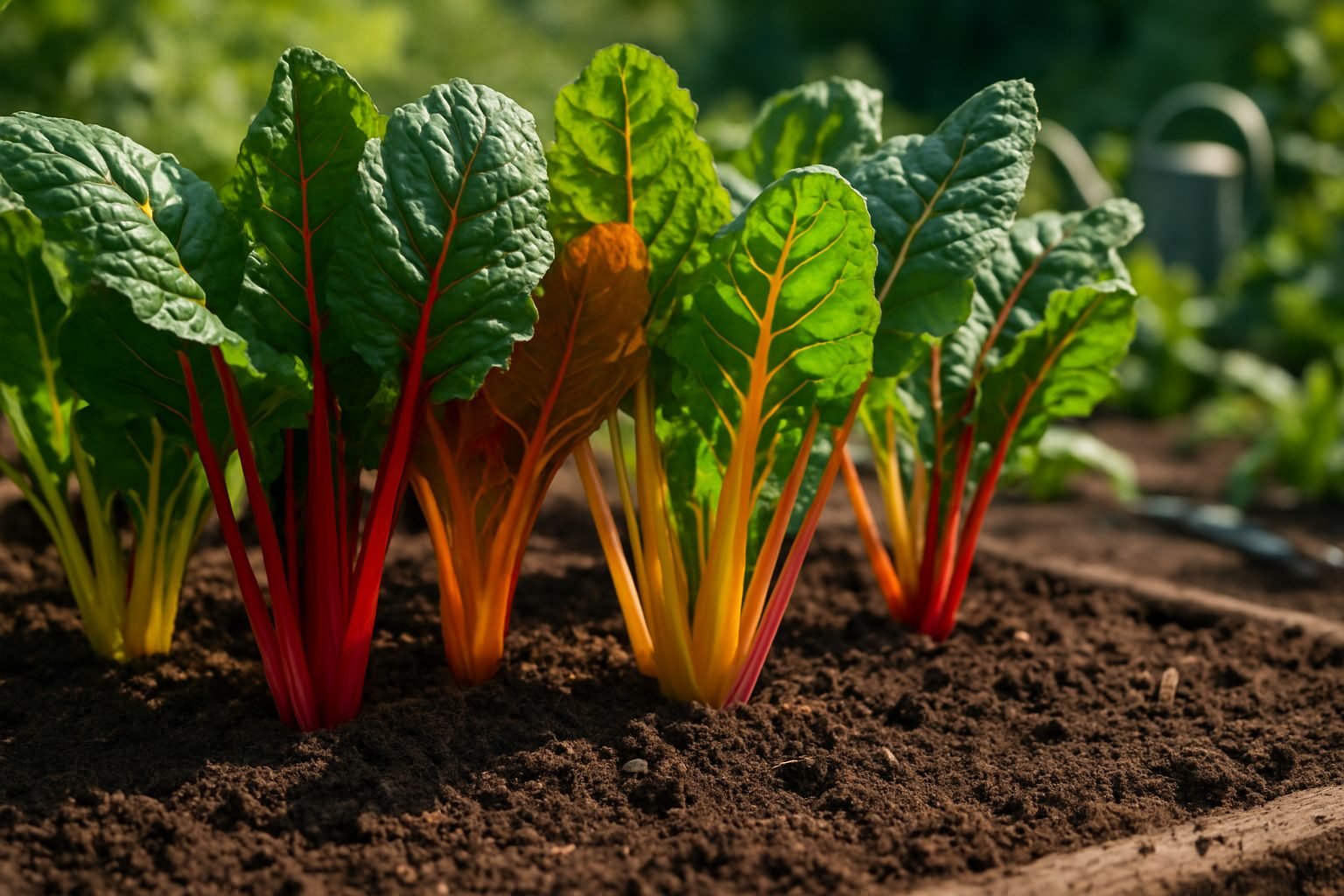
swiss chard has become a favorite in gardens everywhere, thanks to its vibrant colors, impressive nutritional profile, and incredible versatility in the kitchen. Whether you enjoy sautéing the tender leaves, adding them to soups, or using them raw in salads, Swiss chard provides vitamins, minerals, and antioxidants that support a healthy lifestyle. However, even the hardiest gardeners know that finding the best soil for Swiss chard is essential for growing robust, flavorful crops.
Healthy, thriving Swiss chard starts from the ground up. If the soil isn’t right, your plants may look pale, sparse, or produce bitter leaves. In this guide, we’ll dig into everything you need to know about creating the perfect soil conditions—covering ideal soil types, simple preparation steps, and practical maintenance tips to help you harvest abundant, delicious Swiss chard all season long. Even if you’re new to veggie gardening, these real-world strategies and examples will set you up for success and keep your garden productive year after year.
Understanding Swiss Chard’s Soil Needs
The best soil for Swiss chard is well-draining, loose, and rich in organic matter. This type of soil allows the roots to spread easily while holding enough moisture to support steady growth. Swiss chard prefers loamy soil with a texture that’s balanced—not too sandy and not too clay-heavy. This balance provides excellent aeration for the roots and helps prevent soil compaction.
For optimal growth, aim for a soil pH between 6.0 and 7.0, which keeps nutrients available to the plant. Fertility is also essential—mix in compost or well-rotted manure before planting to supply the nutrients Swiss chard needs throughout the season. Proper drainage is crucial, too; soil that’s too wet or soggy can cause seeds to rot before they sprout, leading to poor germination and patchy rows.
When these conditions are met, Swiss chard seeds germinate consistently, roots grow deep and healthy, and the leaves become large, colorful, and tender—clear signs the plant is absorbing nutrients well. On the other hand, poor soil often results in spindly plants with pale or tough leaves.
A common mistake gardeners make is planting chard in heavy clay or poorly drained areas, which can cause root diseases, slow growth, and yellowing leaves. Another frequent error is neglecting to amend depleted or overly acidic soils, preventing Swiss chard from reaching its full potential. To avoid these issues, test your soil regularly and improve it with organic matter—you’ll be rewarded with a robust, flavorful Swiss chard harvest.
Types of Soil and Their Impact on Swiss Chard
Swiss chard is a versatile, nutrient-rich leafy green, and the success of your crop depends largely on choosing the best soil for Swiss chard. Loam soil—a balanced mix of sand, silt, and clay—is ideal. Its crumbly texture ensures excellent drainage and aeration while retaining enough moisture and nutrients to support strong growth. Plants grown in loamy soil develop large, tender leaves and vibrant stems, showing strong, upright growth and a rich green color thanks to a steady nutrient supply.
In contrast, clay soil, although nutrient-rich, tends to be heavy and poorly drained. This can cause waterlogged roots, yellowing leaves, and stunted growth. If your garden soil is mostly clay, amending it with compost or coarse sand can improve drainage and loosen the structure, boosting your Swiss chard’s chances of thriving.
Sandy soil drains too quickly and fails to retain moisture and essential nutrients, which can cause Swiss chard to wilt, become tough, or develop pale foliage due to nutrient deficiencies. Adding plenty of organic matter, like aged manure or peat moss, helps sandy soil retain water and provides a consistent nutrient source.
Silty soil holds moisture well and is quite fertile, making it fairly suitable for Swiss chard. However, it can compact easily if worked when wet. Adding organic mulch can prevent compaction and help maintain soil structure.
To sum up, the best soil for Swiss chard is a well-drained, fertile loam. But with thoughtful amendments—such as adding compost to clay or sandy soils and mulching silty areas—even less ideal soils can support a healthy, abundant crop. Consider testing your soil and making small improvements; sometimes just a few shovels of compost each season can transform your Swiss chard harvest.
How to Prepare Your Soil for Planting Swiss Chard
Preparing the best soil for Swiss chard sets you up for a hearty, productive harvest. Start by testing your garden soil’s pH, aiming for a slightly acidic to neutral range of about 6.0 to 7.0—simple home pH kits are affordable and easy to use. If the pH isn’t ideal, work in lime to raise it or sulfur to lower it, following the package directions.
Next, clear away weeds and debris, then loosen the top 8 to 12 inches of soil using a fork or spade. This encourages strong root growth and helps you spot any compacted spots. To ensure your soil drains well—since soggy soil can rot Swiss chard roots—observe the area after rain. Puddles that linger mean you may need to add sand or raise the bed.
The next key step is enriching your soil with organic matter. Mix in two to three inches of well-rotted compost or manure to boost nutrients and retain moisture. Both ingredients gently feed your plants while improving soil texture. If you don’t have compost handy, commercial organic soil conditioners or leaf mold work, too. Avoid chemical fertilizers at this early stage, focusing instead on slow-release, natural amendments.
As you dig, break up any remaining clumps and remove rocks, ensuring the soil is fluffy and finely textured—a perfect environment for Swiss chard roots to spread. Finally, rake the surface smooth before sowing or transplanting, and consider mulching lightly to lock in moisture and steady soil temperature.
With these steps, you’ll create the best foundation for flourishing Swiss chard.
Soil Amendments and Fertilizers for Swiss Chard
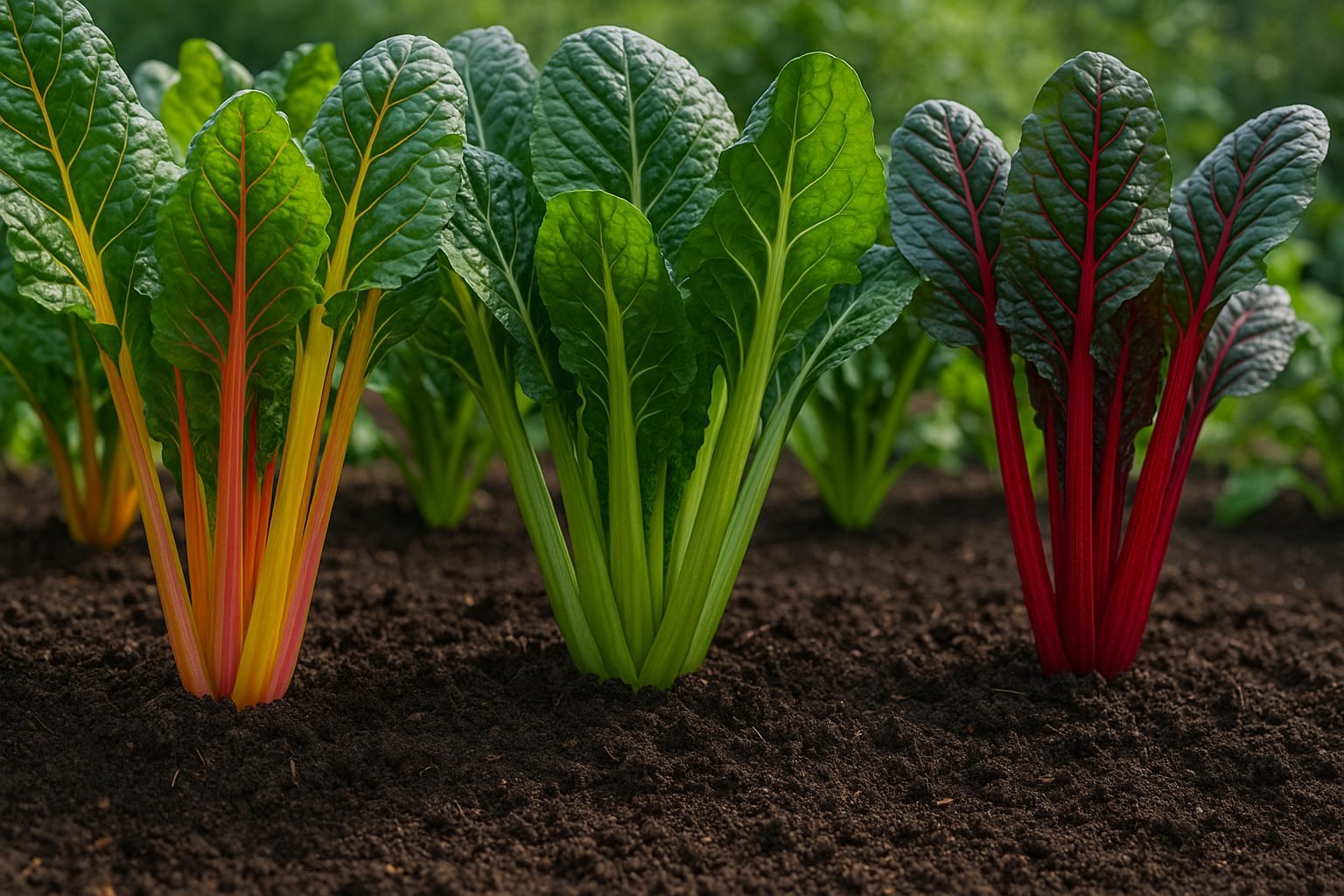
To create the best soil for Swiss chard, start by enriching your garden beds with organic matter like compost or well-rotted manure. These amendments build fertile, moisture-retentive soil that supports vigorous leaf growth. For an extra boost, mix in a couple of handfuls of worm castings per square foot before planting. Worm castings provide a gentle, slow-release nutrient profile that’s especially beneficial to leafy greens like Swiss chard.
In areas where soil is less fertile or depleted from previous crops, a balanced organic granular fertilizer (such as 5-5-5 NPK) offers a great foundation. Work this into the top six inches of soil about a week before sowing seeds.
As your chard grows, side-dress the plants with more compost or a mild fertilizer every 4-6 weeks to replenish nutrients lost to rapid growth. Just sprinkle it around the base, avoid direct contact with stems, and water it in well.
For container gardeners, choose a high-quality organic potting mix and feed with diluted liquid fertilizer every three weeks.
While Swiss chard is a robust crop, avoid the temptation to overfeed—too much fertilizer can cause excessive leaf growth at the expense of flavor and lead to harmful salt buildup in the soil. If you notice leaf edges turning brown or plants wilting after watering, reduce fertilizer and flush the soil with water to remove excess salts.
Always prioritize gradual, organic feeding for the healthiest Swiss chard harvests.
Common Soil Problems and How to Fix Them
Swiss chard is a forgiving leafy green, but poor soil can quickly stunt its growth or dull its vibrant color. One of the most common issues is poor drainage, which causes roots to suffocate and rot. If your soil stays soggy after watering or rain, improve aeration by mixing in coarse sand, fine gravel, or plenty of compost. Raised beds can also help if your garden has persistent drainage problems.
Nutrient deficiencies are another concern—Swiss chard is a heavy feeder, and yellowing or pale leaves may indicate a lack of nitrogen or other essential nutrients. To fix this, top-dress your soil with well-rotted compost or apply a balanced, slow-release organic fertilizer according to the package directions. Regular addition of organic matter will support long-term soil fertility.
Imbalanced pH is a subtler issue but just as important if your chard appears stunted or slow-growing. Swiss chard prefers a pH between 6.0 and 7.0. Test your soil with an affordable kit and adjust the pH by adding dolomitic lime to raise it or elemental sulfur to lower it, following product instructions.
Other signs of soil stress in Swiss chard include wilting despite sufficient water, browning or curling leaf tips, and lackluster growth. By recognizing these warning signs and making targeted soil amendments, you can create the best soil for Swiss chard—one that drains well, stays nutrient-rich, and maintains a balanced pH—providing your plants with the foundation they need to thrive.
Maintaining Healthy Soil for Continuous Harvests
Maintaining the best soil for Swiss chard goes beyond the initial planting—continuous harvests depend on keeping your soil productive and healthy year-round. One effective strategy is practicing crop rotation. Avoid planting Swiss chard or other leafy greens in the same spot season after season; instead, rotate them with unrelated crops like legumes or root vegetables. This helps break pest and disease cycles and prevents depletion of specific soil nutrients.
In the off-season or between plantings, consider sowing cover crops such as clover or vetch. These green manures add organic matter, protect soil structure, and naturally fix nitrogen, fitting seamlessly into your fertility management. Alongside crop rotation, mulching is invaluable. A layer of straw, shredded leaves, or grass clippings locks in soil moisture, suppresses weeds, and reduces soil temperature fluctuations that can stress your chard.
Topping off your garden bed annually with organic compost or worm castings delivers a nutrient boost, promotes beneficial soil microbes, and maintains a resilient growing environment. Importantly, test your soil at least once each year—especially before major planting seasons. Local cooperative extensions or home test kits make this easy. Adjust your pH and nutrients based on test results by amending with lime, sulfur, or balanced fertilizers as needed.
By combining these practices—crop rotation, cover cropping, mulching, organic top-dressing, and regular testing—you’ll enjoy lush Swiss chard harvests season after season, all rooted in truly healthy soil.
Conclusion
In summary, the best soil for Swiss chard is loose, well-draining, and rich in organic matter, with a neutral to slightly alkaline pH between 6.0 and 7.5. Consistent moisture and good aeration promote strong, healthy root growth, while compost or aged manure provides essential nutrients. By spending a little time preparing and maintaining your soil, you’ll be rewarded with vibrant, productive Swiss chard throughout the season. Try these soil tips in your garden, and you’ll enjoy lush leaves and plentiful harvests that’ll stand out on your table.