Introduction
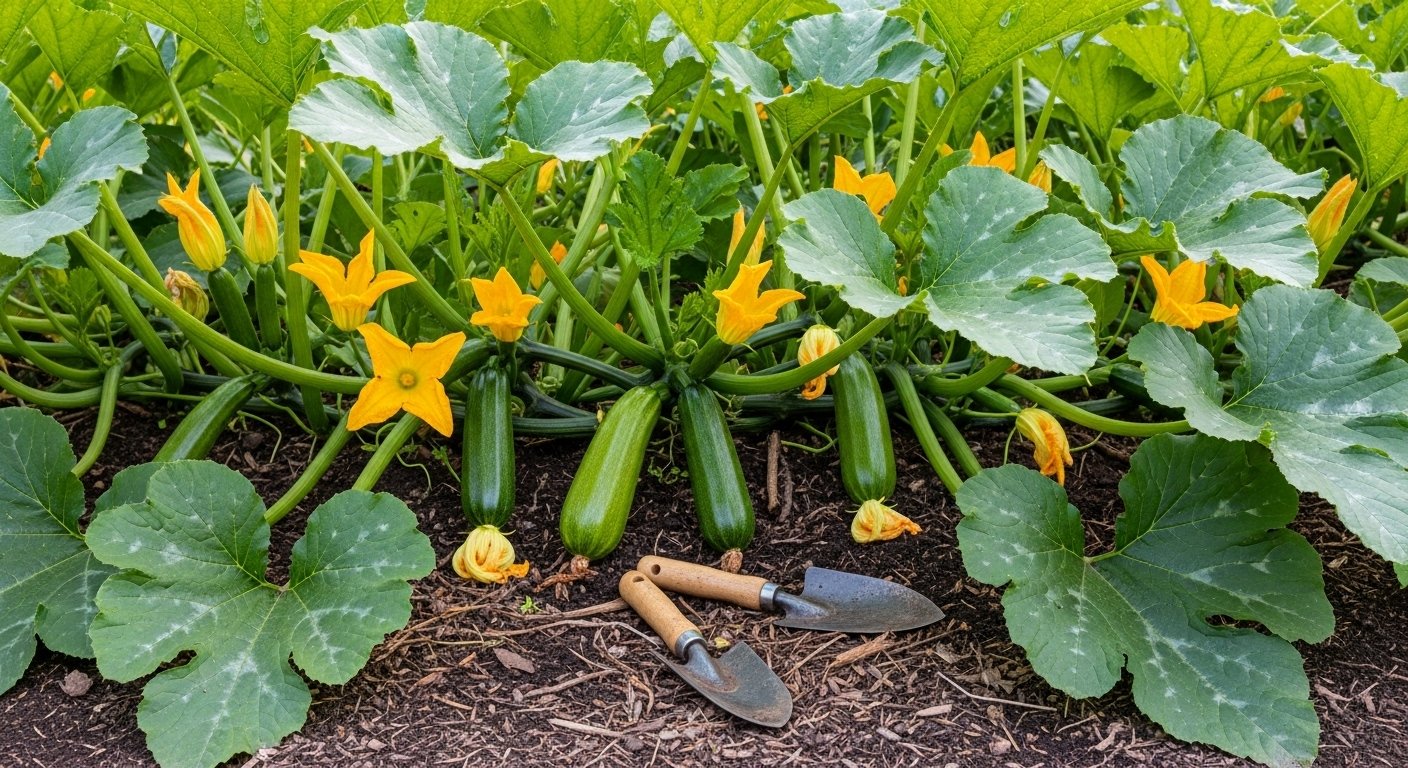
The fastest-growing zucchini varieties are a game-changer for both novice and seasoned gardeners looking to get the most out of their summer vegetable garden. Zucchini ranks high among the most popular and easy-to-grow vegetables, prized for its ability to thrive with minimal fuss. If you’ve ever experienced the excitement—and sometimes the challenge—of harvesting a bumper crop, you know why quick-growing varieties are especially beloved.
In this post, we’ll dive into how to choose the fastest-growing zucchini varieties, when and how to plant them for optimal results, essential care tips to keep your plants healthy, and the cues to watch for a perfect harvest. Gardeners appreciate zucchini not just for how rapidly it fills garden beds with lush foliage and blossoms, but also for its generous yields and versatility in the kitchen.
Whether you’re craving grilled zucchini, spiralized noodles, or a fresh loaf of bread, a steady supply from your own garden makes it possible. Plus, by selecting the right varieties and learning a few practical care tips, you’ll ensure more abundant, earlier harvests all summer long. Let’s explore how to make your zucchini patch the envy of the neighborhood!
Choosing the Best Zucchini Variety
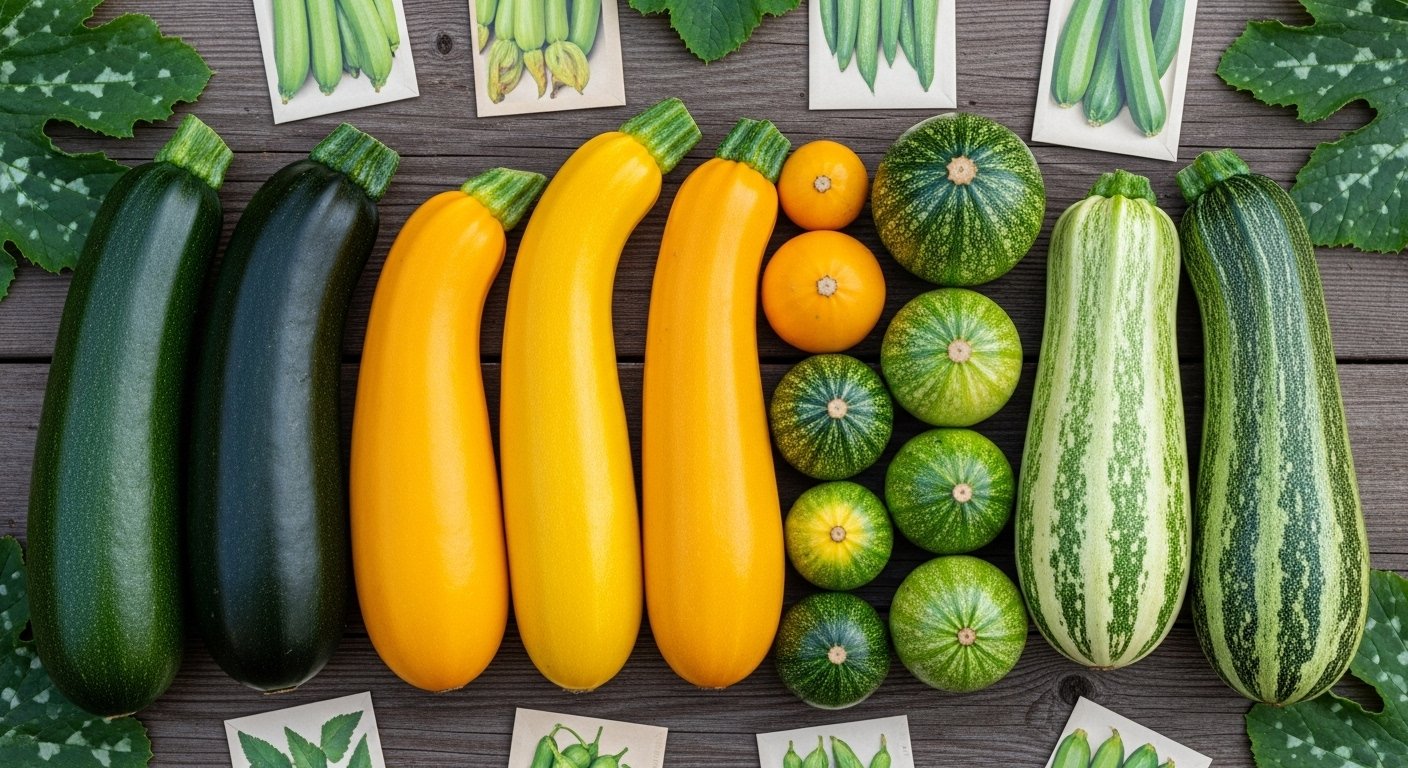
When picking the best zucchini variety for your garden, start by considering color, size, and taste preferences. Classic green zucchinis like Black Beauty are popular for their deep green skin and tender flesh, making them perfect for grilling or baking.
If you want something different, yellow varieties such as Golden Glory add a burst of color and a slightly sweeter flavor to dishes. These are also a hit with kids who might be more excited to eat colorful veggies.
For limited space or container gardening, bush types like Raven or Eight Ball—which produce small, round fruits—are ideal as they take up less room than sprawling vine varieties.
On the other hand, if you have spacious garden beds, you might try Costata Romanesco, an Italian heirloom with ribbed, nutty-tasting fruits often prized by chefs.
Always consider disease resistance as well: varieties labeled as resistant to powdery mildew or mosaic virus, like Slick Pik or Defender, are easier to grow in humid climates or if mildew has been a problem before.
For cool areas with shorter seasons, early-maturing varieties such as Zucchini Elite help ensure a harvest, even if summer is brief.
Lastly, think about your kitchen habits—some zucchinis, like Cocozelle, have firm, striped fruits that are great for spiralizing into noodles, while others are better suited for slicing, stuffing, or baking into bread.
Matching your choice to your space, growing conditions, and favorite recipes will help you make the most of your zucchini harvest.
Sowing and Planting Zucchini
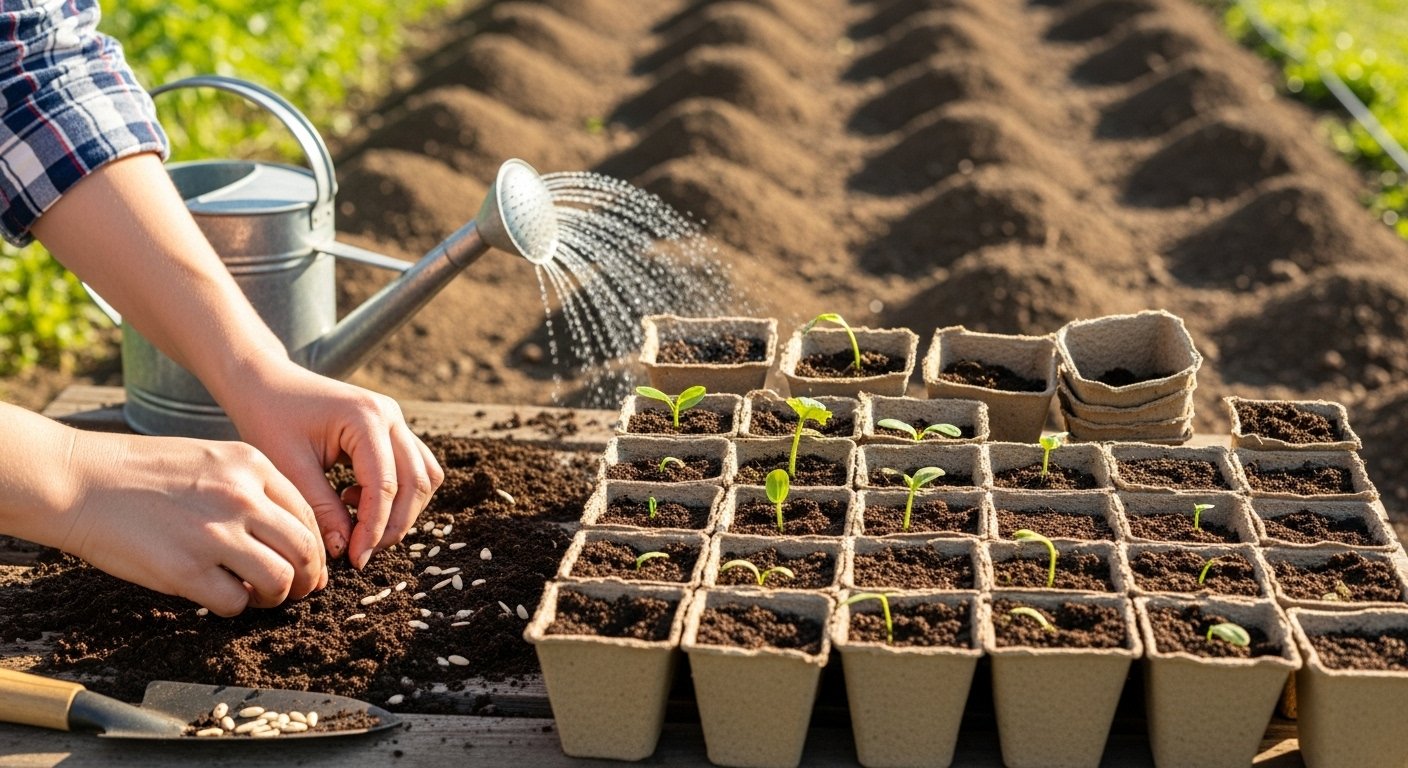
For the best zucchini harvest, timing is everything. In most regions, it’s easiest to direct sow zucchini seeds outdoors once the soil has warmed to at least 60°F (16°C) and all threat of frost has passed—usually in late spring or early summer. If you have a shorter growing season, you can start seeds indoors two to four weeks before your last expected frost date and transplant seedlings outside once the weather stabilizes.
Zucchini thrives in full sun, so choose a spot in your garden that gets at least six to eight hours of sunlight daily. Prepare the soil by working in plenty of compost or well-rotted manure, ensuring the soil is loose, well-draining, and rich in nutrients.
Plant seeds one inch deep, and if sowing directly, place them in small hills or mounds spaced three to four feet apart. This spacing gives sprawling plants plenty of room to grow and improves air circulation, which helps prevent disease.
Water seeds gently after planting to moisten the soil without washing them away, and keep the seedbed consistently damp but not soaked while you wait for sprouts, which typically appear within a week. As the plants establish, water at the base to keep leaves dry and reduce the risk of mildew.
For early indoor starts, use biodegradable pots to make transplanting easier and avoid root disturbance. With just a bit of attention to timing, soil preparation, and watering, you’ll set your zucchini plants up for a healthy, productive season.
Caring for Zucchini Plants
Caring for zucchini plants doesn’t have to be complicated if you stick to a few key practices. Start by watering deeply about once or twice a week, aiming for the soil to stay moist but not soggy—early mornings work best to prevent fungal issues.
Adding a two to three-inch layer of organic mulch like straw or shredded leaves will help retain moisture, prevent weeds, and keep the soil temperature steady, which zucchinis love. Fertilize every few weeks with a balanced organic fertilizer or well-rotted compost to support the plant’s rapid growth and steady production.
Keep an eye out for common pests like squash bugs and cucumber beetles; you can handpick them, use row covers early in the season, or attract beneficial insects like ladybugs for organic control.
Diseases such as powdery mildew pop up when leaves stay damp, so water at the base and give plants plenty of space and airflow. If mildew appears, spray leaves with diluted milk or a baking soda solution.
For blossom end rot, consistently moist soil helps, as does adding a handful of lime or crushed eggshells at planting time to boost calcium.
Supporting sprawling vines with tomato cages, A-frame trellises, or simply guiding them along a fence keeps fruit off the ground, protecting it from rot and pests. Regularly pinch off crowded or damaged leaves to encourage healthy airflow and focus the plant’s energy on fruiting.
With a little observation and these preventative steps, your zucchini plants can reward you with a bumper crop all summer long.
Key Stages of Zucchini Growth
Understanding the key stages of zucchini growth helps you nurture healthy plants and maximize your harvest. Zucchini seeds begin with germination, which typically takes 5-10 days in warm, moist soil. During this stage, keep the soil consistently damp and avoid overwatering to prevent rot.
As soon as the seedlings sprout, you’ll spot tiny, rounded seed leaves. Next, the plant enters the true leaves phase—a sign it’s time to thin your seedlings. Leave only the strongest, healthiest sprout in each space, spacing them about 18-24 inches apart to give your zucchini plenty of room to thrive.
In the vegetative growth stage, your plant ramps up production of large, dark green leaves and sturdy stems. Fertilize lightly with a balanced organic fertilizer, watch for pests (like squash bugs or vine borers), and water regularly at the base to keep foliage dry and prevent disease.
The flowering stage arrives next, marked by the appearance of both male and female yellow blooms. Male flowers often appear first, followed by female flowers which have a tiny swelling at their base. Encourage pollination—vital for fruit set—by attracting bees with companion flowers nearby, or hand-pollinate using a small paintbrush to transfer pollen from male to female blooms if bee activity is low.
Finally comes fruiting, when pollinated female flowers start developing into zucchini. Harvest fruits when they’re 6-8 inches long for the most tender texture; picking regularly encourages the plant to produce more. Watch for signs of overcrowding or disease, and remove any damaged leaves or malformed fruits to keep the plant healthy.
In each stage, observation and timely care make all the difference—consistent attention to soil, watering, pollination, and thinning will lead to a prolific and rewarding zucchini crop.
How and When to Harvest Zucchini
Knowing when to harvest zucchini is key to enjoying the best flavor and texture. Look for zucchinis that are about 6-8 inches long, which is the ideal size for most varieties—they’ll be tender, mild, and not overly seedy. If you wait too long and let them grow bigger, they can become tough and lose their delicate taste.
Signs that your zucchini is ready include glossy, deep green skin and a firm feel. To pick them, use a sharp knife or garden shears to cut the stem about an inch above the fruit—twisting or pulling can damage both the fruit and the plant, potentially reducing future yields. Be gentle to avoid bruising the skin or accidentally nicking the main stem, which might invite disease.
Once harvested, store your zucchini unwashed in the refrigerator crisper drawer, inside a plastic or paper bag with some air holes—this helps prevent wilting and extends freshness for up to a week.
If you find yourself with a bumper crop, zucchini is incredibly versatile:
- Spiralize it into “zoodles”
- Toss slices on the grill
- Bake it into breads and muffins
- Shred it into salads for a fresh crunch
Remember, frequent picking encourages the plant to produce more, so check your garden every couple of days for new zucchinis ready to harvest.
Frequently Asked Questions About Growing Zucchini
Growing zucchini can be rewarding, but gardeners often have questions, especially when things don’t go as planned. A common concern is flower drop—often, the first zucchini flowers are male and naturally fall off, so don’t worry unless all flowers keep dropping.
If you’re noticing small or shriveled fruit, it’s usually due to poor pollination. You can hand-pollinate by gently dabbing a paintbrush into a male flower and then brushing the female blooms to help things along, particularly if bee activity seems low.
Yellowing leaves may signal issues like overwatering, nutrient deficiencies, or pest infestations such as squash bugs—check under leaves for pests and water only when the soil’s top inch is dry.
To prevent powdery mildew, water at the base of the plant and ensure plenty of airflow by not overcrowding. Mulching helps regulate soil temperature and retain moisture, which is especially important in hot summers.
To extend your zucchini growing season, consider using row covers when nights turn cool, and plant a second batch of seeds in midsummer for a fall harvest. Rotating where you plant zucchini each year also minimizes disease buildup.
Regularly harvesting zucchini while they’re still small (about 6–8 inches long) encourages more fruit production and better flavor. By staying attentive to your zucchini’s needs and addressing problems early, you’ll enjoy a longer, more productive harvest.
Conclusion
Growing zucchini at home offers a surprisingly easy and rewarding experience for gardeners of all skill levels. This hardy vegetable not only produces abundantly but is also incredibly versatile, making it a favorite in everything from sautéed side dishes to savory breads and even muffins.
With a little space, sunshine, and water, you’ll be harvesting armloads of fresh zucchini in no time, saving money and enjoying peak flavor right from your own backyard. Don’t hesitate to explore different varieties, like the round Eight Ball or the striped Cocozelle, to discover new flavors and textures.
Try planting a few seeds in raised beds, containers, or even large pots if space is limited—you’d be amazed at how adaptable zucchini plants can be. For those eager to deepen their gardening know-how, consider researching advanced methods such as vertical growing, companion planting, or seed saving for next season.
Online gardening forums, local extension offices, and dedicated blogs are excellent sources for expert tips and inspiration. So why not start a patch of your own? Growing zucchini is a simple way to boost your confidence, experiment with new recipes, and add fresh, homegrown produce to your table.