Introduction
When it comes to nutritious greens, the “Swiss chard vs spinach” debate often comes up in kitchens and grocery aisles alike. Rainbow chard—with its vibrant stems of red, yellow, and orange—and classic spinach have both earned their place as favorites among health-conscious eaters. Whether you’re tossing together a salad, sautéing a side dish, or blending up a green smoothie, you’ve probably wondered which of these leafy greens is actually better for your diet.
This article breaks down the differences between swiss chard and spinach, comparing their nutrition profiles, health benefits, flavor, and best ways to use them in the kitchen. Making the right choice can help you achieve specific personal health goals, like getting more iron, fiber, or antioxidants in your meals. Plus, understanding their culinary strengths means fewer wasted groceries and tastier results at the table.
If you’ve ever wavered between grabbing a bunch of rainbow chard or a bag of spinach at the store, read on—this side-by-side comparison will help you pick the perfect leafy green for your next recipe and your wellness journey.
Key Differences in Varieties and Uses
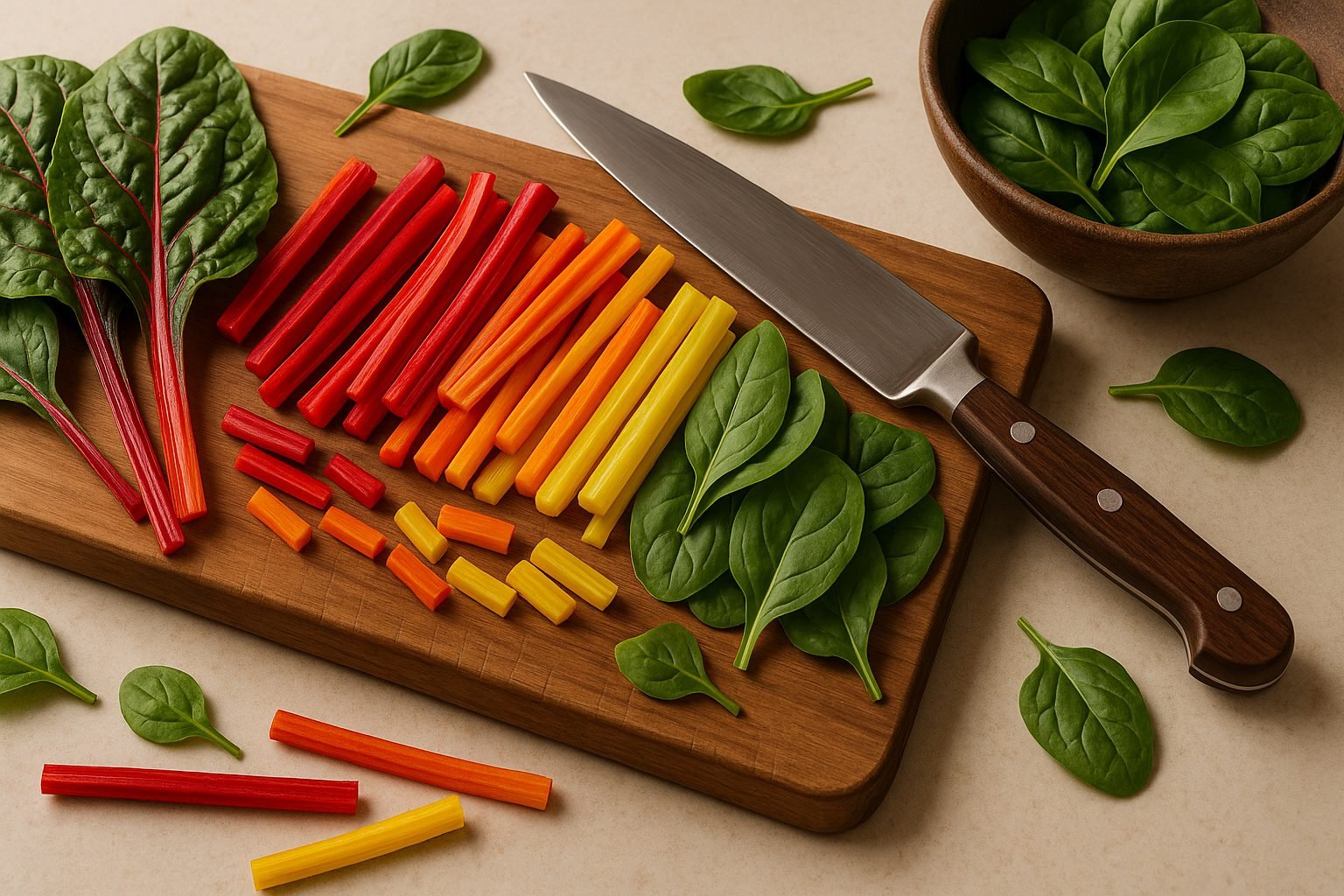
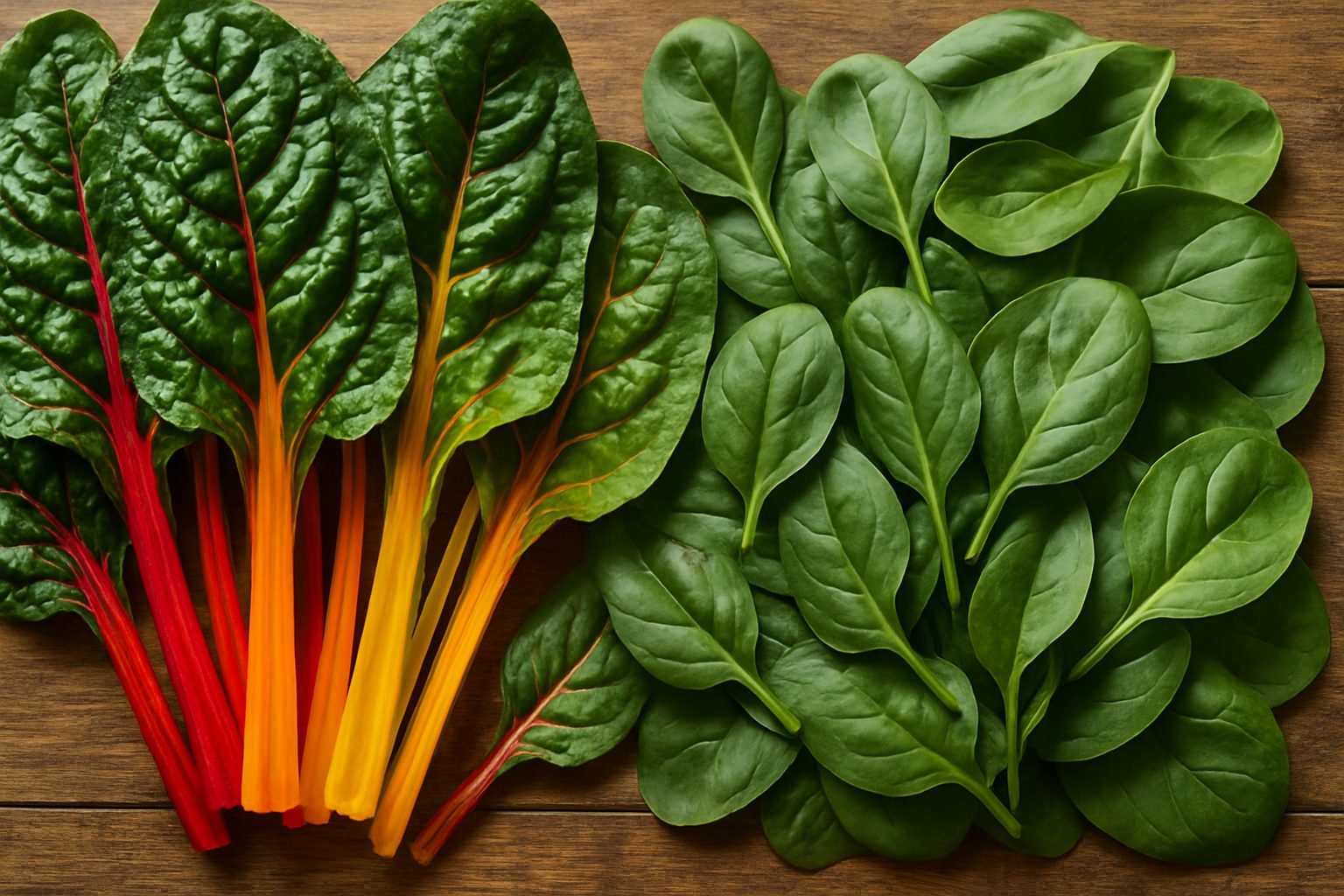
Rainbow chard and spinach are both versatile leafy greens, but they stand out for different reasons in the kitchen. Rainbow chard, named for its vibrant stems that range from gold to deep red and neon pink, features large, crinkly, glossy dark green leaves. Its flavor is earthy with a mild bitterness, while the stems add a subtle sweetness—a combination that makes it perfect for visually striking dishes.
Spinach, on the other hand, has smooth, tender, oval leaves and a deep, classic green hue. Its flavor is milder, slightly sweet, and less bitter than chard, making it a staple in salads, sautés, and smoothies.
When it comes to texture, rainbow chard is sturdier and holds up well to high-heat cooking, making it excellent for stir-fries, gratins, and stews where you want greens that won’t wilt away. Spinach is more delicate, wilting quickly with heat and blending seamlessly into quiches, soups, or as a fresh salad base.
For comparison, other common greens like kale are even tougher and more fibrous, while arugula offers a peppery kick and romaine provides a crisp crunch.
A useful tip: if a recipe calls for spinach but you want more structure or visual flair, swap in rainbow chard. Just give the stems a bit more cooking time than the leaves for the perfect bite.
Each green brings its own color, taste, and texture to the table, so consider the dish and your preferred flavors when choosing which to use.
Nutritional Profile Comparison
When comparing the nutritional profiles of spinach and kale, both pack a punch, but they differ in key ways that can support your goals. A single cup of raw spinach (about 30g) contains only 7 calories, 0.9g protein, 1.1g carbs, 0.7g fiber, and virtually no fat, while one cup of raw kale (about 21g) offers 7 calories, 0.6g protein, 1.4g carbs, and 0.8g fiber.
When it comes to iron, spinach comes out ahead, providing 0.8mg per serving compared to kale’s 0.3mg, making it a better pick for vegetarians or those with increased iron needs. For calcium, however, kale is superior: one cup has 53mg, whereas spinach provides 30mg. Magnesium follows a similar trend, with spinach offering 24mg and kale 11mg per serving.
If you’re looking for vitamin A, kale is your ally, boasting around 49mcg (mainly as beta-carotene) versus spinach’s 28mcg. Kale absolutely shines in vitamin C content—holding about 19mg per serving, nearly three times spinach’s 8.4mg—so those hoping to bolster immune health might opt for kale.
Vitamin K is sky-high in both, but spinach leads with 145mcg versus kale’s 68mcg, supporting strong bones and healthy blood clotting. Both greens are excellent sources of dietary fiber, but kale edges out with a bit more per serving, aiding digestion and satiety.
In real-world terms:
- If your diet is low in iron—especially for vegetarians or women of childbearing age—spinach would be a smart staple.
- For those focused on calcium absorption or upping vitamin C without fruit, kale is the better option.
The best approach? Mix both greens into your meals to take advantage of their unique strengths, whether you’re making smoothies, salads, or stir-fries.
Potential Health Benefits
Both Swiss chard and spinach are nutritional powerhouses that offer a wide array of health benefits, thanks to their impressive profiles of vitamins, minerals, and unique bioactive compounds. One standout benefit of both greens is their high antioxidant content, which helps your body fight off cell-damaging free radicals.
Spinach is rich in lutein and zeaxanthin, carotenoids known to protect your eyes from age-related degeneration and filter harmful blue light—a real advantage for anyone staring at screens all day. Swiss chard, on the other hand, boasts betalains, pigments with potent anti-inflammatory and detoxifying effects.
Studies have shown that consuming leafy greens regularly may support heart health by reducing blood pressure and improving arterial flexibility, largely due to their rich potassium, magnesium, and nitrate content. These minerals are crucial for controlling hypertension, a major risk factor for heart disease.
Research also points to the value of both chard and spinach in weight management and chronic disease prevention. Their high fiber content helps you feel full, supports gut health, and reduces unhealthy cravings, making these greens ideal for anyone looking to manage weight. Plus, thanks to their anti-inflammatory properties, they may help lower your risk of developing Type 2 diabetes, certain cancers, and other chronic conditions.
For example, some studies have found that routinely eating foods high in lutein, like spinach, can improve blood sugar control and reduce risks associated with metabolic syndrome. Meanwhile, the combination of vitamin K, calcium, and magnesium in both greens supports strong bones and overall wellbeing.
For a simple way to get these benefits, try tossing fresh spinach in smoothies or sautéing Swiss chard as a quick side dish—easy ways to boost your nutrient intake daily.
Concerns and Considerations (Oxalates and Diet Suitability)
Oxalates are naturally occurring compounds found in many plant foods, such as spinach, beets, nuts, and chocolate. While they are generally harmless when eaten in moderation, high oxalate intake can be a concern for those prone to kidney stones. Oxalates can bind with calcium in the digestive tract, forming crystals that may contribute to kidney stone formation, especially in individuals with a history of calcium oxalate stones. Additionally, this binding can slightly reduce calcium absorption from food, which could affect people at risk of deficiencies.
From a dietary perspective, oxalate-rich foods often fit well into vegan, keto, and paleo diets, since these eating patterns emphasize whole, plant-based foods, nuts, and vegetables. However, those following these diets should be mindful of their oxalate consumption if they have kidney concerns or a history of stones.
People with certain medical conditions, like hyperoxaluria or specific digestive disorders, may be advised to limit oxalate intake. For those looking to manage oxalate levels, practical tips include:
- Boiling high-oxalate vegetables, which can reduce oxalate content
- Drinking plenty of water to help flush the kidneys
- Balancing high-oxalate foods with calcium-rich foods, which bind oxalate in the gut and help eliminate it safely
Individuals with known oxalate sensitivity, a history of kidney issues, or certain rare metabolic disorders should consult their healthcare provider before increasing oxalate-rich foods. Although allergy risk is generally low for most oxalate-containing foods, nut allergies are a separate concern and should be strictly avoided if present.
Ultimately, oxalates are just one factor in a balanced diet. For most people, maintaining variety and moderation is the safest and most effective approach.
Taste, Cooking Tips, and Recipe Ideas
When comparing rainbow chard and spinach, both greens bring unique flavors and textures to the table, whether eaten raw or cooked. Raw rainbow chard has a slightly earthy, mildly bitter taste with crunchy stems and tender leaves—perfect for adding color and crunch to salads or grain bowls. Spinach, on the other hand, tastes milder and more grassy when raw, with delicate, soft leaves that blend seamlessly into green smoothies or fresh salads.
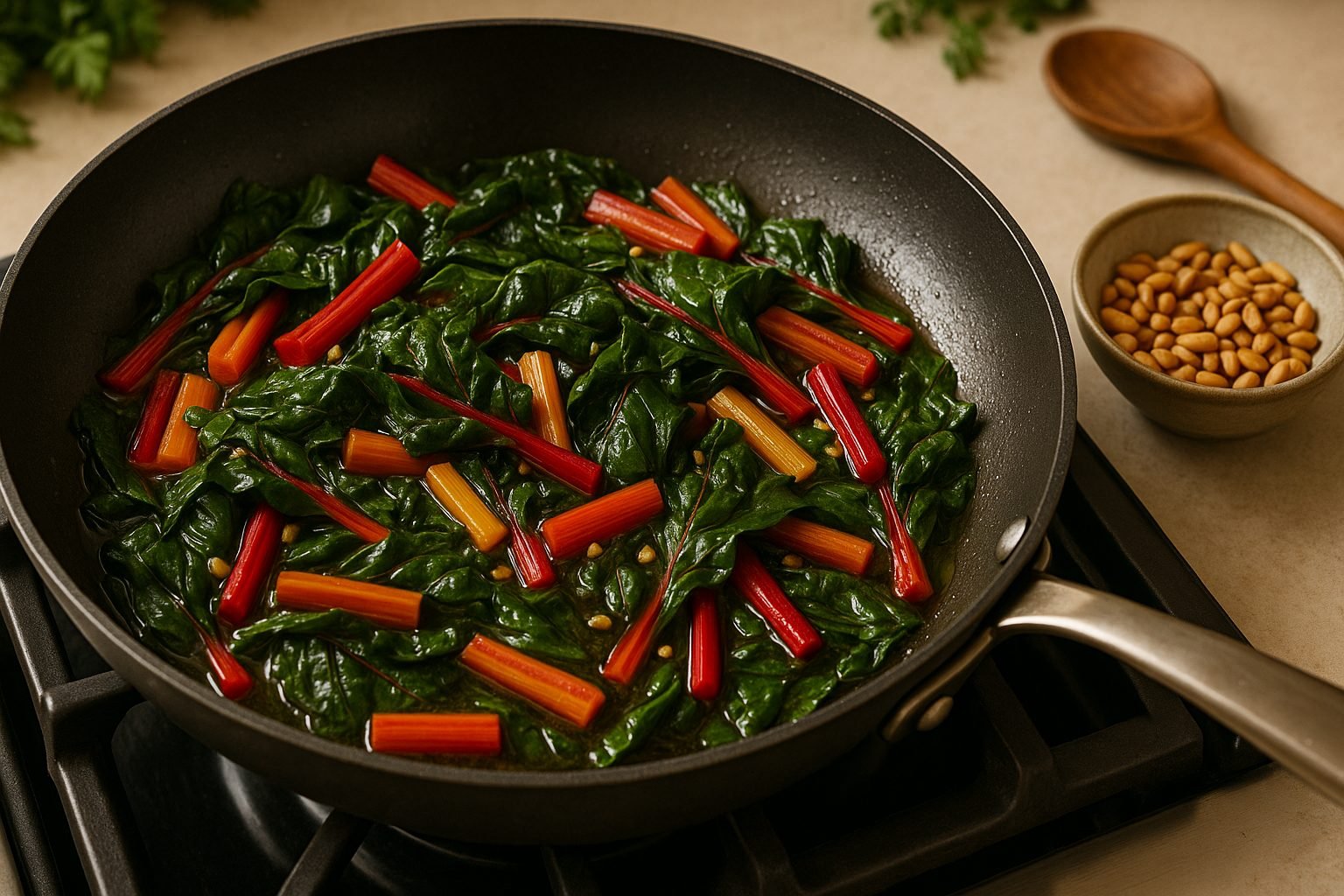
Once cooked, rainbow chard’s bitterness mellows, and its leaves become silky while the stems soften but still provide a gentle bite; try sautéing chard with garlic, olive oil, and a squeeze of lemon to brighten the flavor. Spinach wilts quickly when cooked and becomes velvety and sweet—ideal for tossing into soups, folding into omelets, or layering in lasagna.
For steaming, chard handles the heat well and pairs nicely with a drizzle of sesame oil and a sprinkle of toasted seeds, while steamed spinach benefits from a dash of soy sauce or a splash of vinegar for extra zing.
To showcase each green, try this easy chard recipe: sauté chopped chard with onions, then finish with feta and toasted pine nuts as a hearty side. For spinach, a quick spinach and lentil soup comes together in minutes—just simmer spinach with cooked lentils, garlic, and vegetable broth, then blend for a comforting bowl that highlights spinach’s gentle taste.
Whichever you choose, both greens are versatile, nutritious, and easy to adapt for nearly any dish or diet.
Which Should You Choose? Practical Recommendations
When deciding between kale and spinach, consider your personal preferences and dietary needs. If you’re aiming for a calcium and vitamin K boost, kale is a great choice; for extra iron and a delicate, mild flavor, spinach often wins out.
Kale’s thicker leaves hold up better in hearty soups, stir-fries, or as crunchy kale chips, while spinach melts beautifully into omelets, smoothies, and salads. Availability can play a role too—spinach is usually easy to find year-round, fresh or frozen, while some kale varieties may be seasonal in certain regions.
When shopping, look for vibrant, crisp leaves free from yellowing or wilting. At home, stash your greens unwashed in the fridge, wrapped loosely in a paper towel inside a perforated bag or container to help them breathe and keep fresh for up to a week. Don’t wash them until you’re ready to use them, as moisture can speed up spoilage.
With both greens offering unique flavors and nutrients, it’s smart to add variety to your meals by rotating between kale, spinach, and even other leafy greens like Swiss chard or arugula. Trying different preparations—raw, sautéed, or blended—can make eating your greens not only more nutritious but also more enjoyable.