
Introduction to Crop Rotation with Swiss Chard
Swiss chard crop rotation is a smart strategy for anyone looking to build healthier, more productive gardens and small-scale farms. Crop rotation—the practice of changing the types of plants grown in a particular bed each season—has long been a cornerstone of sustainable gardening. This method helps minimize soil-borne diseases, disrupt pest life cycles, and improve soil fertility over time, making your gardening efforts more rewarding year after year.
Swiss chard, with its colorful stems and nutrient-rich leaves, is a versatile leafy green that adds both flavor and vibrancy to meals. Beyond the kitchen, it plays a unique role in garden planning. Swiss chard is fairly resilient and less demanding than many other crops, making it an excellent choice for a rotational planting scheme.
In this post, you’ll discover the benefits of crop rotation specifically with swiss chard, practical tips on where it fits in your crop sequence, and real examples to help maximize harvests while protecting soil health. Whether you have a few raised beds or a larger plot, learning how to incorporate swiss chard into your rotation can boost yields, diversify your greens, and keep your soil thriving naturally.
The Benefits of Crop Rotation for Swiss Chard
Implementing swiss chard crop rotation is key to maintaining vibrant, productive plants year after year. When Swiss chard is grown repeatedly in the same spot, the soil quickly becomes depleted of essential nutrients like nitrogen, potassium, and magnesium—nutrients that leafy greens need to thrive. By rotating crops and planting Swiss chard after legumes or other unrelated vegetables, you allow the soil to replenish naturally, often reducing the need for synthetic fertilizers.
This practice also helps break the cycle of pests and diseases. Soilborne pathogens and insect pests specific to Swiss chard and related crops such as spinach and beets can build up if the rotation is poor, causing lower yields and stressed plants. By introducing unrelated crops between Swiss chard plantings, you disrupt these pests’ life cycles, reducing the risk of infestations and disease outbreaks.
Proper rotation results in healthier, more resilient plants, shown by fuller leaves, stronger roots, and higher yields season after season. Beyond immediate crop benefits, swiss chard crop rotation offers long-term ecological advantages. Rotating deep-rooted and shallow-rooted crops improves soil structure by reducing compaction and enhancing aeration, making it easier for water and nutrients to reach roots.
Introducing diverse crops also boosts beneficial soil organisms and supports pollinators, fostering a balanced ecosystem in your garden. Even a simple three-year rotation—alternating Swiss chard with legumes and brassicas—can transform your garden into a robust, sustainable growing space.
Understanding Swiss Chard’s Growing Needs
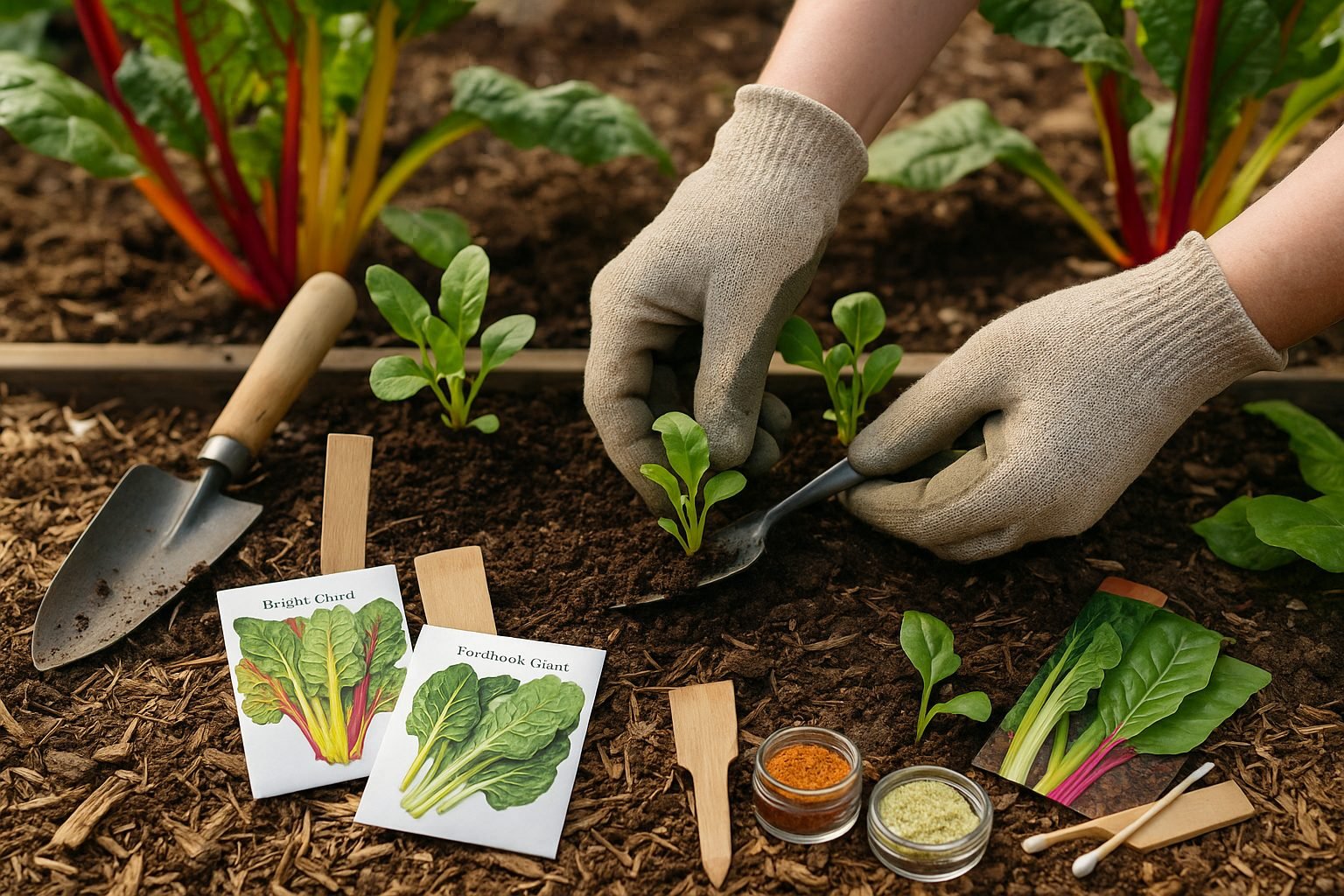
Swiss chard is a versatile leafy green that thrives when its key growing requirements are met. It prefers well-draining, fertile soils rich in organic matter, with a slightly acidic to neutral pH of about 6.0–7.0. Good soil structure supports healthy root development, and consistent moisture is crucial—aim for soil that’s evenly damp but not waterlogged, as both drought and soggy conditions can stress the plant. Swiss chard thrives in full sun but will tolerate partial shade, which is especially helpful in hotter climates to protect leaves from scorching. Nutritionally, it draws heavily on nitrogen to produce lush foliage, so amending beds with compost or a balanced fertilizer before planting leads to the best harvests.
Despite its relative hardiness, Swiss chard is prone to a few persistent pests and diseases. Leaf miners are a common nuisance; their larvae tunnel inside the leaves, leaving winding scars and weakening the plant. Downy mildew, a fungal disease, can also develop—especially in humid or poorly ventilated areas—causing yellowing and fuzzy patches on the foliage. Other common issues include aphids and flea beetles, which feed on the leaves, as well as root rot in overly wet soils.
The Importance of Swiss Chard Crop Rotation
This is where swiss chard crop rotation becomes essential: planting chard in different spots each season helps break the life cycles of pests and pathogens specific to leafy greens. By following Swiss chard with unrelated crop families—such as legumes, solanaceous plants, or root vegetables—you reduce disease pressure and prevent nutrient depletion. This practice not only discourages pests from building up in the soil but also allows the earth to recover, promoting healthier and more productive chard crops over time.
Best Crop Rotation Partners Before and After Swiss Chard
When planning an effective swiss chard crop rotation schedule, choosing the right planting partners can make all the difference for soil health and crop productivity. Ideal crops to plant before Swiss chard are legumes—such as peas, beans, or clover—because these plants belong to the Fabaceae family and have the unique ability to fix atmospheric nitrogen, enriching the soil for the leafy greens that follow. This natural fertilization process gives Swiss chard a healthy boost, supporting lush leaf growth without relying heavily on synthetic fertilizers. Cover crops like hairy vetch or crimson clover are also excellent pre-chard options; these can be tilled into the soil as green manure, further improving organic matter and soil structure.
After your Swiss chard harvest, it’s smart to rotate with fruiting crops from completely different families, such as tomatoes (Solanaceae), squash or cucumbers (Cucurbitaceae), or even corn (Poaceae). These crops have different nutrient needs compared to leafy greens, so they’re less likely to deplete the same resources or attract similar pests and diseases. For instance, after Swiss chard uses up plenty of leafy nutrients, planting tomatoes or peppers—which thrive with increased potassium and phosphorus—gives your soil a chance to rebalance.
It’s equally important to know which crop families to avoid before and after Swiss chard. Since Swiss chard belongs to the Amaranthaceae family (alongside spinach, beets, and amaranth), avoid rotating chard with these relatives, as this repetition raises the risk of soil-borne diseases and pest buildup specific to the family. For example, leaf miners and fungal pathogens often persist in the soil if you grow beets or spinach in the same plot soon after Swiss chard. Aim for at least three years before planting any Amaranthaceae crops in the same bed.
By strategically sequencing your crops—starting with nitrogen-fixers, followed by Swiss chard, and finishing with fruiting crops—you’ll build healthier soil, break pest and disease cycles, and get the most out of every growing season.
Sample Crop Rotation Plans Featuring Swiss Chard
For backyard gardeners with limited space, a simple three-bed swiss chard crop rotation plan works beautifully. Divide your growing area into three sections: In Year 1, plant swiss chard in bed one, legumes like bush beans in bed two, and root crops such as carrots or beets in bed three. In Year 2, rotate so swiss chard moves to bed two, legumes to bed three, and root crops to bed one. This rotation helps reduce pest and disease buildup, while the legumes replenish nitrogen for the leafy greens.
For small raised beds, a seasonal interplanting approach keeps your harvest steady. In spring, sow fast-growing radishes or lettuce alongside swiss chard—they mature quickly and can be harvested before the chard fully develops. In summer, add a few bush beans at the bed’s edge for nitrogen-fixing benefits. After harvesting swiss chard by late summer or early fall, replant with overwintering garlic or winter spinach to maintain both productivity and soil health.
If you’re working with a larger garden plot, try a four-year rotation plan:
- Year 1: Swiss chard and other leafy greens
- Year 2: Fruiting crops like tomatoes or peppers
- Year 3: Root vegetables such as carrots and turnips
- Year 4: Legumes
Each year, shift crops forward one bed to break pest cycles and manage soil nutrients effectively. For example, plant swiss chard in early spring, tomatoes after the last frost, root vegetables like carrots in mid-summer, and finish the season with fall-planted peas or fava beans. Adapt these plans to your climate by extending growing seasons with row covers in cooler areas or using shade cloth during hot summers.
For mixed planting, consider using swiss chard as a border crop; its deep roots don’t compete much with shallow-rooted neighbors, and regular harvesting encourages fuller, healthier growth throughout the season. Don’t forget to replenish your beds with compost between rotations to keep the soil fertile and productive year after year.
Managing Pests and Soil Health in Swiss Chard Rotations
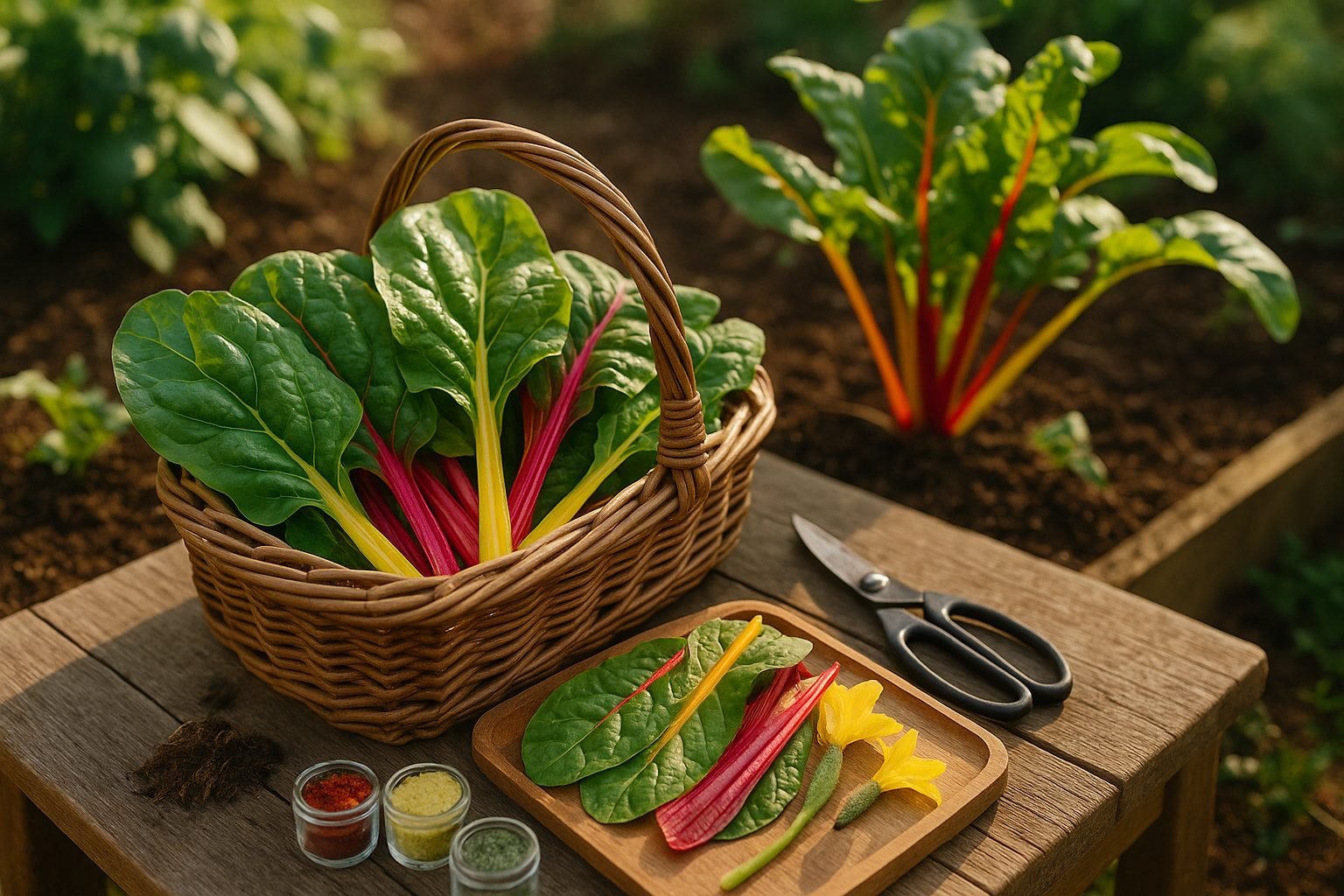
Swiss chard crop rotation is key to reducing pest and disease problems while maintaining healthy, productive soil. Start by keeping track of where you plant Swiss chard each year, and avoid growing it in the same spot—or near other beet family crops—for at least two to three years. This practice disrupts the life cycle of common pests like leaf miners and soil-borne diseases such as Cercospora leaf spot.
Regularly check chard leaves for signs of damage like holes, spots, or wilting, so you can address pest issues early. If problems persist, introduce natural predators like ladybugs or use gentle organic sprays such as neem oil.
To support soil health, add well-rotted compost, worm castings, or aged manure before planting. These amendments boost fertility and reduce nutrient deficiencies. After harvesting Swiss chard, plant cover crops like clover, vetch, or oats. These “green manures” help fix nitrogen, suppress weeds, and improve soil texture for the next growing season.
One common mistake is planting Swiss chard too soon after heavy feeders or related crops, which can drain soil nutrients and increase disease risk. If you notice poor growth or yellowing leaves, test your soil for imbalances and add amendments like rock phosphate or bone meal as needed. Always rotate away from brassicas and beets to keep pest populations low and prevent soil compaction.
By keeping your swiss chard crop rotation simple—avoiding planting chard or its close relatives in the same spot for several seasons—you’ll enjoy healthier plants and fewer gardening headaches.
Conclusion & Next Steps for Successful Crop Rotation
Embracing swiss chard crop rotation in your garden offers benefits that go beyond just healthier, more vibrant chard. Rotating this leafy green with different plant families helps break pest cycles, reduces soil-borne diseases, and prevents nutrient depletion—keeping your soil fertile and productive for years to come. Swiss chard is also relatively hardy and adaptable, making it a great choice for rotation with legumes, root crops, or brassicas.
By planning your next rotation cycle to include swiss chard, you’ll enjoy a steady harvest of colorful leaves while supporting the long-term health of your entire vegetable patch. Now is the perfect time to map out which crops will follow your chard, considering their nutrient needs and complementary growth patterns. Use interactive crop rotation planners or printable garden charts to organize your schedule efficiently.
If you want to optimize plant partnerships or dive deeper into garden planning, check out our posts on “Companion Planting with Swiss Chard” and “Beginner’s Guide to Crop Rotation.” These resources provide practical tips and easy-to-follow steps to enhance your gardening strategy and boost yields season after season.