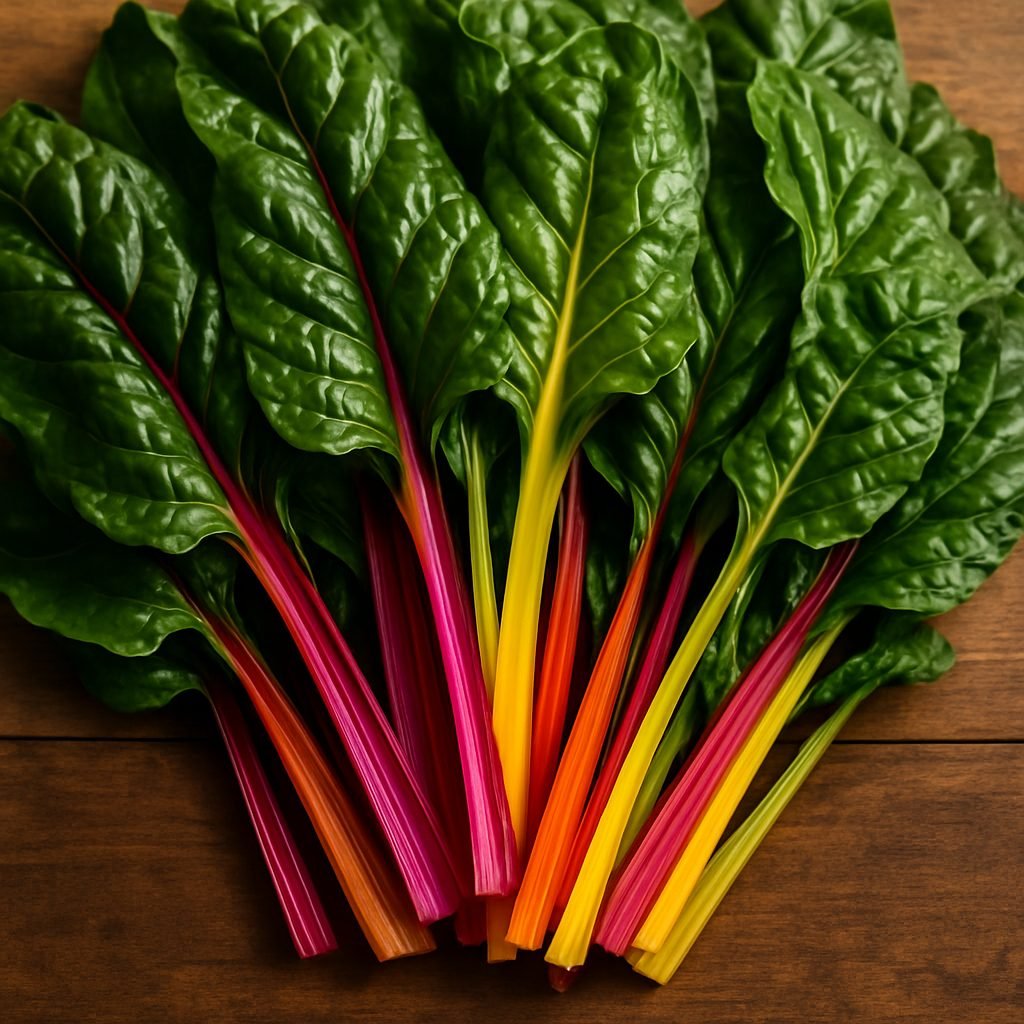
What is Swiss Chard?
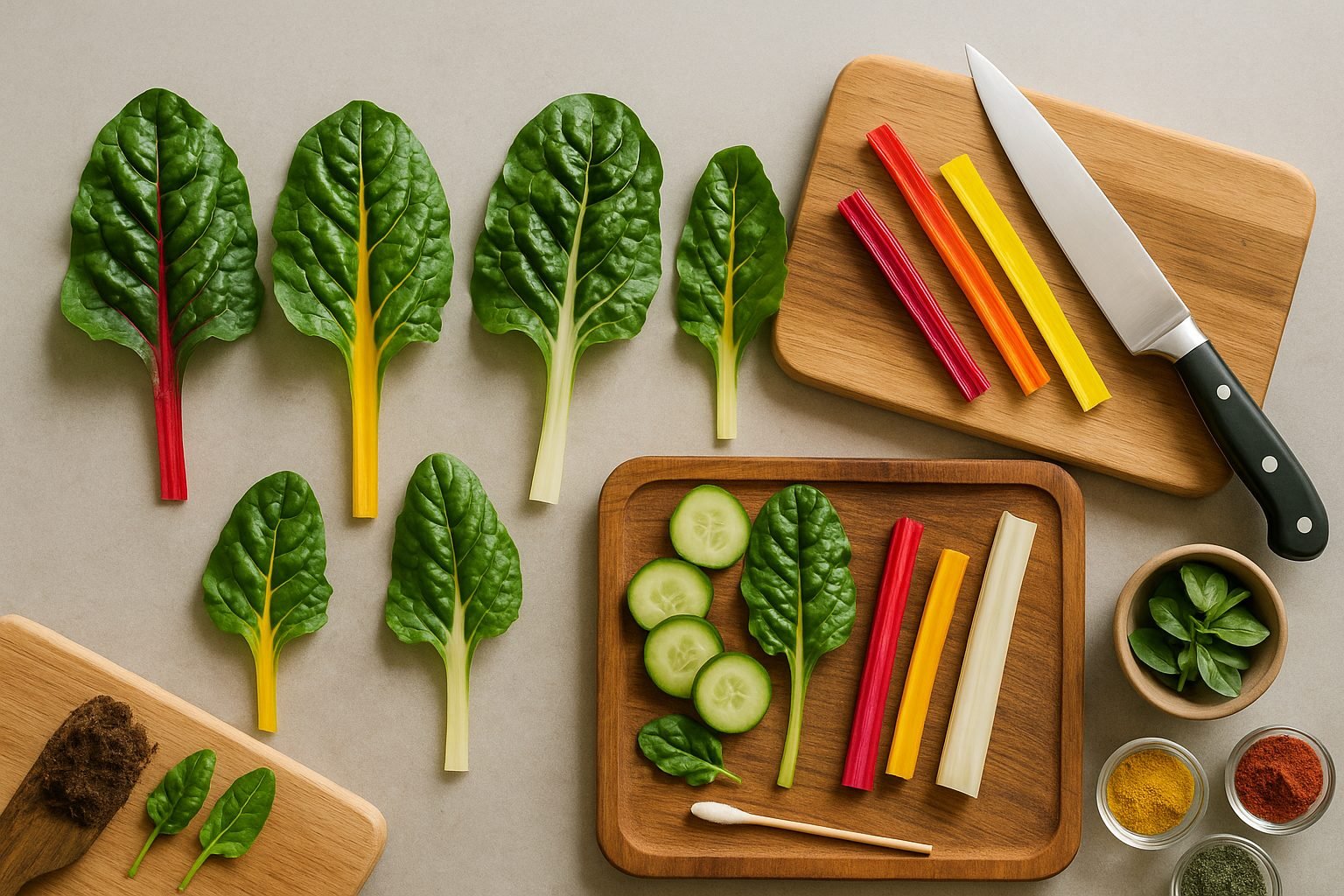
If you’ve ever taken a bite of bitter swiss chard and wondered what went wrong, you’re not alone. Swiss chard is a stunning leafy green, instantly recognizable by its vibrant rainbow-colored stems and glossy dark green leaves. Often found nestled beside spinach and beet greens in the produce aisle, Swiss chard actually belongs to the same plant family as these nutritional powerhouses.
Packed with vitamins A, C, and K, along with vital minerals like magnesium, iron, and potassium, this vegetable is a favorite among health-conscious eaters. What really sets Swiss chard apart is its impressive antioxidant profile, which supports everything from heart health to glowing skin.
Because of its mild earthiness and robust texture, it shines both raw in salads or gently wilted in sautés, soups, and even savory pies. In Mediterranean, Middle Eastern, and American kitchens alike, Swiss chard’s versatility and nutrient density make it a staple—provided you know how to manage its sometimes bitter edge.
What Does Swiss Chard Taste Like?
Swiss chard offers a unique flavor experience that sets it apart from other leafy greens. The leaves have an earthy, slightly bitter taste with a subtle sweetness, making them both refreshing and complex. In contrast, the stems are crunchier and milder, often carrying a delicate sweetness with just a hint of bitterness.
This difference in taste and texture means you can use both parts in creative ways—try sautéing the leaves for a tender bite while lightly roasting the stems to highlight their crispness. Swiss chard’s slight bitterness pairs beautifully with the pungency of garlic, the bright acidity of lemon juice, or the rich nuttiness of toasted almonds or pine nuts.
For a simple yet flavorful side dish, toss chopped leaves and stems with olive oil and minced garlic, then finish with a squeeze of lemon and a sprinkle of toasted nuts. These combinations help balance chard’s bitterness, allowing its natural flavors to shine without being overpowering.
Whether added to soups, stirred into pastas, or layered in a grain bowl, Swiss chard’s versatility and distinct taste make it a standout ingredient in any kitchen.
“`html
Varieties and Seasonality
Swiss chard comes in several eye-catching varieties, each offering a unique twist for your kitchen. Rainbow chard, often called “bright lights,” features stems in yellow, orange, pink, and red, adding a colorful touch to dishes—perfect for making salads pop. Red chard has deep green leaves with striking crimson ribs, offering a slightly earthier and subtly sweeter flavor than its cousins. White chard, also known as silverbeet, sports bright white stalks and a delicate, mild flavor, making it ideal for sautéing or using in quiches.
Swiss chard thrives in cooler months, so you’ll usually find it freshest from late spring through early fall in most regions. Chard grown during warm weather can taste a bit more bitter, while plants harvested after a light frost develop milder, even slightly sweet flavors.
When shopping, look for bunches with crisp, unwilted leaves and vibrant, brightly colored stems—avoid any bunches with slimy spots or holes. Fresh chard should squeak when rubbed and feel firm, not floppy. If possible, buy in the morning at farmers markets, when freshly harvested greens are at their best.
This attention to seasonality and variety ensures delicious results, whether you’re trying a new recipe or adding color to your usual meals.
“`
How to Store and Prep Swiss Chard
To keep Swiss chard fresh and vibrant, start by storing it properly as soon as you bring it home. Wrap unwashed chard loosely in a dry paper towel and place it in a perforated plastic bag or produce bag, then set it in your refrigerator’s crisper drawer. This traps just enough moisture to prevent wilting without causing the leaves to rot, giving you up to a week of freshness.
When you’re ready to prep, rinse the chard thoroughly under cold water to remove any grit—pay extra attention to the stem crevices where dirt can hide. Pat the leaves and stems dry with a clean towel or use a salad spinner if you have one.
If a recipe calls for just the leaves, hold the stem with one hand and strip the leaf away with the other; both parts are edible, but the stems take longer to cook and are great for stir-fries or pickling.
For easy meal prep, chop the cleaned leaves and stems and store them separately in airtight containers, ready to toss into omelets, soups, or grain bowls throughout the week.
Leftover chard is easy to blend into smoothies for extra nutrients, wilt into pasta, or freeze: simply blanch it quickly, let it cool, then pack it in freezer bags for later use. This cuts down on waste and gives you a colorful boost for months to come.
How to Cook Swiss Chard (With Tips for Reducing Bitterness)
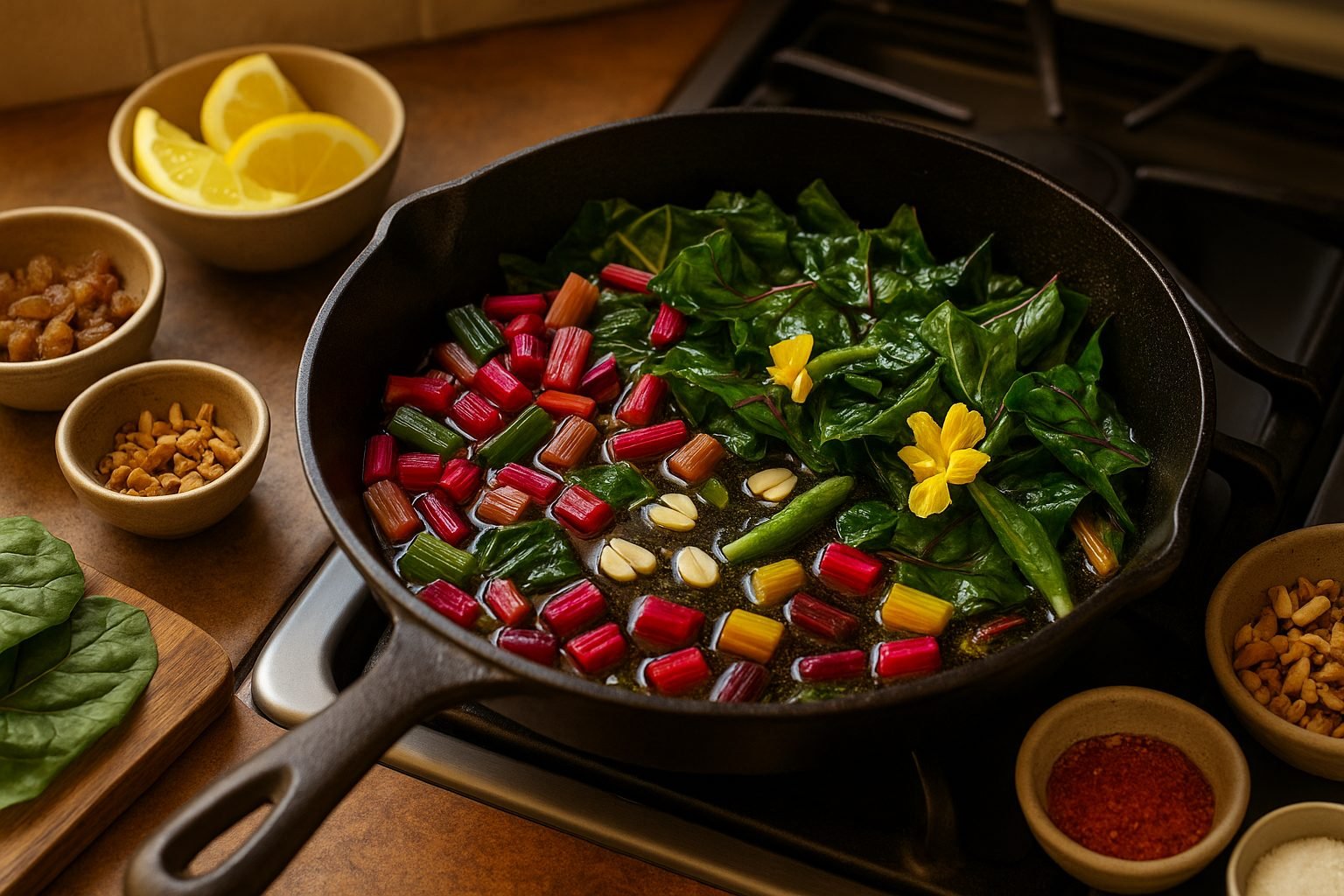
Swiss chard is a versatile leafy green that can be quickly cooked in several delicious ways. Popular methods include sautéing, braising, steaming, and stir-frying. Each technique brings out different textures and flavors, but if you’re sensitive to chard’s mild bitterness, there are easy tricks to make it more palatable.
Start by blanching the leaves in boiling water for 1-2 minutes, then immediately transfer them to an ice bath. This softens the fiber and tames any harsh aftertaste. For added sweetness and complexity, cook Swiss chard with onions, raisins, or apples, or balance it with a splash of balsamic or lemon juice near the end of cooking.
Sautéing Swiss Chard
When sautéing, separate the stems from the leaves. Chop and cook the stems first for a couple of minutes in olive oil with sliced garlic until they begin to soften. Then add the chopped leaves, season with salt and pepper, and cook, stirring frequently, until wilted—about 5-7 minutes.
Braising Swiss Chard
To braise, follow a similar sequence but add a splash of broth or water, cover the pan, and let it simmer gently for 10-12 minutes. Finish with lemon juice or red wine vinegar to give the greens a bright lift. A pinch of red pepper flakes or nutmeg can add warmth and depth.
Flavor Boosters and Serving Ideas
Don’t hesitate to experiment with flavors: a handful of toasted nuts, crumbled feta, or a sprinkle of Parmesan can turn sautéed chard into a crave-worthy side. If you want a sweeter profile, drizzle a little honey just before serving.
With these approachable methods and flavor boosters, Swiss chard becomes an easy addition to weeknight dinners and a powerhouse for both nutrition and taste.
Delicious Swiss Chard Recipes and Serving Ideas
Swiss chard is a powerhouse green that shines in countless dishes, from quick sautés to hearty mains. For a burst of Mediterranean flavor, try sautéing Swiss chard with olive oil, garlic, golden raisins, and toasted pine nuts—this sweet and savory side pairs perfectly with grilled chicken or fish.
Chard is also fantastic tucked into frittatas; just chop the leaves and stems, sauté with onions, and mix into beaten eggs with a handful of feta or Parmesan for a satisfying breakfast or lunch.
Its mild, earthy taste makes it a tasty addition to soups like minestrone or white bean stew—just add roughly chopped chard during the last few minutes of cooking.
Toss wilted Swiss chard with al dente pasta, lemon zest, and Parmesan for a quick, healthy dinner; add sun-dried tomatoes or Italian sausage for extra zip.
Don’t overlook its appeal raw—young chard leaves are great in salads, lending color and crunch.
Swiss chard plays well in world cuisines too: think Turkish börek with chard filling, or chard-stuffed Greek spanakopita.
With its vibrant stems and leafy greens, Swiss chard adapts to nearly any cooking style, so don’t hesitate to experiment and discover new family favorites.
Frequently Asked Questions About Swiss Chard
Swiss chard is a versatile leafy green, but many home cooks have questions about how to handle it.
How do I clean Swiss chard?
To clean chard, rinse the leaves thoroughly under cold water—dirt often hides in the creases.
What’s the best way to store Swiss chard?
Wrap the leaves in a damp paper towel and place them in a plastic bag or airtight container. They’ll stay fresh for about five days in the fridge.
Can I use the stems?
Don’t toss the stems! They can be cooked just like asparagus or celery—slice and sauté them, or add them to soups and stir-fries for added crunch and nutrition.
Is it safe to eat Swiss chard raw?
It’s perfectly safe to eat raw, though some find it a bit bitter compared to when it’s cooked.
Are allergies common with Swiss chard?
Allergies to chard are rare, but as with all new foods, try a small taste first if you have plant sensitivities.
How can I reduce the bitterness of Swiss chard?
- Try blanching the leaves briefly in boiling water to mellow the flavor.
- Combine chard with sweeter ingredients, like sautéed onions or dried fruit, to help win over picky eaters.
- Roasting or wilting the leaves with olive oil and garlic is another easy way to boost flavor while minimizing any sharpness.