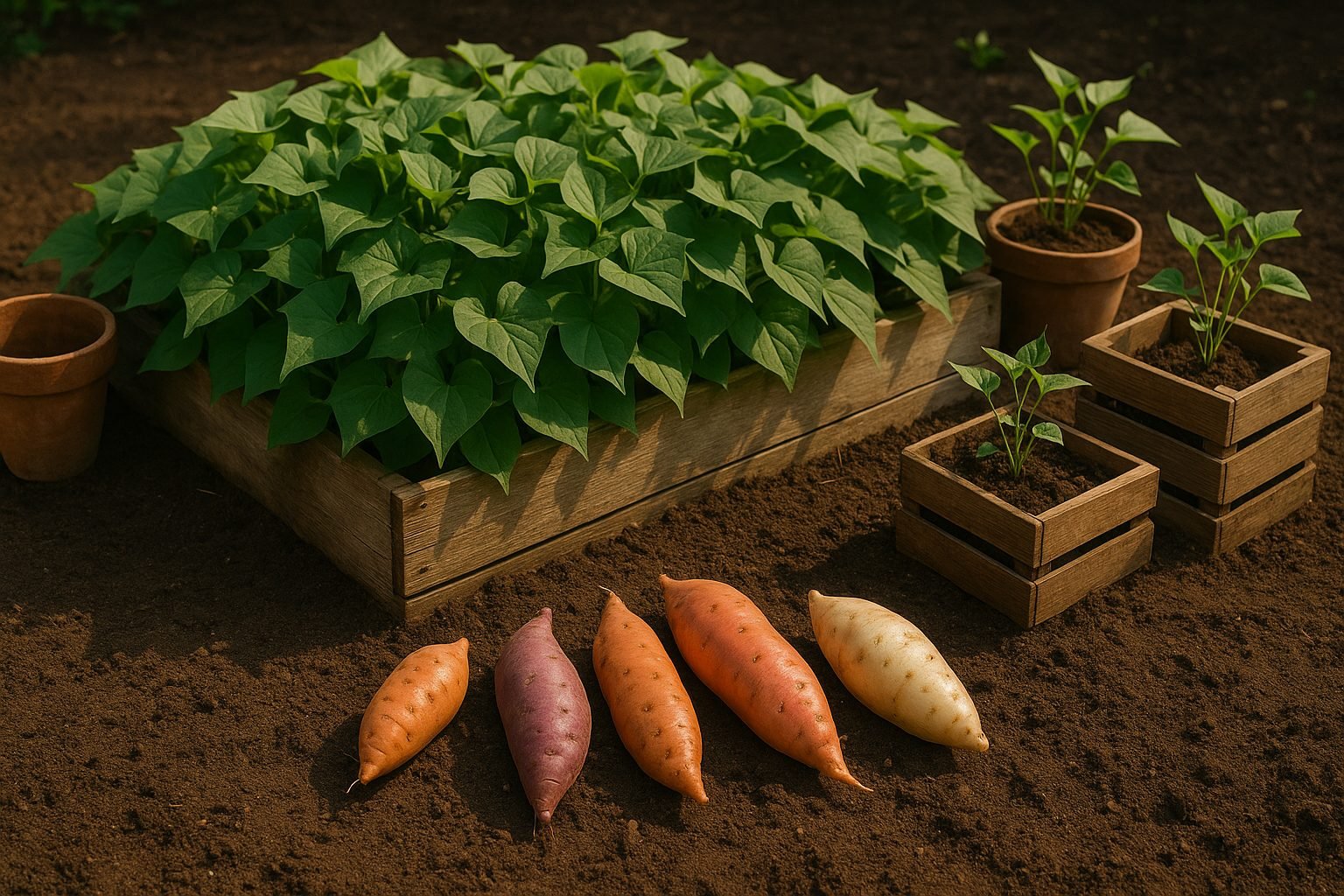
Introduction to Growing Sweet Potatoes
Starting your own budget sweet potato garden is simpler—and more rewarding—than you might think. Sweet potatoes aren’t just a staple in summer picnics and cozy fall dishes; they’re also one of the most popular crops for home gardeners thanks to their adaptability and impressive nutritional punch. Packed with vitamins A and C, fiber, and essential minerals, sweet potatoes support a healthy diet while serving as a delicious base for everything from stews and fries to casseroles and salads.
One reason sweet potatoes are so beloved by gardeners is their versatility—they thrive in many soil types, tolerate heat, and even grow well in containers if yard space is limited. That means even if you have just a little patch of sun or a few large pots on your patio, you can start reaping the benefits.
In this article, you’ll discover easy, cost-saving strategies for building a thriving sweet potato garden without breaking the bank. We’ll cover practical tips like sourcing budget-friendly slips, repurposing household items as planters, and natural ways to boost your yield. Whether you’re a novice or looking to grow your success this season, you’ll find step-by-step advice tailored for real-world results—so even beginning gardeners can dig in with confidence and enjoy homegrown sweet potatoes, all while sticking to a budget.
Choosing the Right Sweet Potato Variety
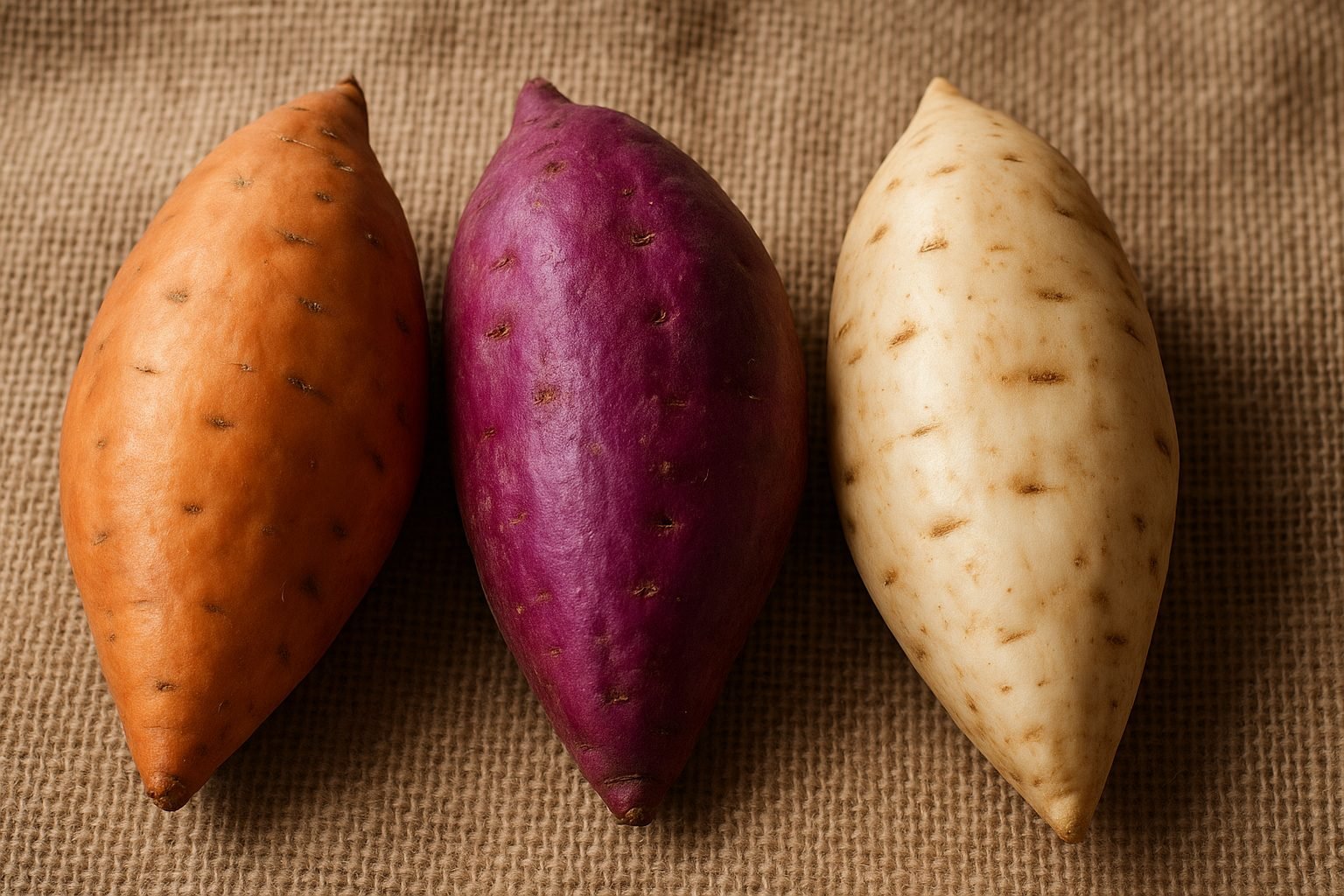
Sweet potatoes come in a surprising variety of colors, shapes, and flavors, so picking the right one for your garden or dinner table really matters. Orange-fleshed varieties like ‘Beauregard’ and ‘Covington’ are classic choices, loved for their moist, sweet flavor and versatility in pies or casseroles.
If you’re after something a bit different, try the purple-fleshed ‘Okinawan’—it’s drier, nutty, and works great roasted or mashed. White-fleshed types such as ‘Hannah’ have a milder sweetness and a firmer texture, making them ideal for savory dishes or fries.
When choosing, think about your local climate:
- If you live in a cooler region, seek out fast-maturing varieties like ‘Georgia Jet’ that can handle shorter growing seasons.
- For hotter areas, most sweet potatoes will thrive, but always check what’s most successful with local gardeners or your extension office.
Taste is another factor—if you prefer sweeter, moist sweet potatoes, stick with orange varieties, while drier, nutty ones are typically white or purple. For baking, go for moist types, but for grilling or making fries, firmer versions hold up better.
To start growing, look for certified disease-free slips or starter plants, which you can find at local nurseries, farmer’s markets, and reputable online suppliers. Ordering early in the season is key, as slips often sell out quickly.
If you can’t find what you want locally, many online stores will ship slips timed for your region’s planting window. For those who like DIY, you can also sprout slips at home from organic sweet potatoes bought at the grocery store—just be sure they’re not treated to prevent sprouting.
Starting with the right variety sets you up for a tasty and successful harvest.
Optimal Conditions and Planting Time
Getting your plants off to a great start begins with understanding their ideal growing conditions. Most vegetables and flowers thrive in well-draining, nutrient-rich soil that’s slightly moist but not waterlogged. If your soil is heavy clay or very sandy, mix in compost or organic matter to improve its texture and fertility.
Full sunlight—at least six hours a day—is usually best, so choose a spot that’s not shaded by trees or buildings. Consistent watering is key: early morning or late evening is ideal to reduce evaporation, and a layer of mulch can help retain moisture in the soil.
For garden beds, loosen the soil to a depth of at least 12 inches, breaking up any clumps and removing rocks or debris. If you’re planting in containers, opt for a potting mix that drains well and select pots with drainage holes.
The best time to plant depends on your region’s climate zone. Cool-season crops like lettuce and peas can be sown in early spring or fall in most areas, while heat-lovers like tomatoes and peppers should be planted after the last frost date.
If you’re unsure when to start, check your local extension office or a gardening website for zone-specific planting calendars. In mild climates, a longer growing season gives you more flexibility, while colder areas may require starting seeds indoors and transplanting them once temperatures rise.
By tailoring your approach to your local conditions, you’ll give your plants the healthiest start possible.
Planting Sweet Potatoes: Slips, Beds & Containers
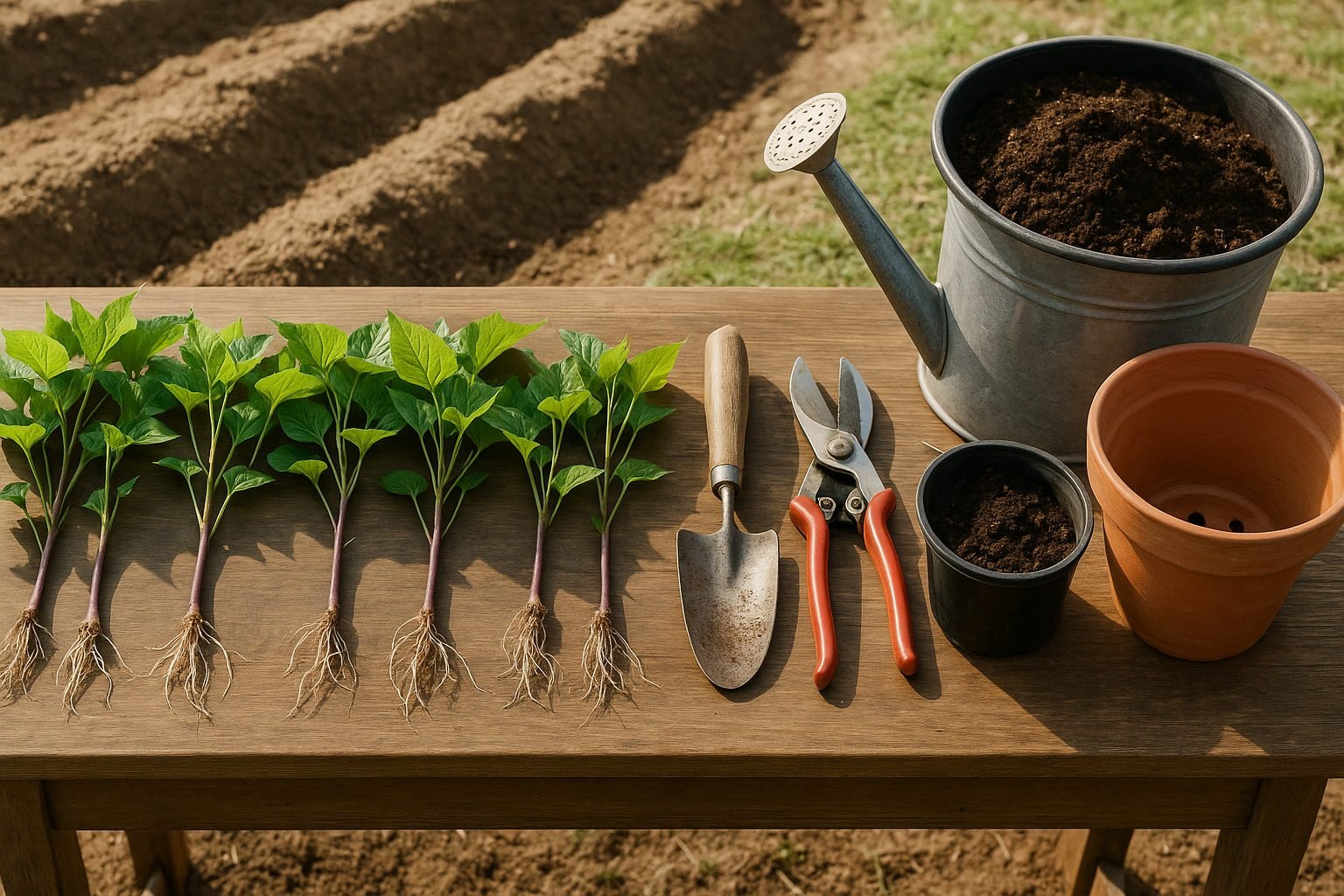
Sweet potatoes are grown from “slips,” which are sprouted shoots taken from mature sweet potato tubers—not traditional seeds. You can buy slips from garden centers or online, but it’s easy and affordable to grow your own. Simply place a healthy, unblemished sweet potato half-submerged in water or moist soil and keep it warm. After a couple of weeks, leafy sprouts will emerge.
Once these slips are 6-8 inches long and have visible roots, gently twist them off to plant.
Planting in In-Ground Beds
Choose a sunny, well-drained spot and loosen the soil at least 12 inches deep. Create raised rows or mounds spaced 3 feet apart, and plant slips 12-18 inches apart, burying each slip up to its first leaf to encourage strong rooting. Water well after planting and mulch to keep the soil warm and moist, which helps tuber development.
Growing in Containers
If growing in containers, pick a pot at least 18 inches wide and equally deep. Fill it with loose, compost-rich soil, and space slips about 12 inches apart—usually 3 slips for a large container. Containers need extra attention for watering and should be placed in a spot with at least 6 hours of direct sun.
Sweet potatoes don’t need any trellising or support, but their vines love space to sprawl.
Care Tips for Both Beds and Containers
- Keep soil consistently moist (but not soggy) as roots establish.
- Avoid high-nitrogen fertilizers, which encourage lots of leaves but few tubers.
With a little planning and care, homegrown sweet potatoes are easy, rewarding, and delicious.
Caring for Your Sweet Potato Plants
Sweet potato plants thrive with consistent care, and it all starts with a steady watering routine—aim for about one inch of water each week, especially during dry spells, to keep the soil moist but not soggy.
Early in the season, mulch around your plants with straw or shredded leaves to lock in moisture and discourage weeds. Once the vines spread, add another mulch layer to help regulate soil temperature.
When it comes to fertilizing, use a balanced organic fertilizer before planting, then side-dress with compost halfway through the season. Avoid high-nitrogen options, as they encourage leaf growth over tuber production.
Watch for common pests like sweet potato weevils and aphids—pick them off by hand or spray plants with a gentle solution of soap and water. You can also invite natural predators like ladybugs into your garden.
Fungal diseases such as stem rot and leaf blight can sometimes appear. Prevent these by watering at the plant base and ensuring good air circulation by spacing plants properly.
To manage vigorous vines, gently lift and redirect them as they grow. This keeps the vines from rooting at nodes far from the central plant, which can sap energy from your main crop.
For bigger, healthier tubers, avoid disturbing the soil after the initial planting and resist the urge to trim back too many vines, as the leaves feed the growing roots below.
Regularly scout your patch and address problems early for the best sweet potato harvest.
Harvesting, Curing, and Storing Sweet Potatoes
Knowing when to harvest your sweet potatoes is key to enjoying the best flavor and texture. Look for signs of maturity, such as yellowing leaves and at least 90-120 days since planting, depending on the variety.
To minimize damage during harvesting, choose a dry, sunny day and use a garden fork to gently loosen the soil about 12-18 inches from the main plant. Carefully lift the sweet potatoes, taking care not to nick or bruise their delicate skins— even small wounds can lead to storage problems.
Once harvested, curing is essential. This step helps heal minor injuries and increases sweetness. Place the unwashed tubers in a warm (80-85°F), humid (85-90% humidity) area with good ventilation for about 7-10 days. A spare room with a small space heater and a pan of water nearby can work well; just check the temperature with a thermometer.
After curing, brush off excess dirt rather than washing, and move your sweet potatoes to a cool (55-60°F), dry, dark storage area—like a basement or root cellar. Store them in boxes or baskets with ventilation, and don’t stack them too deep.
With proper curing and storage, you can keep sweet potatoes fresh and flavorful for several months, providing healthy meals well into the winter.
Common Growing Questions & Troubleshooting
Many new sweet potato growers wonder why their yields are lower than expected or why their tubers are smaller than store-bought varieties. One common cause is excessive vine growth, which can actually compete with root development. If your plants have lush leaves but few or small tubers, try scaling back on nitrogen-rich fertilizers and ensure your soil is loose and well-drained to allow roots to expand.
Yellowing leaves may signal water stress, nutrient deficiencies (mainly potassium and magnesium), or diseases like fusarium wilt. Address this by watering consistently, rotating crops, and amending soil with compost or balanced fertilizer.
If tubers remain small, check that your sweet potatoes get at least six hours of sunlight daily, plant slips at least 12 inches apart, and avoid harvesting too early—wait at least 90 to 120 days.
Regularly inspect for pests such as wireworms or nematodes, which can also stunt tuber growth.
In summary, healthy sweet potatoes depend on the right balance of nutrients, sunlight, and soil preparation. With a little attention and patience, you’ll soon enjoy a robust harvest from your own backyard. Don’t be discouraged by setbacks—each season is a chance to learn, adjust, and grow even better sweet potatoes at home.