Introduction
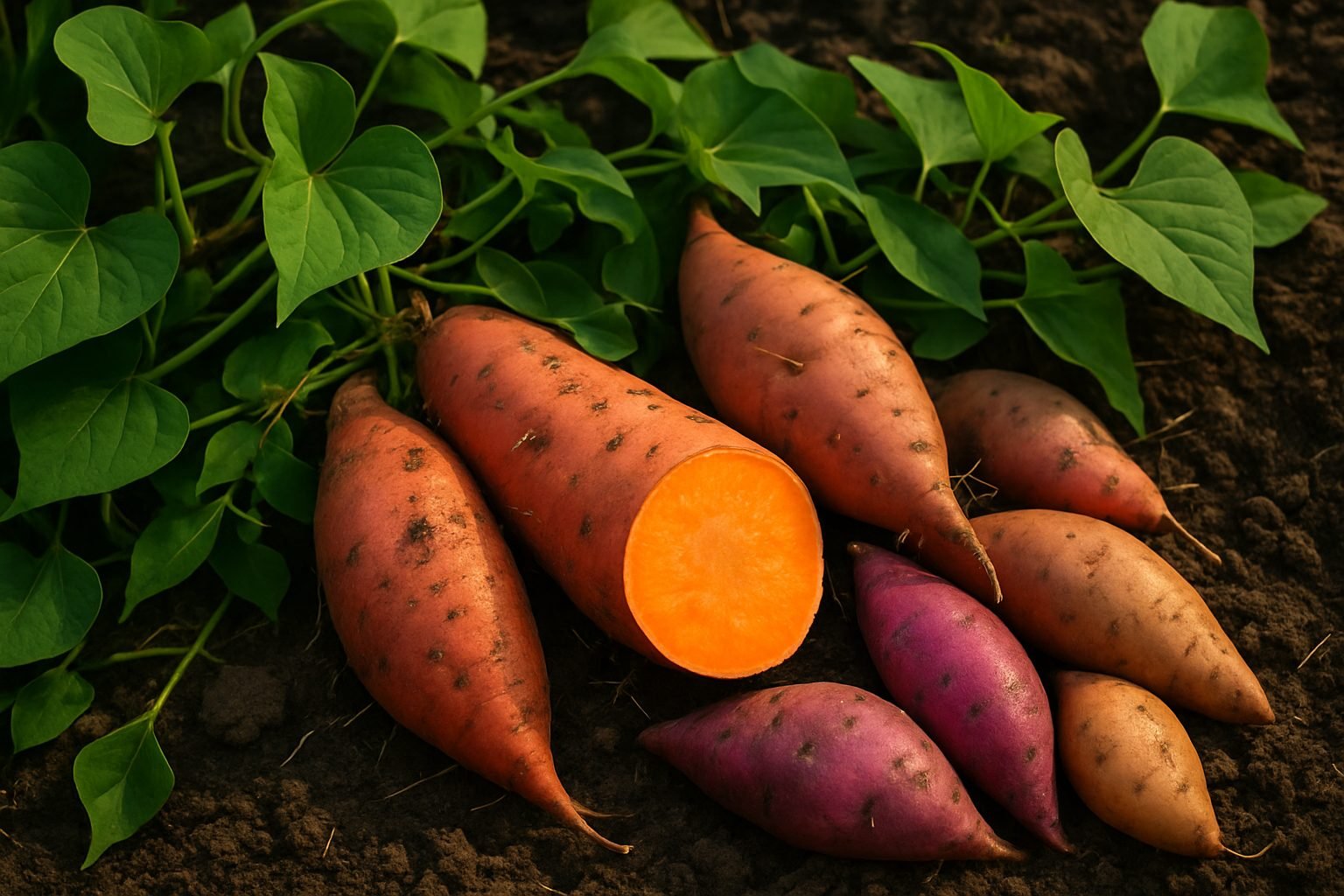
Growing sweet potatoes with kids opens up a world of curiosity and discovery—not just about a delicious, versatile vegetable, but also about science, nature, and the environment. Imagine the excitement on your child’s face when they see a leafy vine sprout from a simple sweet potato or when they dig up their very first homegrown tuber. These hands-on activities don’t just teach where food comes from; they also help kids develop patience, responsibility, and observational skills in a fun and memorable way.
Plus, gardening projects encourage healthy eating habits and foster a sense of accomplishment. In this article, we’ll share practical, age-appropriate sweet potato projects for your home or classroom—from sprouting sweet potato slips in jars to designing mini garden beds, conducting veggie taste tests, and even using the vines for creative art projects. Whether you have a sunny windowsill or a backyard patch, these interactive experiences are perfect for sparking your child’s interest in both gardening and learning.
Let’s dig into the sweet side of science, teamwork, and curiosity!
Getting Started: Choosing and Prepping Sweet Potatoes
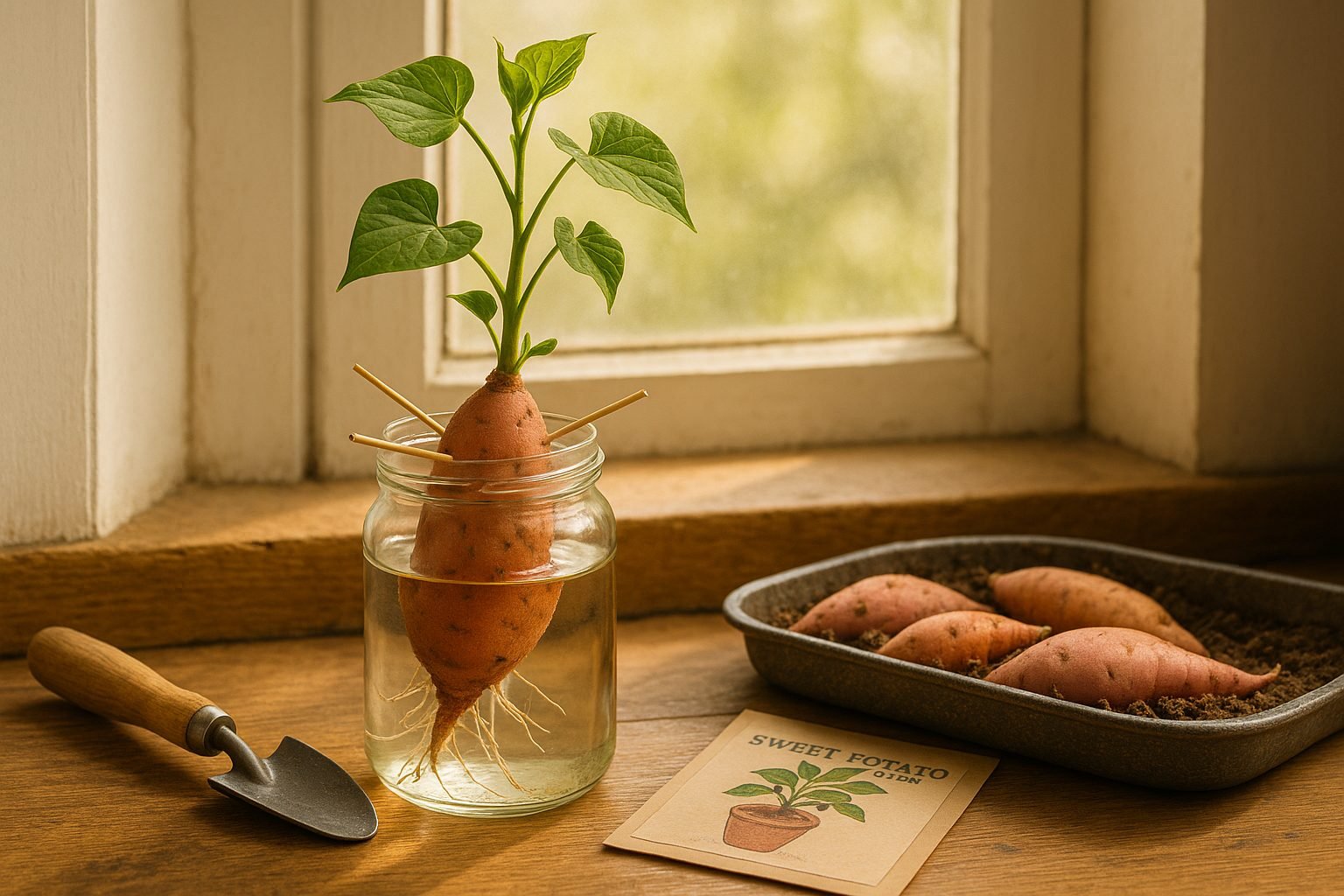
When it comes to growing sweet potatoes with kids, the first step is choosing the right sweet potatoes. You can start with regular grocery store sweet potatoes, but keep in mind that some are treated with sprout inhibitors, which can make them harder to grow. For the best results, look for organic sweet potatoes or specialized “seed potatoes” from a garden center. Seed potatoes are bred specifically for planting and are less likely to carry chemicals or diseases.
Once you have your sweet potatoes, give them a good wash under running water using a vegetable brush. This helps remove any lingering dirt or residue and is a great chance to teach kids about food safety. For most projects, you’ll need to cut the sweet potato in half or into large chunks to expose more surface area for growing “slips” (the shoots that will become new plants). Use a clean, sharp knife and make sure adults handle any cutting. Let kids help by placing the cut pieces into jars of water or containers with toothpicks to hold them in place.
Always supervise when sharp tools or breakable items are in use, and remind kids to wash their hands before and after handling the potatoes. Materials you’ll need include sweet potatoes, a kitchen knife, a cutting board, jars or clear cups, toothpicks, a permanent marker to label each project, and access to sunlight—like a bright windowsill. Optional extras include magnifying glasses for observation or notebooks for drawing and journaling the growth process.
With these basics in hand, you’re ready to kick off a fun and educational journey into the world of growing sweet potatoes with kids.
Growing Sweet Potato Slips in Water
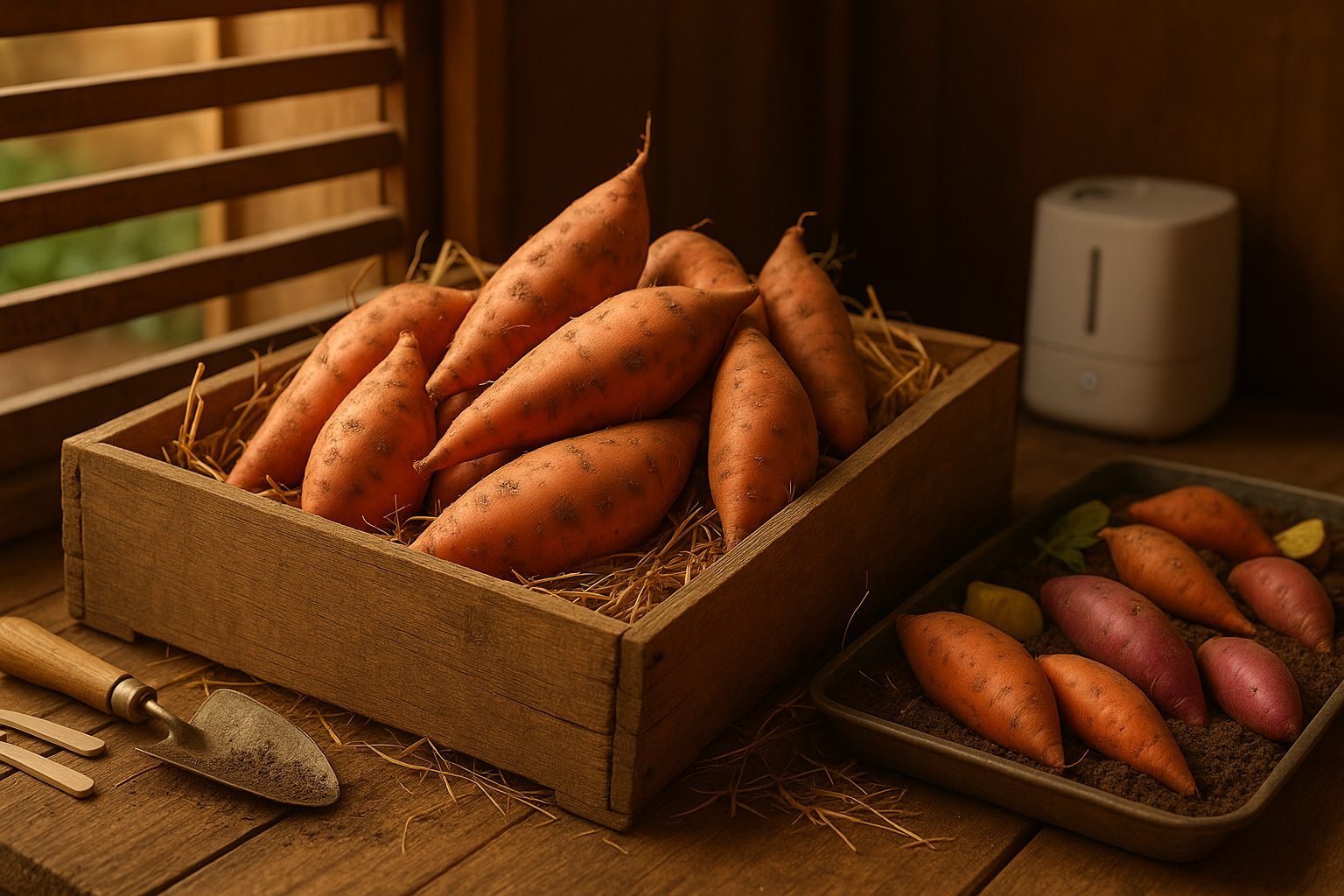
Growing sweet potatoes with kids can be both fun and educational, especially when you start with slips in water—a classic experiment that brings science to life right on your kitchen counter. Begin by choosing a healthy, unblemished sweet potato. Help your child insert three or four toothpicks evenly spaced around the middle of the sweet potato, about halfway down its length. Rest the toothpicks on the rim of a clean glass jar so the pointed end of the potato is submerged in water while the top stays dry.
Place the jar in a sunny spot, like a windowsill, and change the water every few days to keep it fresh and prevent mold. Over the next couple of weeks, kids will be excited to watch white roots sprout from the submerged end, followed quickly by green shoots emerging from the top. Encourage children to observe details: How do the roots branch out? Do the leaves open slowly or suddenly? Are there any color changes as new growth appears?
Turn these observations into a weekly science journal—have your child draw what they see, note color and shape changes, or even measure shoot height with a small ruler. They can also predict what might happen next—will more roots form? Will the leaves get bigger?
This project fosters curiosity and patience, and the daily visual changes offer natural opportunities to discuss plant life cycles, the roles of roots and leaves, and why sunlight is important. For a fun twist, grow two sweet potatoes—one in a sunny window and one in a shadier spot—and let kids compare how light affects growth. This transforms your kitchen into an exciting mini-lab that encourages observation, questioning, and creativity.
Designing Sweet Potato Art and Crafts
Sweet potatoes aren’t just delicious—they’re also perfect for hands-on creativity, whether in the classroom or at home. One fun way to channel artistic energy while growing sweet potatoes with kids is through sweet potato stamping and printmaking. To get started, simply cut a sweet potato in half, then use small cookie cutters or a knife (with adult supervision) to shape hearts, stars, or other fun designs. Kids can dip these shapes into washable paint and press them onto paper or fabric to create vibrant, unique prints.
This simple stamping technique lets children explore patterns, colors, and textures. It’s also a great way to introduce concepts like repetition and symmetry in art. Beyond printmaking, sweet potato slips or vines—the leafy stems that sprout as sweet potatoes grow—can double as colorful canvases for decoration. Encourage kids to braid the vines or tie them into small wreaths, then add eco-friendly embellishments like dried leaves, flower petals, or bits of yarn. Use natural adhesives such as flour paste or cornstarch glue to keep it earth-friendly.
These activities not only spark imagination but also reinforce lessons about sustainability and reusing materials. Always supervise sharp tools, and make the most of leftover sweet potato pieces by composting them or cooking what you can’t use for art. Let your kids take the creative lead—the messier and more expressive, the better!
Making a Sweet Potato Plant Maze
Creating a sweet potato plant maze is a fantastic hands-on way to bring the excitement of plant growth and problem-solving right into your home or classroom. Start by gathering a sturdy shoebox or a shallow cardboard box and cutting out a “maze” interior using cardboard pieces as walls. Arrange these walls with twists and turns, making sure there’s a clear start and finish—you want to challenge your sweet potato vine while still giving it a path to succeed!
Place a sweet potato in water (supported by toothpicks near the rim of a glass) until it sprouts vines. Once a few shoots are several inches long, carefully place the sweet potato at the entrance of your maze, with the growing vines facing the path. Kids can decorate the maze with markers or stickers, turning it into a fun and creative art project.
As the days pass, encourage children to observe how the vines instinctively seek light, curving and stretching through the maze’s corridors. Check the plant daily and discuss what you notice—are the vines taking shortcuts or exploring every corner? This project is a fun way to explore tropism, which is how plants “solve problems” in their environment, like finding light or weaving around obstacles.
You can even create multiple mazes to compare how different setups affect growth. Through growing sweet potatoes with kids in this interactive way, children not only learn about plant biology but also develop patience, experimentation skills, and creative thinking as they cheer on their plant’s progress through the course.
“`html
Cooking Simple Sweet Potato Recipes
Cooking with sweet potatoes is a hands-on adventure that kids love, especially when the recipes are simple and interactive. Start with sweet potato baked fries: wash and peel a sweet potato together, then let your child help slice it using a kid-safe knife. Toss the fries in olive oil, sprinkle with a little salt and cinnamon, and lay them out on a baking sheet. Count the fries together before roasting at 400°F for about 25 minutes.
For an even simpler project, make mashed sweet potatoes: after baking or microwaving until soft, invite your child to scoop out the insides, mash them with a fork, and add a pat of butter along with a pinch of cinnamon or honey. If your family enjoys a touch of sweetness, mix in mini marshmallows for a fun twist.
As you cook, explain kitchen safety rules: always wash hands before touching food, keep fingers tucked in while chopping, and only use utensils under adult supervision. Let kids practice pouring and measuring ingredients—counting spoonfuls of olive oil or tablespoons of honey helps develop their math and fine motor skills. Weighing or measuring sweet potatoes before cooking also encourages them to recognize numbers and compare sizes or weights.
Talk about the nutrition in sweet potatoes: they’re packed with fiber, vitamins A and C, and provide lasting energy—making them a smart choice for busy kids. Discuss the colors, textures, and tastes involved, and ask your child to describe what they notice after each step. Cooking together turns meal prep into a fun science and math lesson, all while growing sweet potatoes with kids from garden to table.
Finally, let them set the table, serve the dish, and help with clean-up—building responsibility and pride in what they’ve made.
“`
Connecting Science and Fun: Takeaway Lessons
Growing sweet potatoes with kids offers a wonderful chance to blend science and fun in practical, memorable ways. By planting slips and watching roots and vines flourish, children experience the plant life cycle firsthand, observing every stage from sprouting to harvest. Exploring simple botany concepts—like how roots anchor and nourish plants or how leaves capture sunlight—comes alive when kids get their hands dirty and make discoveries themselves.
This project also sparks conversations about nutrition, as sweet potatoes are packed with vitamins and fiber, making them a tasty and healthy snack. Creativity flourishes as children design plant labels, decorate pots, or use harvested sweet potatoes in kid-friendly recipes. For families or classrooms looking to deepen the experience, keeping a garden journal helps kids track growth through drawings, measurements, or observations—building skills in both science and literacy.
Home experiments, such as comparing growth in sunlight versus shade or testing different soil mixes, encourage children to ask questions and make predictions like real scientists. Sharing photos, stories, or even extra slips with friends or classmates fosters communication and pride in their accomplishments. Whether tending a garden bed or sprouting a sweet potato in a cup on the windowsill, these activities turn everyday moments into hands-on lessons. All it takes is curiosity and a willingness to get a little messy.
By weaving together science, nutrition, and creative exploration, growing sweet potatoes with kids becomes a gateway to lifelong learning and wonder.