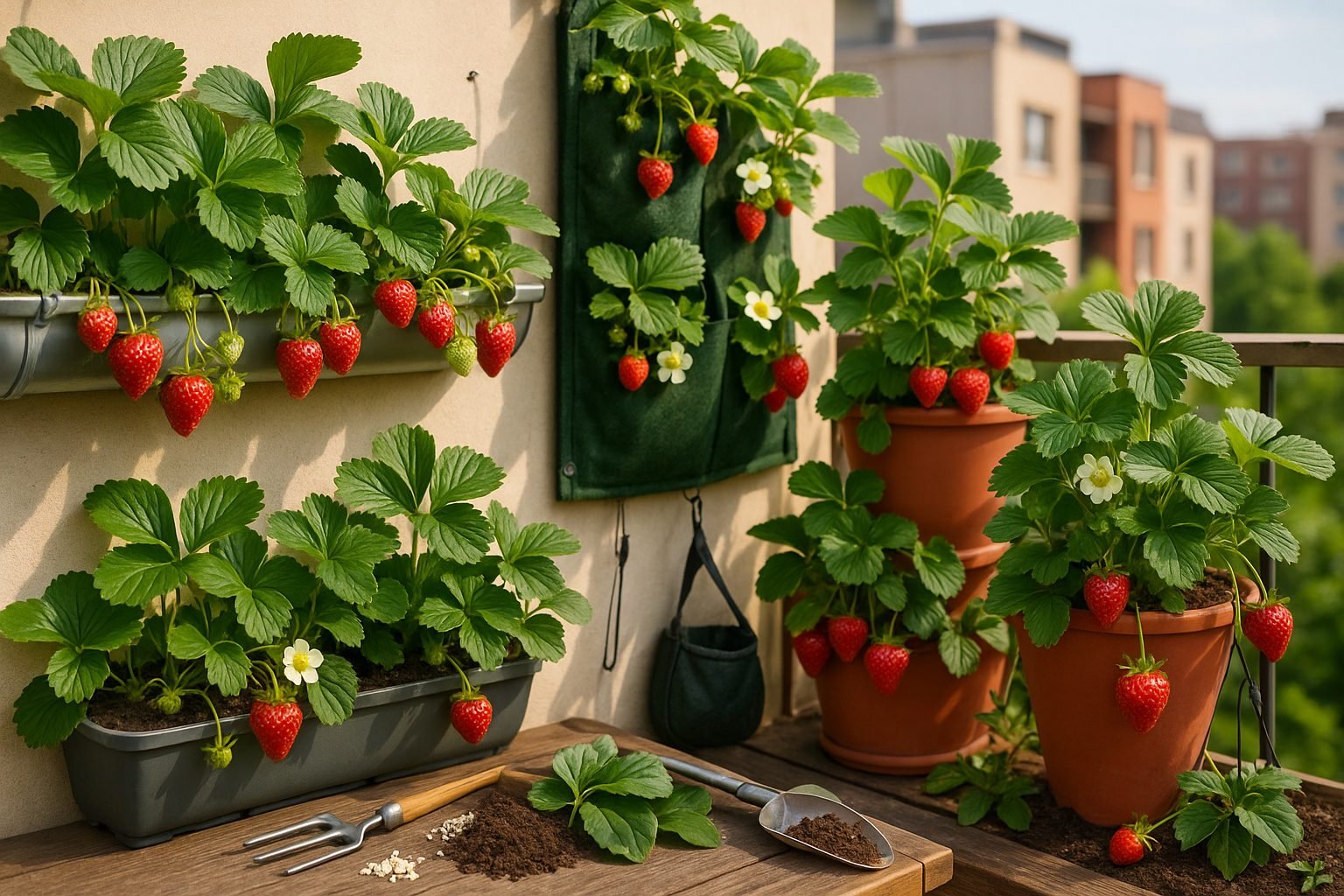
Why Grow Strawberries Vertically?
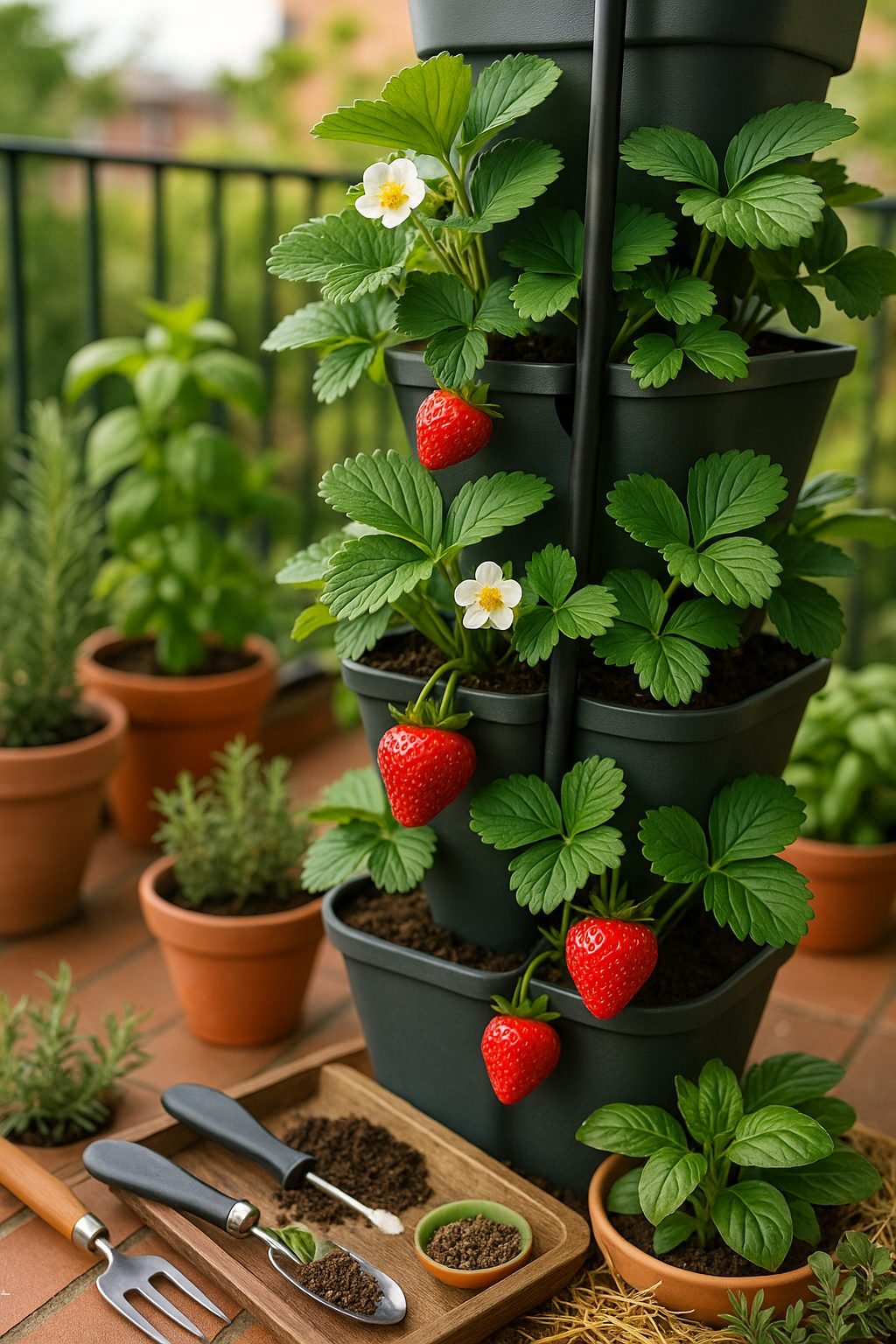
Vertical strawberry growing is quickly gaining popularity among gardeners, and for good reason. Whether you have a sprawling backyard or just a modest balcony, this method lets you cultivate juicy, sweet strawberries in less space than you ever thought possible. By stacking your strawberry plants in towers, hanging pockets, or even DIY wall planters, you transform wasted vertical space into an abundant harvest.
This isn’t just about squeezing more plants into a small footprint; vertical strawberry growing also means improved air circulation, which helps keep diseases like mold and mildew at bay—a big win for the health and yield of your strawberries. Plus, with your berries at eye level, harvesting becomes a breeze, and backaches from bending over rows of ground plants are a thing of the past.
Compared to traditional ground-based methods, vertical systems reduce weeding and keep fruit cleaner, since the berries don’t touch the soil. This means less damage from pests and fewer losses to rot. Drip irrigation or simple watering at each level makes caring for your patch efficient.
While some worry that vertical gardening is complicated or “unnatural” for strawberries, the truth is strawberries are well-suited for it. Their shallow root systems adapt easily to planters, and even in limited soil, the plants thrive with proper sunlight and regular moisture.
A common myth is that strawberries grown vertically can’t produce as much fruit, but with proper care, yields are impressive—and often superior. Another misconception is that vertical gardens are expensive or high-maintenance. In reality, you can start small with upcycled materials and scale up as you gain confidence.
Vertical strawberry growing isn’t just a trend; it’s a practical solution for gardeners looking to maximize their harvest, whether in an urban apartment or a suburban yard. If you’re dreaming of more berries in less space—and fewer hassles along the way—going vertical might just be the game-changer you’ve been looking for.
Choosing the Right Vertical System for Strawberries
When it comes to growing strawberries vertically, several popular systems suit a range of spaces and gardening experience levels.
Stackable planters are beginner-friendly, easy to assemble, and ideal for balconies or patios. They let you grow lots of strawberries in a compact footprint, though they may need frequent watering since the soil can dry quickly.
Hanging grow bags fit small spaces and rental homes, with the added bonus of portability. However, they sometimes provide uneven moisture and may only support a limited number of plants.
Rain gutter planters—essentially modified gutters mounted on walls or railings—maximize horizontal space and allow easy harvesting but may require DIY skills and regular monitoring for drainage issues.
Hydroponic towers offer an impressive yield in a tiny space with minimal soil mess, but the initial investment can be high, and there’s a learning curve in maintaining nutrient solutions and pumps.
Consider Your Space and Budget
As you weigh your options, consider your available space:
- Small balconies call for stackable planters or hanging bags.
- Larger patios or garden fences can handle rain gutter systems.
Your budget also matters:
- Stackable planters and grow bags are affordable.
- Hydroponic towers cost more upfront but pay off in yield.
Maintenance and Experience
Don’t forget maintenance:
- Traditional soil options need regular watering and sunlight but are forgiving for beginners.
- Hydroponic setups save effort over time but require careful monitoring.
If you’re just starting, stick with stackable planters or hanging bags to get a feel for strawberry care, and upgrade later if you want to scale up your harvest.
Setting Up Your Vertical Strawberry Garden
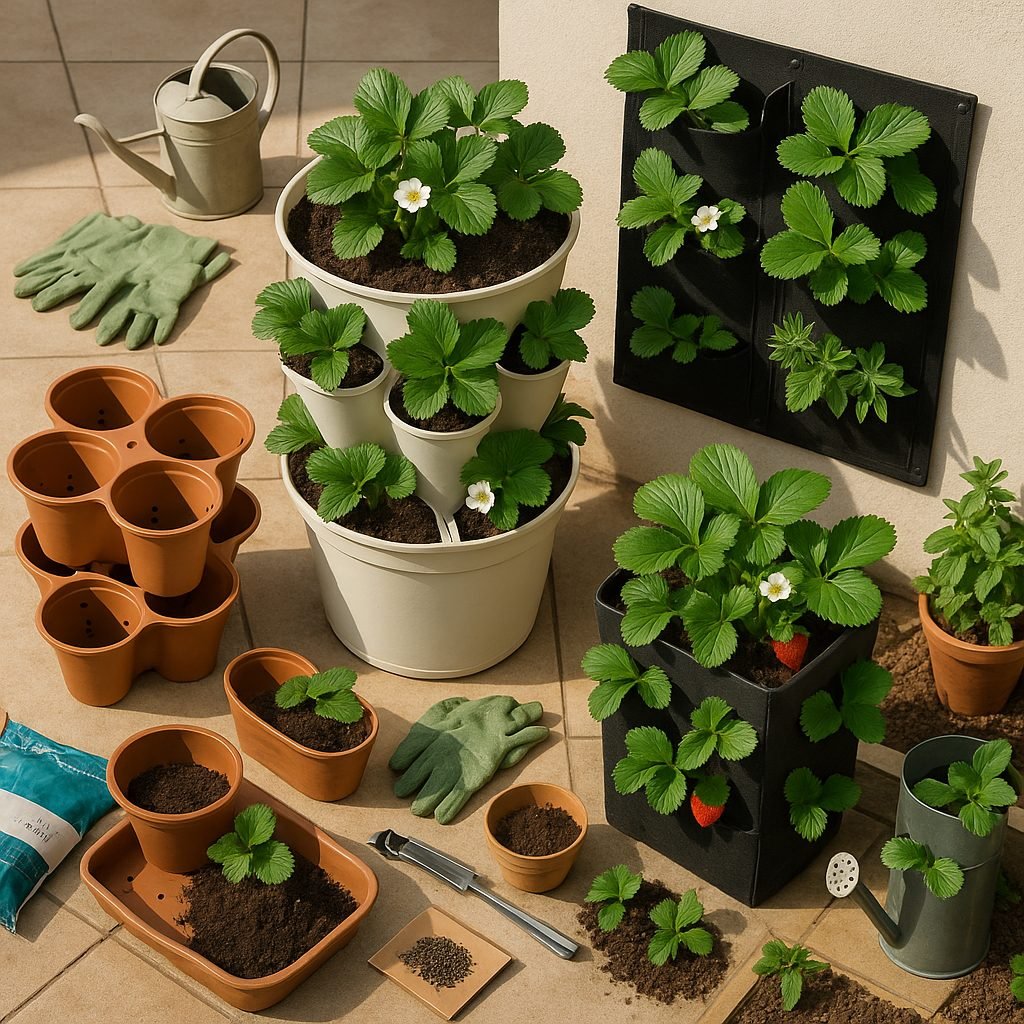
Setting up your vertical strawberry garden starts with choosing the right location—pick a spot that receives at least 6 to 8 hours of direct sunlight per day since strawberries thrive in plenty of light. Avoid areas near large trees or walls that might cast shade or compete for water.
Next, consider your vertical system; options include wall-mounted pockets, stacked pots, or tall tower planters. These setups help maximize a small footprint.
Before planting, prepare your containers by ensuring they have enough drainage holes. Line the bottom with pebbles or mesh to promote drainage and prevent root rot. Use a lightweight, nutrient-rich potting mix or a soilless blend—both offer proper aeration and nutrient delivery, which are crucial for healthy strawberry growth.
Early spring is the best time to plant, giving strawberries a full season to establish and produce berries. In mild climates, late fall planting can also work.
Always start with healthy young strawberry plants or sturdy runners from a reputable nursery, avoiding any with wilted leaves or signs of disease. For best results, gently spread out the roots as you plant, positioning the crown (where the stem and roots meet) just above the soil line to prevent rot.
Water thoroughly after planting, and keep the soil evenly moist but not soggy. To ensure healthier and more productive plants, place your vertical setup where it’s easy to reach for regular watering, especially during hot spells. Also, protect your strawberries from strong winds that could dry out or damage the plants.
Mulch with straw or coco coir to conserve moisture and suppress weeds. Use slow-release organic fertilizer to keep your plants happy.
By following these steps, you’ll give your vertical strawberry garden the best chance at a bountiful, sweet harvest.
Caring for Strawberries in Vertical Gardens
Caring for strawberries in vertical gardens is straightforward, but it does require attention to detail to keep your plants thriving. Because containers and vertical planters can dry out quickly, check soil moisture daily—strawberries like consistently moist (not soggy) soil.
In summer or hot weather, you may need to water twice a day, especially if your garden gets full sun; in cooler months, once every day or two is often enough. Use room-temperature water and, if possible, water at the base to keep leaves dry and reduce disease risk.
Fertilizing is essential since nutrients leach faster from vertical systems. Apply a balanced, water-soluble fertilizer diluted to half strength every 2–4 weeks from early spring to late summer. Stop fertilizing after fruiting season winds down to help the plants prepare for dormancy.
For lush growth and bigger berries, prune runners (long shoots with baby plants) unless you want new plants—pinching these off helps the mother plant put energy into berries. Routinely remove yellow or dead leaves and spent flowers to encourage fresh blooms.
If your strawberries spill out or crowd each other, gently train vines upward or outward, securing them with soft ties or twine.
Watch out for pests like aphids, spider mites, and slugs; check leaves (including undersides) weekly. Neem oil spray or insecticidal soap can manage many pests organically—be sure to spray in the evening to protect pollinators.
Powdery mildew and gray mold are common diseases in humid or crowded setups. Prevent these by spacing plants so air circulates, watering at soil level, and removing infected parts promptly.
Consider mulching with straw or coconut coir to keep soil moist and deter splashing, which can spread disease.
Vertical systems also make it easier to rotate plants yearly; if you notice persistent disease, replace the infected pockets with new soil before replanting.
With consistent care and a watchful eye, your vertical strawberries will yield sweet, juicy fruit all season long.
Harvesting and Multiplying Your Strawberry Plants
The best time to harvest strawberries is in the cool of the morning, once the berries are fully red and just slightly soft to the touch—this is when they’re at their sweetest and most flavorful. Gently twist or snip the fruit from the stem, leaving a bit of the green cap attached to avoid bruising. Picking every couple of days encourages more fruit production, so keep an eye out for ripe berries.
If you want to expand your strawberry patch, let healthy plants send out runners—these are long, stem-like shoots that root themselves nearby. You can guide runners onto bare soil or into small pots of compost, pinning them down until they develop roots. Then, cut them from the mother plant and transplant in the fall.
For planters and garden beds, clear away old leaves and spent plants after harvest, then mulch with straw or shredded leaves to protect roots over the winter chill. In colder regions or with container plants, move pots to a sheltered spot, such as an unheated garage, or wrap them in burlap for extra insulation.
Renew tired planters in early spring with fresh soil and a balanced fertilizer to set the stage for next year’s juicy crop. By following these simple steps, you’ll keep your strawberry harvest bountiful season after season.
“`html
Troubleshooting & Frequently Asked Questions
Many readers wonder how much sunlight their plants need; most fruiting varieties thrive with at least six hours of direct sunlight each day. If your space is limited, south-facing windows or even grow lights can make indoor growing possible—just check that the light covers the whole plant evenly.
Watering frequency is another common concern: it’s best to let the top inch of soil dry before watering again, as overwatering can lead to root rot while underwatering causes wilting or yellowing leaves.
If you notice poor fruiting, try boosting sunlight or using a balanced fertilizer, and be careful not to over-prune. Yellowing leaves can also indicate nutrient deficiencies, so consider adding a slow-release fertilizer or fresh compost.
Remember, every plant and environment is unique—don’t hesitate to experiment with light, soil, or container changes until you find what works. For deeper troubleshooting, join online gardening forums or check out university extension sites for plant-specific advice.
With patience and a bit of trial and error, most common issues can be sorted out, and your plants will thank you for it.
“`