What Is Companion Planting and Why Try It With Spinach?

spinach companion plants can transform your garden, making the most of every inch while helping your spinach thrive. Companion planting is the practice of growing certain plants together so they can support each other—think of it as plant teamwork. When you pair spinach with the right neighbors, you create a mini-ecosystem that naturally deters pests, boosts yields, and improves soil health.
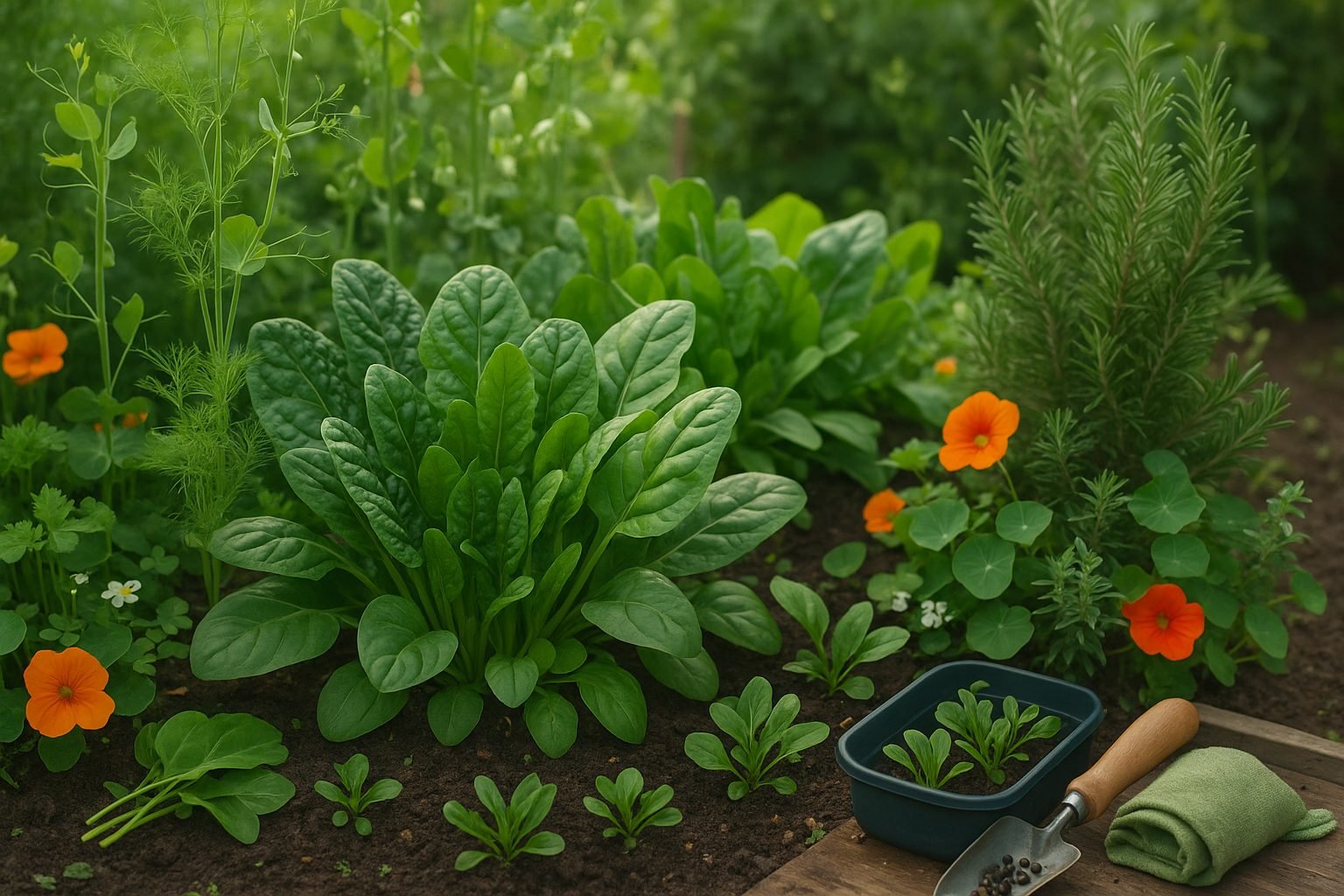
For example, spinach planted near nasturtiums can repel aphids, while growing it alongside legumes like peas can increase soil nitrogen, giving your spinach a gentle, natural fertilizer. At the same time, leafy greens like spinach benefit from the shade provided by taller crops, which reduces bolting in warm weather.
Understanding which spinach companion plants work best is key—not every plant makes a good partner. Some plants compete for resources, while others give your spinach the space and nutrients it needs to flourish. Taking the time to learn these plant partnerships doesn’t just result in a more bountiful harvest; it also creates a healthier, more resilient garden, cutting down on the need for chemical pesticides and extra fertilizers.
By strategically planning your rows, you help your spinach—and the rest of your crops—reach their full potential naturally.
The Best Herbs to Grow With Spinach
When planning your spinach patch, companion planting with herbs like dill, cilantro, rosemary, and oregano offers multiple advantages—starting with natural pest control.
Dill is a well-known magnet for beneficial insects like ladybugs and lacewings, which prey on aphids and other spinach pests. By interplanting dill around your spinach, you can reduce the need for chemical sprays while encouraging a healthier, more balanced garden ecosystem.
Cilantro not only adds a fresh burst of flavor to spinach dishes but also attracts hoverflies and parasitoid wasps, both of which feed on aphid populations and help keep leaf-chewing insects at bay.
Rosemary’s strong scent naturally repels several garden pests such as cabbage moths and carrot flies, providing a protective perimeter when grown at the border of your spinach bed.
Oregano, with its low-growing habit, works as a living mulch, conserving soil moisture and deterring many garden pests thanks to its aromatic oils.
For the best results:
- Plant dill and cilantro in small clusters interspersed among your spinach rows to maximize pest control and attract pollinators.
- Position rosemary along the edges where it has room to grow without crowding the more delicate spinach leaves.
- Let oregano sprawl as a ground cover between spinach plants, but trim it back as needed to avoid competition for nutrients.
This herb partnership not only safeguards your spinach but also makes harvesting fresh flavors for the kitchen delightfully convenient.
Flower and Vegetable Allies for Spinach
Pairing spinach with the right flower and vegetable companions can make a big difference in your garden’s health and productivity.
Marigolds are standout allies; their bold blooms repel nematodes and aphids, keeping spinach pest-free, while also attracting pollinators that support biodiversity. Nasturtiums are another floral friend, luring aphids away from spinach and acting as living ground cover, which helps shade soil and retain moisture.
Among vegetables, lettuce is a perfect neighbor—both thrive in similar conditions, and their leaves offer mutual shade that prevents bolting in hot weather. Root crops like beets, carrots, and radishes grow well alongside spinach because their underground growth doesn’t crowd spinach’s shallow roots, and harvesting these roots naturally aerates the soil.
Brassicas such as broccoli and cabbage pair nicely as their broad leaves can shield spinach from harsh sun and help keep weeds down. Legumes like beans and peas are especially valuable, as they fix nitrogen in the soil, naturally fertilizing spinach and boosting its leafy growth. Alliums, including onions and garlic, deter common spinach pests like leafminers and aphids with their strong scents, providing natural pest management.
By combining these companions, you not only use space more efficiently but also create a resilient, diverse garden ecosystem—resulting in healthier plants and bigger harvests without the need for chemical interventions.
Plants Spinach Doesn’t Like: What to Avoid
While spinach is an easygoing crop in many gardens, there are certain plants you’ll want to keep at a distance to ensure it thrives. Fennel is one of the top troublemakers—its roots release natural chemicals that can inhibit the growth of nearby veggies, including spinach. Potatoes are another poor neighbor, as they compete aggressively for nutrients and water, leaving spinach struggling to keep up. Peas, too, can cause trouble by harboring similar pests or diseases that easily spread to spinach.
To keep your spinach healthy, space it at least two to three feet away from these incompatible plants. You can use pathways, low-growing herbs, or even a row of flowers as buffers to separate spinach from its problematic neighbors. Planning your garden layout ahead of time will help reduce resource competition and minimize the risk of shared pests or diseases spreading.
Companion planting charts can be a handy resource—print one and keep it with your seed packets to avoid accidental plant pairings that could undermine your spinach patch. With a little foresight, your spinach can grow lush and problem-free.
Practical Tips for Success With Spinach Companion Planting
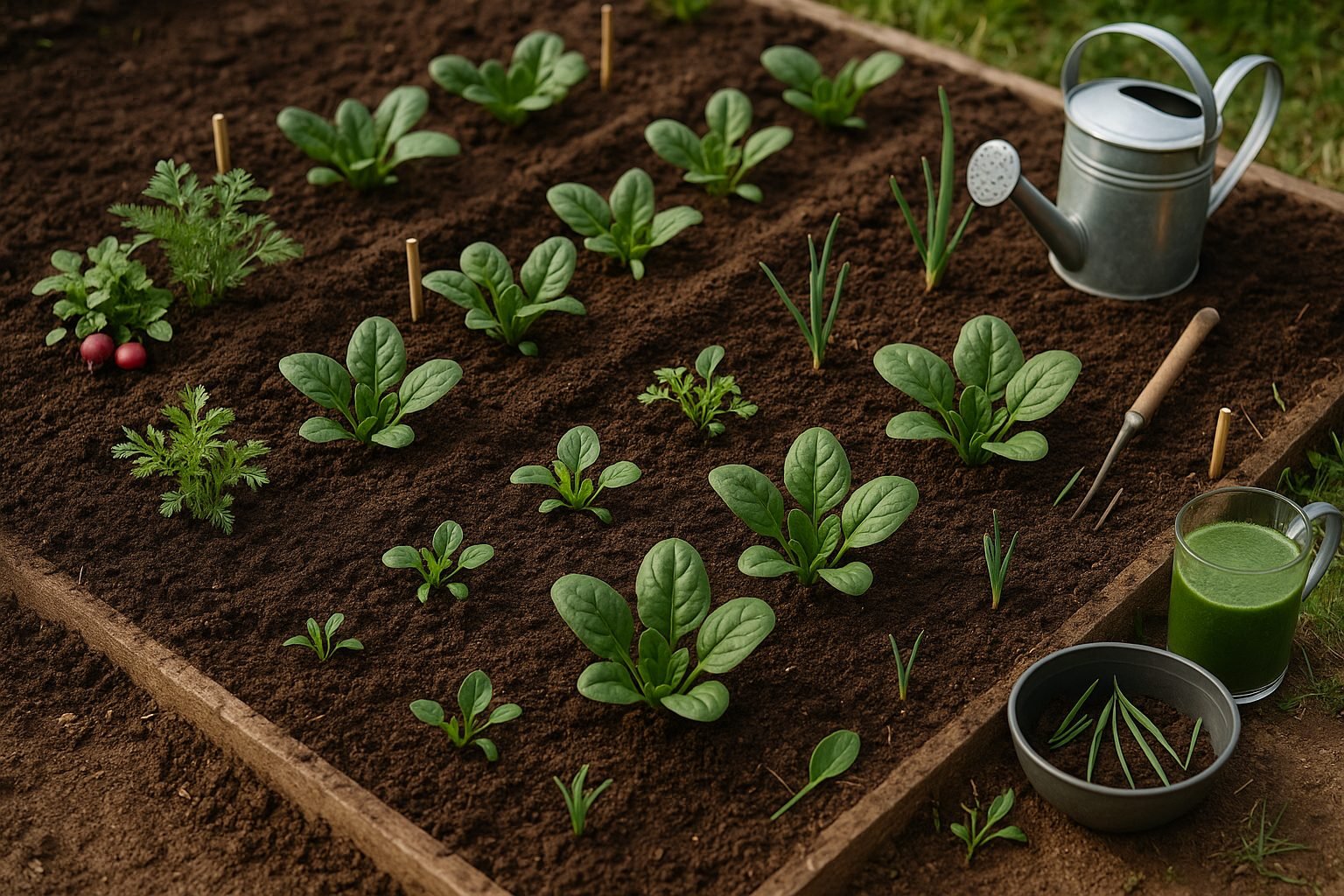
To make your spinach companion planting successful, start with smart spacing—give spinach about 3-4 inches between plants and leave 12 inches between rows so each plant gets enough airflow and light, which helps reduce disease.
Practice crop rotation by avoiding planting spinach after other leafy greens or plants in the beet family, as this discourages soil-borne pests and nutrient depletion.
When using succession planting, sow a small batch of seeds every two weeks in the spring and fall so you have a steady harvest instead of a single glut.
Before planting, enrich the soil with compost to help spinach and its companions thrive, and make sure the bed drains well, as spinach dislikes soggy roots.
Water regularly, especially during dry spells, and plant spinach somewhere it will get partial shade if you live in a hotter climate—companion plants like taller peas or bush beans can help provide dappled shade in mixed beds.
Beginners can get great results with combinations like spinach and radishes: radishes sprout quickly, breaking up the soil for tender spinach roots, and both have similar moisture needs.
Spinach also pairs well with carrots, onions, and strawberries, which help deter pests while making efficient use of garden space.
Keep it simple, observe your garden’s responses, and you’ll quickly discover the joys of companion planting with spinach.