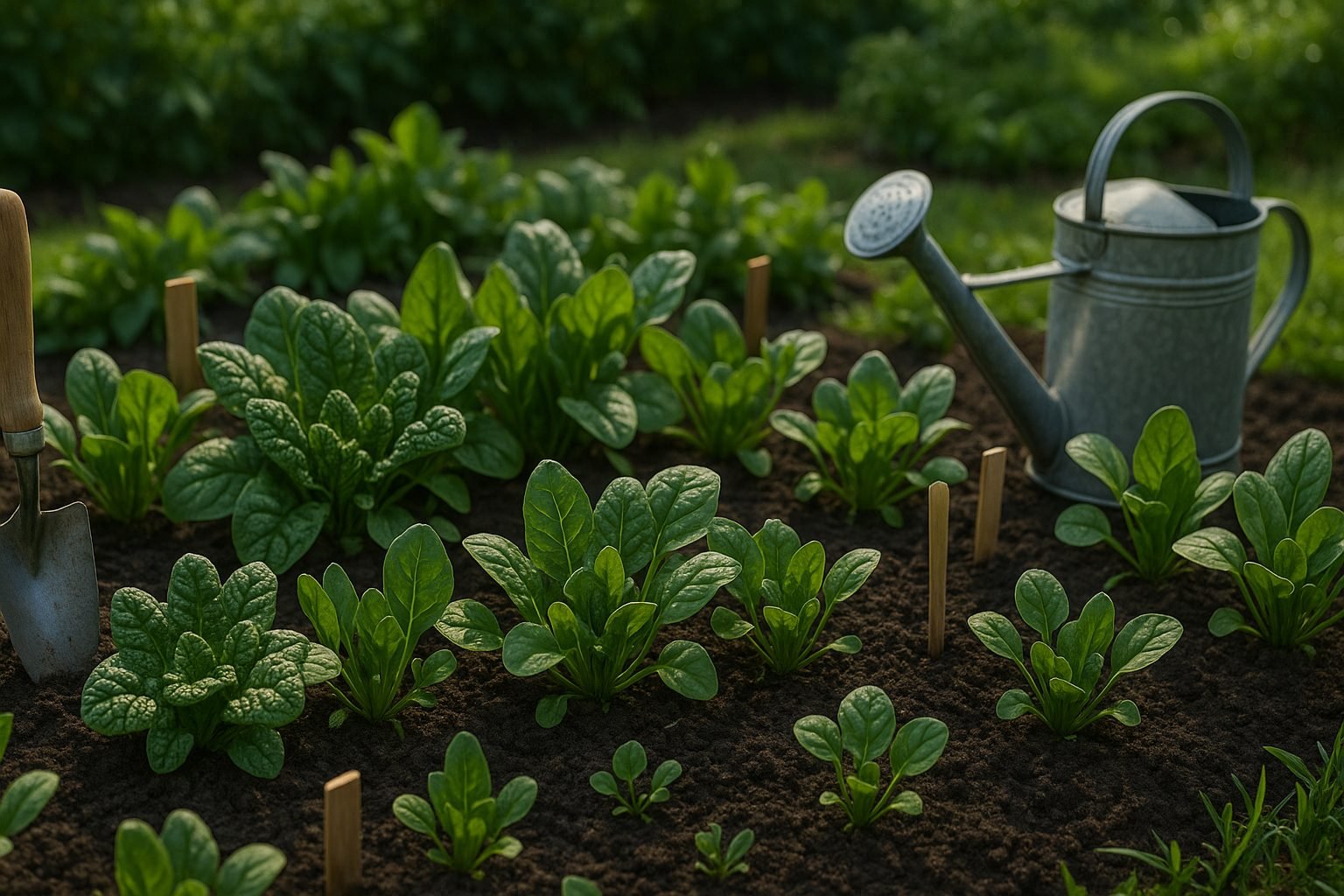
Introduction
When it comes to growing your own leafy greens, discovering the best spinach varieties can make all the difference between a steady harvest and a disappointing crop. Spinach is beloved by home gardeners for its rich nutrients—packed with iron, vitamins, and antioxidants—and because it thrives in both spring and fall gardens. But with a range of types to choose from, selecting the right variety for your specific climate, taste preferences, and gardening style is crucial. Will you go for slow-bolting savoy varieties, tender baby leaves, or heat-tolerant hybrids? Choosing wisely means a longer harvest window and healthier, more flavorful leaves on your table.
In this article, we’ll walk you through the best spinach varieties for home gardens, so you can decide which is right for your backyard or containers. We’ll also dive into succession planting techniques—such as staggering your sowings or mixing varieties—to ensure a constant supply of fresh greens. Plus, you’ll get expert tips on soil prep, pest control, and watering, so even beginner gardeners can enjoy a lush and productive spinach patch. Whether you like your spinach young and tender or robust and crinkled, you’re sure to find the perfect match for your garden.
Understanding Spinach Varieties
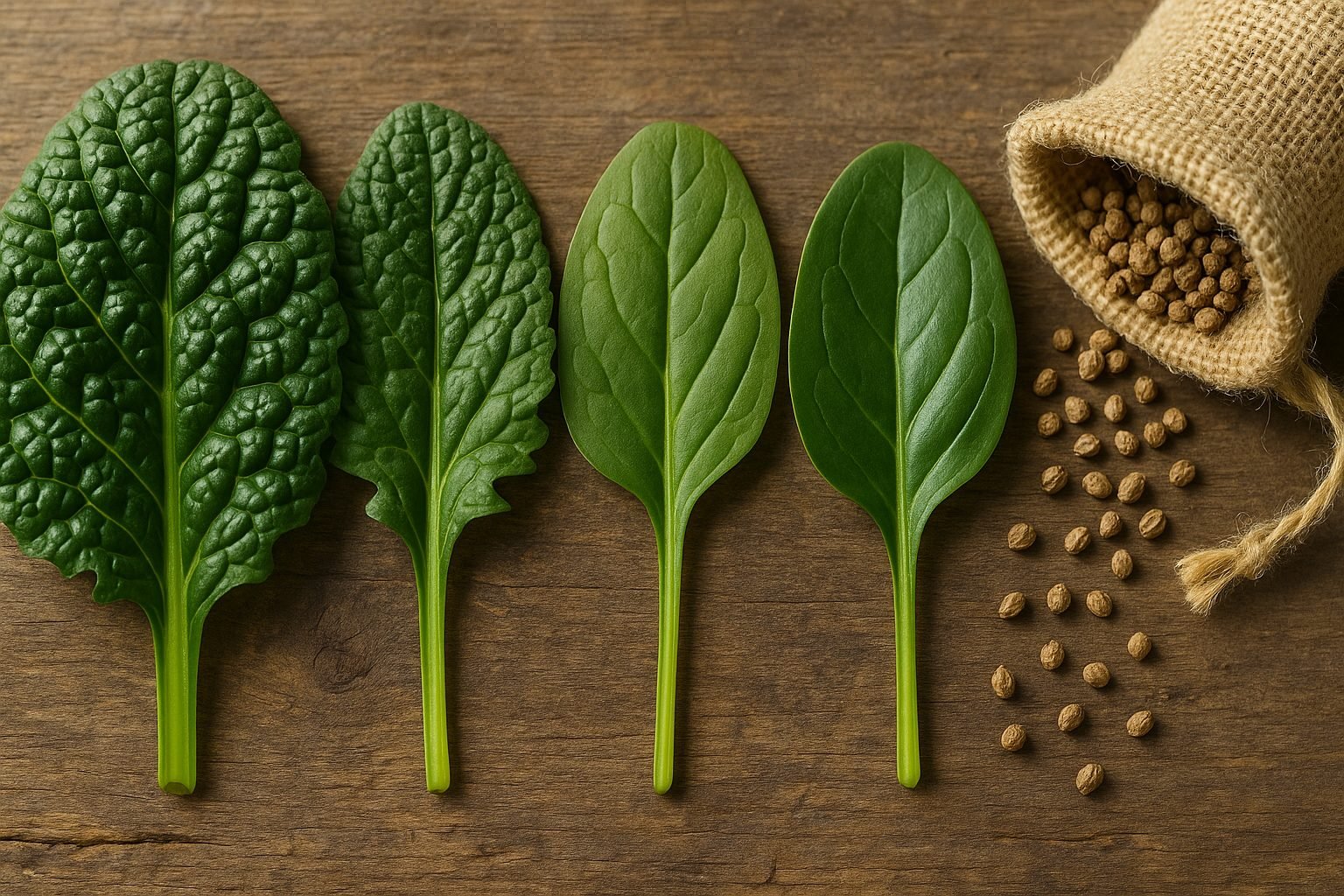
When shopping for spinach, you might notice a few different types—each with its own strengths in the garden and the kitchen. Savoy spinach, with its dark green, heavily crinkled leaves, stands out for its robust flavor and sturdy texture, making it a favorite for cooked dishes like casseroles or sautés. Because the leaves hold up well to heat, savoy is perfect for recipes where spinach needs structure. However, those deep wrinkles tend to trap soil, so be sure to rinse it thoroughly before using.
Semi-savoy spinach is a versatile hybrid that balances the bumpy texture of savoy with the smoother, easier-to-clean leaves of flat-leaf types. It offers slightly better disease resistance than flat-leaf, making it a smart choice for home gardeners who want less maintenance and fewer pesticide concerns.
Flat or smooth-leaf spinach, commonly found in salad mixes and frozen spinach bags, has broad, tender, and almost glossy leaves, making it quick to wash and ideal for raw applications like salads and sandwiches. Flat-leaf is typically the mildest tasting and least bitter, which appeals to picky eaters and kids.
Growing Considerations
In terms of growing, savoy and semi-savoy spinach tend to show greater resistance to common spinach diseases such as downy mildew, which is a big plus if you’re looking to cultivate your own supply without heavy intervention. Flat-leaf types may be a bit more susceptible, so you might need to pay closer attention to planting conditions and crop rotation.
Specialty Spinach Lookalikes
For an extra twist or to overcome hot summer temps, consider branching out with specialty spinach lookalikes:
- New Zealand spinach (Tetragonia): Not a true spinach but thrives in heat where regular spinach would wilt. It offers tender, triangular leaves with a similar mild flavor and endless uses in salads or stir-fries.
- Malabar spinach (Basella alba): Another heat-loving alternative, boasting glossy, vining leaves that can be harvested throughout summer. Its slightly peppery taste and succulent texture work especially well in Asian-inspired recipes or as a vibrant sauté green.
Whether you love the crisp bite of fresh salad or the deep flavors of cooked greens, exploring spinach varieties lets you enjoy the best of every world—plus a little extra resilience in your garden and variety on your plate.
How to Choose the Right Spinach Variety
Choosing the right spinach variety starts with understanding your local climate and the season you’ll be planting in. For spring sowings in cool climates, fast-growing, bolt-resistant varieties like Bloomsdale Long Standing or Butterflay are ideal—these resist early heat, giving you tender leaves before summer temperatures set in.
If your springs warm up quickly, prioritize varieties specifically labeled for bolt resistance.
For summer or early fall sowings, Tyee and Space are great main-season choices, well-known for resisting bolting and mildew.
For late sowings or overwintering in mild climates, look for hardy options like Winter Giant or Matador; these can be sown in late summer or early fall and harvested well into winter when protected with a cold frame or mulch.
Taste and texture also matter—Galilee offers a mild flavor and silky baby leaves perfect for salads, while more robust, crinkled varieties like Regal hold up well in sautés or soups.
For baby leaf production, opt for varieties bred for quick, uniform growth such as Corvair or Seaside.
Double-check your intended use:
- Tender, flat-leaf types are perfect raw.
- Thicker, savoy-leaved varieties are heartier and shine when lightly cooked.
No matter your choice, invest in quality seeds from a reputable supplier—fresh, disease-free seeds ensure reliable germination and a healthy crop.
Spinach Succession Planting for Continuous Harvest
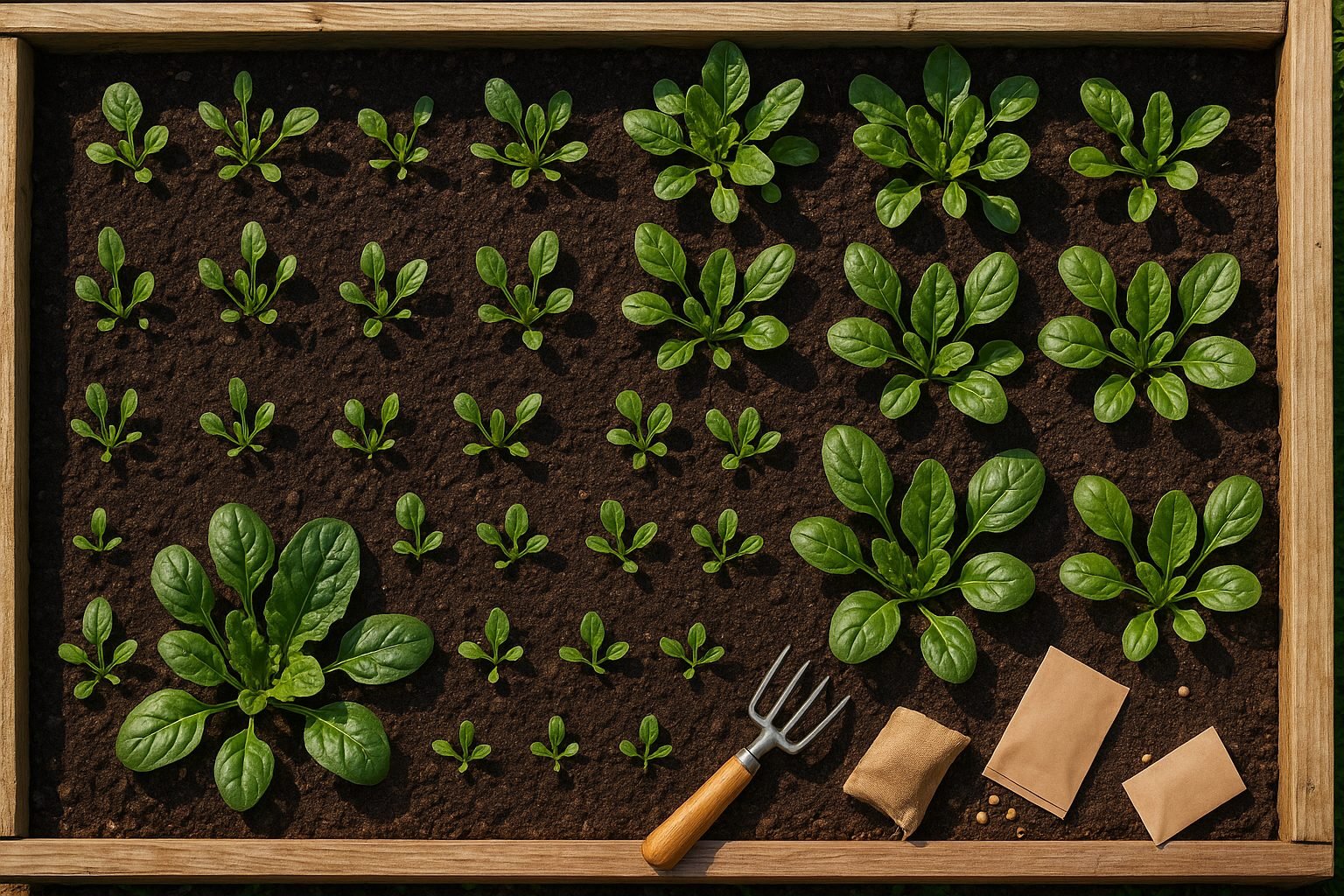
Succession planting is a smart gardening strategy that involves sowing small batches of seeds at regular intervals instead of planting a whole row at once. For spinach, this approach means you’ll enjoy a steady supply of tender leaves over a long season, rather than a glut followed by nothing. The key benefit is simple: your kitchen never runs out of fresh spinach, and you avoid waste from a one-time harvest.
To set up a productive spinach succession schedule, start your first sowing as soon as the soil can be worked in early spring—often 4 to 6 weeks before your area’s last frost. Sow seeds every 2-3 weeks until late spring, then pause during the hottest part of summer if you’re in a warm climate, since spinach tends to bolt (go to seed) in high temperatures.
In cooler climates, you might be able to keep sowing right through summer or pick up again with fall plantings about 6-8 weeks before your average first frost.
Planting Tips
For best results, plant spinach seeds about 1/2 inch deep and 2 inches apart in rows spaced 12-18 inches apart; this gives young plants room to breathe and makes it easier to snip leaves for harvest while keeping roots undisturbed. If you’re growing in wide beds instead of single rows, try staggering your plantings in blocks or zigzag patterns so you can reach all the plants easily when it’s time to harvest.
Always check your seed packet for specific recommendations—varieties differ in heat tolerance and daylight sensitivity.
Managing Heat and Bolting
Pay close attention to weather forecasts and your local daylight hours, as hot or very long days can cause spinach to bolt faster. Using shade cloth during midday heat or planting in partial shade can extend the season.
If you observe unusually slow growth or early bolting, tweak your timing for the next cycle or switch to bolt-resistant spinach varieties suited to your local conditions.
Ultimately, by planning ahead and adjusting as you go, you can keep fresh spinach coming to your table from the earliest spring sprouts to the final fall harvest.
Season Extension and Winter Spinach Production
Extending your spinach growing season is easier than you might think, thanks to a few reliable tools and methods. Row covers are lightweight, breathable fabrics you can drape directly over spinach beds to trap warmth and protect leaves from frost; they’re inexpensive and quick to use, making them perfect for home gardens.
Cold frames, essentially mini greenhouses with clear tops that allow sunlight in while holding heat, can keep your spinach cozy and growing long after autumn frosts begin. Just open them on sunny days to prevent overheating and close them before evening chills.
For serious season extension, hoop houses (also called high tunnels) offer more room and better insulation, creating a microclimate ideal for thriving winter spinach.
Choosing the Right Varieties
If you’re aiming to harvest spinach well into the cold months, choose hardy varieties like Winter Bloomsdale, Tyee, or Giant Winter, all bred to withstand low temperatures and bounce back after a freeze. One bonus: spinach grown in chilly weather actually becomes sweeter, as the plant produces more sugars to act as natural antifreeze.
Watering and Protection Tips
During the colder months, spinach needs less frequent watering—soak deeply but less often, since moist soil holds heat better than dry. However, avoid soggy conditions that can lead to rot. Protect seedlings from harsh winds and heavy snow by anchoring row covers securely or adding an extra layer on especially frigid nights.
Thinning and Spacing
Thinning seedlings remains important even in winter, since crowded plants are more susceptible to disease and poor airflow; leave about 3-4 inches between each plant for the best results.
By combining these simple tactics, you can enjoy crisp, sweet spinach—sometimes straight from the snowy garden—for months beyond the usual season.
Caring for Your Spinach Crop
To grow healthy, flavorful spinach, start with well-drained, nutrient-rich soil that’s slightly acidic to neutral (pH 6.0–7.5). Work in compost before planting to boost fertility, as spinach is a relatively heavy feeder.
Keep the soil evenly moist but not waterlogged—aim for about one inch of water per week, using mulch to help with moisture retention and temperature control. Fertilize lightly with a balanced or nitrogen-rich organic fertilizer every few weeks, but avoid overfeeding, as too much nitrogen can make leaves taste bitter.
Stay vigilant against weeds, which compete for nutrients; hand-pull regularly or mulch around plants to suppress their growth. Pests like aphids and leaf miners can be deterred with row covers or gentle sprays of soapy water, while regular inspection helps you catch issues early.
Preventing Bolting
A major concern is bolting—when spinach starts to flower and turns bitter—triggered by warm temperatures or long days. To prevent this, plant spinach early in spring or late in summer for a fall crop, and provide partial shade during hot spells.
Managing Diseases
Downy mildew, a common fungal disease, appears as yellow spots and fuzzy growth on leaves. Choose resistant varieties and space plants for good air circulation to reduce risk, and avoid overhead watering.
Harvesting Tips
Harvest spinach by snipping outer leaves once they reach a usable size, allowing the center to keep growing, or cut the entire plant for a single harvest once it forms a full rosette. Picking regularly encourages new growth and ensures the leaves stay tender and sweet.
By following these care tips and staying proactive about potential problems, you’ll enjoy a bountiful harvest of fresh spinach packed with flavor and nutrients.
Frequently Asked Questions about Growing Spinach
If you’re new to growing spinach, you probably have a few questions about getting it right. One common concern is bolting, which is when spinach shoots up flower stalks and the leaves become bitter. This usually happens in hot weather or when the days get longer. To avoid this, try planting spinach early in spring or during the cooler fall months.
To keep your plants compact and leafy, choose bolt-resistant varieties and provide some afternoon shade if possible.
Another frequently asked question is whether you should soak spinach seeds before planting. Soaking them in water overnight can speed up germination, especially if you’re planting in cool or dry conditions, but it’s not strictly necessary.
Spinach is generally easy to grow—just remember it prefers rich, well-drained soil, consistent moisture, and cool temperatures.
If your seedlings are struggling, they may be too crowded. Thin them to about 3–4 inches apart to promote healthy growth.
Watch out for yellowing leaves, which can be a sign of overwatering or poor drainage. Allow the soil to dry slightly between waterings and avoid letting water sit at the base of the plants.
If pests like aphids or leaf miners become a problem, try blasting them off with a hose or remove the affected leaves.
With these simple tips, even beginners can enjoy a steady crop of vibrant, delicious spinach throughout the growing season.
Conclusion
Choosing the right spinach varieties and planning thoughtful succession planting can transform your garden, keeping you supplied with fresh, tender greens throughout much of the season. By mixing heat-tolerant types with quick-growing baby leaf varieties and staggering your planting dates, you’ll enjoy steady harvests and reduce the risk of bolting in warm weather.
Don’t be afraid to experiment with different spinach types each year—even small changes can lead to tastier salads and healthier plants! If you have questions or want to share your own spinach growing experiences, feel free to comment below.
For more detailed advice, check out seed catalogs for variety descriptions or reach out to your local cooperative extension office for region-specific guidance. Happy gardening, and may your spinach patches be abundant and delicious!