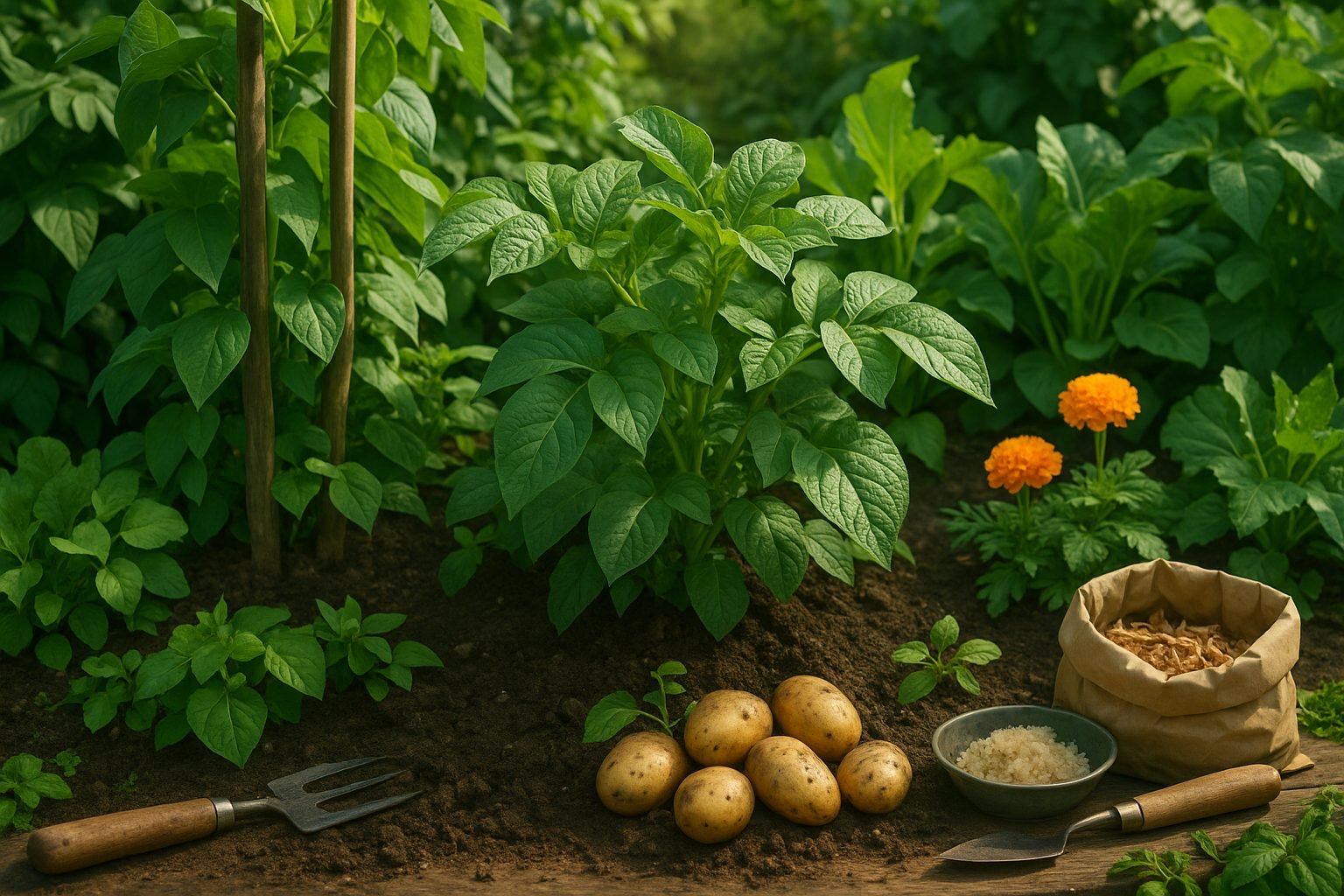
What Is Companion Planting?
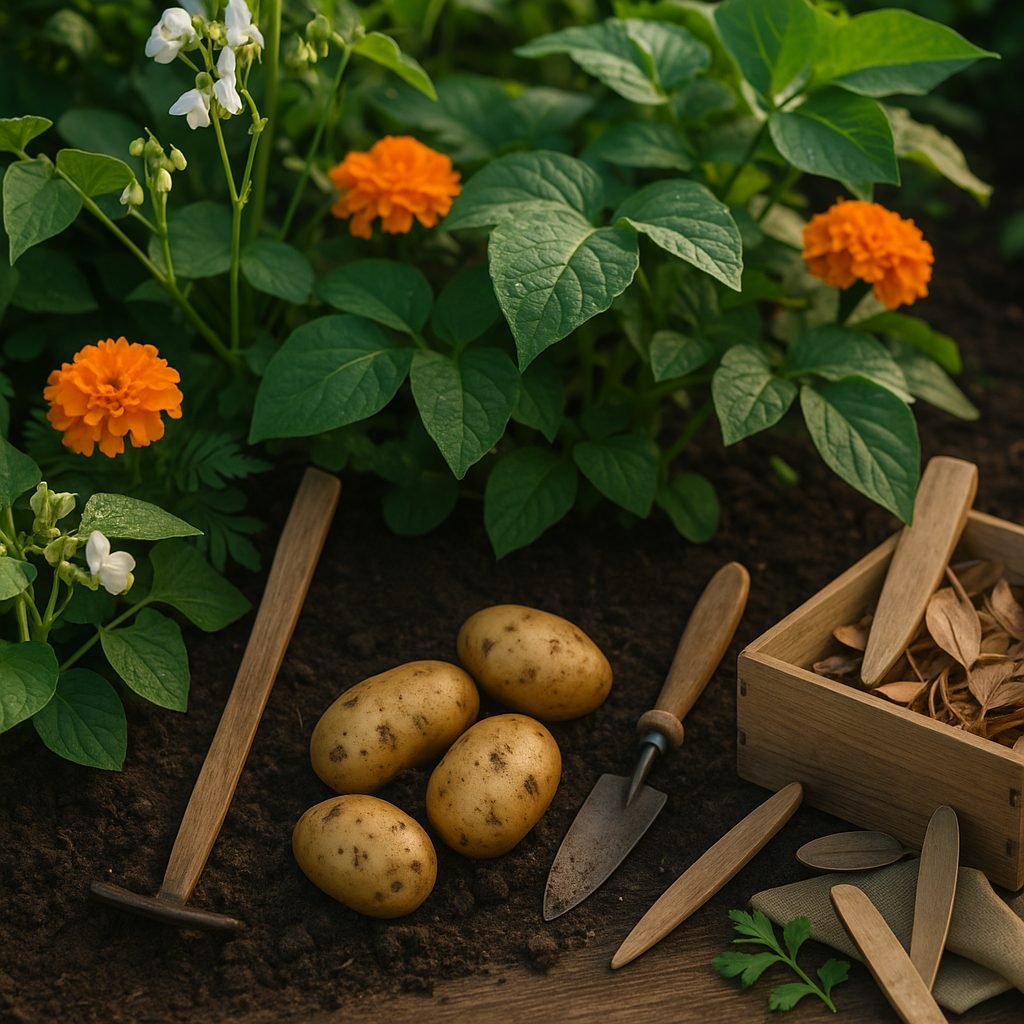
potato companion plants are a popular topic among gardeners looking to boost their potato harvests naturally. But what exactly is companion planting? In basic terms, companion planting is the practice of growing different plants together in a way that helps them support and benefit each other. Think of it as nature’s own form of teamwork—plants aren’t just green decorations, but active participants in each other’s health.
For generations, gardeners and farmers have noticed that some plant combinations simply do better together. Traditional agricultural systems, from Native American “Three Sisters” gardens (corn, beans, squash) to medieval European herb beds, used these insights to protect crops and improve yields without chemicals.
So why do gardeners use companion planting today? The practice helps attract beneficial insects (like ladybugs or bees), deter pests (such as aphids), and even improve soil nutrients. For example, growing potatoes with plants like beans or peas adds nitrogen to the soil, making it richer and more fertile for your spuds.
Some companion plants, like marigolds, can also keep nematodes and beetles at bay, reducing the need for pesticides. Companion planting isn’t just about defense, though—it can optimize space in your garden, improve pollination, and encourage stronger, healthier growth overall. By observing and mimicking these age-old botanical partnerships, even beginner gardeners can give their potatoes a real advantage, with less fuss and more flavor at harvest time.
Key Benefits of Companion Planting for Potatoes
Companion planting offers several practical benefits for anyone growing potatoes, making it a favorite technique among seasoned gardeners and beginners alike.
One key advantage is natural pest control; certain companion plants like marigolds and nasturtiums emit scents or chemicals that repel common potato pests such as aphids or Colorado potato beetles, helping to prevent infestations without relying on pesticides.
Beans and peas are also great companions since they fix nitrogen in the soil, enriching it naturally and leading to healthier, more robust potato crops.
Improved yields are another bonus, with plants like horseradish planted at the rows’ edges strengthening potatoes’ disease resistance, particularly against blight.
Planting potatoes alongside lettuce or spinach makes efficient use of garden space because these leafy greens mature quickly and can be harvested early, giving the potatoes more room to grow later in the season.
This smart spacing not only boosts your harvest, but also shades the soil, suppresses weeds, and keeps moisture in—cutting down watering needs.
Plus, relying on these natural interactions helps reduce the need for chemical fertilizers and pesticides, making for healthier produce and a safer garden environment for pets, kids, and pollinators.
For gardeners looking to maximize yield, enhance soil health, and keep potato crops thriving with less effort and expense, companion planting is a simple, eco-friendly strategy that really delivers real-world results.
Best Companion Plants for Potatoes
Companion planting can give your potato patch a natural boost—helping you ward off pests, enrich the soil, and even improve potato flavor. Beans are a classic combo because they’re “nitrogen fixers.” They partner with soil bacteria to convert atmospheric nitrogen into a form plants can use, feeding hungry potatoes as they grow. Bush beans are especially good, but keep them at the edges of potato rows to avoid competition for underground space.
Cabbage family plants—like cabbage, kale, and broccoli—pair well with potatoes because their scents confuse common pests like aphids and flea beetles; just give each enough elbow room so crowded roots don’t stunt both crops. Horseradish is a time-honored addition, often planted at the corners of a potato bed; it’s believed to ward off the dreaded Colorado potato beetle with its pungent roots, and some gardeners swear it intensifies the potatoes’ flavor.
Marigolds are famous for their natural pest-fighting powers, releasing compounds that deter nematodes and beetles; interplant them between potato rows or borders for a cheerful and practical touch. Basil might seem an unusual match, but some evidence suggests its strong aroma can confuse whiteflies and thrips, and it’ll thrive in similar conditions—just ensure it gets enough sun beside taller potato foliage.
For effective layouts, plant potatoes in wide rows with companion flowers and herbs as borders, or mix in clusters of beans and cabbage between hills for staged harvests. Avoid planting potatoes near tomatoes, peppers, or eggplants, since they share diseases, but consider the classic Three Sisters adaptation—beans, potatoes, and corn—in alternating rows for multi-layer pest resistance and nutrient cycling.
While not every partnership is proven by hard science, centuries of gardening tradition back these plant friendships, making them a reliable and simple way to boost your potato yield and garden health.
Plants to Avoid Growing With Potatoes
When planning your potato patch, it’s important to know which plants don’t get along well with spuds. Tomatoes, peppers, and eggplants—all members of the nightshade family like potatoes—might seem like natural neighbors, but they actually compete for similar nutrients and are prone to the same blights, such as late blight and early blight. These diseases can quickly spread from crop to crop, wiping out an entire harvest.
Another big no-go is planting potatoes near members of the squash or cucumber family. These plants tend to sprawl and can shade out potatoes, slowing their growth and reducing yields. Meanwhile, sunflowers are notorious for secreting chemicals that inhibit the growth of potatoes—a classic case of allelopathy.
Carrots are another tricky companion because they grow deep and compete for space underground, which can lead to misshapen tubers. Beans and peas increase nitrogen levels in the soil, which ironically encourages potato plants to put energy into leaves rather than tubers.
Experienced gardeners often warn that pairing potatoes with onions or garlic isn’t wise either—both can attract pests that devastate potato leaves.
One cautionary tale from home gardens: a gardener planted potatoes right next to tomatoes one year, only to lose both crops when blight swept through after a rainy summer.
Keeping these examples in mind, it’s better to give potatoes their own plot or at least keep them away from these incompatible neighbors. This will ensure healthier plants and a better harvest.
Simple Companion Planting Tips for Potato Growers
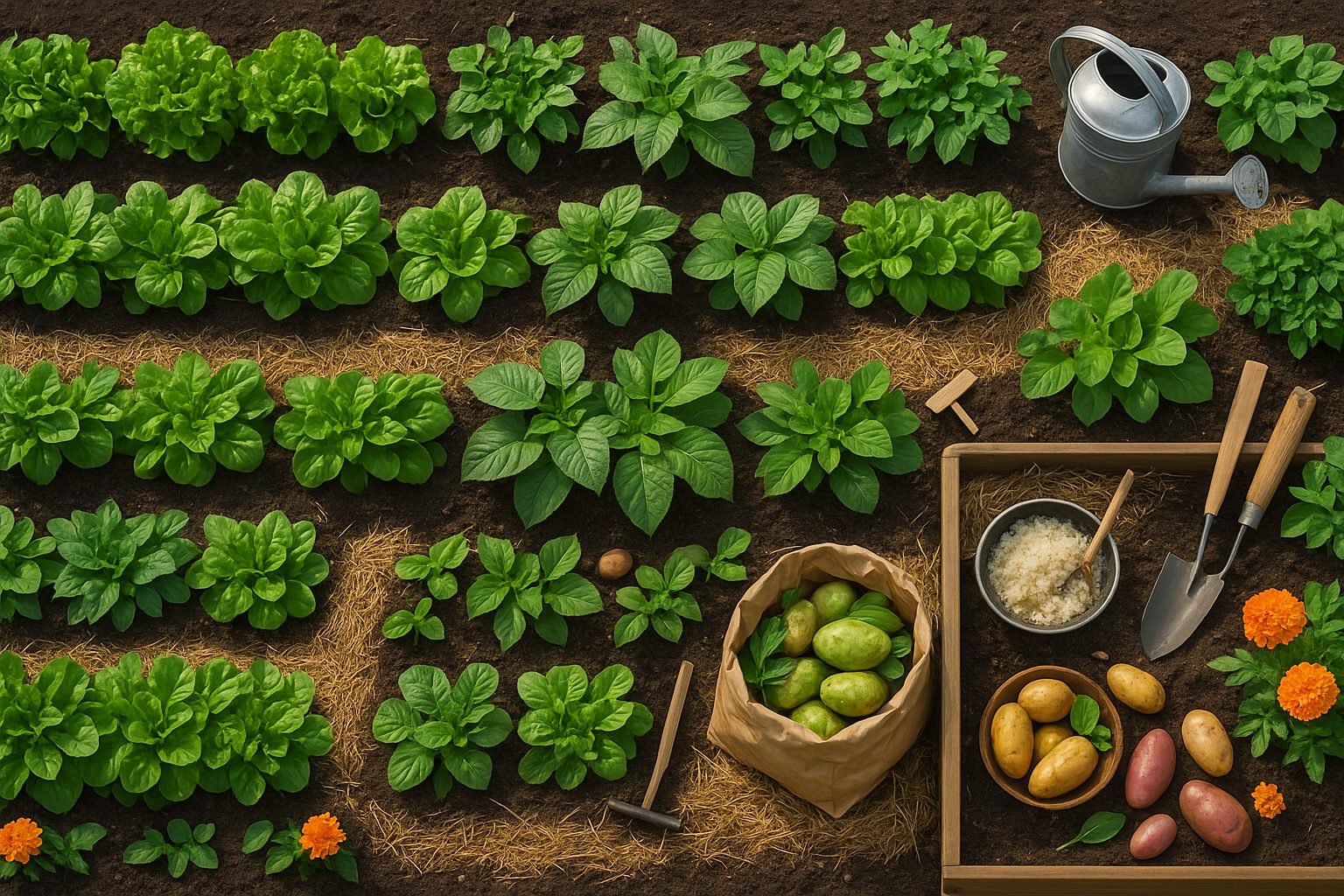
Companion planting can make a noticeable difference in your potato patch, but success starts with smart planning. When selecting companions like beans, corn, or cabbage, give potatoes room to spread: leave at least 12–15 inches between potato plants and the same distance to their companions. This lets tubers develop freely while minimizing competition for water and nutrients.
Pair potatoes with low-growing crops such as lettuce or spinach to maximize space without shading out the potato foliage. Avoid planting potatoes near tomatoes or peppers since they share similar pests and diseases, risking a quick spread through your garden.
Protect everybody’s health by mulching with straw or grass clippings, which preserves moisture, blocks weeds, and creates a friendly habitat for beneficial insects that target aphids and Colorado potato beetles. When watering, make sure that all companions share similar needs—ideally, moderate moisture for most of the growing season—and water at the base to prevent fungal issues from wet foliage.
If leaves yellow unexpectedly or you spot leaf curling, check for pests beneath leaves or consider soil testing for possible nutrient imbalances; adjust with organic amendments as needed. Should you spot early blight or wilting, promptly remove and dispose of affected plants to limit spread, and rotate crops each season to break pest cycles.
Regularly inspect your garden for signs of crowding as companions mature, thinning them out if necessary to ensure everyone has enough light and airflow. With a little foresight and attentive care, companion planting can boost potato yields, cut down on pests, and create a balanced, thriving garden ecosystem—all while saving you space and effort.
FAQs About Potato Companion Planting
Gardeners often wonder which plants make the best companions for potatoes. Some great choices include beans, corn, and cabbage—these not only help deter pests but can also enhance overall growth. For example, beans fix nitrogen in the soil, benefiting potatoes, while cabbage’s strong scent helps ward off certain insects.
On the flip side, you’ll want to avoid planting potatoes near tomatoes, peppers, or eggplants since they’re all part of the nightshade family and can attract the same diseases, making your crops more vulnerable.
Another common question is whether marigolds are useful companions for potatoes; the answer is yes—marigolds can help control nematodes and repel beetles.
Many gardeners are also curious about spacing: as a rule of thumb, space potatoes about 12 inches apart and plant companion crops far enough away so they don’t compete for sunlight or water, but close enough to offer pest control or support.
For more detailed guides, check out university extension websites or books like Carrots Love Tomatoes by Louise Riotte, which is a classic on companion planting strategies. Connecting with local gardening groups online can also be a great way to get region-specific tips and firsthand experience from fellow potato growers.