
Why Potatoes Turn Green
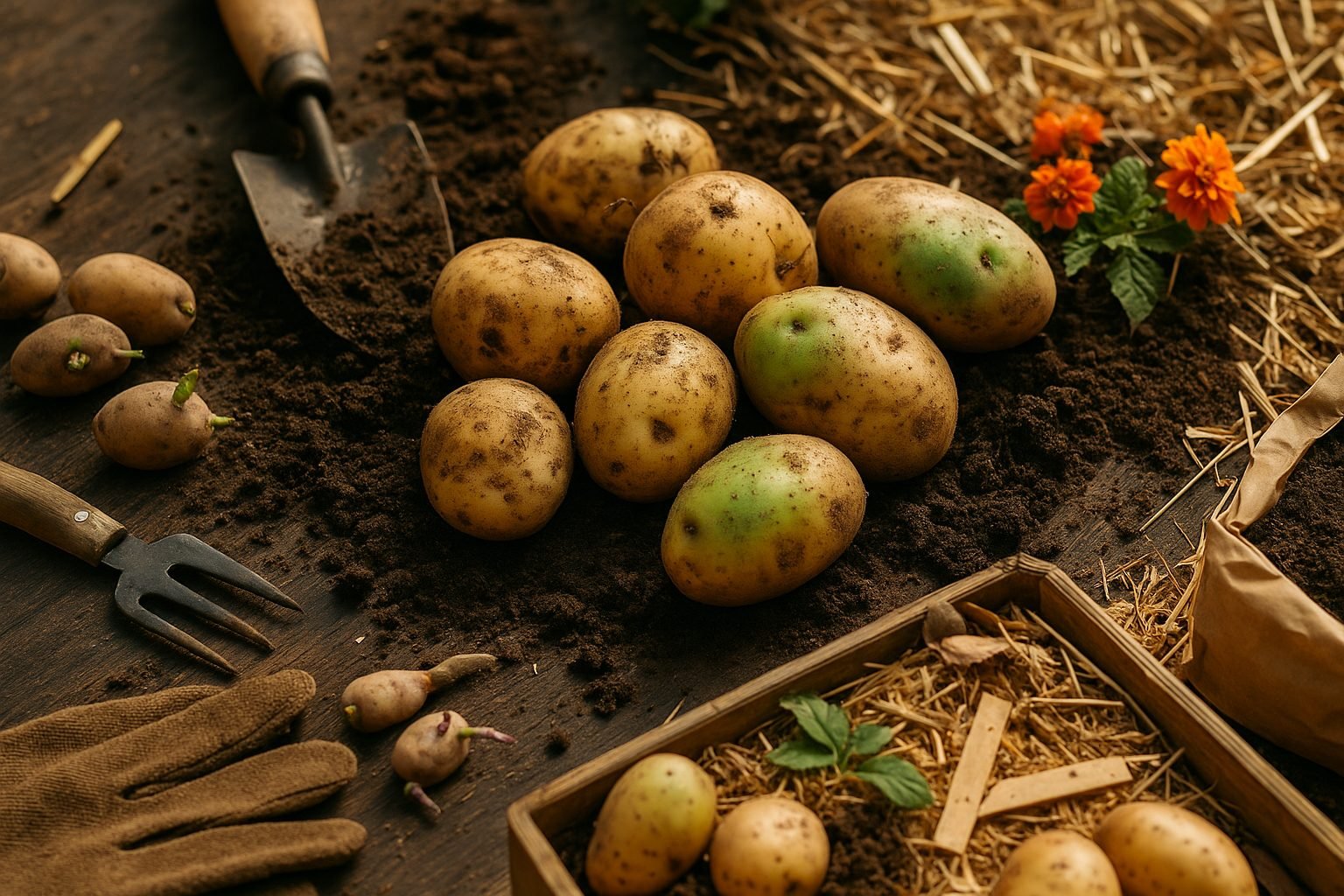
If you’ve ever reached into your pantry and found a potato tinged with an unusual green hue, you might wonder what causes this—and more importantly, how green potato prevention can help protect your meals and your health. When potatoes turn green, it’s not just an aesthetic issue. This greening is a result of chlorophyll production, a natural biological process that occurs when potatoes are exposed to light. Chlorophyll itself is harmless (it’s the same pigment that gives plants their green color), but its presence indicates that other, more dangerous compounds—like solanine—might also be forming.
Why Potatoes Turn Green
Understanding why potatoes turn green is key to avoiding waste and preventing foodborne illness. Potatoes grow underground, away from sunlight. However, factors like exposure to artificial or natural light during storage or even at the grocery store can trigger chlorophyll to develop just under their skin. This is especially common if potatoes are stored in places that are too bright, such as near kitchen windows or under open lighting.
How to Prevent Green Potatoes
For green potato prevention, store your potatoes in a cool, dark, and well-ventilated location—think of a pantry or cupboard far from direct light sources. Even at the store, choose bags that shield potatoes from light or pick from bins that aren’t exposed.
Key Tips for Potato Storage
- Store potatoes away from direct sunlight and bright artificial light.
- Keep them in a cool, dark, and well-ventilated space like a pantry or cupboard.
- Choose packaging that protects potatoes from light when shopping.
Understanding the Risks
It’s important to distinguish between the green tint and the risk of toxicity. While chlorophyll is harmless, the same conditions that produce it also spur the growth of glycoalkaloids like solanine, which can cause nausea, headaches, or more severe symptoms when consumed in large amounts. If you notice only a small green patch, you can peel it away; however, extensive greening means it’s safest to discard the potato.
By understanding the science behind potato greening and practicing simple green potato prevention steps at home, you can enjoy your spuds both safely and deliciously.
What Is Solanine and Why Is It Harmful?
Solanine is a natural chemical compound found in potatoes and other nightshade vegetables. It acts as a defense toxin to protect the plant from pests and disease. While all potatoes contain small amounts of solanine, the levels increase significantly in parts exposed to light, which develop a greenish tint due to chlorophyll.
This green color serves as a warning sign: it often indicates that solanine levels have risen and may pose a health risk if consumed. Eating potatoes with high levels of solanine can lead to solanine poisoning, triggering symptoms such as nausea, vomiting, stomach cramps, diarrhea, headache, dizziness, and in severe cases, neurological problems and even death.
The risk is highest if you eat large amounts of green or sprouted potatoes, so always inspect potatoes for green spots or a bitter taste, and cut away any green areas before cooking and eating.
Tips to Reduce Solanine Exposure
- Store potatoes in a cool, dark place instead of leaving them out on the countertop.
- Avoid using potatoes that are heavily green or sprouting.
- Remember, cooking does not destroy solanine, so prevention is key.
Being vigilant with potato storage and preparation helps keep meals safe and healthy for you and your family.
How Much Solanine is Dangerous?
Solanine is a naturally occurring toxin found in potatoes, especially when they turn green or start to sprout. Research shows that consuming as little as 2-5 mg of solanine per kilogram of body weight can cause toxic symptoms in humans, such as nausea, vomiting, diarrhea, and, in extreme cases, neurological problems.
The average peeled potato contains less than 0.2 mg/g of solanine, but levels can spike up to 1 mg/g or more in green or sprouted potatoes. This means eating just a few unpeeled green potatoes could put you at or above the toxic threshold, especially for children.
In general, symptoms of solanine poisoning have been reported at total doses of 20-40 mg for adults and can be life-threatening at 200 mg or higher.
How to Stay Safe
To play it safe, follow these tips:
- Avoid eating potatoes that show green discoloration, have sprouted, or taste bitter—these are signs of elevated solanine.
- Always peel and trim away any green patches or sprouts before cooking.
- If a potato is extensively green or sprouted, it’s best to throw it out—no culinary trick can remove solanine once levels are high, and cooking does not reliably destroy this toxin.
Proper Storage
When storing potatoes, keep them in a cool, dark place to minimize greening and sprouting. Regular visual checks can help you catch problem areas early.
By being mindful of how potatoes look, taste, and are stored, you can easily reduce any risk of solanine exposure for you and your family.
What to Do with Green Potatoes
When you spot green patches on your potatoes, it means they’ve been exposed to light and developed solanine, a natural toxin that can cause stomach upset or more serious symptoms if eaten in large amounts. To decide whether your green potatoes are safe to eat, start by examining how extensive the green areas are.
If only small parts of the potato skin have turned green and the flesh underneath is still white or yellow, you can usually salvage the potato by cutting away the green areas generously—about a quarter-inch beneath the skin. Peeling can remove much of the solanine since it’s concentrated near the surface, but it’s not a complete fix if the greening goes deep.
Boiling, baking, or microwaving potatoes does not destroy solanine—it’s heat-stable—so don’t rely on cooking to make green potatoes safe.
If the potato is mostly green, feels bitter, or has started to sprout, it’s safest to throw it out. For families with young children, the elderly, or anyone with a sensitive stomach, err on the side of caution and discard questionable potatoes.
Preventing Green Potatoes
Prevent problems in the first place by storing potatoes in a cool, dark place and checking your stash regularly. If you notice any potatoes turning green or sprouting, remove them promptly to protect others in the same bag.
Summary
While minor green spots can be handled with careful peeling and trimming, severely green potatoes should always be discarded to keep mealtime safe.
How to Prevent Potatoes from Turning Green
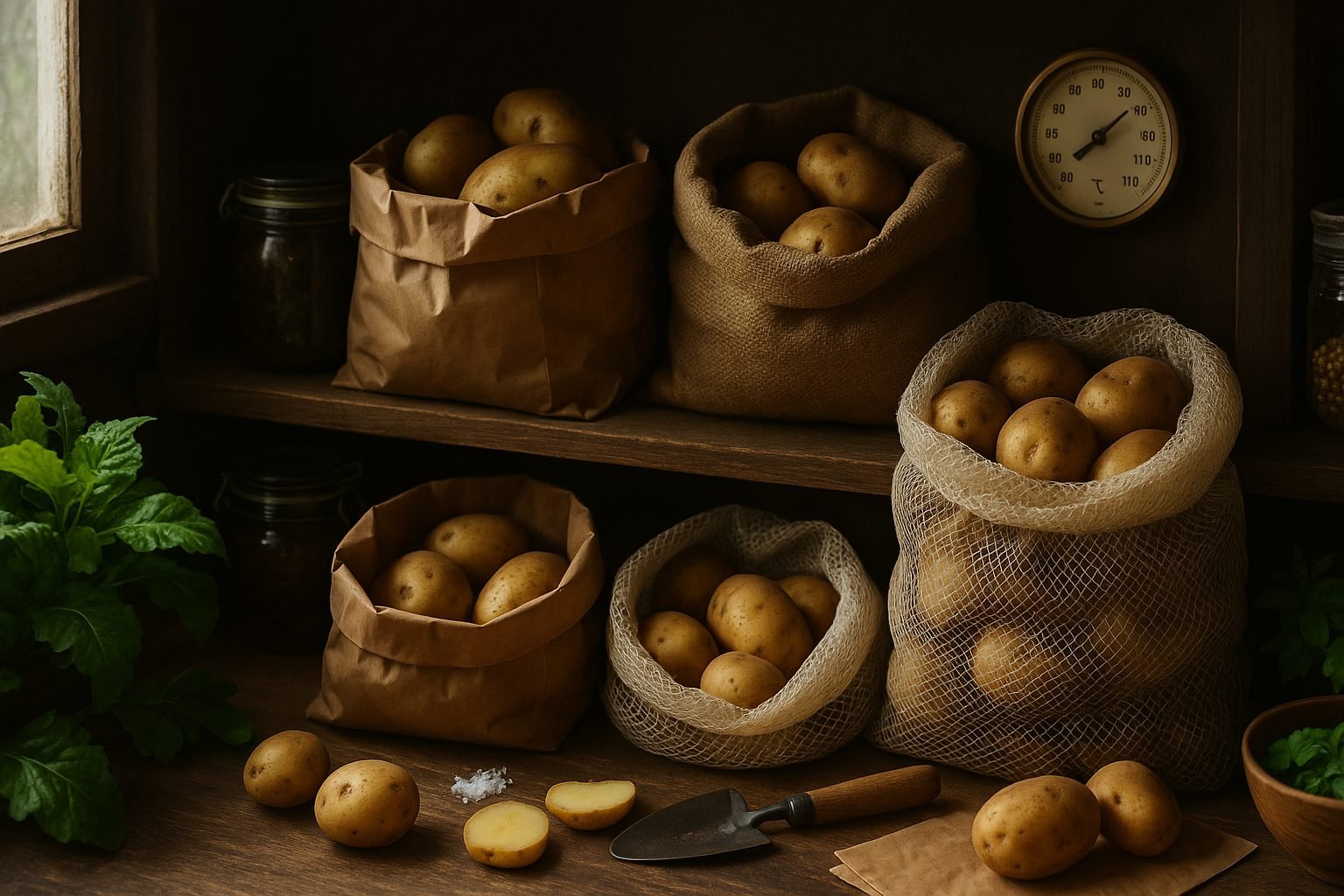
Potatoes turn green when exposed to light, which triggers the production of chlorophyll and may also increase levels of solanine, a natural toxin. To keep your potatoes from greening at home, always store them in a cool, dark place—think pantry or cupboard away from the oven or windows—where temperatures stay between 45°F and 55°F (7°C–13°C).
Avoid keeping them in the fridge, as cold temperatures can alter their flavor and texture. Also, don’t use airtight plastic bags, which trap moisture and encourage spoilage. Instead, try paper or mesh bags to allow air circulation.
For Gardeners
Start by planting seed potatoes four to six inches deep and cover them completely with soil. This helps shield new tubers from sunlight as they grow. As the potato plants sprout and grow, practice “hilling” by regularly mounding additional soil around the base of each plant to keep developing potatoes covered at all times. If any tubers become exposed, quickly cover them with more soil or mulch.
Regular Inspection
Cooks and growers alike should inspect stored potatoes regularly, removing any that show green patches or sprouting, since these can cause other potatoes to spoil faster. If you spot a bit of green on an otherwise healthy potato, simply cut it away before cooking.
By keeping potatoes in the dark, maintaining proper temperature and humidity, and checking them often, you’ll keep your spuds fresh, safe, and ready for your next meal.
Frequently Asked Questions About Green Potatoes
Green potatoes often raise questions because of their distinctive color and potential risks. The greening happens when potatoes are exposed to light, which can take as little as a few days—especially in a warm, sunny spot. This causes the formation of solanine, a toxin that’s harmful in large amounts.
If you’re considering feeding green potatoes to pets, livestock, or wildlife, it’s safest to avoid it—solanine can make animals sick, just like it can harm people. Cooking, boiling, or frying does not reliably remove this toxin, so turning green potatoes into baked goods or fries isn’t a safe workaround.
When composting, small amounts of green potatoes are generally safe—just chop them up to speed decay and keep an eye out for sprouting in your bin.
For borderline potatoes with only minor green spots, you can cut away the discolored parts extending beneath the skin, but if more than a quarter of the potato is green, it’s best to discard the whole thing. Trust your senses: if a potato smells off or feels squishy, compost it instead of risking it.
When in doubt, err on the side of caution—it’s better to lose a potato than deal with potential toxicity. Keep potatoes in a cool, dark location to prevent future greening, and regularly sort your stash so questionable spuds don’t affect the rest. This simple vigilance saves time and worry, keeping both your meals and compost safe.
The Bottom Line: Should You Eat Green Potatoes?
Green potatoes contain a substance called solanine, a naturally occurring toxin that can cause symptoms like nausea, headaches, stomach cramps, and, in severe cases, more serious health issues. Solanine builds up when potatoes are exposed to light, turning the skin or flesh green—so that green tint is your warning sign.
While small amounts of green may not harm most healthy adults, it’s safest to avoid eating green areas altogether, especially for children, pregnant women, and anyone with sensitive digestion.
If you spot a few small green patches or sprouts, you can usually cut them away along with a generous margin of the surrounding potato; however, if a potato is mostly green or tastes bitter, it’s best to toss it.
Always store potatoes in a cool, dark place, check them for green spots before cooking, and never eat or serve raw or sprouted potatoes.
When in doubt, remember—it’s better to waste a potato than risk your health. If you see green, cut it off; if there’s a lot, don’t risk it.