Foods That Are Toxic to Chickens
If you’ve ever wondered whether chickens can eat onions or if it’s safe to toss onion scraps into their run, you’re not alone. Chickens are natural foragers and often peck at a variety of kitchen scraps—however, some foods can actually do more harm than good. Chickens have sensitive digestive systems that process foods differently from humans and even other pets.
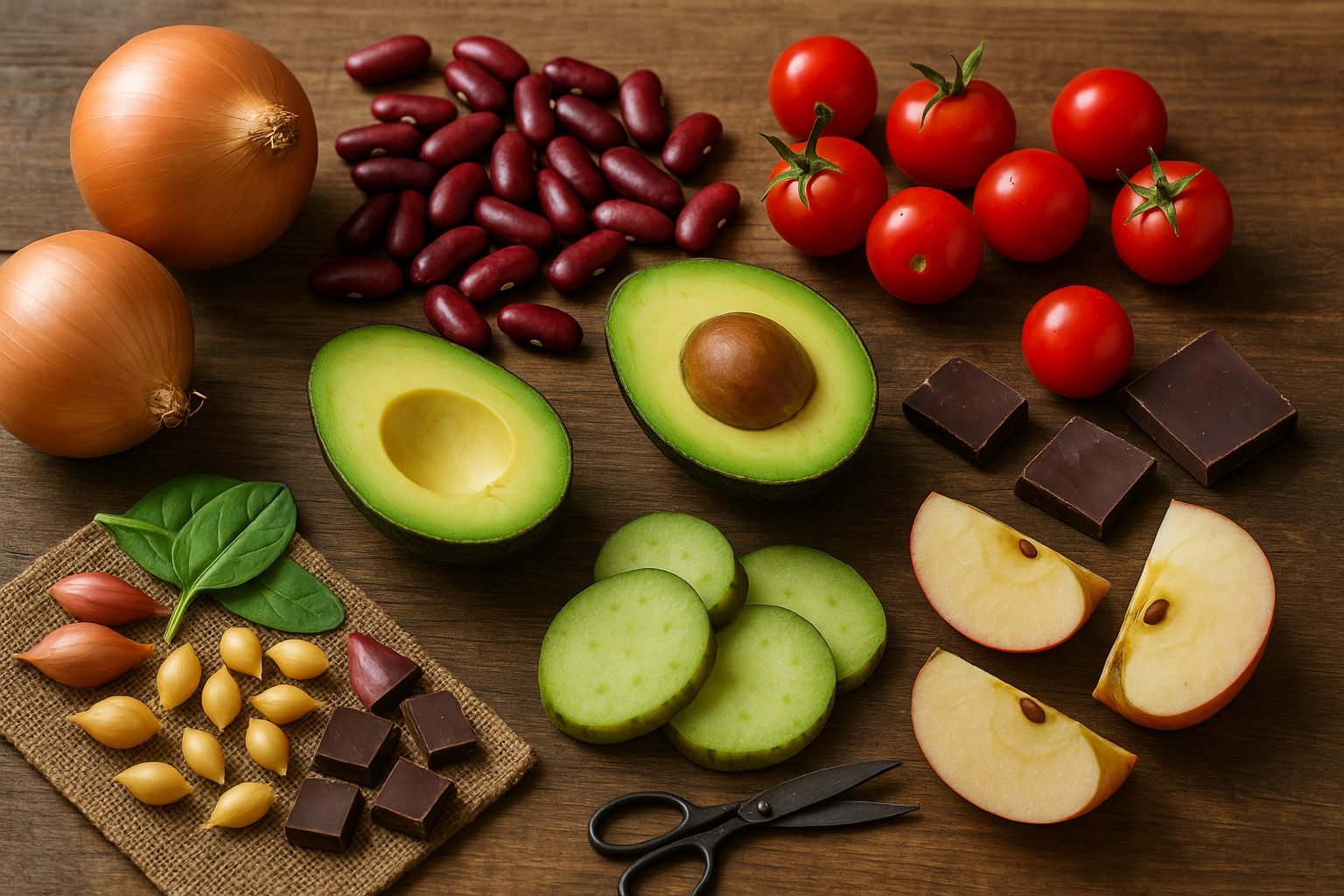
Certain foods and plants contain compounds that are toxic to chickens, interfering with their ability to absorb nutrients or even causing organ damage. For example, onions, along with raw beans, chocolate, avocado, green potatoes or tomatoes, caffeine, and the seeds or pits of fruits like apples and cherries are all on the list of dangerous foods for your flock. These substances typically contain chemicals such as solanine, cyanide, or theobromine, which are either indigestible or outright poisonous to chickens.
If a chicken ingests something toxic, you might see symptoms like vomiting, diarrhea, weakness, convulsions, difficulty breathing, or even sudden death. For instance, onions contain thiosulfate, which can cause anemia by damaging red blood cells, leading to lethargy and a pale comb.
The best approach is to stick with safe snacks like leafy greens, cooked grains, or mealworms, and keep your more questionable kitchen scraps far from the henhouse. Always double-check before introducing a new food to your chickens—when in doubt, leave it out!
Plants and Garden Hazards to Avoid
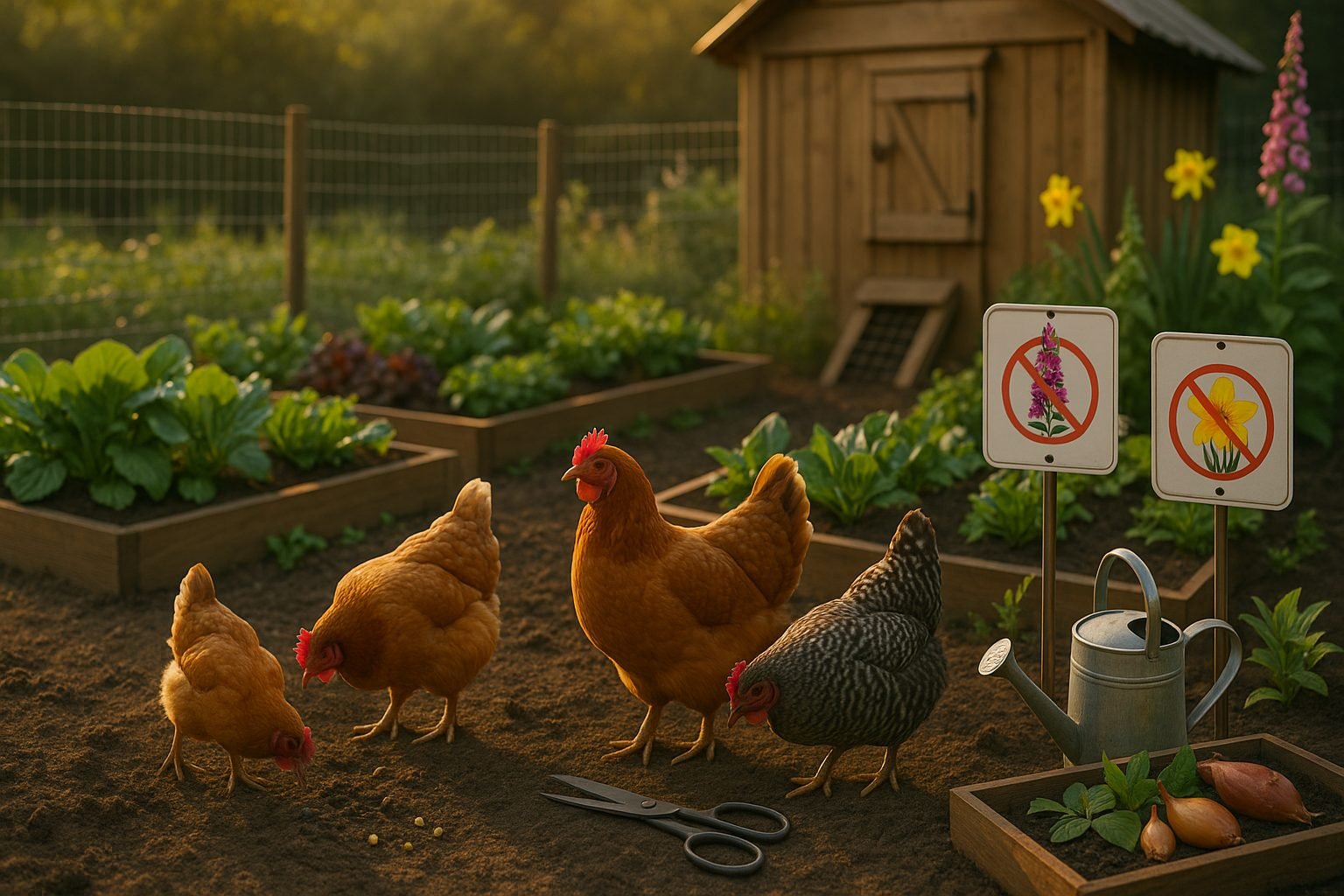
Many beautiful garden staples—like foxglove, azaleas, nightshades (such as deadly nightshade or bittersweet), rhubarb leaves, and daffodils—can be highly toxic to chickens. Even small amounts of these ornamental and wild plants can cause serious health issues, ranging from digestive upset to heart failure.
Because chickens love to forage and tend to peck at anything colorful or leafy, homesteaders and backyard flock owners need to vigilantly monitor what grows within their birds’ reach. Start by learning to identify these hazardous plants:
- Foxglove: tall spikes of bell-shaped flowers
- Azalea shrubs: clusters of bright blooms
- Nightshades: often bear small, shiny berries
- Rhubarb leaves: large, dark green, and toxic despite the edible stalks
- Daffodils: early-spring yellow or white trumpets atop slender green stems
To keep your flock safe, regularly walk your garden and run areas to remove or fence off suspicious plants, especially as the plant life changes with the seasons. If wild plants are a concern, mow or pull up volunteers before your chickens have a chance to sample them.
When adding new plants to your landscaping, double-check toxicity lists—both the ASPCA and local agricultural extensions offer helpful, region-specific advice. Lastly, provide your chickens with plenty of safe, alternative forage (like grasses, clover, and approved herbs) to reduce their temptation to nibble on dangerous greenery.
By staying vigilant and proactive, you’ll cultivate not only a thriving garden but also a healthy, happy flock.
Foods You Should Limit or Avoid Feeding Chickens
While chickens are known for their hearty appetites and willingness to peck at just about anything, some common kitchen scraps and pantry items can do more harm than good. Onions and garlic, for example, aren’t outright poisonous to chickens but can upset their digestive systems and even alter the flavor of their eggs if fed regularly.
Dairy products like milk, cheese, and yogurt are best limited since chickens don’t have the enzymes to digest lactose efficiently, which can lead to runny droppings or stomach upset. Processed foods and salty snacks—such as chips, crackers, or leftover pizza—are loaded with salt and additives that can strain chickens’ kidneys and disrupt their electrolyte balance.
It may be tempting to toss out bread ends or breakfast cereal, but even these should be occasional treats, not main food sources, as they’re low in nutrients and often high in sugar or salt. Most importantly, never offer chickens anything spoiled or moldy; moldy food can contain toxins that cause serious illness or even death. Plus, chickens are less able to recognize rotten food than we are.
To keep your flock healthy and eggs delicious, stick mainly to fresh fruits, vegetables, grains, and quality chicken feed. If you want to share table scraps, make sure they’re plain, free of excess salt, sauce, or dairy, and only given in small amounts—think of them as treats, not staples. Moderation is key, and erring on the side of caution will help your backyard chickens stay happy, productive, and safe.
What To Do If Your Chicken Eats Something Dangerous
If you suspect your chicken has eaten something dangerous, act quickly—time is crucial. Watch for common poisoning symptoms such as sudden lethargy, weakness, drooping wings, diarrhea, vomiting, difficulty breathing, or unusual behavior like staggering or unsteadiness.
Separate the affected bird from the rest of your flock to prevent potential spread and to monitor it closely. Immediately contact an avian vet or animal poison control—quick expert advice can save lives.
While waiting for professional help, keep your chicken in a quiet, warm, and comfortable space to reduce stress. Make sure it has access to clean, fresh water, but don’t force-feed or induce vomiting unless instructed by a vet, as this can worsen the situation depending on the toxin involved.
Remove all suspected sources of poison from the coop and yard, such as toxic plants, spoiled food, or chemicals. Document what your chicken may have ingested—save packaging or plant samples if possible—since this will help the vet decide on the best treatment.
Although household remedies like activated charcoal are sometimes suggested for other animals, do not give your chicken anything new without approval from a specialist. Birds are sensitive, and treatments vary depending on the poison involved.
The key is to stay calm, act promptly, and get veterinary support as soon as possible to give your chicken the best chance of recovery.
Healthier Treat Alternatives for Chickens
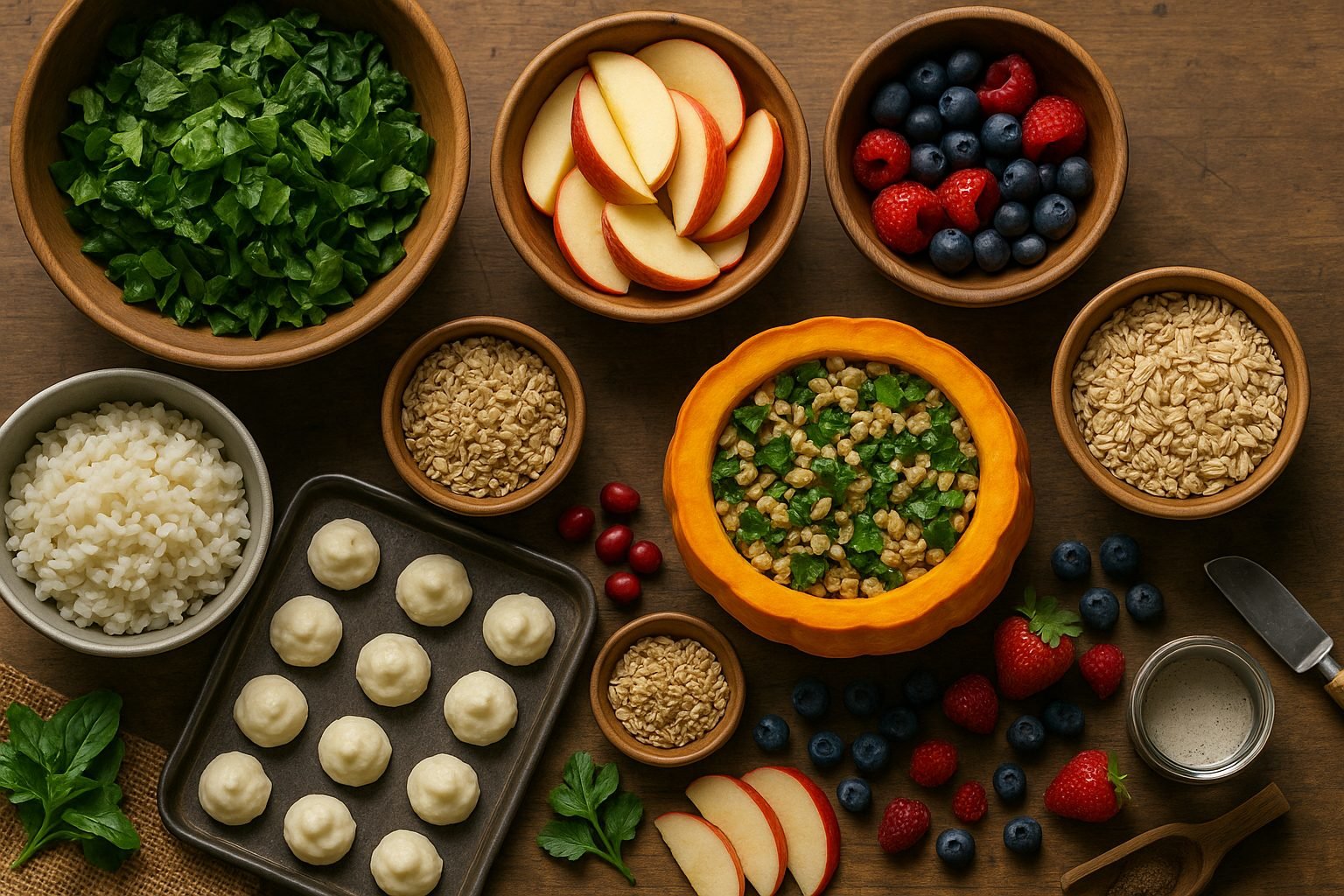
Keeping your flock happy and healthy is easy with the right treats—many safe kitchen scraps and pantry staples make perfect snacks for chickens. Fresh fruits and veggies add vitamins and variety: offer small bites of apple (no seeds), berries, melons, cucumber, zucchini, carrot, or leafy greens like kale or spinach. Avoid avocado, raw potatoes, and anything moldy or salty.
Grains like oats, cooked rice, and whole grain pasta are great energy boosters in moderation. Try scattering frozen peas or sliced grapes on a hot day for a cooling, nutritious, and fun activity. Or hang a cabbage head on a string to encourage natural pecking behaviors and relieve boredom.
Portion control is key—a good rule is that treats (including scraps and scratch grains) should make up no more than 10% of your chickens’ daily diet. That means just a small handful of treats per bird each day.
For an easy homemade enrichment idea, mix a bit of plain, unsweetened yogurt with chopped veggies and oats, then freeze dollops on a baking tray for a nutritious summer snack. Alternatively, stuff a cleaned-out pumpkin or squash with grains and greens for a pecking puzzle that lasts hours.
Remember to introduce new foods slowly and remove uneaten leftovers before they spoil. Offering a variety of safe, thoughtfully portioned treats keeps your chickens engaged, supports their health, and makes flock-keeping even more rewarding—all starting from simple foods you already have at home.
Frequently Asked Questions About Chickens’ Diets
Many chicken keepers wonder if their flock can eat citrus fruits. While a small amount won’t harm them, it’s best to avoid feeding chickens too much citrus. Citrus can interfere with calcium absorption, which is important for strong eggshells. Instead, stick to treats like berries or melon for healthier alternatives.
Another common question is about feeding chickens moldy food—this is a definite no. Moldy scraps can contain toxins called mycotoxins, which can make chickens very sick or even be fatal. Always check leftovers for signs of spoilage before tossing them into the coop.
Lastly, you might hear that chickens can’t eat meat scraps, but in reality, chickens are omnivores and can safely eat cooked meat in moderation, as long as it’s not salty or heavily seasoned. Avoid giving them raw meat to reduce the risk of disease and make sure all food is cut into manageable pieces.
By prioritizing fresh, safe kitchen scraps and limiting problematic foods, you can keep your flock both healthy and happy.