Introduction
kale has surged in popularity over the past decade, earning a reputation as a nutrient-packed leafy green that’s both versatile and easy to grow. If you’re thinking about adding this superfood to your garden, understanding sunlight for kale is one of the most important steps to ensure a thriving harvest. But do kale plants need full sun, or can they thrive in shadier spots? Many home gardeners ask this question, especially if their yards offer only partial sun or dappled light.
Knowing the right light requirements for kale can make the difference between robust, flavorful leaves and a lackluster crop. In this article, we’ll explore how much sunlight kale truly needs, whether it can tolerate partial shade, and practical tips on where to plant your kale for the best results. You’ll also gain insight into how changing sunlight affects the taste and growth of your plants. Whether you’re short on space or eager for a bumper crop, understanding kale’s sunlight needs is the first step toward gardening success.
Understanding Sunlight for Kale
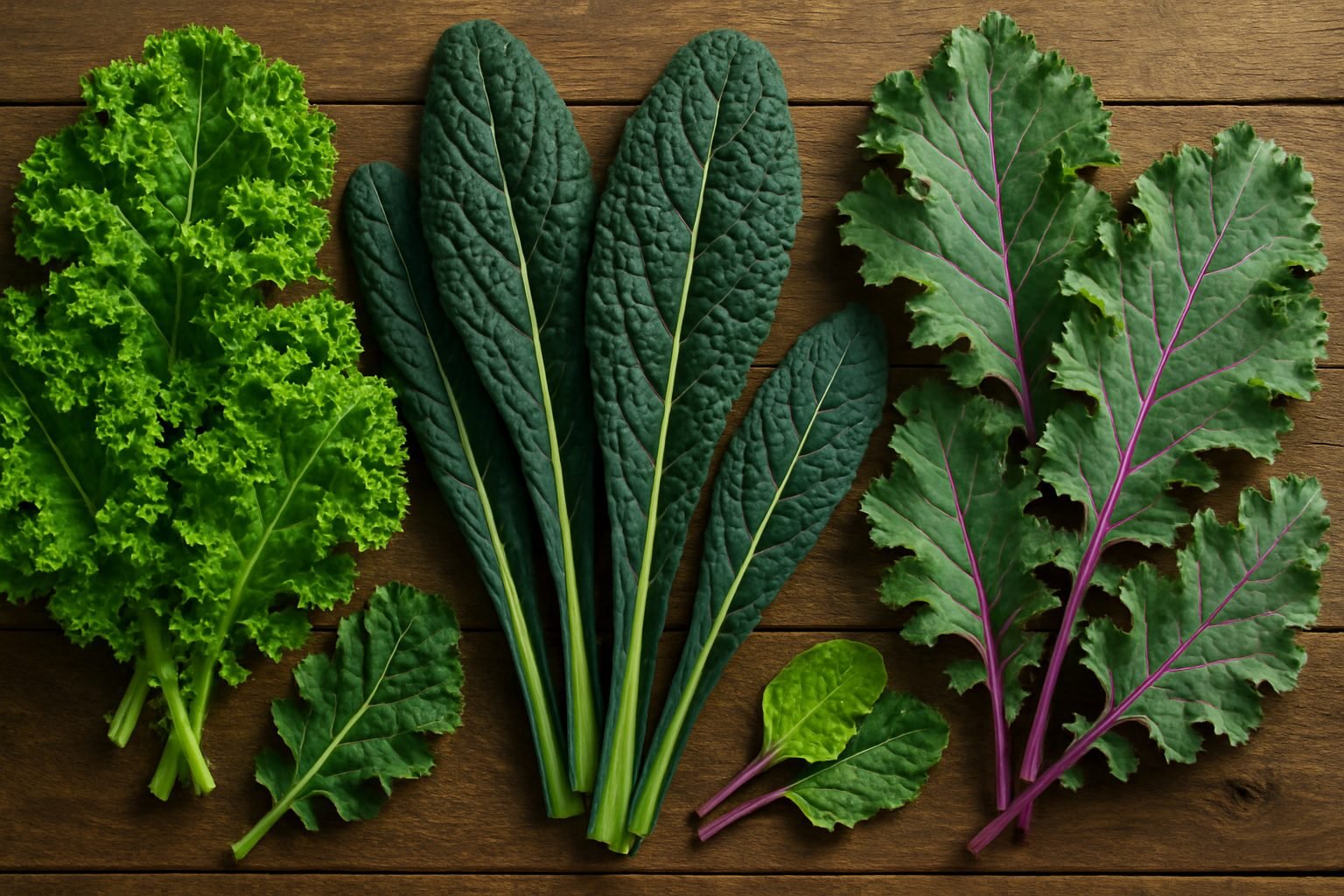
Plants in the brassica family, including kale, broccoli, cabbage, and Brussels sprouts, thrive best with ample sunlight but can tolerate some partial shade, especially during the hottest part of the day. In gardening terms, “full sun” means a location gets at least six hours—ideally between six and eight hours—of direct sunlight daily. This guideline is key when choosing where to plant your kale, as sunlight directly influences how vigorously your plants grow.
For optimal kale growth, experts recommend providing between six and eight hours of sunlight per day. If your garden only gets partial sun (around four to five hours), kale can still grow, but it may become leggier and produce fewer, smaller leaves. Sunlight is the main driver of photosynthesis, the process by which plants convert light energy, carbon dioxide, and water into sugars that fuel growth. The more sunlight your kale receives—up to the recommended amount—the better it will photosynthesize, resulting in stronger roots, robust leaves, and increased resistance to diseases and pests.
Too little sunlight can leave kale plants weak, with pale, thin leaves lacking the sweet, nutty flavor kale lovers enjoy. As a practical tip, gardeners in hot climates often provide kale with afternoon shade to prevent leaf scorching, while those in cooler areas should choose the sunniest spot available. Proper sunlight for kale not only ensures lush, nutritious harvests but also makes your gardening efforts more rewarding.
Kale in Full Sun: Benefits and Potential Drawbacks
Giving your kale plenty of sunlight can bring a host of benefits. When kale receives full sun—about 6 to 8 hours per day—you’ll likely notice deeper, more vibrant green leaves, which signals the plant is photosynthesizing efficiently. Full sunlight for kale also accelerates growth, so you can harvest those tender, nutritious leaves sooner and more often.
In terms of yield, kale grown in full sun typically produces more leaves, giving you a bigger harvest to enjoy in salads, smoothies, or sautés. Home gardeners often report that their sunniest patches produce heads and leaves that are both larger and more robust than those grown in partial shade.
However, full sun isn’t always a perfect solution, especially if you live in a region with hot, intense summers. In hot climates, the afternoon sun can sometimes scorch kale leaves, leading to brown tips or withering. High temperatures paired with bright sun can also make the taste of kale leaves more bitter, especially as the plant matures.
Because full sun increases evaporation, your kale will need more frequent watering to avoid stress and ensure steady growth. A good tip is to water early in the morning and check moisture levels often, especially if a heatwave is coming. If your garden gets scorching midday heat, consider using shade cloth during peak summer to give your kale a little relief while still enjoying the benefits of ample sunlight.
Growing Kale in Partial Shade
Partial shade means a spot that receives a few hours of direct sunlight each day—usually between 3 to 6 hours—instead of the 6 to 8+ hours classified as “full sun.” Unlike crops that require maximum sunlight, kale is surprisingly adaptable when it comes to its sunlight needs. While kale achieves its best growth and largest leaves with full sunlight, it performs well in partial shade, especially in hot or southern climates.
In fact, some gardeners purposely grow kale in dappled light or protect it from intense afternoon sun to prevent heat stress and stop the leaves from becoming bitter. If your garden has limited sunlight, don’t worry: kale can still thrive, though its leaves may be smaller or take longer to mature. This slower growth isn’t necessarily a drawback; many gardeners appreciate that the leaves remain tender and milder in flavor, perfect for salads or quick sautés.
The key is to prioritize sunlight in the morning if possible, as it is gentler and encourages healthy, unstressed plants. In particularly hot areas, partial shade can actually be beneficial by extending the growing season and keeping your kale happy long after full-sun vegetables have finished. Just monitor growth rates, adjust your harvest expectations, and enjoy the flexibility that sunlight for kale offers in your vegetable garden.
Regional and Seasonal Considerations for Sunlight for Kale
The amount of sunlight for kale that your garden receives—and how much kale actually needs—depends heavily on where you live and the time of year you’re planting. If you’re in a cooler USDA zone like 3-5, kale thrives with as much sun as possible. It’s best to place it in a spot with full sunlight, especially in early spring and late fall when daylight hours are shorter. These regions generally don’t expose kale to excessive heat, so sunscald is rare.
In contrast, warmer zones like 8-10 often experience intense summer sunlight and higher temperatures. While kale still appreciates ample sun during the milder spring and fall, it may struggle under the relentless midday rays of summer. Gardeners in these climates usually provide kale with some afternoon shade, using shade cloths, taller companion plants, or north/east-facing beds to shield it during peak heat.
Seasonal timing also plays a big role:
- Spring-planted kale benefits from increasing day length and gentle warmth, allowing for robust growth with full sun exposure.
- Summer plantings—especially in hot regions—may require partial shade to prevent bolting or wilting.
- Fall-planted kale enjoys cooler temperatures as days shorten, making full sun ideal again. A touch of frost can even sweeten the leaves, improving flavor.
Across all climates, keep an eye on weather extremes. On scorchingly hot days—even in cooler regions—a lightweight row cover or moveable shade can offer protection. Conversely, in consistently overcast or rainy climates, maximizing any available sunlight is key. Try growing kale in raised beds or containers that can be relocated for the best exposure.
No matter where you garden, tailoring the amount of sunlight for kale to your specific region and season will help ensure a steady harvest of tender, nutrient-rich leaves.
Tips for Managing Sunlight for Healthier Kale
Ensuring your kale gets the right amount of sunlight is key to healthy plants and a great harvest. Choose a spot in your garden that receives 6 to 8 hours of direct sunlight each day—this provides enough energy for strong growth without stressing your plants during hot afternoons. If you’re growing kale in raised beds or containers, you can easily move them to sunnier or shadier locations as the seasons change.
Consider companion planting with taller crops like corn or beans, which offer light afternoon shade and help protect kale from intense summer sun. In gardens with strong midday heat, draping a lightweight shade cloth over your kale during the hottest hours is an easy way to prevent wilting and leaf burn.
Watch for signs that your kale isn’t getting the right sunlight: pale, stretched, or floppy leaves mean too little sun, while crispy, yellowed, or scorched edges indicate too much. If your kale looks leggy or grows slowly, try moving it to a spot with more morning sun. Conversely, if the leaves appear singed, add shade cloth or provide some afternoon shade. With these simple adjustments, you can create the perfect sunlight conditions to help your kale thrive.
Conclusion
Kale is a remarkably adaptable vegetable when it comes to sunlight for kale, thriving in full sun but also tolerating partial shade—especially in hotter climates or during peak summer months. The ideal amount of sunlight for kale often depends on your local weather and seasonal changes; cooler regions may see better growth with more direct sun, while hotter areas benefit from some midday shade to reduce stress and bitterness.
Since every garden is unique, it’s helpful to observe your plants closely and adjust their placement or protection as needed. For example, try growing kale in different spots or using shade cloths on scorching days. Being attentive to your garden’s specific conditions will help you enjoy healthy, productive kale plants throughout the season. For more expert advice and practical tips on growing kale successfully, check out our other blog articles dedicated to this versatile leafy green.