Introduction
Composting kale is a smart way to recycle kitchen and garden waste, especially since gardeners often end up with plenty of leftover stems, wilted leaves, or those tough flowering parts that don’t make it to the dinner plate. But can you really toss all these kale scraps onto your compost pile? Many people wonder if the fibrous stems will break down, whether diseased leaves are safe to include, or if there are any pitfalls in composting such nutrient-rich greens.
The good news is that most kale parts—whether raw, cooked, or even slightly spoiled—can be safely composted, as long as you know a few simple guidelines to help them break down faster and avoid pest problems. In this post, we’ll walk you through which kale scraps are compost-friendly, how to prep your kale stems and leaves for quicker decomposition, and tips for keeping your compost pile balanced when adding lots of greens.
We’ll also share troubleshooting advice, like what to do if your compost goes slimy or smells, and a few creative ideas for using kale waste in the garden beyond the compost bin. Whether you’re a seasoned composter or just starting out, you’ll find everything you need to make the most of your kale leftovers.
Can You Compost Kale? The Basics Explained
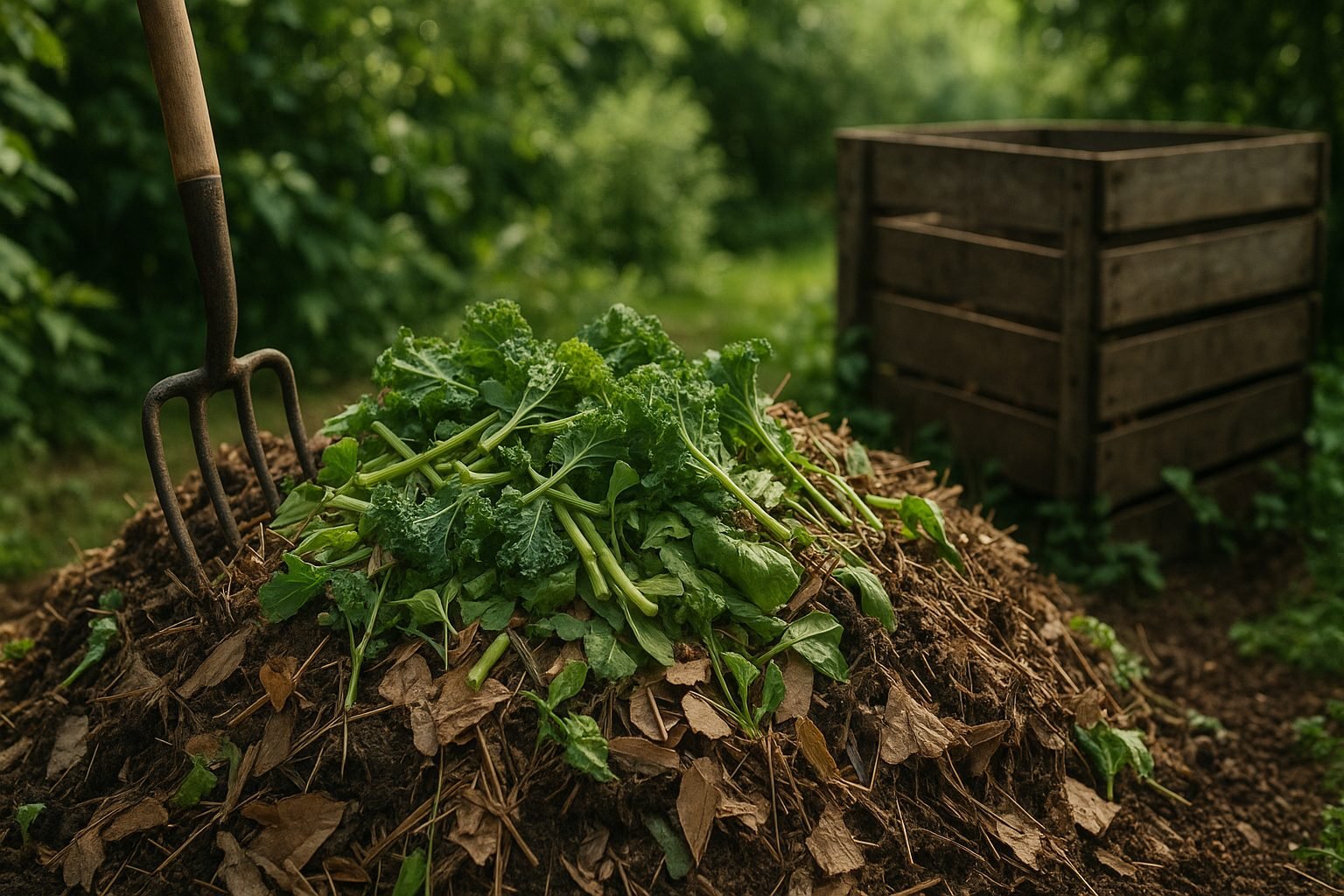
Yes, you can compost kale—whether it’s raw or cooked—including the leaves, stalks, and even the roots. All parts of the kale plant are suitable for the compost pile because kale is rich in nitrogen, classifying it as a “green” compost material. Greens like kale help fuel the composting process by providing microbes with the nutrients they need to break materials down efficiently.
However, kale also has some unique features to keep in mind. The stalks and ribs can be especially tough and fibrous, meaning they take longer to decompose than more tender greens. To speed things up, chop kale stems into smaller pieces before tossing them in the bin.
Also, avoid adding huge batches of kale all at once—large quantities can clump together, creating wet, slimy pockets that attract pests and slow composting. If you’re disposing of cooked kale, be sure it hasn’t been prepared with oils, cheese, or meat, since these ingredients can invite rodents and cause odors in your heap.
Ultimately, incorporate kale in moderation, balance it with plenty of “brown” materials like dry leaves or shredded cardboard, and mix your pile regularly to avoid compaction. With these steps, your leftover kale can help create rich, fertile compost without headaches or hassle.
Preparing Kale for the Compost Bin
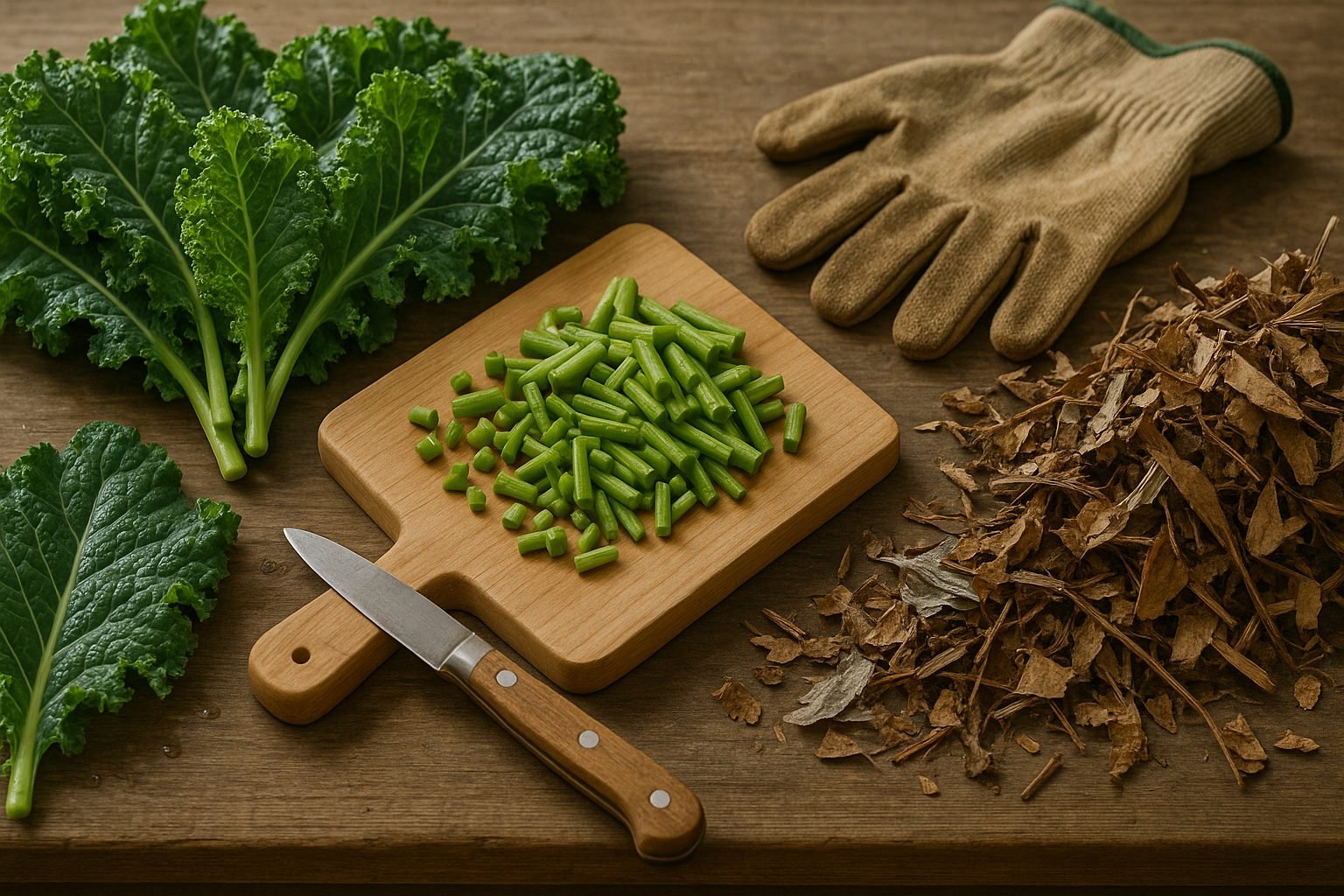
Getting kale ready for your compost bin starts with a few simple steps. First, remove any rubber bands or twist ties, since these won’t break down and could cause problems later. Next, give the leaves a quick rinse to wash off any pesticides or dirt, but don’t worry about thoroughly drying them—some moisture actually helps the composting process.
Chop the kale into smaller pieces, ideally an inch or two wide; this extra surface area makes it easier for microbes to break the material down quickly. However, kale leaves and stems are nitrogen-rich “green” materials, so it’s important to balance them with plenty of “brown” carbon-rich materials—think dry leaves, shredded newspaper, or cardboard.
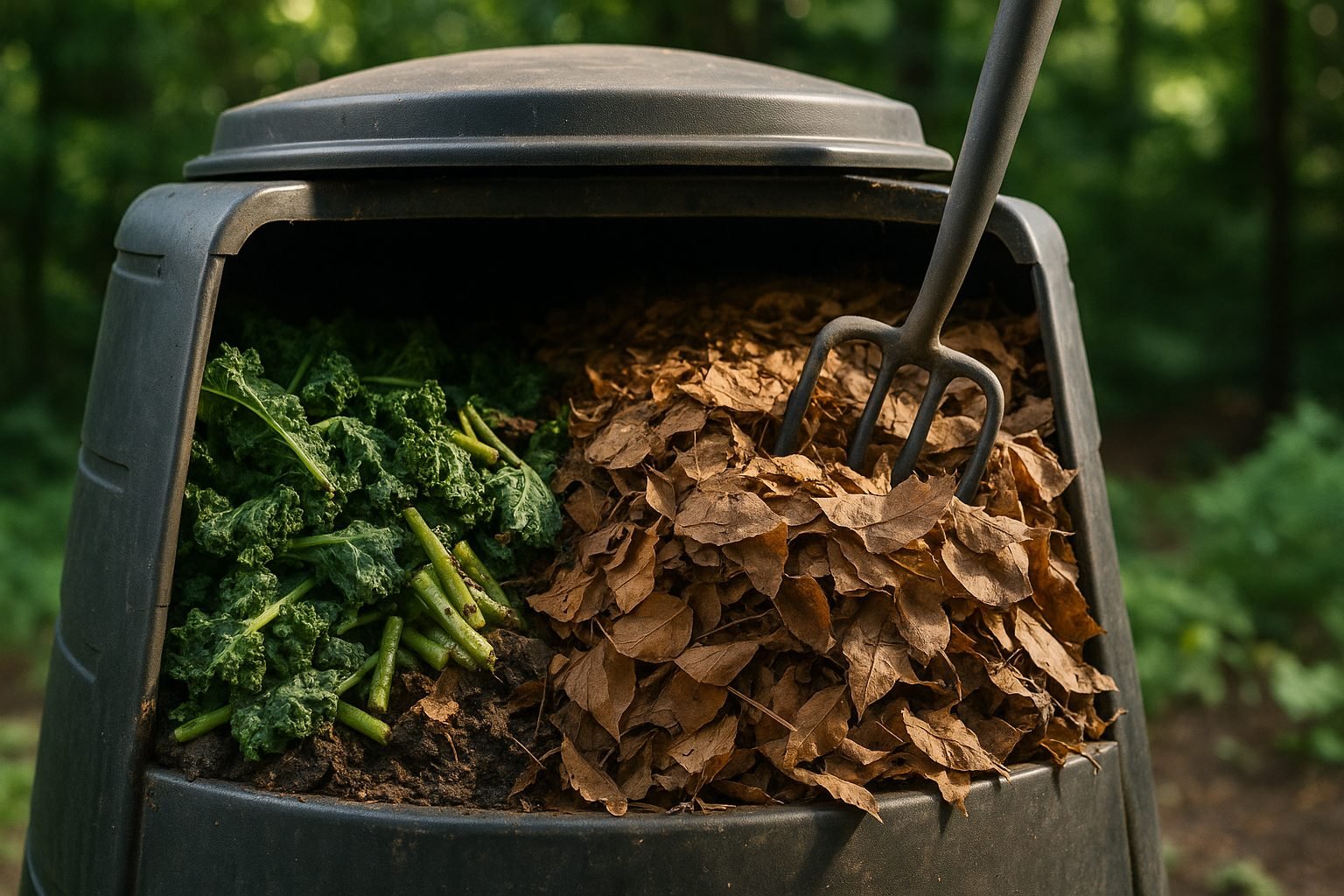
Try adding two parts brown materials for every part of kale; this helps prevent your compost bin from becoming too wet or smelly. When adding your chopped kale and browns, toss everything together as you go—don’t just create separate layers. Use a garden fork or shovel to mix the pile every week or so. This aerates the compost, prevents slimy clumps, and encourages even decomposition.
If your bin starts to smell or looks mushy, just add more browns and give it a good stir. With these simple steps, you’ll turn kitchen scraps like kale into rich compost without any mess or unwanted odors.
How Much Kale Should You Add?
When adding kale to your compost, balance and moderation are key to keeping your pile healthy and efficient. It might be tempting to toss in heaps of unused or wilted kale, especially if you’re cleaning out your fridge or garden, but overloading your bin with any single “green” material—kale included—can throw off the delicate compost ratio.
A good rule of thumb is that greens like kale should make up about one-third of your compost’s total volume, while browns (dry leaves, cardboard, shredded paper) should comprise the other two-thirds.
If you add too much kale without balancing it out, the pile can become too wet and compacted, leading to unpleasant odors, excessive moisture, and even attracting pests such as fruit flies. These issues stem from an overabundance of nitrogen-rich greens without enough carbon-rich browns to absorb the moisture and balance decomposition.
If you notice these problems, simply mix in more browns until the smell improves and the pile feels like a wrung-out sponge.
For best results, don’t add all your kale at once—alternate layers of kale with other kitchen scraps and garden waste, like dry leaves or straw, to keep air flowing and decomposition steady. Rotating your greens helps avoid clumps and creates a richer, more balanced compost.
Think of kale as a powerful compost-boosting ingredient—just use it in moderation, mixed with plenty of other compost materials, for a thriving bin free of smells and pests.
What About Cooked or Diseased Kale?
While it might be tempting to toss cooked kale or kale mixed with oils, salts, or sauces into your compost bin, this isn’t always a good idea for most home composting setups. Cooked kale and food scraps containing oils, fats, or seasonings can attract pests like rodents and raccoons, create smelly compost, and disrupt the delicate balance of microbes breaking down your pile.
These ingredients can also introduce pathogens or slow down the composting process, making it less efficient. Diseased or pest-infested kale poses even more serious risks. Adding kale leaves showing signs of fungal infections, viruses, or insect damage to your compost can spread those problems to future garden beds when that compost is used. Pests may also survive and multiply in the bin, causing bigger headaches later.
Instead, consider disposing of diseased plants in the regular trash or through municipal yard waste programs, which often use higher heat to safely break down contaminated plant matter.
If you’re dealing with cooked or heavily seasoned kale, advanced composting techniques like hot composting—where piles regularly reach temperatures of 140–160°F—can neutralize pathogens and break down small amounts of cooked food more safely. However, this method requires careful monitoring and isn’t practical for most backyard gardeners.
For everyday composting, it’s best to stick with raw, healthy kale leaves and stems, keeping your pile clean, odor-free, and beneficial for your garden.
Special Considerations: Kale Flowers, Buds, and Roots
When composting kale, it’s not just the leafy greens that matter — flowers, buds, and roots also play a part. Kale flowers and buds can be tossed straight onto your compost pile, where they’ll decompose relatively quickly, breaking down much like the leaves do thanks to their tender texture.
Roots, on the other hand, are thicker and woodier, so they take longer to break down. To speed things up, break the roots into smaller pieces or chop them up before adding them to your compost. Another tip is to mix kale roots with “green” or nitrogen-rich materials like grass clippings to help balance your pile.
If you’d rather not compost everything, consider the kitchen potential: kale blossoms and immature buds are edible and bring a mild, sweet, and slightly peppery flavor to dishes. Try sautéing kale buds with garlic for a quick side dish or toss the yellow flowers into salads for a colorful, nutritious garnish. Using the flowers this way lets you get one last harvest out of your kale before composting the rest.
Ultimately, with a few adjustments for tougher roots and an eye for culinary creativity, you can use and compost the full kale plant efficiently and sustainably.
Troubleshooting Common Kale Composting Problems
Composting kale can sometimes present a few challenges, but most issues have straightforward solutions.
If your compost starts to smell bad, it’s typically a sign that there’s too much moisture or an excess of kale, which is nitrogen-rich and can quickly turn slimy. To fix this, mix in more “browns” like dry leaves, shredded paper, or straw to balance the greens and absorb extra moisture.
Pests such as fruit flies or rodents might show up if kale scraps are left exposed. To prevent this, cover new additions with a thick layer of browns and consider using a lidded compost bin or burying the kale deeper in the pile.
Slow decomposition or visible chunks of kale usually indicate that pieces are too large or the pile needs more aeration. Try cutting or tearing kale into smaller pieces before adding it, and use a garden fork to turn the pile weekly, which introduces oxygen and speeds up the process.
Keep an eye on your compost during times when you have extra kale waste—adjust your ratio of browns and greens as needed, and don’t hesitate to pause adding fresh scraps if your bin gets overloaded.
With a little monitoring and a few tweaks, you’ll quickly learn how to keep your kale composting smooth, odor-free, and efficient.
Conclusion & Eco-Friendly Alternatives
Kale is a nutrient-packed green that’s not only good for your plate but also for your compost pile—if you compost it the right way. Because kale can break down quickly and create odors or attract pests, it’s important to chop up any tough stems first and always balance with dry materials like leaves or cardboard.
For households without a backyard compost, there are still eco-friendly ways to recycle kale scraps:
- Consider a worm bin, which can thrive in even small apartments and turn food waste into rich fertilizer.
- Many cities now offer municipal composting programs where you can drop off greens and other organic waste for professional processing—just check local guidelines for accepted items.
Whether you compost at home or use community resources, keeping kale and other food scraps out of the trash cuts landfill waste and returns nutrients to the soil, supporting healthier gardens and a healthier planet.
Making composting a habit may take some adjustment, but the rewards—lush gardens, less waste, and a positive environmental impact—make the extra effort more than worthwhile. Keep experimenting to find the method that works for you, and remember: every bit of green you compost adds up to lasting change.