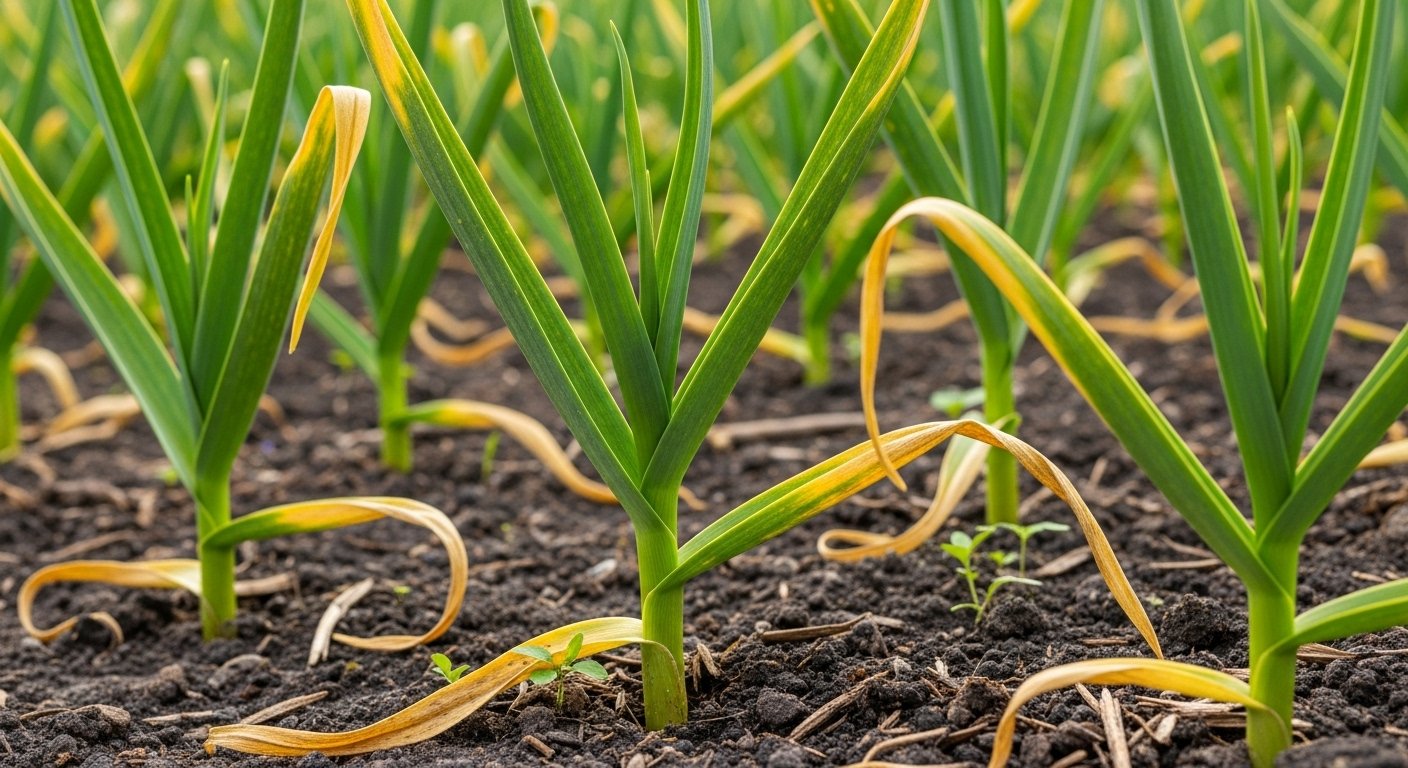
Understanding Why Garlic Leaves Turn Yellow
If you’ve noticed yellow garlic leaves popping up in your garden, you’re not alone—this common issue often worries even experienced gardeners. Yellowing foliage is usually an early sign that something isn’t quite right, and catching this symptom in time can make all the difference in reviving your garlic crop. Some of the most frequent culprits behind yellow garlic leaves include overwatering, nutrient deficiencies (especially nitrogen or potassium), and a host of diseases ranging from fungal infections like downy mildew to viral issues. Sometimes, environmental stresses like sudden cold snaps or soil compaction can also trigger leaf yellowing.
Recognizing yellow garlic leaves early gives you a crucial head start in saving your plants. For instance, if you spot yellowing due to overwatering, cutting back and improving drainage quickly can prevent root rot. If a lack of nutrients is to blame, a timely and targeted fertilizer boost can restore healthy green growth. When diseases are the problem, early action with fungicides or removal of affected plants can minimize spread and damage.
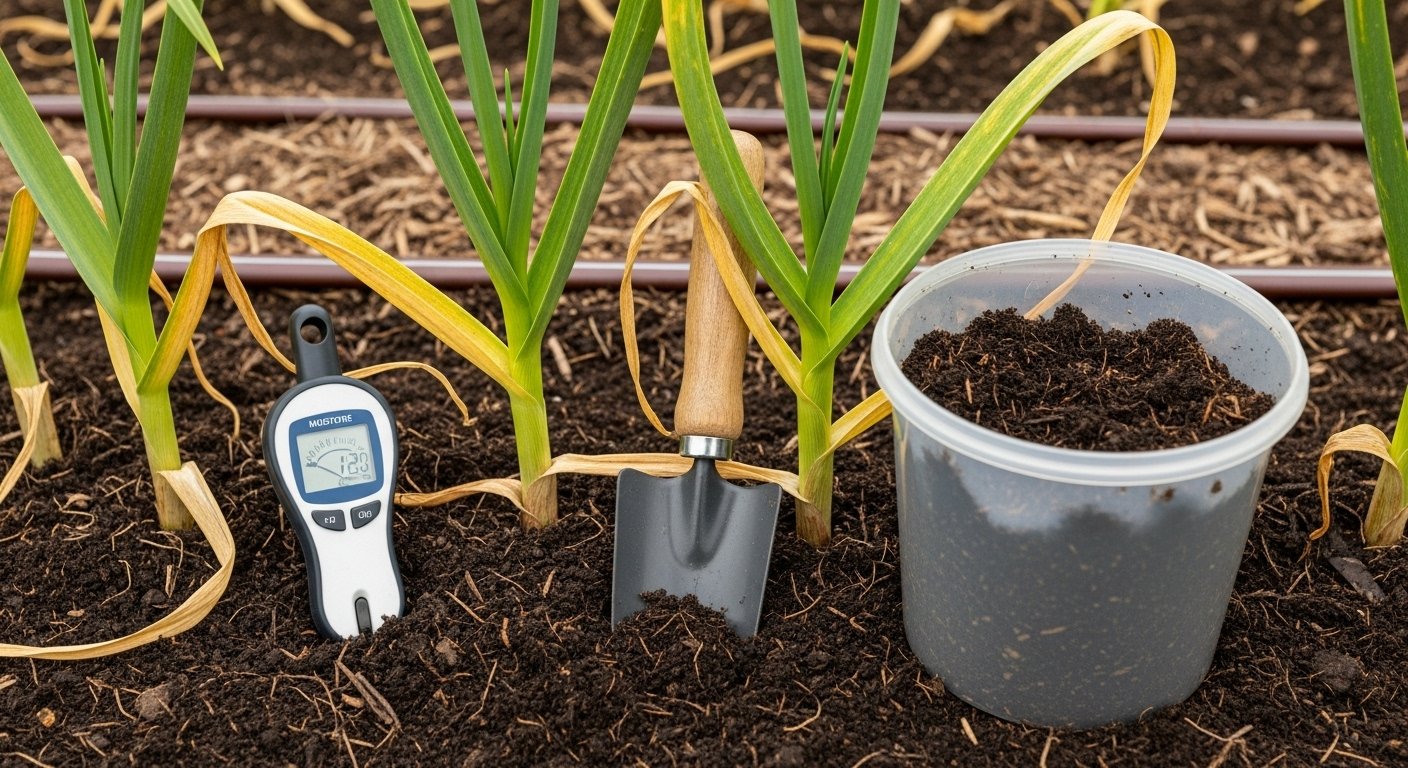
That said, it’s vital not to jump to conclusions or use a one-size-fits-all remedy; mistreating the real cause can sometimes make things worse. So before reaching for fertilizer or fungicide, take a closer look at your garlic’s growing conditions—check soil moisture, inspect for pests or spots, and even consider a soil test to measure nutrients. By accurately identifying why those garlic leaves are turning yellow, you set yourself up for a healthier, more productive harvest.
Diagnosing the Problem
When your plants start looking unhealthy, pinpointing the problem quickly can save them. Begin by observing the leaves—if they’re yellowing and droopy, water stress could be to blame.
Check soil moisture by sticking your finger about an inch deep; if it feels dry, the plant might need water, while soggy soil could indicate overwatering.
Pest damage often appears as holes, chewed edges, or sticky residue on leaves, so inspect both sides and look for insects or eggs.
Fungal infections usually show up as spots, powdery coatings, or fuzzy growth—particularly during humid weather.
Gently uproot a sick plant to assess its roots: healthy roots are white and firm, while dark, mushy ones suggest rot.
Don’t overlook environmental factors, either; consider if the plant’s location offers enough sunlight or is exposed to harsh winds, and think about any recent changes in care like adding fertilizer or moving the plant.
Keeping a simple gardening journal with notes about weather, watering, and other details can help you spot patterns and detect issues earlier next time.
Effective Treatments for Yellowing Garlic Leaves
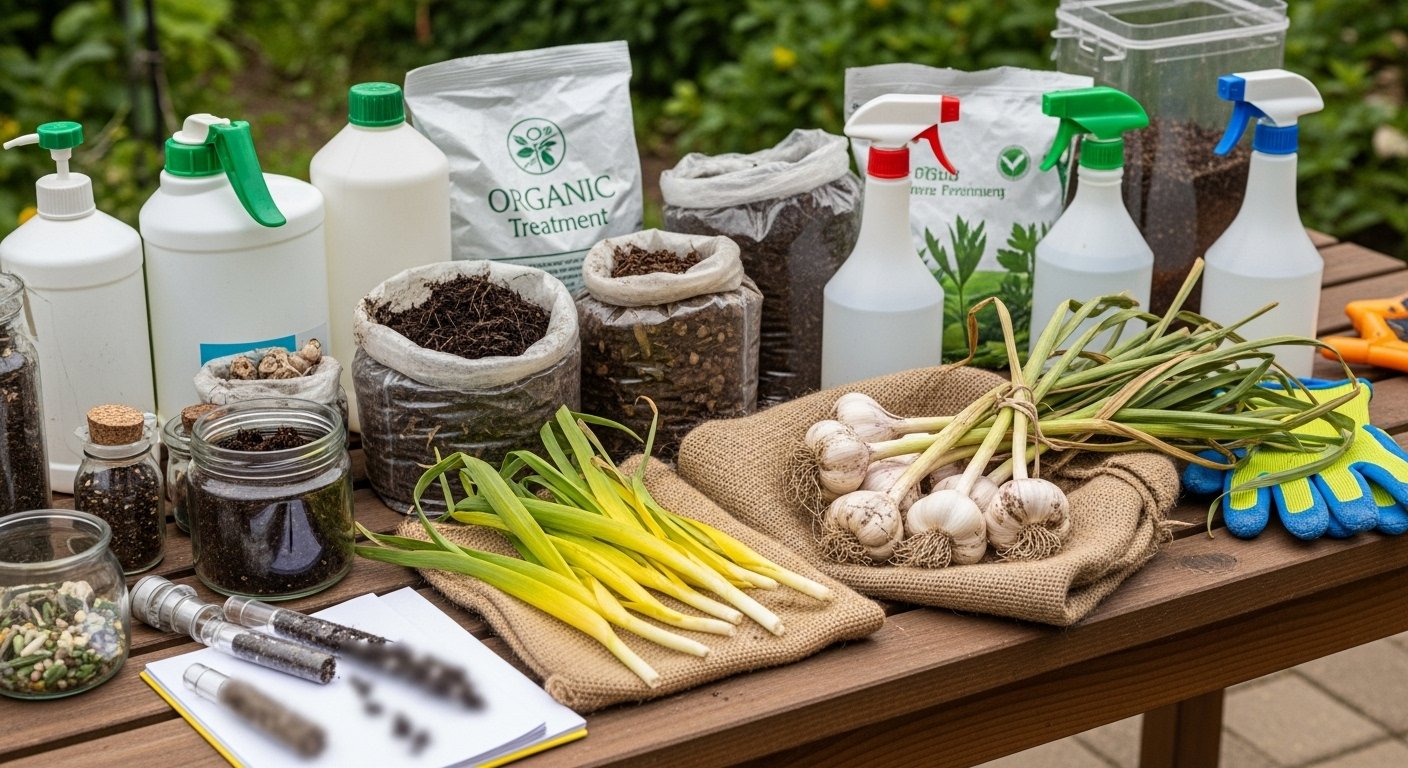
Treating yellowing garlic leaves starts with identifying the root cause. If your soil is waterlogged or drains poorly, adjust your watering schedule to ensure garlic receives moisture only when the top inch of soil feels dry—overwatering is a primary cause of yellowing. Improve drainage by mixing in organic matter like compost or sand.
For nutritional deficiencies, especially nitrogen, apply a balanced, slow-release fertilizer or top-dress with well-rotted manure. Yellow tips often green up within a week or two when fertilizer is the issue.
If you spot fuzzy growth, dark spots, or a rotten smell, fungal diseases like white rot or downy mildew may be at fault. Remove and destroy affected leaves, avoid overhead watering, and apply an approved fungicide following label directions.
In all cases, gently mulch around garlic to stabilize soil moisture and discourage leaf splash. Be patient—if yellowing is minimal or caused by early spring stress, plants often recover once conditions improve.
However, if most leaves are yellow and limp, or if the bulb feels soft, recovery is unlikely, and you may need to remove the plant to prevent disease spread.
Preventive Measures for Future Crops
- Always plant garlic in well-draining soil.
- Rotate beds regularly to prevent disease buildup.
- Use disease-free seed bulbs.
- Monitor soil moisture consistently.
- Fertilize appropriately based on soil needs.
- Spot early symptoms to address problems promptly.
These steps can make the difference between a bountiful harvest and a disappointing one.
Preventing Yellow Leaves in Future Crops
To keep yellow leaves from affecting future crops, start with thorough soil preparation by testing your soil before planting to ensure it has the right balance of nutrients and pH. Rotate your crops each season to prevent nutrient depletion and reduce the risk of disease build-up in the soil.
Setting a consistent watering schedule is just as important—water deeply, but avoid overwatering, as that can lead to root problems and trigger yellowing. Mulching around your plants helps retain soil moisture, regulate temperature, and keep weeds at bay, all of which support healthier plants.
Give your crops adequate space by following recommended plant spacing guidelines; overcrowded plants compete for nutrients and light, making them more susceptible to stress and yellowing leaves. Make a habit of inspecting your plants regularly for early signs of pests, disease, or nutrient issues so you can address problems before they spread.
By combining these best practices and staying proactive, you strengthen your crops’ resilience, ensuring greener leaves and a healthier harvest for seasons to come.
Garlic Growing Best Practices
To grow healthy, robust garlic, start by choosing a sunny spot—garlic thrives with at least six hours of direct sunlight daily. Plant individual cloves pointed side up about 2 inches deep and 4 inches apart; this spacing reduces competition for nutrients and helps air circulate, lowering disease risk.
Consistently water your garlic, aiming for moist (not soggy) soil, especially during dry spells. After planting, apply a layer of mulch, like straw, to conserve moisture and reduce weeds.
For strong plants and fewer yellow leaves, minimize stress by fertilizing lightly with compost in early spring and keeping an eye out for overwatering, as soggy conditions can encourage fungal problems. Trim away any yellowing leaves promptly to help prevent the spread of pests or diseases.
Rotate your garlic beds each year to prevent soil-borne issues, and be patient—garlic is ready to harvest when the lower leaves turn brown.
For more in-depth advice and troubleshooting, universities like the University of California Cooperative Extension or your local Master Gardener program offer detailed guides and support for garlic growers at every level.