Can You Compost Garlic?
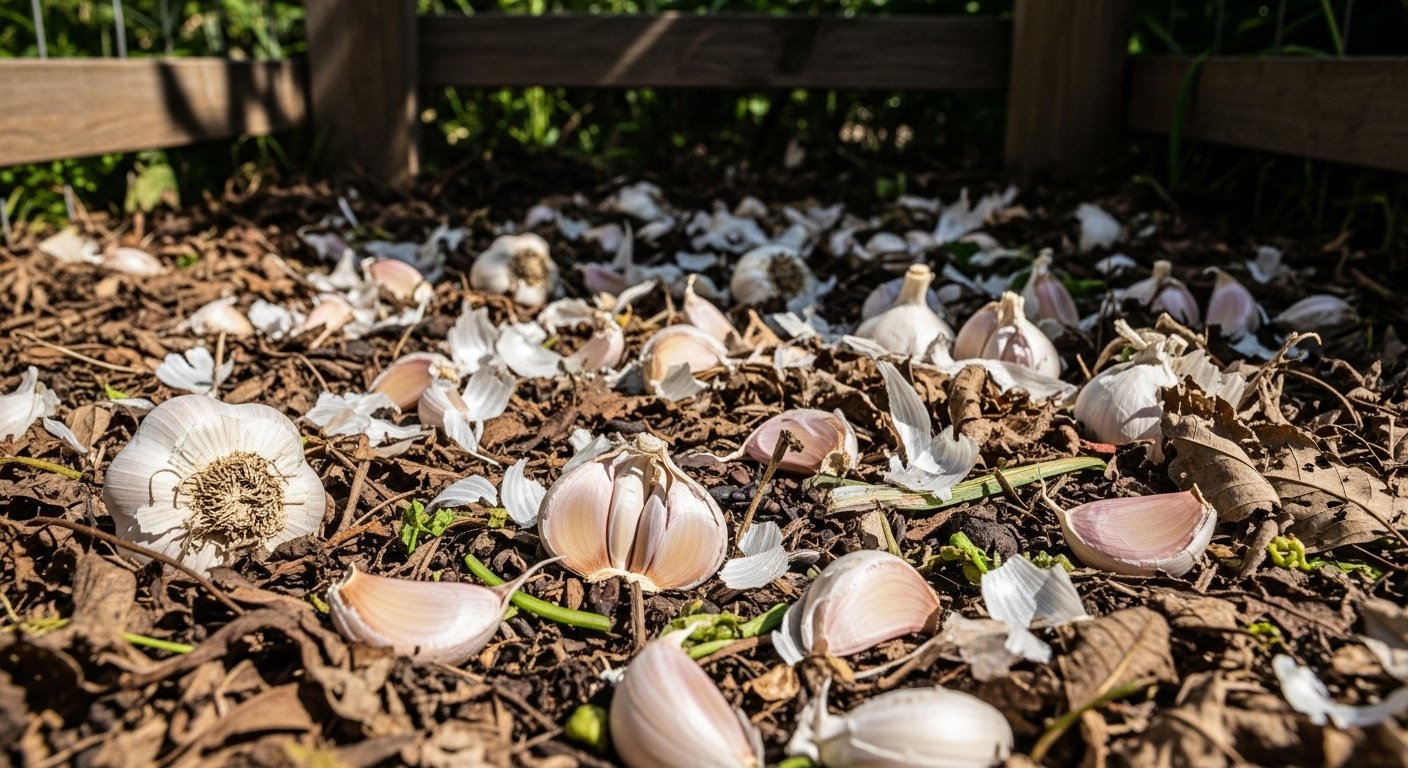
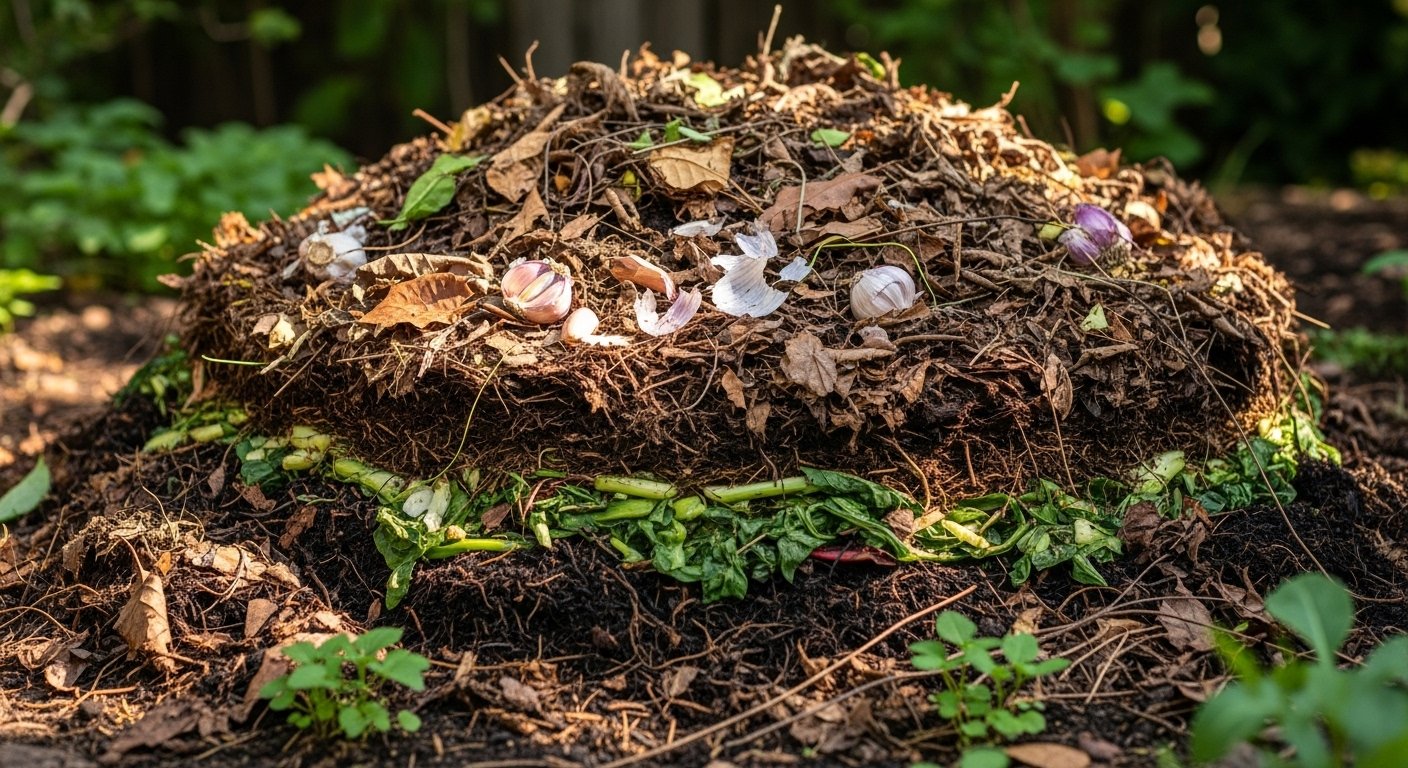
Wondering if composting garlic is a good idea? You’re not alone. Many home composters hesitate when it comes to tossing garlic peels, cloves, or even the occasional forgotten bulb into their bin. There’s a lingering misconception that garlic—whether raw, cooked, or a little past its prime—should never go into compost piles, for fear it might harm beneficial microbes or slow down the decomposition process. But the truth is, most garlic waste, including skins and bulbs, can absolutely be composted. The key is understanding the science behind garlic’s breakdown and knowing when it’s better to leave it out of your pile.
Garlic, like most kitchen scraps, is rich in nutrients that eventually turn into dark, crumbly compost. Its peels and skins break down quickly, while larger bulbs and whole cloves, especially if sprouting or rotting, may take a bit longer but ultimately decompose just fine. Some gardeners worry about garlic’s natural antimicrobial compounds—which can slow microbial activity in very large quantities. However, when added in moderation and mixed well with other materials (like leaves or coffee grounds), these effects are negligible. In fact, most backyard compost piles don’t contain nearly enough garlic to cause a problem.
It’s also worth noting some exceptions. If you have a massive garlic haul that’s been hit with disease, or cooked garlic slathered in oil or dairy, it’s best to avoid composting those items. Greasy foods can attract pests, and diseased bulbs may spread pathogens through your pile. Otherwise, composting garlic peels and waste is both safe and sustainable.
Try scattering small amounts throughout the pile, mixing thoroughly, and balancing with browns and greens. With these simple tips, you can confidently compost garlic scraps—reducing kitchen waste and feeding your garden, one handful at a time.
Benefits and Drawbacks of Composting Garlic
Composting garlic has some standout benefits that can boost your garden’s health. Garlic bulbs and skins are rich in nutrients like potassium, phosphorus, and sulfur, which help build robust soil and feed your plants naturally. Another big plus: garlic’s natural compounds can deter certain pests and pathogens, making your finished compost less attractive to bugs that might otherwise damage your crops.
For example, gardeners often notice that their tomato or lettuce beds get fewer aphids after applying compost that included small amounts of garlic.
However, adding garlic scraps isn’t all upside. Its pungent smell can become overwhelming if too much is added at once, especially in small or closed compost bins, sometimes attracting unwanted attention from animals or making it unpleasant for nearby homes.
Garlic also contains antimicrobial properties that, while helpful against some pests, can disturb the balance of beneficial microbes that are essential for proper compost decomposition. If you overdo it, you might notice your pile composting more slowly or developing mold patches, as the microbial activity is suppressed. Earthworms, which are usually a compost pile’s best friends, may also avoid areas with lots of garlic, leading to less efficient breakdown of materials.
People who’ve tossed in handfuls of leftover cloves often mention seeing white, fuzzy mold clusters or an odd smell until the amount of garlic breaks down.
To get the benefits without the drawbacks, use garlic as a minor ingredient—mix it well with other vegetable scraps and, if possible, cut it into smaller pieces for faster, more even breakdown. This approach lets you reap garlic’s advantages without risking those common composting issues.
What Types of Garlic Can Be Composted?
You can compost most parts of garlic, but knowing which types break down best helps avoid unwanted smells and pests.
Raw garlic peels and papery skins are perfect for compost bins—they decompose quickly and add valuable nutrients without any fuss. Whole raw cloves can be tricky; since they may sprout or take longer to break down, it’s best to chop or crush them first to speed up decomposition and prevent new garlic plants from popping up in your bin.
Cooked garlic is generally safe to compost, but be cautious with pieces cooked in lots of oil, salt, or dairy. These ingredients can attract pests or slow the composting process—so stick to plain, unseasoned cooked bits if possible.
Rotten or spoiled garlic can be composted in moderation. It’s smart to mix it well into your pile and avoid adding large amounts at once, since mold or strong odors can develop.
For all forms, bury garlic scraps in the middle of an active compost pile to help mask smells and deter rodents. If you’re using an indoor compost bin or worm bin, go even lighter with garlic, as it can be harsh on worms and cause unpleasant odors in smaller spaces.
Ultimately, small, mixed amounts of garlic—especially dry skins and peels—are safest for composting and boost the richness of your finished compost without causing problems.
How to Compost Garlic Properly
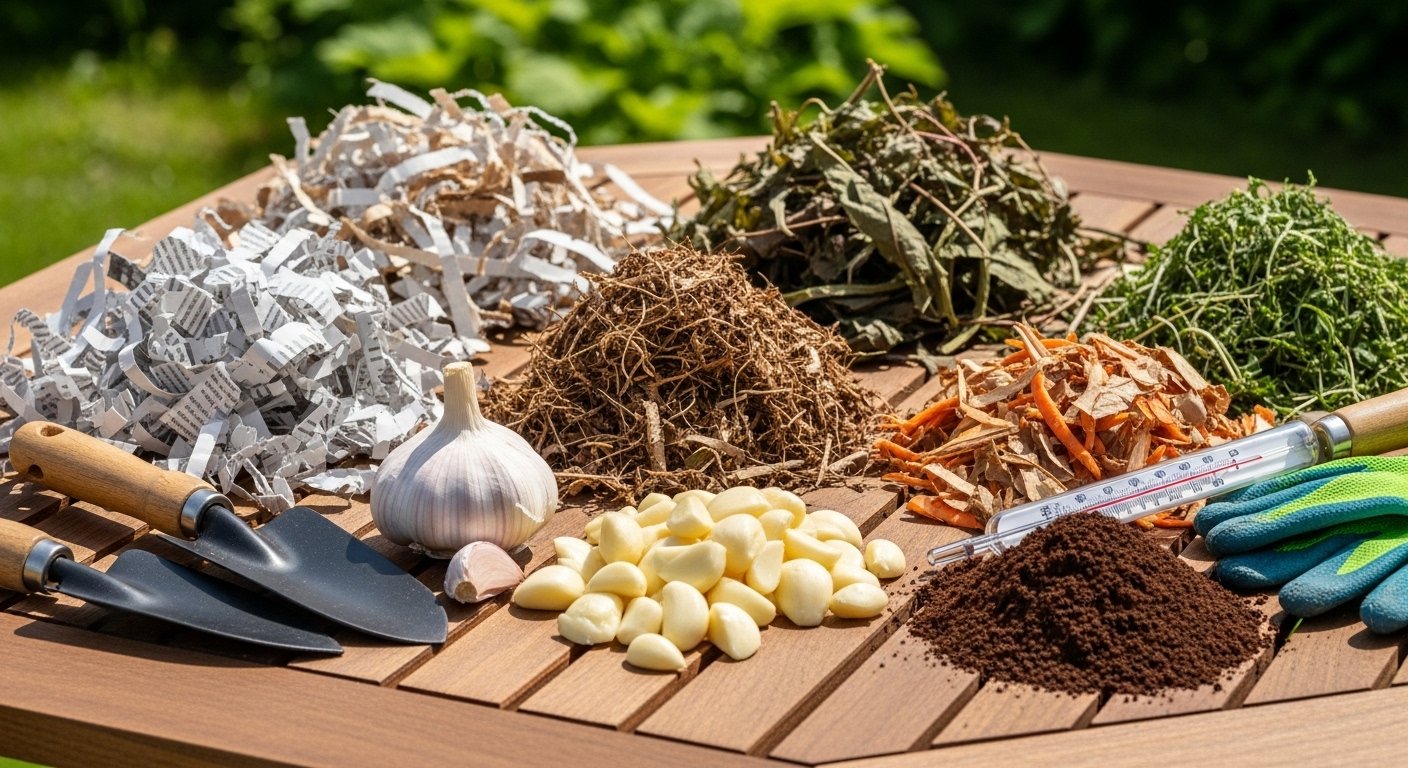
Composting garlic at home is easy if you follow a few simple steps to keep your compost pile healthy and odor-free. Start by chopping garlic cloves, skins, or peels into small pieces—this speeds up their breakdown and helps avoid large clumps that could create soggy pockets in the compost.
While garlic is safe for composting in moderation, avoid adding huge amounts at once, as its natural antimicrobial properties might slow microbial activity. Always mix garlic scraps thoroughly with diverse “brown” materials like dry leaves, shredded newspaper, or cardboard to balance moisture and provide carbon.
Choosing the Right Composting Method
When it comes to composting methods, hot composting is especially effective because higher temperatures help break down garlic quickly and kill any lingering pathogens or seeds. Just turn your pile weekly and keep it damp as a wrung-out sponge.
Cold composting—simply adding materials to a heap over time—also works, but expect a slower process. Be sure to chop garlic finely and pay extra attention to blending it well with other materials.
Vermicomposting Garlic
If you’re vermicomposting, only add small amounts of garlic at a time, since worms can be sensitive to its strong compounds. Mix garlic with other mellow kitchen scraps like lettuce or apple cores, and monitor your worm bin for any signs of distress.
What to Avoid
- Don’t toss in entire bulbs or large clumps of garlic.
- Never add garlic coated with oil, spices, or salt, as these can upset the compost’s balance.
Commercial vs. Home Composting
Be aware that while home compost systems can handle garlic efficiently with care, commercial composting facilities use hotter, faster processes. They can manage larger quantities or whole heads of garlic with ease—something not advisable at home.
By keeping portions moderate, mixing thoroughly, and choosing the best method for your setup, you’ll transform garlic scraps into rich, garden-ready compost safely and efficiently.
How Much Garlic Is Too Much?
While garlic can be a beneficial addition to your compost pile, moderation is key to maintaining a healthy, balanced decomposition process. Adding too much garlic at once can disrupt the microbial balance due to its natural antibacterial and antifungal compounds, which might slow down or inhibit the breakdown of organic matter.
Overloading your compost with garlic can also create a strong odor, attract pests, or lead to mold growth—none of which are desirable outcomes for your compost bin or garden.
As a general guideline, aim to add no more than one or two handfuls of chopped garlic scraps to a standard household compost pile per week, especially if you’re also composting other strong-smelling foods like onions or citrus.
To keep things in balance, always mix garlic scraps well with other green (nitrogen-rich, like grass clippings) and brown (carbon-rich, like dry leaves or cardboard) materials.
For example, if you add garlic, sprinkle it in rather than dumping it all at once, and make sure it’s combined with plenty of browns to help absorb moisture and odors.
Think of garlic as a seasoning for your compost: a little goes a long way, and mixing it with a diverse array of kitchen and yard waste will help ensure your compost stays healthy and productive.
Alternatives & Best Uses for Garlic Waste
Garlic scraps, like skins, stems, and peels, don’t have to go straight into the trash or compost bin—there are plenty of creative ways to give garlic waste a second life. One clever option is using garlic skins and ends to infuse broths and stocks. While the flavor is subtle, these leftovers add gentle depth and minerals to homemade soups, especially when combined with other veggie trimmings.
You can also repurpose garlic scraps as a natural pest deterrent in your garden. Crushed garlic mixed with water and a drop of dish soap makes an effective spray that keeps aphids and other bugs away, without the use of chemicals. Some people even swear by using garlic peels for cleaning; the antibacterial properties in garlic can help scrub cutting boards or sinks. Though the scent is strong, it fades quickly.
When comparing composting to these alternatives, composting is definitely efficient for turning kitchen waste into nutrient-rich soil. However, garlic can sometimes disrupt a balanced compost pile—fresh garlic’s antifungal and antibacterial effects may slow down the breakdown process, and its strong aroma might attract unwanted pests. If you have a small compost setup or indoor bin, try limiting garlic scraps or explore other eco-friendly solutions first.
Composting might also be best avoided if you want to deter bugs, since using garlic as a natural garden spray takes full advantage of its repellent qualities. Ultimately, save garlic scraps for broth-making or as a green alternative to chemical sprays if you enjoy DIY home tasks. But feel free to compost the excess if you’re working with a large, well-managed system.
Thinking twice before tossing garlic remains means less waste—and richer soil or safer garden care.
Using Garlic-Enriched Compost in the Garden
Compost that includes garlic scraps can be a powerful ally in boosting your garden’s health, thanks to garlic’s natural antimicrobial and antifungal properties. When well integrated into your compost pile, garlic helps suppress soil-borne pathogens and pests, reducing the risk of diseases like root rot or fungal wilts.
As the garlic breaks down, it releases essential nutrients like sulfur, which strengthen plant cell walls and improve overall plant resilience. That said, garlic-rich compost works best with veggies and flowers that aren’t sensitive to strong organic amendments, such as tomatoes, peppers, roses, and marigolds—these plants actually benefit from the subtle pest-repelling qualities garlic imparts to the soil.
However, avoid using garlic-enriched compost around onions, leeks, or other alliums, as too much residual garlic can inhibit healthy root growth and lead to competition for nutrients within the same plant family.
To maximize the benefits, always let your compost fully decompose before use so any raw garlic has broken down and won’t overpower delicate seedlings. Spread the mature compost as a mulch or soil amendment in beds or at the base of established plants, and mix it well to ensure even distribution.
For a final boost, use finished garlic-rich compost in containers for herbs like basil or mint, which appreciate the natural disease resistance and mild nutrition. By being strategic with where you apply garlic-enriched compost, you’ll protect your garden’s biodiversity while enjoying healthier, more robust crops.