Introduction
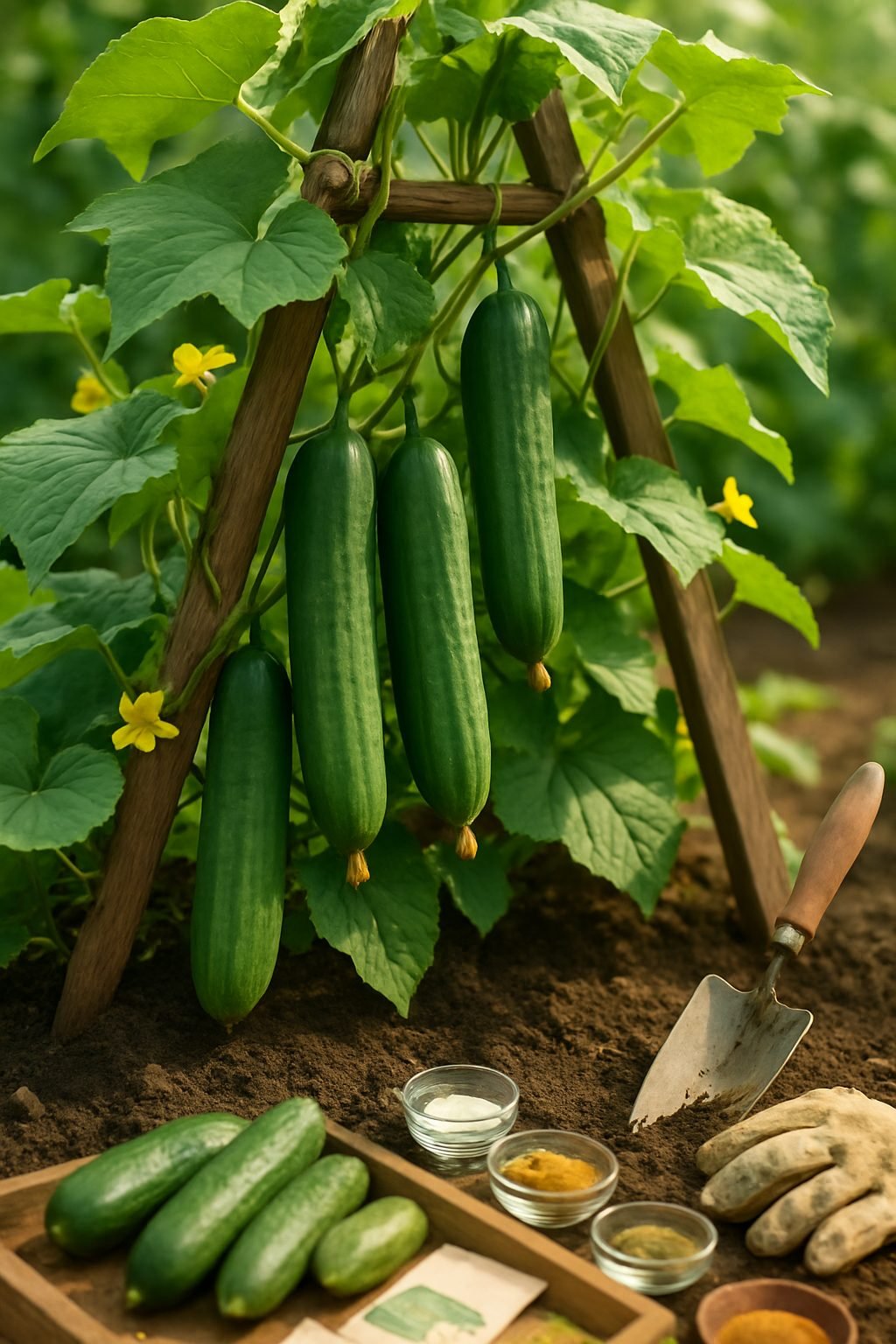
If you’re eager to grow slicing cucumbers, you’re in good company—these crisp, refreshing veggies are a favorite among home gardeners for their versatility and flavor. Whether you have sprawling garden beds or just a sunny balcony, this article will guide you through both in-ground and container growing methods with step-by-step, practical advice.
We’ll help you choose the right cucumber varieties, master planting dates and techniques, streamline care routines, and tackle common pests naturally. Plus, you’ll get tips for harvesting at just the right moment to enjoy the best-tasting cucumbers from your own backyard. Let’s get growing!
Choosing the Right Cucumber Variety
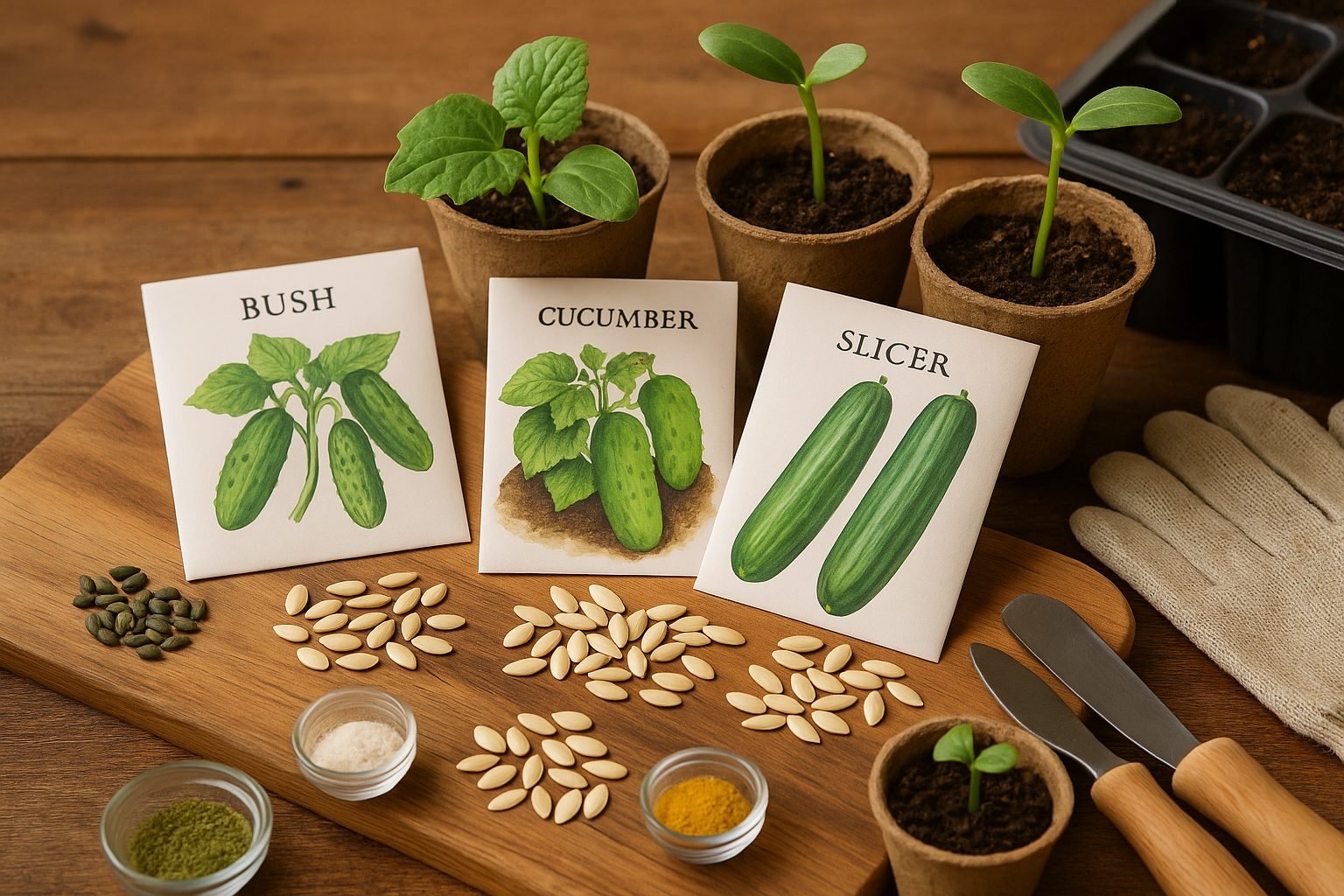
Selecting the right cucumber variety starts with understanding the difference between bush and vining types. Bush cucumbers, such as ‘Bush Champion’ or ‘Spacemaster’, are compact and ideal for containers or small garden beds. They thrive in limited spaces and need little support. However, they often produce a smaller yield compared to their vining counterparts.
Vining cucumbers like ‘Marketmore 76’ or ‘Straight Eight’ spread vigorously and do best when planted in the ground or in raised beds with a trellis for support. These varieties produce more fruit per plant but require more room and regular training up supports.
When picking seeds, consider your purpose:
- Slicing cucumbers, such as ‘Marketmore’ or ‘Salad Bush’, offer crisp and juicy flesh perfect for fresh eating.
- Pickling types, like ‘Boston Pickling’, are bred for firmer texture and smaller size, making them perfect for preserving.
Also, look for disease-resistant varieties labeled as resistant to common issues like powdery mildew or cucumber mosaic virus—these can save you headaches and reduce the need for chemical treatments.
For container gardeners, stick with compact, bush varieties and avoid overcrowding. For larger plots, vining types promise abundant harvests with the right support system. Tailor your choice to both your available space and intended use for the best results.
Preparing the Planting Site or Container
Getting your planting site or container right is crucial for healthy, thriving plants. Start by aiming for well-drained, fertile soil with a neutral pH of around 6.5 to 7—this is ideal for most garden vegetables and flowers.
If you’re working with heavy clay or sandy soil, improve it by mixing in plenty of compost or well-rotted manure to boost fertility and drainage. You can test your soil’s pH with a simple kit from a garden center, and add garden lime to raise pH or sulfur to lower it as needed.
For those growing in containers, choose pots that are at least 12 inches deep and wide, made of materials like terracotta, plastic, or fabric grow bags—just make sure they have drainage holes to prevent waterlogging. Fill containers with a high-quality potting mix, not just regular garden soil, and consider adding perlite or vermiculite for extra drainage. Compost or slow-release organic fertilizer can help containers maintain nutrients over time.
Finally, select a location that gets at least six hours of direct sunlight per day, as most edible and ornamental plants need plenty of light and warmth to flourish. Position containers or prepare garden beds away from cold drafts or areas that stay wet after rain.
Taking these steps will set your plants up for a strong, productive season right from the start.
Planting Your Cucumbers: Seeds or Transplants?
Choosing between cucumber seeds and transplants often comes down to timing, convenience, and your local climate. Starting from seed is budget-friendly and gives you the widest variety choices—just remember that cucumbers are sensitive to cold. Wait until at least two weeks after your last frost date, when soil temperatures are reliably above 65°F (18°C), before sowing directly in the garden.
Sow seeds 1 inch deep and 12 inches apart in rows, or space out hills (small mounds) about 3–4 feet apart, dropping 2–3 seeds per hill and thinning to the strongest seedling later.
Transplants offer a head start, making them a great pick for gardeners in shorter growing seasons. You can buy young cucumber plants or start seeds indoors 3–4 weeks before the last predicted frost. However, cucumbers dislike root disturbance, so handle seedlings gently and transplant when they have at least two true leaves.
Harden them off first by placing them outdoors in shade for a few hours each day, gradually increasing sun exposure. When planting transplants, set them at the same depth as they were in their pots, spacing them about 18 inches apart, and water well.
Whether sowing seeds or planting seedlings, ensure your patch is sunny, the soil stays moist but not soggy, and mulch to lock in warmth and moisture. With a little planning, you’ll have crisp cucumbers on the vine in no time.
Supporting Growth: Trellising and Care
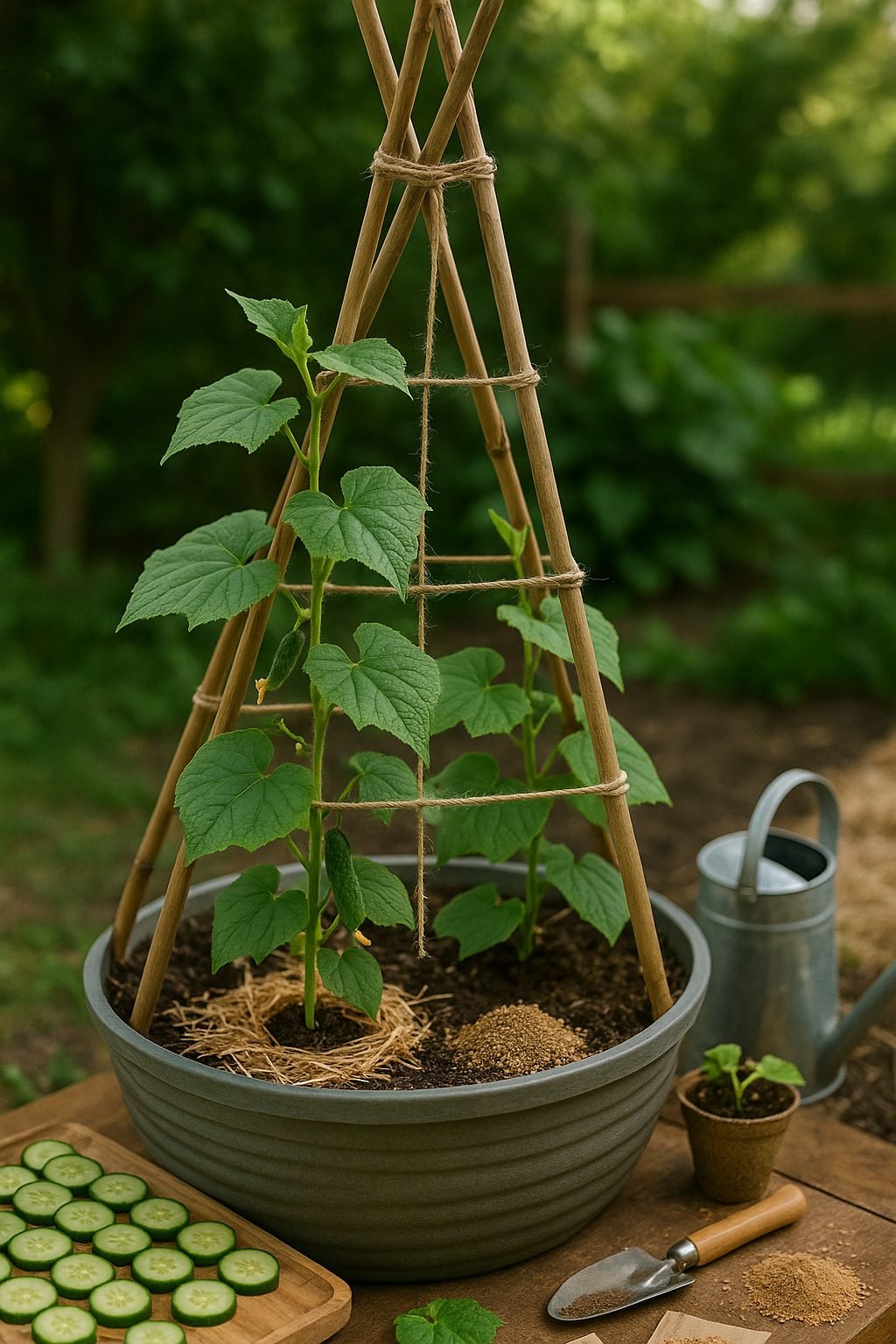
Supporting your plants with proper trellising is essential for healthy growth, maximizing yield, and making harvesting easier. Whether you’re growing in the ground or in containers, providing support keeps plants upright, improves air circulation, and reduces the risk of pests and diseases.
For ground gardens, a classic DIY trellis can be made with stakes and garden twine or by repurposing old wire fencing. Simply secure at least two stakes firmly in the soil and stretch the twine or fencing between them for vines to climb. In containers, bamboo stakes tied together in a teepee shape work well, especially for compact spaces.
Beyond structure, consistent care routines are key:
- Water at the base of the plant early in the day, keeping soil evenly moist but not soggy.
- Mulch around the base with straw or shredded leaves to conserve moisture and deter weeds.
- Fertilize every few weeks with a balanced, slow-release fertilizer, especially once plants start flowering and setting fruit.
- Regularly thin crowded seedlings to ensure each plant has enough space to thrive.
- Prune older or damaged leaves to improve airflow and direct energy to new growth and fruit production.
- Pinch off side shoots or excess growth as needed, especially with vining vegetables like tomatoes or cucumbers.
With sturdy support and attentive care, your plants will be stronger, healthier, and more productive all season long.
Managing Pests and Troubleshooting Issues
Cucumbers can attract persistent pests like aphids, cucumber beetles, and spider mites, as well as diseases such as powdery mildew and bacterial wilt. Keep an eye out for curling or yellowing leaves, sticky residue, and small holes, which often signal pest infestations. If you notice powdery white spots or dark patches on leaves, your plants may be dealing with fungal or bacterial disease.
To prevent trouble, start with healthy plants, use floating row covers early on, and avoid overhead watering to minimize leaf moisture. Hand-pick beetles or spray infested plants with a strong jet of water to knock off aphids. Neem oil or insecticidal soap can help manage most pests organically.
For disease control, remove infected leaves promptly and improve airflow by spacing plants appropriately. Wilting may signal root issues or bacterial wilt; always rotate crops and sanitize tools to limit spread.
If fruit set is poor, gently shake flowers to assist pollination, and attract bees by planting nearby flowers. Yellowing leaves usually indicate nutrient deficiencies—side-dress with compost or a balanced organic fertilizer.
By recognizing symptoms early and responding quickly, you can keep cucumber plants healthy and productive all season.
Harvesting and Storing Cucumbers
Knowing when to harvest cucumbers makes all the difference in taste and texture. For most varieties, look for cucumbers that are firm, evenly green, and have reached a usable size—usually 6-8 inches long for slicing types and 2-4 inches for pickling. Avoid letting them turn yellow or grow oversized, as this often results in bitter, seedy fruit.
When it’s time to pick, use a clean, sharp knife or pruners, cutting the stem about a half-inch above the fruit; pulling or twisting cucumbers off can harm the vines and reduce future yields. After harvesting, give them a gentle rinse and dry, then store unwashed cucumbers in the crisper drawer of your refrigerator inside a perforated plastic or paper bag.
They’ll stay fresh for about a week—just keep them away from ethylene-producing fruits like apples and tomatoes, which can speed up spoilage.
In the kitchen, use fresh cucumbers for salads, sandwiches, or simple snacks with dip, or toss them into chilled gazpacho for a crisp addition to summer meals. If you have a bumper crop, consider quick pickling for a fast and flavorful way to preserve their crunch.
Conclusion and Quick Tips
Growing cucumbers can be simple and rewarding if you remember the basics: choose a sunny spot, keep the soil moist, and support your plants with a trellis. Don’t stress over perfection—experiment with different varieties, try both seeds and seedlings, and adjust watering as you observe how your cucumbers respond.
Remember, gardening is as much about enjoying the process as it is about the harvest. For extra tips and troubleshooting help, explore local garden centers or trustworthy online resources like university extension sites.
Happy growing—your perfect, crisp cucumbers are just a season away!