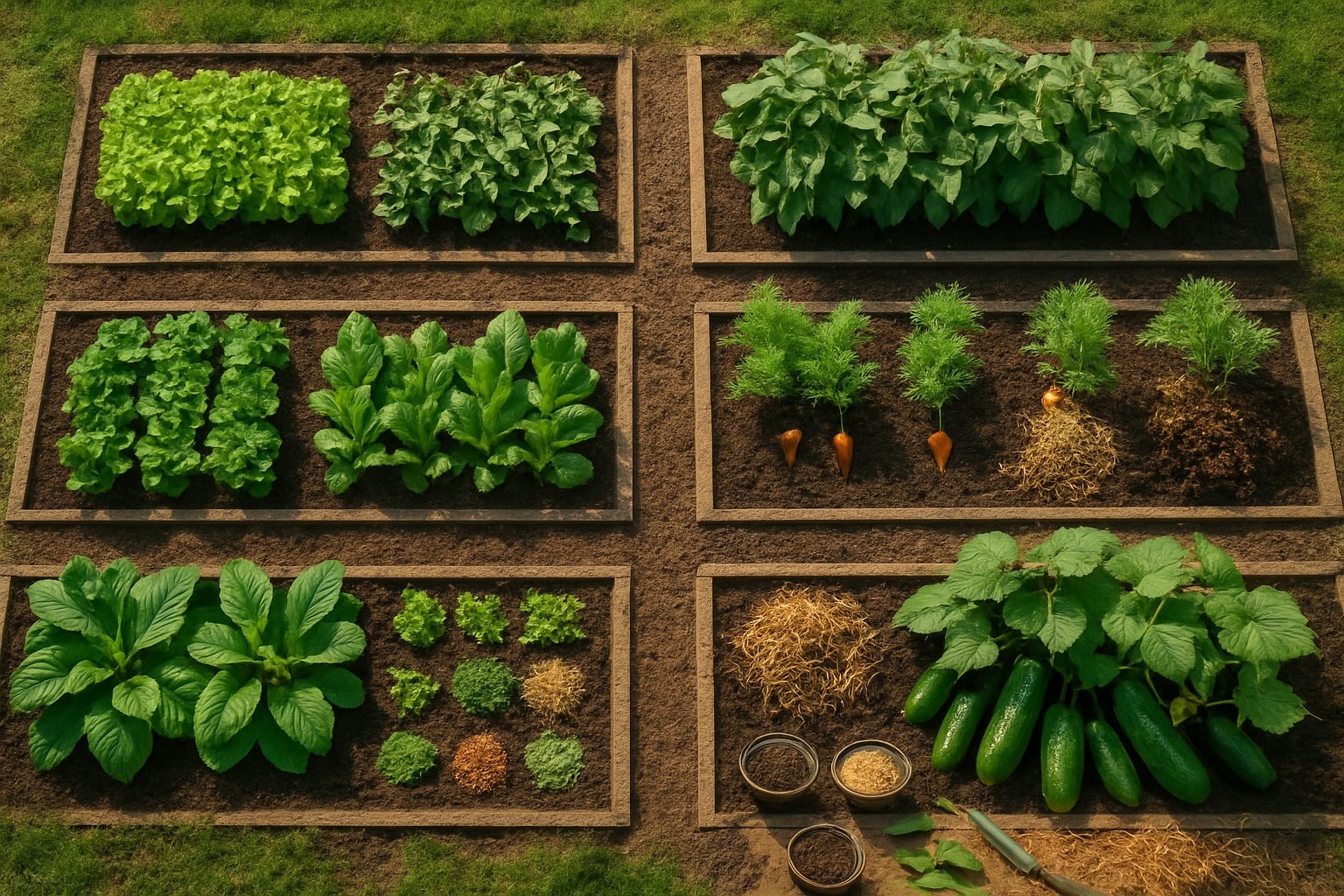
What is Crop Rotation?
If you’ve ever wondered why “crop rotation cucumbers” keeps popping up in gardening guides, you’re not alone. Crop rotation is a time-honored practice in agriculture where growers change the type of crops planted in a particular space each season or year, often swapping plant families.
The main purpose? To keep soil healthy, minimize disease, and boost long-term harvests—especially for demanding crops like cucumbers. By rotating where cucumbers and their relatives grow, you break pest and disease cycles that would otherwise thrive in the same patch year after year.
For example, planting leafy greens or legumes after cucumbers gives the soil a breather and reduces the risk of soil-borne pathogens that specifically target cucurbit crops. This change not only prevents nutrient depletion but also enhances soil structure and supports beneficial microbes.
In real-life gardens, a common rotation plan might move cucumbers after beans, which fix nitrogen, giving your cukes a natural boost when their turn comes around again.
Historically, crop rotation dates back to ancient civilizations seeking to keep their farms fertile; it remains a cornerstone of organic and sustainable farming today. Whether you’re tending a backyard plot or managing a market garden, rotating your cucumbers and other crops isn’t just tradition—it’s smart science for healthier plants and richer, more resilient soil.
Why Use Crop Rotation?
Crop rotation is a simple yet powerful way to keep your garden or farm healthy and productive year after year. By switching up what you plant in each spot each season, you naturally disrupt the cycles of soil-borne pests and diseases that tend to build up when the same crop is grown repeatedly.
For example, if you plant tomatoes in the same bed every season, tomato-specific pests and diseases will thrive. But rotating with a crop like beans can break that cycle.
Crop rotation also helps the soil recover essential nutrients—legumes such as peas and beans actually add nitrogen back into the soil, which is especially helpful for hungry crops like corn that follow.
This practice isn’t just for large farms; even small home gardens reap the benefits. Rotating crops keeps weeds guessing and can reduce how often you need to weed or use chemicals.
Commercial growers use rotation to maintain high yields and avoid costly pest outbreaks, but the same principles apply on a backyard scale.
Ultimately, crop rotation is a proactive, eco-friendly approach to growing that saves you time, money, and headaches down the road.
How to Plan an Effective Crop Rotation
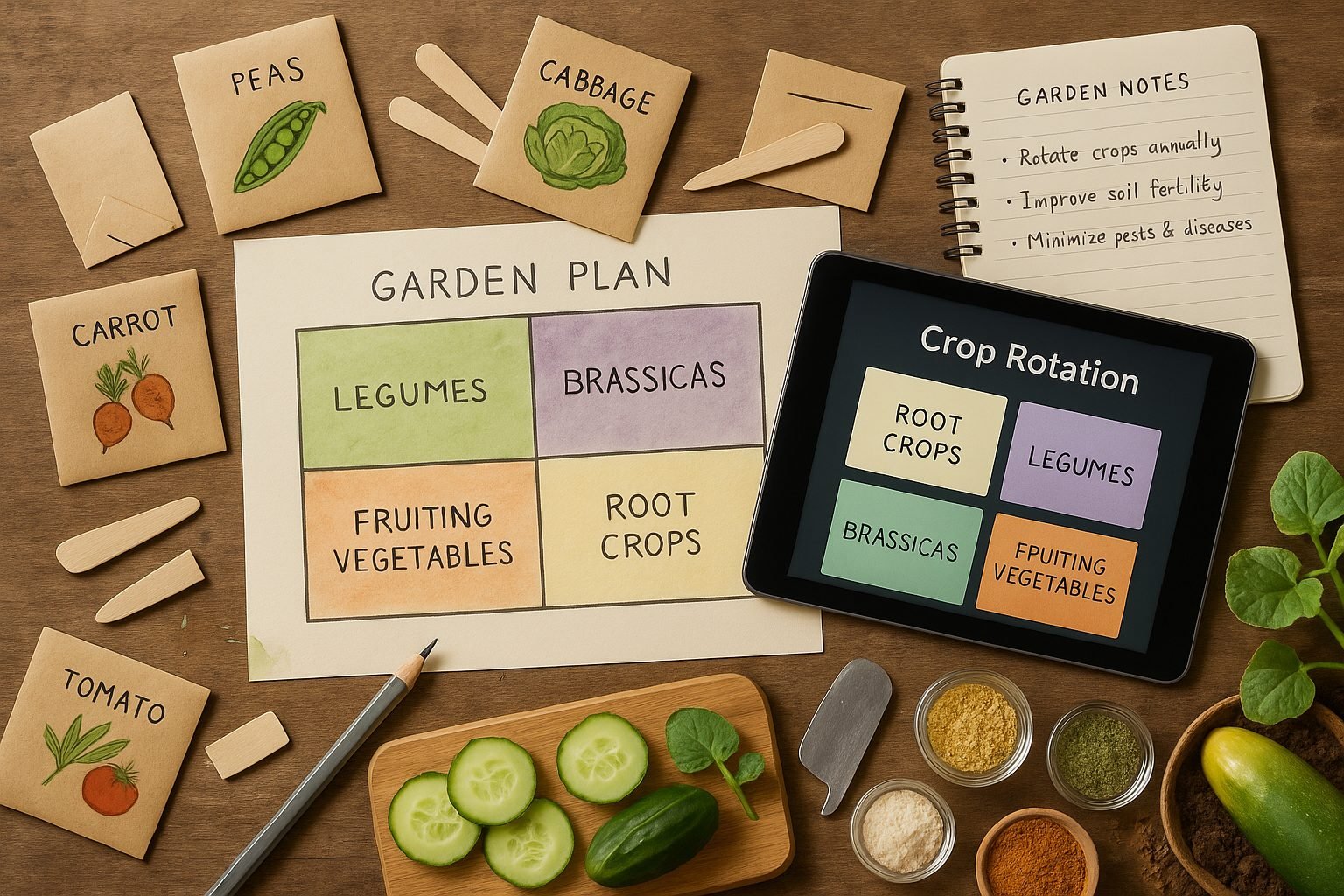
Planning an effective crop rotation starts by grouping your plants according to their botanical family and specific nutrient needs. For example, legumes like beans and peas add nitrogen to the soil; brassicas such as cabbage and broccoli are heavy feeders; and root vegetables like carrots and beets thrive after nutrient-rich crops but prefer less nitrogen.
Begin by mapping out your garden spaces, then assign each area a crop family for the current year. Next, create a rotation schedule—commonly a three- or four-year cycle works well for most home gardens. In the first year, plant legumes in one section; the following year, move brassicas to where the legumes grew; then follow with root vegetables, continuing the rotation.
To keep your plan organized, use a dedicated garden notebook or a simple chart pinned up in your shed to record what’s planted where each season. Many gardeners also find free or low-cost gardening apps helpful for setting reminders and tracking crop locations—some even allow you to upload photos and notes.
Whichever method you choose, consistency is key. Sticking to your rotation plan will reduce pest issues and help maintain healthy, productive soil over time.
Short- and Long-Term Strategies
When planning crop rotations, it’s important to consider both short-term (annual) and long-term (multi-year) strategies to maintain healthy soil and prevent pest buildup. Annual rotations—a simple approach where crops in garden beds are switched each year—are easy to implement and help disrupt the cycle of crop-specific pests and diseases.
For example, a gardener might plant tomatoes in one plot this year, then replace them with beans or carrots the next season. However, a longer-term rotation, such as a 3- or 4-year scheme, offers greater benefits by spreading out plant families over more years, further reducing pest and disease risks and improving soil fertility through varied nutrient demands.
Example of a 4-Year Crop Rotation Cycle
- Year 1—Legumes (like beans or peas)
- Year 2—Brassicas (broccoli, cabbage)
- Year 3—Root crops (carrots, beets)
- Year 4—Fruiting vegetables (tomatoes, peppers)
Each group helps balance the soil; for instance, legumes add nitrogen, while root crops help break up the soil structure. For those with small gardening spaces, container gardening or regularly refreshing soil can provide similar crop rotation benefits without needing large plots. This approach helps prevent disease carryover and keeps plants healthier overall.
Boosting Soil Health with Cover Crops
Cover crops are plants grown primarily to improve soil health rather than for harvest, and they’re a powerful tool in crop rotation systems. Common examples like clover, vetch, and rye add organic matter, prevent erosion, and fix nitrogen—all of which boost the next cash crop’s productivity.
Mustard, radish, and certain types of rye go a step further as “biofumigant” cover crops. When tilled into the soil, they release natural compounds that suppress nematodes, fungi, and other soil-borne diseases, reducing your reliance on chemical treatments.
Getting the Most Out of Cover Crops
To maximize benefits, plan ahead by matching the cover crop species to both your soil needs and the crop that follows. For example, plant legumes like clover before heavy feeders such as corn to boost nitrogen availability.
Terminate cover crops about 2–4 weeks before your main planting—either by mowing or incorporating them into the soil—to allow for decomposition and avoid competition.
Additional Tips
- Consider using a mixed species blend to diversify benefits.
- Rotate cover crop families just like food crops to prevent pest buildup.
- Even home gardeners can start small by sowing a patch of mustard or oats in unused beds over winter for healthier soil come spring.
Common Mistakes & Practical Tips
One of the most common crop rotation mistakes home gardeners make is losing track of what was planted where, leading to accidental repetition of crops in the same bed year after year. This undermines the pest and disease prevention benefits of rotation. Keeping a simple sketch or written log—whether in a notebook or a gardening app—can help you remember which beds hosted which crops.
Another frequent error is rotating unrelated crops without understanding their plant families. For effective rotation, group crops like tomatoes, peppers, and eggplants together since they share similar pest risks, and avoid planting them in the same spot two years in a row.
Don’t forget to amend your soil between rotations. After heavy feeders like tomatoes, enrich the soil with compost or plant a nitrogen-fixing cover crop such as peas to restore nutrients.
If tracking everything feels overwhelming, focus on rotating the highest-risk crops—such as potatoes, tomatoes, and brassicas—as they’re most susceptible to soil-borne problems.
For beginners seeking an easier approach, try using ready-made seed mixes for “salad beds” or “root portions,” rotating these mixes instead of specific species.
With a little planning and these simple tracking methods, crop rotation becomes much less daunting and yields more productive, healthier plants.