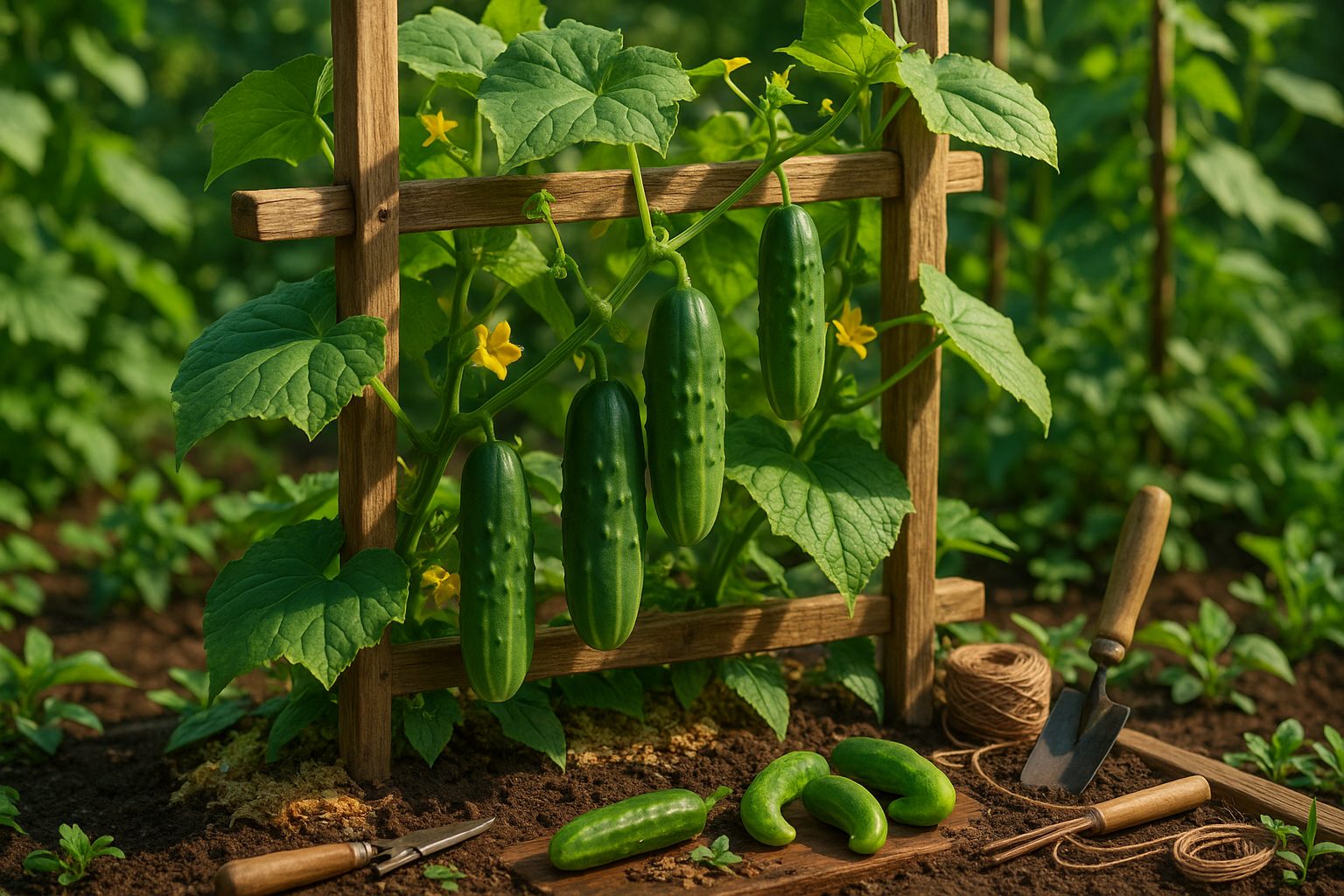
Choosing the Right Cucumber Variety
If you’ve ever wondered how cold weather affects your chances of a successful cucumber harvest, you’re not alone. Growing cucumbers in chilly climates can be tricky, but choosing the right variety is the first step to beating the chill and setting yourself up for garden success. Not all cucumbers are created equal!
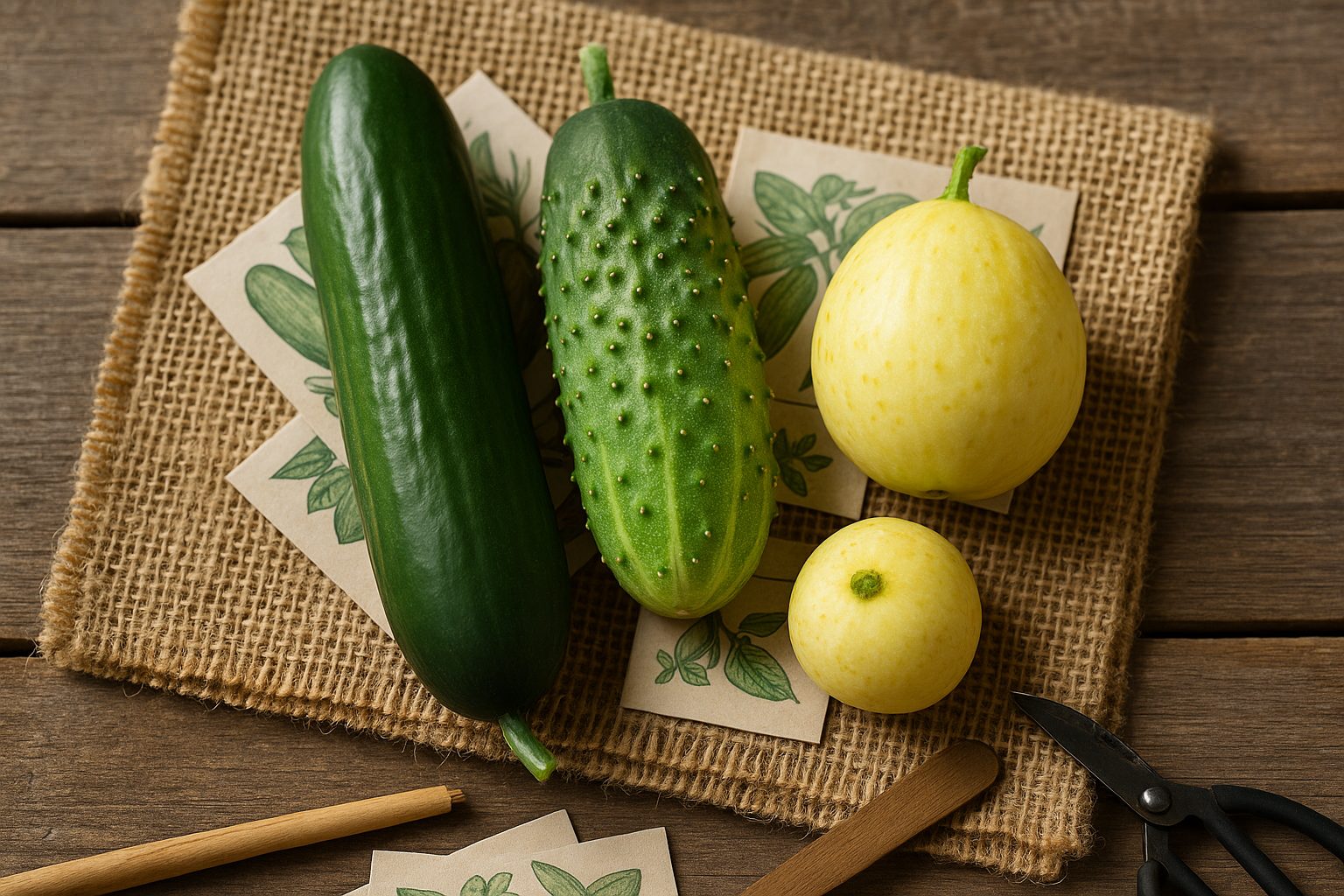
Slicing cucumbers are the classic sandwich addition—long, smooth, and perfect for fresh eating—while pickling types are shorter, bumpier, and bred for crunch and flavor in the brine. Specialty cucumbers, like lemon or Persian varieties, offer unique twists for adventurous gardeners, featuring distinct shapes and flavors.
Consider Your Garden Space
Think about your garden space when choosing between bush and vining varieties. Bush cucumbers grow in compact shapes, ideal for containers or small raised beds, while vining cucumbers need more room to spread and benefit from trellising.
Choose Based on Culinary Use
If you prefer salads stacked with crisp, refreshing slices, opt for slicing types; if you’re a pickling enthusiast, go for varieties recommended for brining. Taste can vary—a ‘Marketmore’ slicing cucumber is mild and refreshing, while ‘Boston Pickling’ is famous among home preservers.
Disease Resistance Matters
For beginners or anyone gardening in challenging conditions, disease-resistant varieties are a game changer. Look for types labeled resistant to common issues like powdery mildew or mosaic virus. Varieties such as ‘Straight Eight’ or ‘Salad Bush’ can withstand many problems that often plague cucumbers in cold and damp weather.
By carefully selecting your seeds with climate, disease resistance, space, and culinary goals in mind, you’ll set yourself up for a thriving cucumber patch—even when conditions are less than ideal.
Starting Cucumbers: Seeds or Seedlings?
Deciding whether to start cucumbers from seeds or to buy seedlings depends on your gardening goals, climate, and available time. Seeds are budget-friendly and offer a wide variety; you can try unusual cucumber types not typically sold as seedlings. However, starting from seeds requires attention and patience, especially if you’re beginning indoors. On the other hand, purchasing seedlings from a garden center is more convenient—they give you a head start and are less prone to pests and inconsistent germination. The downside is you’re limited to popular varieties, and seedlings may suffer from transplant shock if not handled properly.
Starting Cucumbers from Seed
If you start cucumbers from seed, you have two main options: sow directly outdoors or start indoors. For direct sowing, wait until all danger of frost has passed and the soil has warmed to at least 60°F (16°C), as cucumber seeds won’t germinate in cold, damp soil. This usually means planting one to two weeks after your area’s average last frost date.
If you want a head start—especially in regions with short growing seasons—start seeds indoors about three to four weeks before the last expected frost. Use biodegradable pots to minimize root disturbance when transplanting outdoors, and be sure to harden off seedlings by gradually exposing them to outdoor conditions over a week before planting them out.
Timing Is Key
No matter which method you choose, timing is crucial for healthy cucumber plants. Mark your local average last frost date and:
- Count backward for indoor sowing.
- Wait until soil and nighttime air temperatures are reliably warm for direct sowing or transplanting seedlings.
If your growing season is long, direct sowing is often easiest; shorter seasons benefit from starting seeds early indoors. Whichever route you take, keep the soil moist and provide plenty of sunlight—healthy, timely-planted cucumbers will reward you all summer long.
Planting and Growing Conditions
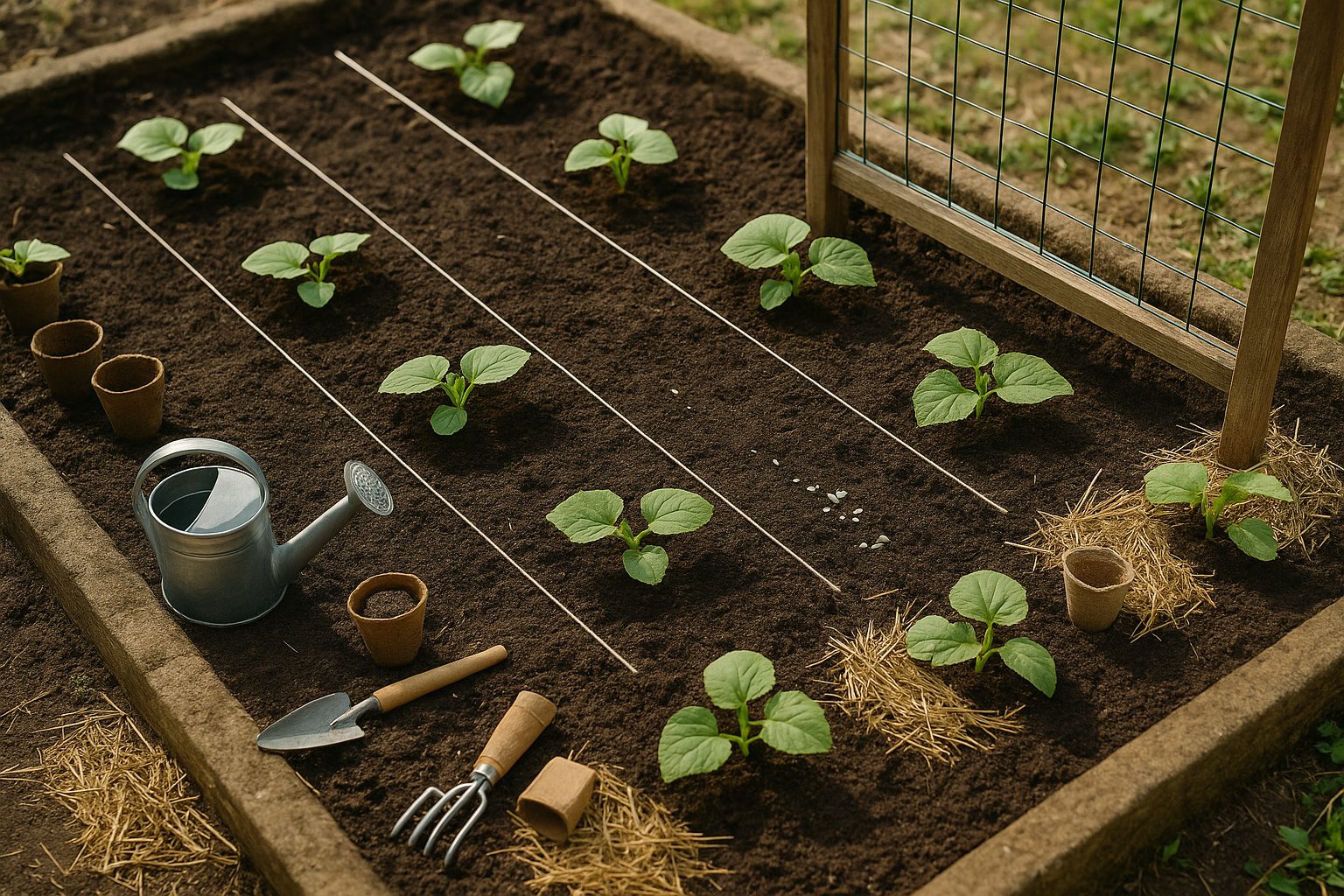
Cucumbers thrive best in loose, well-drained soil that’s rich in organic matter—think compost or well-rotted manure worked in before planting. Aim for slightly acidic to neutral soil, with a pH between 6.0 and 7.0. Because cucumbers love sun, choose a location that receives at least 6 to 8 hours of direct sunlight each day; insufficient light leads to weak vines and poor fruiting.
When planting, space seeds or seedlings about 12 inches apart for bush varieties, or 18–24 inches for vining types, with rows 3–4 feet apart to allow good air circulation—a key factor in preventing mildew and rot. Before sowing, prepare the soil by removing weeds, loosening it deeply, and mixing in compost or aged manure to boost fertility and water retention. Compost also helps create the crumbly texture cucumbers favor.
To keep young plants healthy, water consistently; cucumbers have shallow roots and crave about 1 inch of water per week, best delivered early in the morning at the base of the plant to avoid wetting leaves. Mulching with straw or chopped leaves helps retain soil moisture and keeps weeds down.
As vines grow, consider your support options:
- Growing cucumbers on a trellis saves space, improves airflow and sunlight exposure, making fruits less prone to disease, and produces straighter cucumbers that are easier to spot and pick.
- Growing on the ground is fine if you have space, but expect more curved fruit and a higher risk of fungal issues, since leaves stay damp longer.
Whatever your method, healthy starts with good prep—so invest a little time up front, and your cucumbers will reward you all season long.
Caring for Cucumber Plants
Caring for cucumber plants is all about consistent attention and a few smart strategies. Cucumbers love steady moisture, so water them regularly—early in the morning works best to minimize evaporation and prevent mildew. Aim to keep the soil evenly moist, but avoid waterlogging, which can lead to root rot.
Mulching around the base with straw or shredded leaves helps retain moisture, suppress weeds, and protect shallow roots from temperature swings. Fertilize every few weeks with a balanced liquid fertilizer or a side-dressing of compost to fuel rapid growth and fruit production.
Keep an eye out for pests like cucumber beetles and aphids, which can spread diseases and damage leaves. Try integrated pest management:
- Use row covers early in the season
- Attract natural predators like ladybugs
- Remove weeds that harbor pests
If you spot powdery mildew, a common fungal disease, space your plants well for good air flow and prune away affected leaves promptly. A homemade spray of baking soda and water can also help keep it in check.
Cucumbers rely on pollinators to set fruit, so encourage bees by planting flowers nearby and avoid using insecticides during blooming. In greenhouses or small gardens where pollinators may be scarce, gently shake the plants or use a small paintbrush to transfer pollen between flowers—mimicking the work of bees.
Regular harvesting also encourages new fruit, so pick cucumbers when they’re young and firm for the best flavor. With these straightforward steps, you’ll help your cucumber plants stay productive, healthy, and resistant to common garden challenges throughout the growing season.
Troubleshooting Common Problems
Tomato growers often encounter a few common issues, but most have simple fixes. For instance, if you notice yellowing leaves toward the bottom of your plant, it might not be cause for alarm; older leaves naturally die off as the plant matures. However, widespread yellowing can signal a nutrient deficiency—try adding a balanced fertilizer and ensure your watering is consistent.
Bitter fruit is frequently linked to uneven watering or persistent heat stress. To improve flavor, water your plants regularly and use mulch to help the soil retain moisture during hot weather.
Blossom end rot, the classic dark spot on the bottom of tomatoes, usually results from fluctuating soil moisture and a lack of calcium. Prevent this by watering deeply and consistently, avoiding sudden droughts or overwatering, and consider calcium sprays only if the problem persists for several weeks.
Watch out for signs of environmental stress like leaf curling on scorching days—these are usually temporary and tend to resolve once the temperature drops. There’s no need to intervene unless the condition lasts.
Many minor blemishes or cracked skins can be left alone and won’t affect your harvest. Reserve treatments, such as using disease sprays or heavy pruning, for persistent or severe issues like ongoing blight or pest infestations.
By tailoring your care to the plant’s needs and paying close attention to environmental conditions, you’ll solve most problems before they ruin your crop.
Harvesting and Storing Cucumbers
Knowing when to pick cucumbers is key to enjoying crisp, tasty fruit. Most varieties are ready for harvest when they reach 6–8 inches long, feel firm, and have a uniform, deep green color. Avoid waiting until they turn yellow or grow too fat, as over-mature cucumbers become bitter, seedy, and can stop the plant from producing more fruit.
Check plants daily during peak season to catch cucumbers at their prime. For gentle harvesting, use clean garden shears or a sharp knife to cut the stem about a quarter-inch above the fruit, instead of twisting or pulling, which can damage both the cucumber and the vine. Handle cucumbers carefully to avoid bruising, which speeds spoilage.
For short-term storage, wipe off any dirt (but do not wash), and keep freshly picked cucumbers in the vegetable crisper drawer of the refrigerator in a plastic bag or perforated produce bag—they’ll stay fresh for up to a week. For longer-term storage, consider refrigerator pickling or fermenting in a brine, which can preserve their flavor and crunch for months.
Another tip: store cucumbers away from fruits like apples and tomatoes, as the ethylene gas they emit will make cucumbers spoil faster. By picking at the right time and storing with care, you can enjoy that garden-fresh taste long after harvest.