
Introduction
Growing cucumbers can be a rewarding experience, but cucumber fungal diseases pose a serious challenge for both new and experienced gardeners. These diseases rank among the top reasons cucumber yields decline, often appearing during warm, wet periods and quickly turning healthy vines into wilted, spotted plants. If you’ve noticed powdery mildew on leaves or unexplained lesions on stems, you’ve probably encountered one of these stubborn fungal enemies.
Knowing how to identify early warning signs and act quickly can make all the difference between a thriving harvest and a disappointing loss. In this post, you’ll learn to recognize the most common cucumber fungal diseases—such as downy mildew, anthracnose, and Fusarium wilt—by their practical, easy-to-spot symptoms. You’ll also find straightforward tips for controlling outbreaks, from selecting the right fungicides to applying effective cultural practices like crop rotation and proper plant spacing.
Whether you’re growing cucumbers in your backyard or on a commercial scale, understanding these threats and how to manage them is essential for a juicy, abundant crop.
Common Fungal Diseases Affecting Cucumbers
Cucumber fungal diseases can quickly impact the health and yield of your plants, with several types posing significant challenges for growers. One of the most common is powdery mildew, which appears as white, powdery spots on leaves and stems. It thrives during warm, dry days and cool, humid nights, especially in crowded gardens with poor air circulation. If left untreated, powdery mildew can stunt plant growth and reduce fruit production.
Downy mildew, on the other hand, manifests as yellow patches on the upper leaf surfaces, with grayish fuzz underneath. It is often triggered by cool, moist conditions or frequent rains and can spread rapidly, causing extensive leaf loss.
Anthracnose favors wet, humid weather and presents as small, water-soaked lesions that turn tan or brown, sometimes oozing a pinkish fluid. These spots can develop on leaves, stems, and fruit, leading to blemishes and even fruit rot.
Fusarium wilt, caused by soilborne fungi, is particularly insidious because it clogs the plant’s xylem vessels. This blockage causes leaves to yellow, wilt, and eventually die back, regardless of watering efforts. Fusarium wilt thrives in warm, sandy soils and can persist for years, making crop rotation crucial.
Each of these fungal diseases can weaken cucumber plants, reduce both the quality and quantity of your harvest, and if left unaddressed, may wipe out entire crops. To minimize the impact of these common cucumber fungal diseases, practice good garden hygiene, choose resistant varieties, and closely monitor growing conditions.
Recognizing Early Symptoms of Cucumber Fungal Diseases
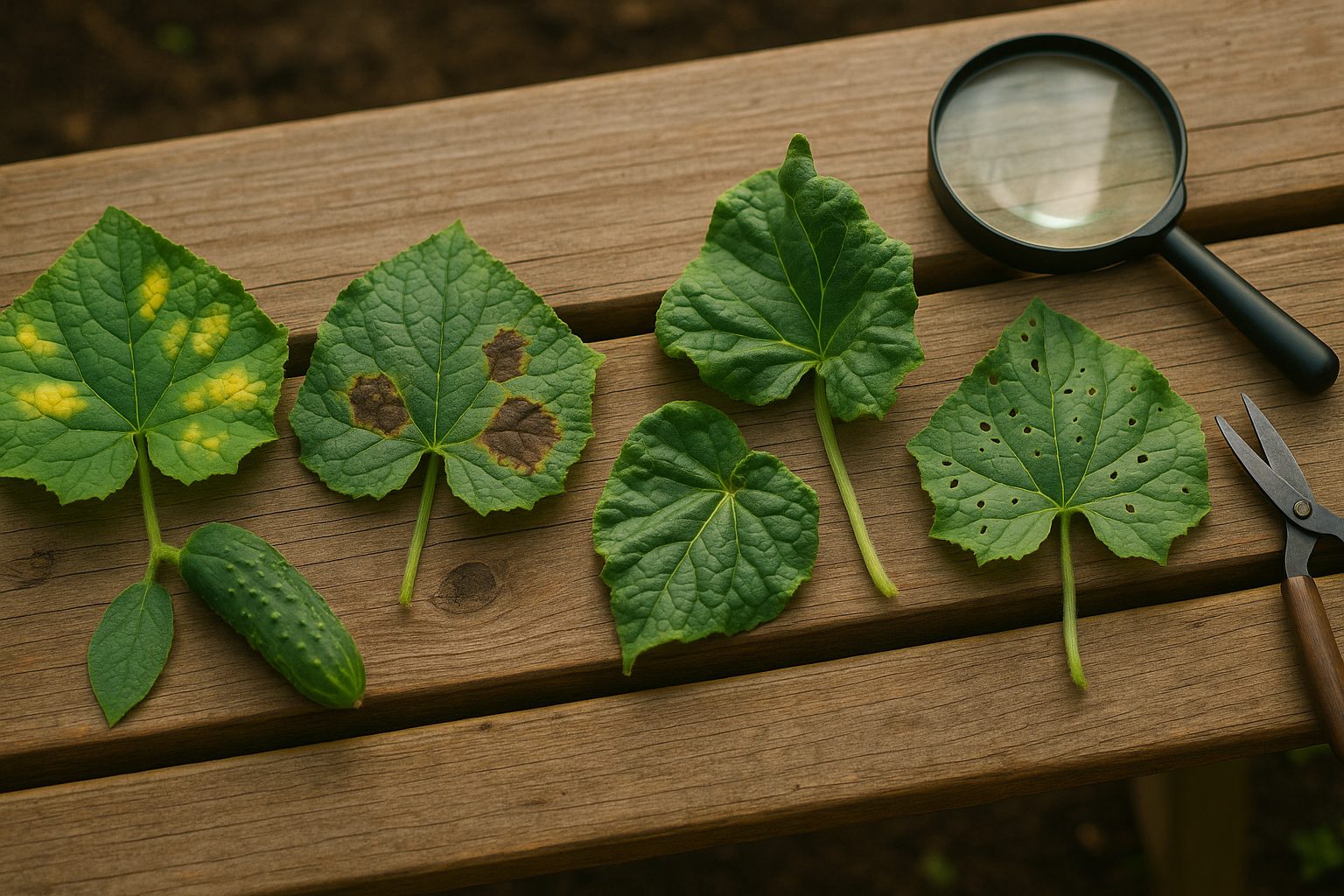
Recognizing the early symptoms of cucumber fungal diseases is crucial for saving crops and minimizing losses. Timely detection allows for quicker intervention and better control. During routine inspections, growers should first check the leaves. Powdery mildew typically appears as white, powdery spots on the upper leaf surfaces that gradually enlarge and merge, causing the leaves to yellow and distort. In contrast, downy mildew shows up as angular yellow patches on leaves that turn brown, often accompanied by a subtle grayish mold on the underside, especially in humid conditions. Both mildews spread rapidly, but their distinct appearances help with diagnosis.
Inspecting stems and fruits is equally important. For example, gummy stem blight causes brown or black lesions on stems and leaves, sometimes with a sticky, amber-colored exudate visible along the affected tissues. On the fruits, anthracnose can be identified by small, sunken spots with dark margins that may ooze pinkish spores in wet weather, leading to rapid fruit decay.
Root and vine health should not be overlooked. Fusarium and verticillium wilt both cause sudden leaf yellowing, wilting, and stunted growth, often starting on one side of the plant. The roots may show brown discoloration or rot. In cases of root rot, plants might collapse despite adequate watering, as the roots become mushy and dark.
Visual cues such as wilting, discoloration, fuzzy growth, or exuded substances serve as early warnings before severe symptoms develop. Always inspect both the upper and lower sides of leaves, as well as stems near the soil line. Early recognition is essential—a minor spot or wilt today could signal the start of a widespread issue tomorrow. By taking notes and comparing symptoms regularly, growers equip themselves with the knowledge to act fast, prevent spread, and choose targeted, effective treatments before cucumber fungal diseases become unmanageable.
How Fungal Infections Spread
Fungal infections in cucumbers spread efficiently through various transmission routes. Airborne spores are a major factor—many fungi produce microscopic spores that travel by wind, landing on cucumber leaves where they can quickly establish if conditions are favorable. Contaminated soil is another common source, as spores or fungal fragments can survive in the soil for years, waiting for the right combination of warmth and moisture. Water, whether from overhead irrigation or rainfall that splashes soil onto leaves, can carry spores between plants, especially when the soil is already infected. Plant debris also plays a significant role; old vines and leaves left in the garden can harbor fungal pathogens, setting the stage for new outbreaks in the next growing season.
Environmental factors heavily influence the spread of cucumber fungal diseases. High humidity and warm temperatures create a “greenhouse” effect that helps spores germinate and invade plant tissues. Poor air circulation, often caused by planting cucumbers too closely together, traps moisture on leaves where fungi can thrive. Weather patterns are also important—extended periods of rain or humidity can trigger outbreaks by keeping plant surfaces wet for longer.
Comparing home gardens to commercial growing environments, disease spread often happens more rapidly on a larger scale due to dense planting and frequent handling of plants. However, home gardens are not immune; they often lack strict hygiene protocols, and even a small patch of infected soil or plant material can start a cycle of disease. Regardless of scale, the combination of pathogen presence, favorable environmental conditions, and poor sanitation can quickly turn a few small spots on cucumber leaves into a full-blown fungal outbreak.
“`html
Effective Treatment Methods for Cucumber Fungal Diseases
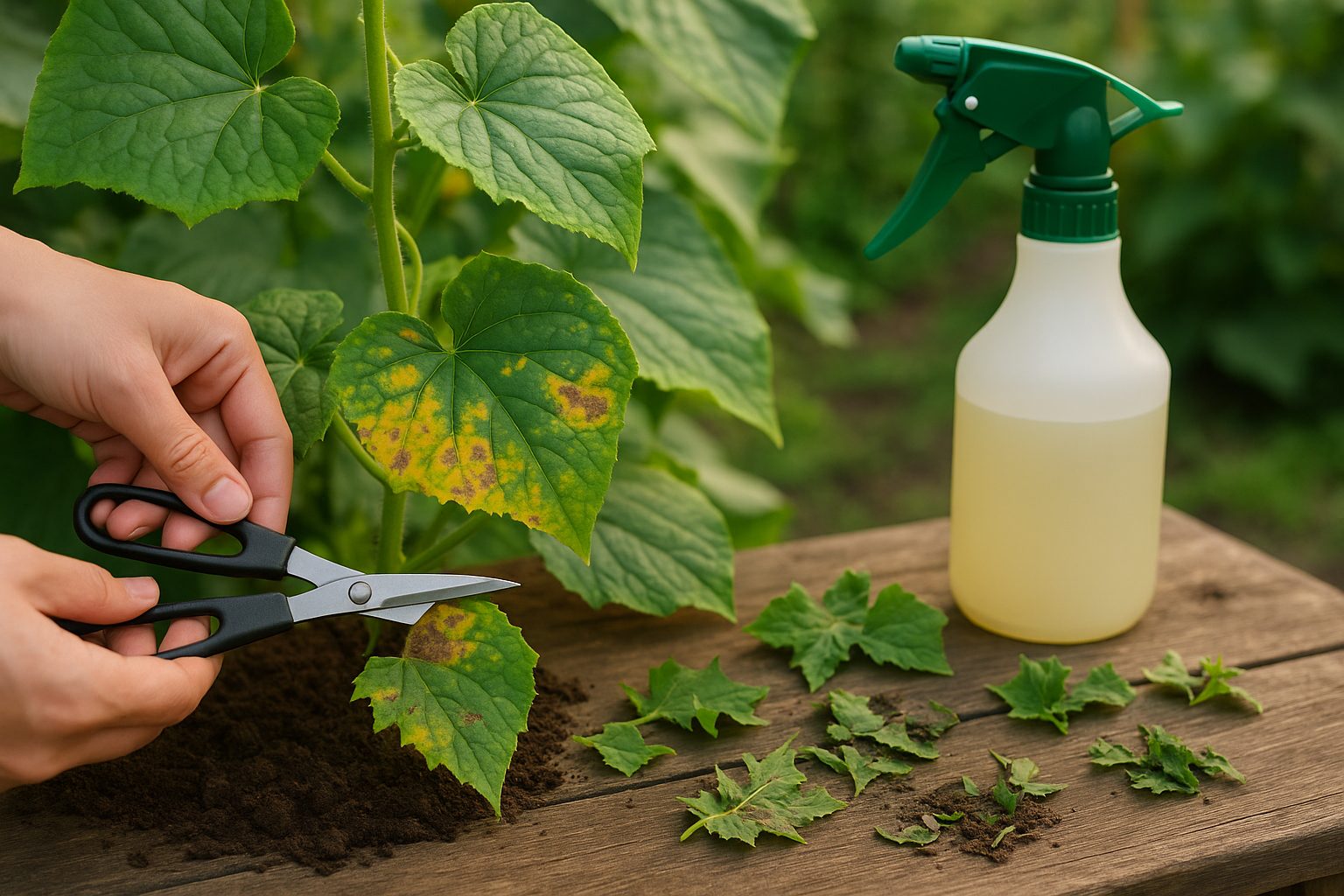
Managing cucumber fungal diseases successfully requires a combination of cultural practices, organic methods, and, when necessary, the careful use of chemical fungicides. Start with cultural practices that boost plant health and reduce disease risks—rotate cucumbers with non-cucurbit crops each season, space vines well to ensure good airflow, and water in the morning so foliage dries quickly. Whenever possible, use drip irrigation, as wet leaves create ideal conditions for fungal spores.
Sanitation is key: remove plant debris at the end of the season and disinfect tools between uses since many fungi overwinter on old leaves and stems. Choose disease-resistant cucumber varieties whenever possible; seed catalogs or extension services can help you find options bred to resist common issues like powdery mildew or downy mildew.
For organic treatments, consider regular sprays with neem oil, potassium bicarbonate, or copper-based fungicides—all widely available at garden centers and suitable for organic gardening. Rotate these treatments and apply them after heavy rain to maintain protection, as rain can wash off sprays. Baking soda solutions may also help suppress early infections, though they’re less effective against severe outbreaks.
If organic options aren’t enough, conventional fungicides might be necessary. Look for active ingredients such as chlorothalonil, mancozeb, or myclobutanil, which are commonly approved for cucumbers and effective against fungal threats like anthracnose, powdery mildew, and downy mildew. Always follow label instructions carefully—observe pre-harvest intervals, wear gloves, and thoroughly cover both the upper and lower leaf surfaces. Never exceed recommended dosages, and rotate fungicide classes to prevent resistance. Timing is crucial: begin treatments early when conditions favor disease, such as high humidity and warm temperatures, or at the first sign of infection.
In any disease management program, promptly removing and destroying severely infected plants—not composting them—can help stop the spread of aggressive pathogens and prevent future outbreaks. Avoid planting cucumbers in the same spot where major infections occurred for at least two seasons.
An integrated disease management strategy—combining sanitation, resistant varieties, and smart fungicide use—offers the best defense against cucumber fungal diseases, helping you maintain a productive and healthy garden.
“`
Prevention and Long-Term Disease Management of Cucumber Fungal Diseases
Preventing cucumber fungal diseases starts with a proactive approach in your garden or greenhouse. Begin by practicing crop rotation—avoid planting cucumbers or related crops in the same spot each year to disrupt the life cycle of many fungal pathogens. Space your plants well apart to promote airflow, which helps leaves dry quickly after watering or rain; this reduces the moisture fungal diseases need to thrive.
Mulching with clean straw or landscape fabric also helps by minimizing soil splash that can transfer fungal spores onto plant leaves, while conserving soil moisture and controlling weeds. Ensuring good ventilation, especially in enclosed spaces like greenhouses, is crucial—open windows or install fans to keep air circulating and humidity levels low.
Choosing disease-resistant cucumber cultivars is another effective strategy, as these varieties are bred to withstand specific pathogens and often require less intervention. Sustainable practices, such as using clean, sanitized tools and watering at the base of the plant instead of overhead, further reduce the risk of spreading disease.
Equally important is maintaining a regular routine of monitoring—inspect your plants frequently for early signs of stress or infection, like leaf spots or mildew, so you can act quickly before problems spread. By integrating these strategies into your daily plant care, you create an environment less favorable to cucumber fungal diseases, supporting healthier harvests for years to come.
When to Seek Professional Help
While many cucumber fungal diseases can be managed with prompt action and good garden practices, some situations require professional assistance. If fungal problems persist despite your treatments or if you notice a rapid outbreak affecting most or all of your plants, it’s time to consult an expert.
Severe symptoms such as extensive wilting, widespread leaf spots, or fuzzy mold covering the fruit indicate that the issue may be beyond routine remedies. Extension agents or plant pathology experts can provide region-specific advice, accurate diagnoses, and tailored treatment plans.
If possible, contact your local cooperative extension office or university plant clinic as soon as you notice symptoms aren’t improving. When reaching out, be sure to document your observations carefully—take clear photos of the affected plant parts, note how symptoms have progressed, and record which treatments you’ve already tried.
This detailed information will help experts quickly identify the specific fungal disease and offer effective solutions. Remember, acting early and involving professionals can save your cucumber crop and prevent the spread of fungal diseases to other plants in your garden.
Conclusion
Staying vigilant against cucumber fungal diseases is essential for maintaining a healthy, productive garden. By regularly inspecting your plants and responding quickly at the first sign of trouble, you can stop minor issues from becoming major outbreaks. Proactive management—such as practicing good garden hygiene and applying effective treatments—makes a significant difference in your harvest. If you’re ever unsure about a particular fungus, don’t hesitate to ask questions or share your experiences with cucumber diseases in the comments. Your insights and stories can help fellow gardeners protect their crops, too!