
Crop Rotation After Cauliflower – Smart Choices for Healthy Soil
Practicing smart cauliflower crop rotation is essential for keeping your garden healthy and productive year after year. After harvesting cauliflower, planting the same crop—or similar ones—in the same spot can invite soil-borne diseases like clubroot and increase pest problems. Additionally, cauliflower quickly depletes certain soil nutrients, leading to poor growth over time.
If you’ve noticed stunted growth in your brassica patches or a rise in pest issues, poor crop rotation might be to blame. In this article, we’ll explain why rotating crops after cauliflower is important and provide practical suggestions for the best follow-up plants. You’ll learn how to maintain healthy soil and avoid common cultivation pitfalls through simple planning and smart choices.
Why Crop Rotation Matters After Cauliflower
Growing cauliflower is demanding on the soil, as it is a heavy feeder that draws significant amounts of nitrogen and other nutrients. Planting cauliflower—or other brassicas like cabbage or broccoli—in the same spot year after year depletes the soil, making it harder for plants to thrive and often resulting in smaller, weaker harvests. This nutrient drain is just one reason why cauliflower crop rotation is so important.
Another key factor is disease and pest management. Cauliflower belongs to the brassica family, which is highly susceptible to persistent soil-borne diseases like clubroot—a devastating fungus that can stay dormant in the soil for years, waiting for another brassica host. Pests such as cabbage root fly larvae and caterpillars (including the voracious cabbage white butterfly) also thrive when their favorite hosts are continuously available, leading to worsening infestations over time.
Rotating your crops breaks these harmful cycles. By switching to a different plant family (like legumes or root crops) after growing cauliflower, you deny pests and diseases a continuous food source, naturally reducing their presence. Additionally, rotation helps the soil regain its nutrient balance—plants like beans can actually add nitrogen back to the soil, benefiting future crops.
Practicing cauliflower crop rotation not only keeps your garden healthier and yields higher but also reduces the time and money spent battling soil fatigue, insect outbreaks, and plant diseases—a win for both busy gardeners and the environment.
What to Avoid Planting After Cauliflower
After harvesting cauliflower, it’s important to carefully consider what you plant next, especially avoiding other brassicas like broccoli, cabbage, or kale. These crops belong to the same plant family—Brassicaceae—and are all vulnerable to many of the same pests and diseases. Planting another brassica immediately after cauliflower can create a perfect environment for soil-borne pathogens and insects left behind. Diseases such as clubroot and downy mildew are particularly persistent; clubroot, for example, causes swollen, deformed roots and can remain in the soil for up to 20 years, waiting for its next brassica host. Downy mildew also survives in crop debris or tiny root fragments, ready to infect new seedlings. Repeatedly planting brassicas in the same spot gives these threats a chance to multiply to damaging levels, making them harder to control in future seasons.
To prevent these problems, practicing cauliflower crop rotation is essential. After cauliflower, it’s best to switch to a crop from a completely different family, like tomatoes (nightshade family), beans (legume family), or carrots (umbellifer family). Rotating crops breaks the life cycle of pests and diseases by depriving them of their preferred hosts, causing their populations to decline. This simple step plays a big role in maintaining healthy soil and strong, productive plants. Keep in mind that even “minor” brassicas—like turnips or radishes—should be avoided immediately after cauliflower. Planning your garden this way may take some advance effort, but it pays off with fewer disease issues and better yields year after year.
Best Crop Groups to Plant After Cauliflower
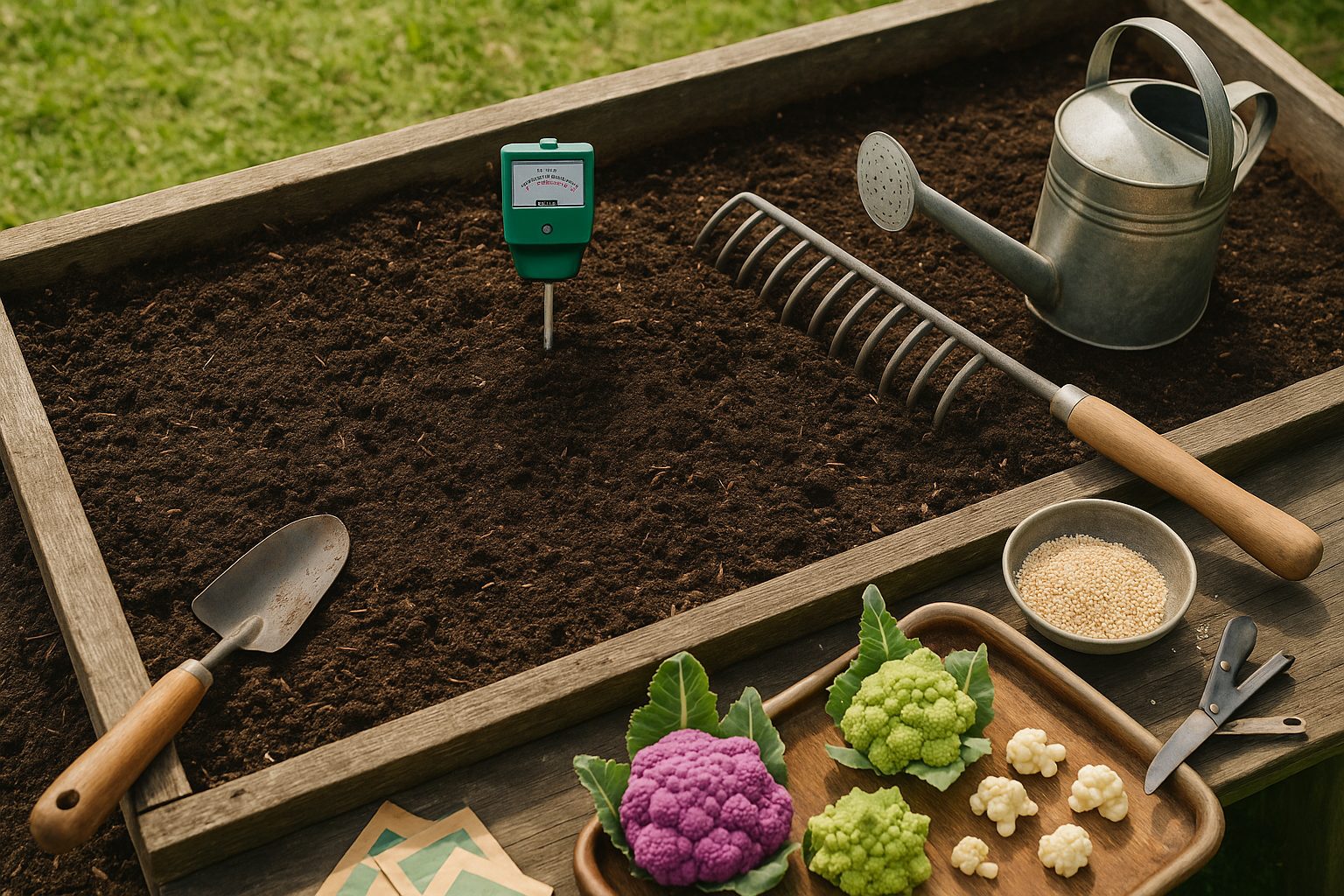
After harvesting your cauliflower crop, planning a smart cauliflower crop rotation is key to maintaining soil health and preventing the buildup of pests and diseases. One of the best groups to plant after cauliflower is legumes—such as beans and peas. These crops naturally replenish soil nitrogen levels depleted by heavy feeders like cauliflower, thanks to their ability to fix atmospheric nitrogen through their root systems.
Sow beans or peas as soon as your spring cauliflower is cleared to maximize the growing season. In fall, choose quick-maturing bush beans or cold-hardy pea varieties if your climate allows.
Root vegetables like carrots, beets, and parsnips are also excellent choices for planting after cauliflower. Since these crops aren’t closely related to brassicas (the family cauliflower belongs to), they help reduce soil-borne disease risks. They thrive in the loosened, nutrient-rich soil left behind by cauliflower—just be sure to remove any large crop residues before sowing seeds.
Leafy greens such as lettuce and spinach add flexibility to your rotation plan. You can direct-seed quick-growing greens after early spring cauliflower for a late-season harvest or grow them in fall after pulling late-season cauliflower crops.
Fruiting crops like tomatoes, peppers, or eggplants can also follow cauliflower, but it’s best to space them a few weeks apart to reduce cross-family pest issues. Start tomato seedlings indoors while cauliflower matures, then transplant them outside when the space frees up and the soil warms.
Remember to rotate crop families and avoid planting brassicas in the same spot more than once every three to four years. By mixing legumes, root vegetables, leafy greens, and fruiting crops into your cauliflower crop rotation, you’ll promote healthier soil, enjoy a diverse harvest, and outsmart common garden problems year after year.
Practical Crop Rotation Sequences for Home Gardens
A successful cauliflower crop rotation plan can be simple yet powerful, even in a small home garden. Here’s a sample 4-year rotation that works well for classic garden beds:
- Year 1: Brassicas (Cauliflower, Broccoli, Cabbage)
- Year 2: Legumes (Beans, Peas)
- Year 3: Root Crops (Carrots, Beets, Onions)
- Year 4: Fruiting Crops (Tomatoes, Peppers, Squash)
Rotate each group into a new bed annually. If your garden is smaller, try a 3-bed plan:
- Bed 1: Brassicas
- Bed 2: Legumes
- Bed 3: Roots and/or Fruits
After harvesting your cauliflower, avoid planting other brassicas in that bed the next season—this helps prevent soil-borne diseases and maintains nutrient balance. For quick reference, create a garden map using stickers or color coding for each crop family.
Maximizing Space with Succession Planting and Interplanting
Succession planting helps you get more from limited garden space, especially during prime growing months. For example, you can follow early cauliflower with a fast-growing crop like bush beans, lettuce, or spinach once the brassica harvest is done.
Interplanting—sneaking quick growers like radishes or leafy greens between slower-growing cauliflower plants—lets you double your harvest without crowding the bed. In raised beds, use close spacing for shallow-rooted companions, but remember to switch crop categories each year.
For even smaller beds or containers, adapt by using large pots for brassicas one season, then switch to bush beans or salad greens the next. Even in containers, try interplanting by tucking in herbs like dill or chives around your cauliflower plants.
Keep soil healthy by adding compost each year, no matter your setup. With a little planning and these easy crop rotation tips, every gardener—regardless of space—can enjoy healthy, productive crops after cauliflower.
Soil Care and Preparation Between Rotations
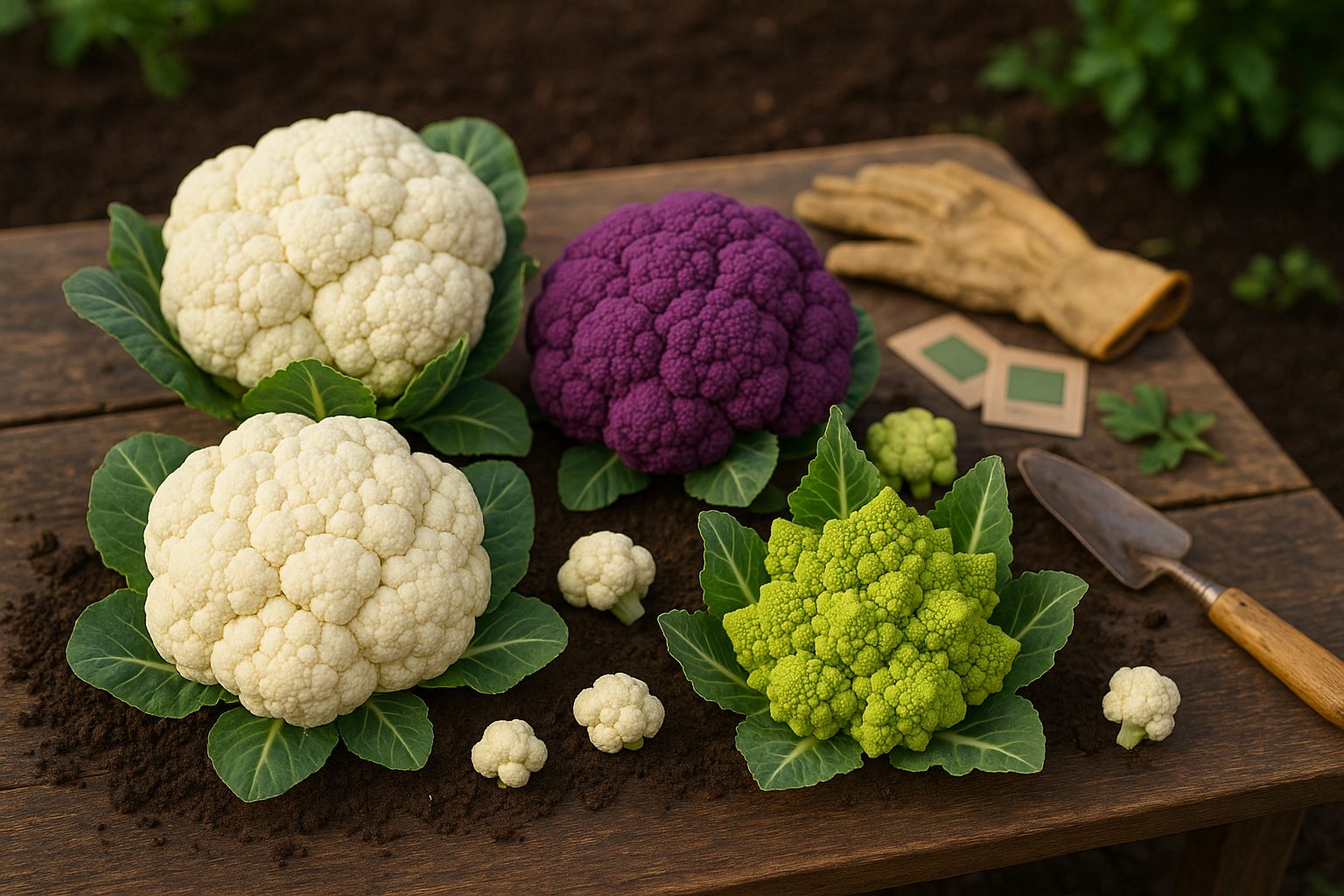
After harvesting your cauliflower, careful soil care is essential for successful cauliflower crop rotation and long-term garden health. Start by removing any leftover plant debris, including roots and stems, since disease-causing pathogens and pests can overwinter in crop residue. If you notice any diseased plants, discard them instead of composting.
Next, manage weeds aggressively—either by hand-pulling or hoeing—because weeds compete with future crops for nutrients and can harbor pests. Once the planting bed is clear, focus on enriching the soil. Incorporate well-rotted compost to replenish the organic matter that cauliflower often depletes, improving soil structure and water retention.
Consider sowing a green manure or cover crop such as clover, winter rye, or vetch during the off-season. These crops naturally add nitrogen, prevent erosion, and their roots help break up soil compaction. When you turn these cover crops under, they further contribute valuable organic matter.
Mulching with straw, shredded leaves, or grass clippings conserves moisture, maintains steady soil temperatures, and suppresses weeds, providing another protective layer for your soil. Before planting your next rotation crop, conduct a soil test to check nutrient levels and pH.
Cauliflower is a heavy feeder, especially of nitrogen, phosphorus, and potassium, so your soil may need specific amendments like bone meal, rock phosphate, or lime based on test results. This attentive care between rotations helps prevent nutrient deficiencies and disease, setting your garden up for a strong, healthy harvest in the next cycle of your cauliflower crop rotation.
Avoiding Common Crop Rotation Mistakes
One of the most common pitfalls in cauliflower crop rotation is poor record-keeping. It’s surprisingly easy to forget what was planted where, especially if you’re managing several garden beds or plots. Over time, this can lead to accidentally planting members of the same plant family—like cabbage, broccoli, and cauliflower—in the same spot, increasing the risk of soil-borne diseases and pests.
Another frequent mistake is misidentifying plant families, which can happen because many brassicas look quite similar in their early stages. To avoid these errors, keep a simple garden map or notebook. Record each crop by bed, and consider using colored stakes or labels to visually distinguish plant families. Even a photo log on your phone can be a handy reference from year to year.
If you suspect soil disease—such as stunted growth or recurring pest problems—don’t ignore it. Remove affected plant debris, avoid planting any brassicas in that spot for several seasons, and consider amending the soil with compost or a bio-fumigant cover crop like mustard. Preventing these common mistakes will help create a healthier, more productive rotation after your cauliflower crop.
Key Takeaways for Healthy Harvests
Rotating crops after harvesting cauliflower is essential for maintaining soil health and breaking the cycle of pests and diseases that target brassicas. By selecting the right follow-up crops—such as legumes, root vegetables, or leafy greens unrelated to cauliflower—you help restore soil nutrients and balance. Avoid planting other brassicas in the same spot to reduce the risk of clubroot and other soil-borne problems. Adding compost or well-rotted manure replenishes the soil, and incorporating cover crops can provide extra nutrients. Proper cauliflower crop rotation not only boosts garden productivity but also promotes sustainable practices, leading to healthier and more abundant future harvests.